
Tax season often brings a mixture of anticipation and confusion as taxpayers sift through various forms, schedules, and disclosures. Among the most critical documents is the Form W-2, the Wage and Tax Statement. While most people immediately look at Box 1 (Wages, tips, other compensation) or Box 2 (Federal income tax withheld), Box 12 often presents a cryptic series of letter codes and numerical values that can leave even the most financially savvy individuals scratching their heads.
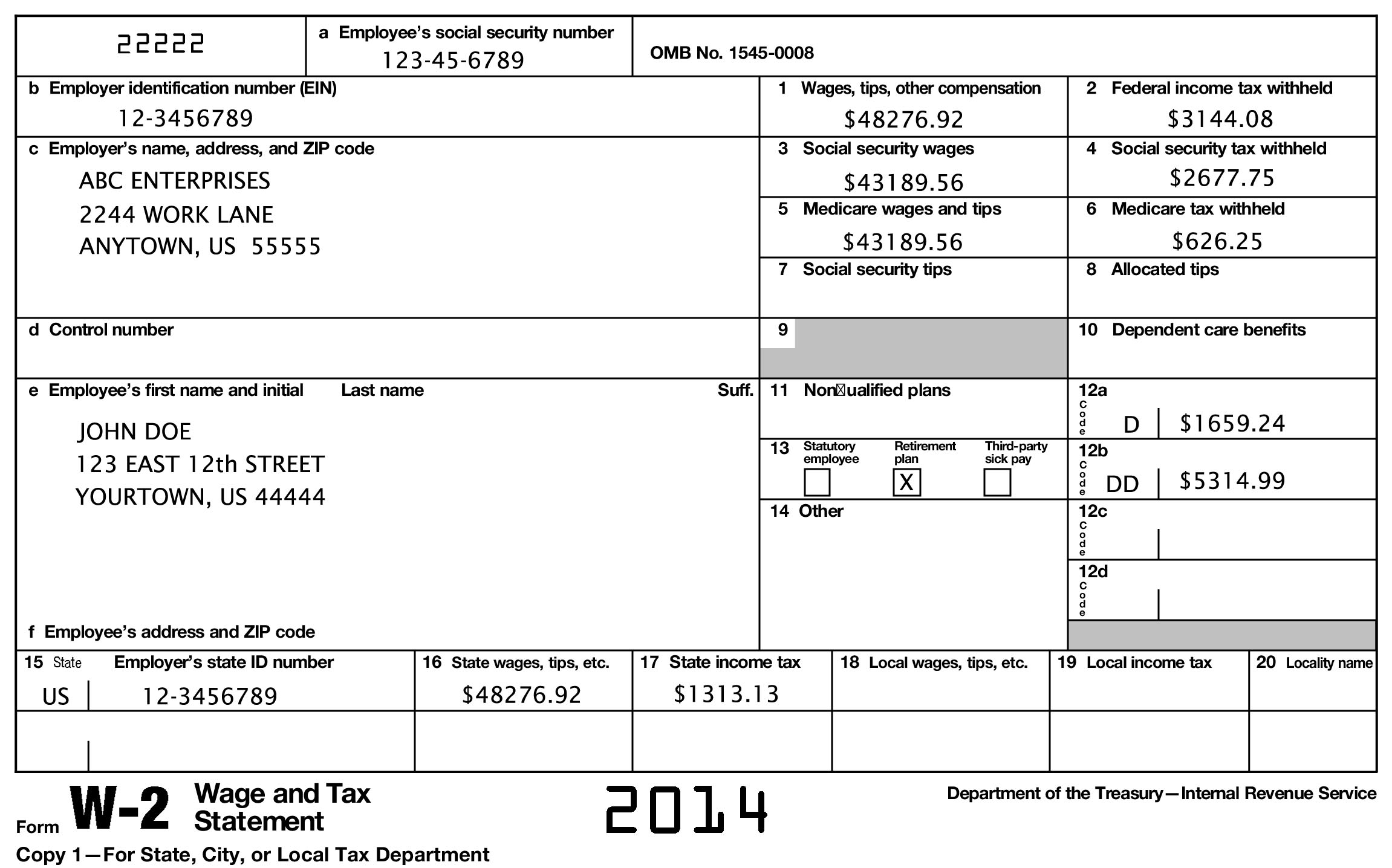
One of the most common—and frequently misunderstood—codes found in Box 12 is “DD.” If you see “12DD” on your W-2, it refers to the total cost of employer-sponsored health coverage you received during the tax year. Understanding what this number represents, why it is there, and how it impacts your personal finances is essential for navigating your tax obligations and assessing your total compensation package.
The Basics of Box 12 and the DD Designation
Box 12 on the W-2 form is a multi-purpose section used by the Internal Revenue Service (IRS) to track various types of compensation and benefits that aren’t necessarily part of your taxable base pay. Because the box is small, the IRS uses a system of one- or two-letter codes to identify the specific nature of the data being reported.
What Does Code DD Represent?
Code DD specifically identifies the cost of health insurance coverage provided by your employer. This figure includes both the portion of the premium paid by the employer and the portion paid by you, the employee. It is a comprehensive look at the “price tag” of your health insurance plan for the duration of the calendar year.
It is important to note that this reporting requirement applies to most employer-sponsored group health plans, including Major Medical, PPO, HMO, and even some high-deductible health plans (HDHPs). Whether you have an individual plan or a family plan, the total combined cost will be consolidated under this single code.
Is This Amount Taxable Income?
The most pressing question for most taxpayers is: “Do I have to pay taxes on the amount shown next to Code DD?” The answer is a definitive no.
The inclusion of Code DD on your W-2 is strictly for informational purposes. It does not increase your taxable income, it does not change your Adjusted Gross Income (AGI), and it does not affect the amount of tax you owe or the refund you are due. The Affordable Care Act (ACA) mandated this reporting to provide employees with greater transparency regarding the cost of their healthcare benefits, but it did not change the tax-exempt status of those benefits.
Where to Find it on Your W-2
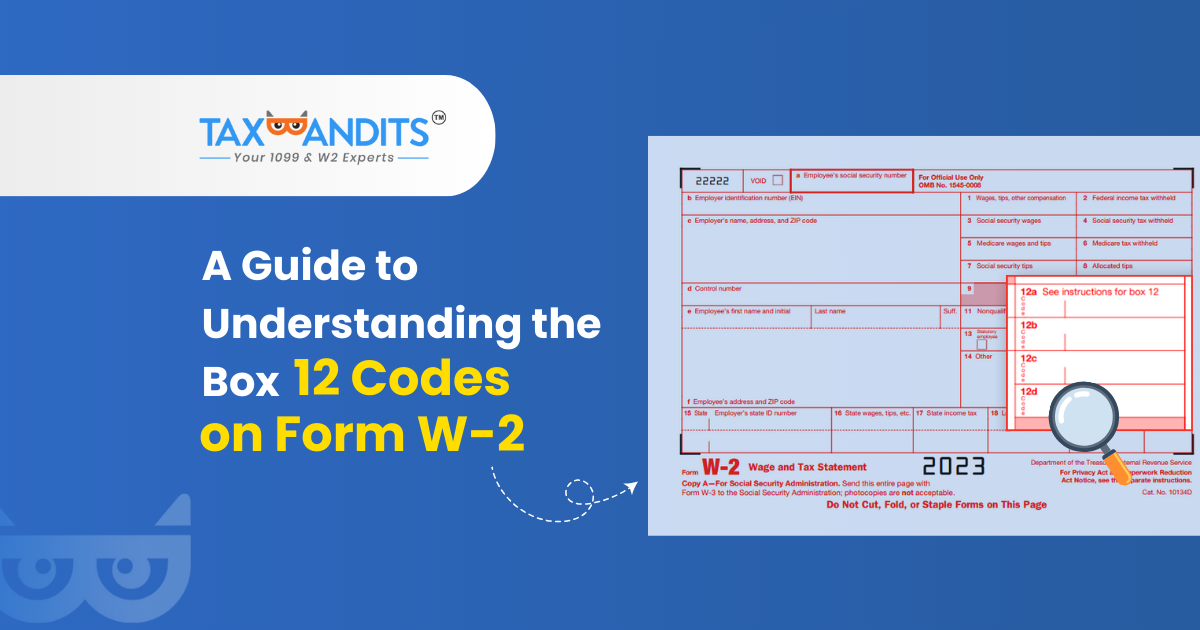
When you look at your W-2, Box 12 consists of four separate sections (12a, 12b, 12c, and 12d). Code DD will appear in one of these sections followed by a dollar amount. For example, it might look like “DD 14500.00.” This indicates that the total cost of your health coverage for the year was $14,500. Again, this is not money you “earned” in cash, nor is it a deduction; it is a statement of value.
The Role of the Affordable Care Act (ACA) and Federal Policy
The presence of Code DD is a direct result of the Patient Protection and Affordable Care Act of 2010. Before this legislation, most employees had very little idea how much their employers were contributing toward their health insurance premiums.
Why the IRS Requires This Information
The primary intent behind the 12DD reporting requirement is data collection and transparency. By requiring employers to report these costs, the federal government can better track the national trends in healthcare spending. Furthermore, this data helps the IRS ensure that individuals are complying with the individual mandate (when applicable) and that employers are meeting their obligations to provide affordable coverage.
From a policy perspective, having this data on the W-2 allows the government to analyze the “hidden” economy of fringe benefits. Healthcare is one of the largest expenditures for both corporations and American families; placing the cost directly on the W-2 ensures that the scale of this investment is visible to all parties involved.
Transparency in Healthcare Costs
For the average worker, Code DD provides a reality check on the true cost of living. Often, employees only see the deduction taken from their paycheck every two weeks—perhaps $100 or $200. However, the employer might be paying an additional $800 per month. By seeing the total sum in Box 12, the employee gains a clearer understanding of their “Total Rewards” package.
This transparency is vital when comparing job offers. A job offering a $70,000 salary with a $15,000 health benefit (as shown by a future DD code) may be more financially advantageous than a job offering $75,000 with a $5,000 health benefit.
What is Included (and Excluded) in the 12DD Calculation?
The number reported under Code DD isn’t a random figure; it follows strict IRS guidelines regarding what constitutes “employer-sponsored coverage.” Understanding what goes into this calculation can help you reconcile the number with your own records.
Included Costs: Employer and Employee Contributions
The figure represents the “aggregate cost” of your medical coverage. This includes:
- The Employer’s Share: The portion of the premium your company pays to the insurance carrier on your behalf.
- The Employee’s Share: The portion of the premium deducted from your paycheck, regardless of whether it was deducted pre-tax or post-tax.
- COBRA Equivalents: If you are a COBRA recipient, the amount reported would be the premium charged for that coverage.
Excluded Items: HSAs, Dental, and Vision
Not every “health-related” benefit is included in the Code DD total. It is crucial to distinguish between major medical insurance and ancillary benefits. Generally, the following are not included in the 12DD amount:
- Health Savings Account (HSA) Contributions: Employer contributions to an HSA are reported under Code W, not Code DD.
- Stand-alone Dental and Vision: If your dental and vision plans are separate from your medical plan, they are typically excluded from the DD calculation.
- Flexible Spending Accounts (FSA): Contributions made to a healthcare FSA through salary reductions are generally not included.
- Long-term Care: Premiums for long-term care insurance are excluded.
- Life Insurance: Any taxable or non-taxable life insurance benefits are reported elsewhere (often Code C).
By isolating major medical costs, the 12DD code provides a specific metric for the primary health insurance benefit provided to the American workforce.
Impact on Your Personal Finances and Taxes
While we have established that Code DD is non-taxable, it still plays a role in your broader financial picture. It is a data point that should be used for budgeting, insurance evaluation, and long-term career planning.
Does Code DD Affect Your Tax Refund?
A common fear is that a high number in Box 12 Code DD will lead to a smaller tax refund or a higher tax bill. To reiterate: Code DD has zero impact on your tax liability. If your W-2 shows $20,000 under Code DD, your taxable income in Box 1 remains exactly the same as if the box were empty. You are not being taxed on the “value” of the insurance.
However, it is a useful tool for tax preparation software. Most programs (like TurboTax or H&R Block) will ask you to input everything from your W-2 exactly as it appears. Entering the DD code simply allows the software to confirm that you had “Minimum Essential Coverage” as defined by the ACA, which may prevent you from being flagged for health-coverage-related inquiries.
Using This Data for Financial Planning
From a personal finance perspective, Code DD is a “valuation” tool. It allows you to calculate your true “effective income.” If you earn a $100,000 salary and your W-2 shows $20,000 in Code DD, your employer is effectively investing $120,000 into your professional retention.
When planning for retirement or considering a move to a “side hustle” or freelance work, the 12DD figure is the number you need to replace. Many people leave corporate jobs to start a business only to be shocked that a “comparable” private health insurance plan costs exactly what was listed in their Box 12DD. Knowing this number ahead of time allows for much more accurate financial forecasting.
Common Misconceptions and Compliance for Business Owners
Because tax forms are complex, myths often circulate about what certain codes signify. It is important to separate fact from fiction, especially regarding future tax implications and employer responsibilities.
Misconception: The “Cadillac Tax” Myth
For several years, there was significant discussion regarding the “Cadillac Tax”—a proposed excise tax on high-cost employer-sponsored health plans. Many taxpayers feared that Code DD was a way for the government to identify “expensive” plans and tax the employees who held them.
However, the “Cadillac Tax” was repeatedly delayed and was ultimately repealed by Congress in late 2019. Consequently, there is currently no federal “penalty” for having a high dollar amount in Box 12 Code DD. Whether your coverage costs $5,000 or $30,000, it remains a tax-free benefit to you.
Employer Reporting Requirements
From a business finance perspective, reporting Code DD is mandatory for employers who file 250 or more W-2 forms in a calendar year. For smaller employers, the reporting is currently optional, though many choose to do it anyway to maintain consistency and provide transparency to their staff.
For business owners and HR professionals, accuracy in reporting 12DD is vital. Errors in Box 12 do not necessarily trigger immediate tax penalties for the employee, but they can lead to administrative headaches and the need to issue W-2c (corrected) forms, which can complicate corporate tax filings and employee relations.
Conclusion: Knowledge is Financial Power
While Box 12 Code DD might seem like just another confusing string of characters on a government form, it represents a significant portion of your total compensation. In the modern economy, where healthcare costs continue to outpace inflation, the value of employer-sponsored coverage is a cornerstone of personal financial stability.
By understanding that 12DD is an informational tool rather than a tax burden, you can approach tax season with greater confidence. Use this number not as a source of stress, but as a metric to value your current employment, plan for future career transitions, and appreciate the full scope of the financial support provided by your benefits package. Whether you are an employee looking to understand your “true” pay or a business owner ensuring compliance, the DD code remains a vital piece of the American financial puzzle.
aViewFromTheCave is a participant in the Amazon Services LLC Associates Program, an affiliate advertising program designed to provide a means for sites to earn advertising fees by advertising and linking to Amazon.com. Amazon, the Amazon logo, AmazonSupply, and the AmazonSupply logo are trademarks of Amazon.com, Inc. or its affiliates. As an Amazon Associate we earn affiliate commissions from qualifying purchases.