
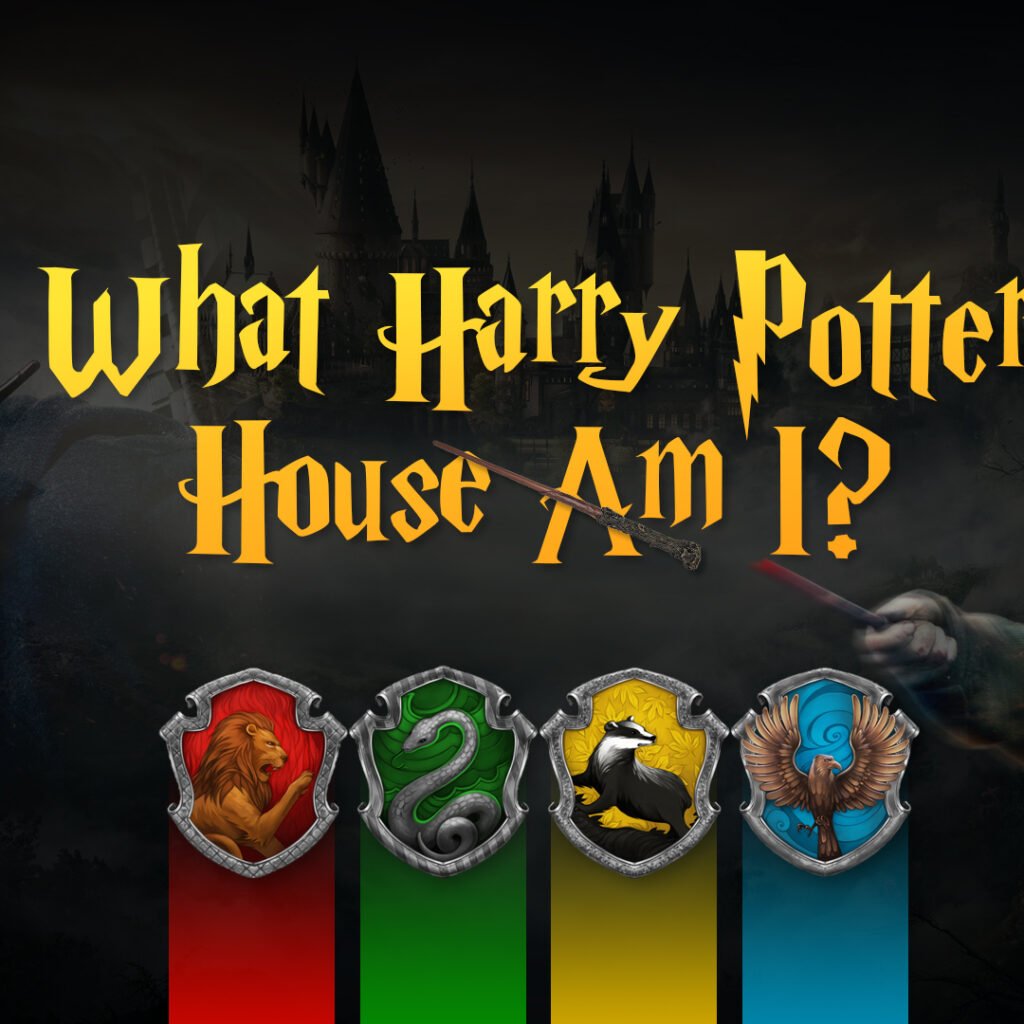
In the landscape of modern marketing, few intellectual properties have achieved the level of psychological integration seen in the Harry Potter franchise. At the heart of this global phenomenon lies a simple yet profound question: “What Harry Potter house are you in?” While fans view this as a fun personality quiz, brand strategists recognize it as a masterclass in brand architecture, consumer segmentation, and tribal marketing.
The Wizarding World did not just create a story; it created a framework for identity. By categorizing its audience into four distinct archetypes—Gryffindor, Slytherin, Ravenclaw, and Hufflepuff—the brand moved beyond passive consumption and into the realm of active self-expression. This article explores how the House system functions as a blueprint for high-level brand strategy and how businesses can leverage these principles to build enduring loyalty.

The Power of Segmentation: Why Every Brand Needs a “Sorting Hat”
Effective branding is rarely about appealing to everyone at once; it is about making individuals feel seen and understood within a specific context. The Harry Potter House system is, in essence, a sophisticated tool for market segmentation. By offering four distinct paths, the brand allows consumers to choose the “flavor” of the experience that best aligns with their own values.
The Psychology of Belonging in Modern Marketing
Human beings possess an innate psychological drive to belong to a group while simultaneously seeking a sense of individual identity. This is known as “Optimal Distinctiveness Theory.” The House system satisfies both needs. When a consumer identifies as a “Ravenclaw,” they are signaling their membership in a global community of intellectuals (belonging) while distinguishing themselves from those who value raw ambition or physical bravery (individuality).
For brands, the lesson is clear: provide your audience with the tools to categorize themselves. When a brand offers “tiers,” “communities,” or “personality-led paths,” it reduces the friction of the purchasing decision. The consumer is no longer asking, “Is this product good?” but rather, “Does this product represent who I am?”
Creating Archetypes that Resonate
The four houses are built on timeless archetypes: the Hero (Gryffindor), the Sage (Ravenclaw), the Ruler (Slytherin), and the Everyman (Hufflepuff). These are not just fictional categories; they are the pillars of brand positioning.
- Gryffindor represents the “Challenger” brand (think Nike or Red Bull).
- Ravenclaw mirrors the “Expert” brand (think Apple or TED).
- Slytherin aligns with “Elite/Prestige” brands (think Rolex or Porsche).
- Hufflepuff embodies the “Community/Service” brand (think Patagonia or Etsy).
By aligning your brand strategy with these deep-seated archetypes, you tap into a pre-existing emotional vocabulary that resonates with consumers on a subconscious level.
Personal Branding and the “House” Effect
In the digital age, the “Which House are you?” question has migrated from fan forums to LinkedIn profiles and professional bios. This shift illustrates the power of narrative-driven personal branding. Professional identity is no longer just a list of skills; it is a story of values.
Defining Your Professional Values through Narrative
When a professional identifies with a specific House, they are using a shorthand to communicate their work ethic and leadership style. A “Slytherin” professional might emphasize strategic networking and results-oriented ambition, while a “Hufflepuff” might focus on culture-building and collaborative reliability.
In personal branding, adopting a “House-style” clarity helps in niche positioning. By leaning into specific traits—be it the analytical rigor of a Ravenclaw or the bold risk-taking of a Gryffindor—professionals can attract the right opportunities and repel those that do not align with their core strengths. This “sorting” process is essential for building a personal brand that feels authentic and sustainable.
Consistency vs. Evolution in Personal Identity
One of the most remarkable aspects of the House brand is its permanence. Fans rarely change their House; they grow into it. This highlights a critical rule in personal branding: consistency is the bedrock of trust. However, as the Wizarding World brand has matured, it has allowed for “nuanced” identities (the “Slytherdor” or “Ravenpuff”).
In a professional context, this teaches us that while our core brand values should remain stable, our “secondary traits” can evolve. A leader may start as a bold visionary (Gryffindor) but must eventually develop the systems-thinking and wisdom (Ravenclaw) necessary to scale a business.

Case Study: The Wizarding World’s Multi-Generational Brand Loyalty
The longevity of the Harry Potter brand is not an accident. It is the result of a deliberate strategy to transform a literary work into a lifestyle ecosystem. The House system is the engine that drives this ecosystem, ensuring that the brand remains relevant across different life stages.
From Book Series to Lifestyle Ecosystem
The “Sorting” experience is the primary entry point into the brand’s digital and physical manifestations. From the “Wizarding World” app to the immersive experiences at Universal Studios, the House identity is the common thread. This is a classic example of “Brand Extension.”
By selling House-specific merchandise—scarves, journals, home decor—the brand moves out of the “toy” category and into “lifestyle.” A 30-year-old lawyer might not buy a plastic wand, but they will buy a high-quality leather briefcase with a subtle Ravenclaw crest. This demonstrates how a well-structured brand can follow its audience as they move from childhood to high-earning adulthood.
Leveraging Nostalgia for Long-Term Brand Equity
The House system acts as a “memory anchor.” Because the identity is formed during formative years, it carries immense emotional weight. For brands looking to build long-term equity, the goal should be to create “identity-defining” moments. When a customer feels that a brand helped them understand themselves better, that customer becomes a brand advocate for life. This is the difference between a transactional brand and a legacy brand.
Implementing “House-Style” Strategies in Corporate Identity
Businesses can apply the logic of the Sorting Hat to their internal and external corporate strategies to foster engagement and clarity.
Developing Internal Culture through Sub-Groups
Large corporations often struggle with a lack of employee engagement because the “corporate brand” feels too large and impersonal. By creating internal “Houses” or “Squads” based on values or functional goals, companies can foster a sense of healthy competition and micro-community.
This internal branding strategy encourages employees to take pride in their specific team’s identity (the “Innovators,” the “Fixers,” the “Connectors”), mirroring the House system’s ability to make a large institution feel like a home.
Gamification and Consumer Engagement
The Sorting Hat is the ultimate gamification tool. It asks for input (a quiz), provides a result (the House), and offers a reward (status and community). Brands can replicate this by using interactive content to “sort” their customers into specific journeys.
For instance, a skincare brand shouldn’t just sell products; it should “sort” customers into “The Minimalist,” “The Scientist,” or “The Glow-Seeker” paths. This personalized approach increases conversion rates because the consumer feels the recommendation is tailor-made for their “identity” rather than just their skin type.
The Future of Identity-Based Branding
As we move further into an era of AI-driven personalization, the broad categories of the past are becoming obsolete. However, the fundamental need for identity remains.
Moving Beyond Basic Demographics
Traditional marketing relies on demographics: age, location, income. Identity-based branding, like the House system, relies on psychographics: values, fears, and aspirations. The future of brand strategy lies in the ability to predict which “House” a customer belongs to based on their behavior and then delivering a brand experience that reinforces that identity.
The Ethical Responsibility of Tribal Marketing
While tribal branding is powerful, it carries the risk of creating “us vs. them” mentalities. The Harry Potter brand has faced challenges in this area, particularly regarding the historical “villainization” of Slytherin. Modern brands must be careful to ensure that their “Sorting” doesn’t lead to exclusion or negative stereotyping. The most successful modern brand architectures focus on “complementary differences”—highlighting how each group contributes to a greater whole.
In conclusion, the question “What Harry Potter house are you in?” is far more than a pop-culture trope. It is a testament to the power of identity-centric branding. By creating a system that allows for segmentation, provides a framework for personal branding, and fosters deep community loyalty, the Wizarding World has provided a masterclass in how to build a brand that is not just consumed, but lived. Whether you are building a personal brand or a global corporation, the lesson is the same: give your audience a place to belong, and they will carry your banner forever.
aViewFromTheCave is a participant in the Amazon Services LLC Associates Program, an affiliate advertising program designed to provide a means for sites to earn advertising fees by advertising and linking to Amazon.com. Amazon, the Amazon logo, AmazonSupply, and the AmazonSupply logo are trademarks of Amazon.com, Inc. or its affiliates. As an Amazon Associate we earn affiliate commissions from qualifying purchases.