
In an increasingly digital world, where much of our communication happens through text, the subtle nuances of human interaction can often get lost. A simple sentence can be misinterpreted, tone can be ambiguous, and emotions can fail to translate. Enter emojis – those small, colourful pictograms that have revolutionised how we express ourselves online. Far from being mere digital adornments, emojis have become an integral part of our digital lexicon, adding emotion, clarity, and personality to messages across personal and professional spheres. For anyone looking to enrich their online conversations, understanding “how to install emoji on keyboard” isn’t just a technical skill; it’s a step towards more effective, engaging, and human digital interaction.
This guide will walk you through the process of activating and utilising emojis across various platforms, from the built-in solutions on major operating systems to the advanced features offered by third-party keyboards. We’ll explore how these tiny icons are more than just fun, linking their utility to modern tech trends, personal branding, and even aspects of productivity that subtly influence our digital “money” making and saving habits through clearer communication.
Understanding Emoji Integration Across Platforms
Before diving into specific installation steps, it’s crucial to understand that “installing” emojis isn’t always about downloading a separate package. In most modern operating systems, emoji support is deeply integrated, meaning they are already “installed” as part of your system’s fonts and input methods. The challenge, then, often lies in knowing how to access or activate them. This seamless integration is a testament to the rapid evolution of digital communication technology, where user experience and expressive capabilities are increasingly prioritised.
Native Emoji Support: The Default Experience
For the vast majority of users today, emojis are a built-in feature of their device’s operating system. Whether you’re using a smartphone running iOS or Android, or a desktop computer with Windows or macOS, your device comes pre-loaded with a comprehensive set of emojis. This native support means you don’t typically need to download anything new; you just need to learn the keyboard shortcuts or interface gestures to bring up the emoji panel.
This ubiquitous support stems from the Unicode Standard, which is an international character encoding standard that provides a unique number for every character, no matter what platform, program, or language. Emojis are treated just like any other character – a letter, number, or symbol – ensuring they display consistently across different devices and applications. Each time your operating system receives an update, it often includes new emoji characters approved by the Unicode Consortium, expanding your expressive toolkit without any effort on your part. This continuous evolution in emoji sets reflects broader tech trends and our ever-growing need for diverse forms of digital expression. For businesses, keeping up with these trends can even become a minor aspect of brand relevance, showing an understanding of contemporary communication styles.
When “Installation” is Needed: Third-Party Keyboards and Legacy Systems
While native support covers most bases, there are specific scenarios where you might genuinely need to “install” something, or at least opt for a solution beyond the default. These usually fall into two categories: enhancing your experience with a third-party keyboard application or addressing limitations on older, less-updated systems.
Third-party keyboards, such as Gboard (Google Keyboard) or SwiftKey, are powerful applications that replace your device’s default input method. They offer a wealth of features beyond standard emoji input, including advanced predictive text, gesture typing, theme customisation, GIF integration, and often a more intuitive emoji search function. For users who value productivity and a highly personalised typing experience, “installing” one of these keyboards is a worthwhile investment of time. These apps represent a significant segment of the mobile app economy, offering premium features and sometimes influencing how users manage their digital lives, subtly touching upon the “Money” aspect through improved efficiency.
Additionally, users on very old operating system versions might find that their native emoji support is limited or non-existent, lacking newer emoji sets or even the ability to display them correctly. In such niche cases, finding a compatibility pack or a specific application might be necessary, though this is becoming increasingly rare as most devices are capable of running modern OS versions. Even within specific applications, like some older desktop chat clients, you might encounter situations where the app has its own proprietary emoji system that needs to be enabled or downloaded. These situations highlight the dynamic nature of technology, where what’s cutting-edge one day becomes legacy the next.
Step-by-Step Guides for Popular Operating Systems
Now, let’s get down to the practicalities. Regardless of your device, accessing emojis is typically a straightforward process once you know the right trick. These step-by-step instructions will ensure you can bring a touch of personality to all your digital messages.
Accessing Emojis on Windows
Windows, particularly Windows 10 and 11, offers robust native emoji support that is easy to activate. No separate downloads or installations are required; it’s all built-in.
-
Using the Emoji Panel Shortcut: This is the quickest and most common method.
- Place your cursor in any text field where you want to insert an emoji (e.g., a document, chat window, email).
- Press the Windows key + . (period) or Windows key + ; (semicolon) simultaneously.
- A small emoji panel will pop up. You can browse through categories at the bottom (smileys, animals, food, etc.), use the search bar at the top (e.g., type “happy” to find ), or access your frequently used emojis.
- Click on the emoji you want to insert, and it will appear in your text field.
-
Using the Touch Keyboard: If you have a touchscreen device or prefer using a visual keyboard, this method is useful.
- Right-click on an empty space on your taskbar.
- Ensure “Show touch keyboard button” is checked. If it’s not, click it to enable the icon.
- Click the touch keyboard icon that appears on your taskbar (usually near the system tray).
- On the touch keyboard, you’ll see a smiley face ( ) icon, typically to the left of the spacebar. Tap it.
- The keyboard will switch to emoji mode, allowing you to browse and select emojis just like with the shortcut panel.
This seamless integration on Windows contributes to productivity, as users can quickly add expressive elements without interrupting their workflow. For professionals managing a personal brand online, effective emoji use in emails or social media can convey approachability and modernity.
Leveraging Emojis on macOS
Apple’s macOS operating system also boasts excellent native emoji support, accessible through a simple keyboard shortcut or its comprehensive Character Viewer.
-
Using the Emoji & Symbols Viewer Shortcut: This is the primary method for most Mac users.
- Place your cursor in any text field where you want to insert an emoji.
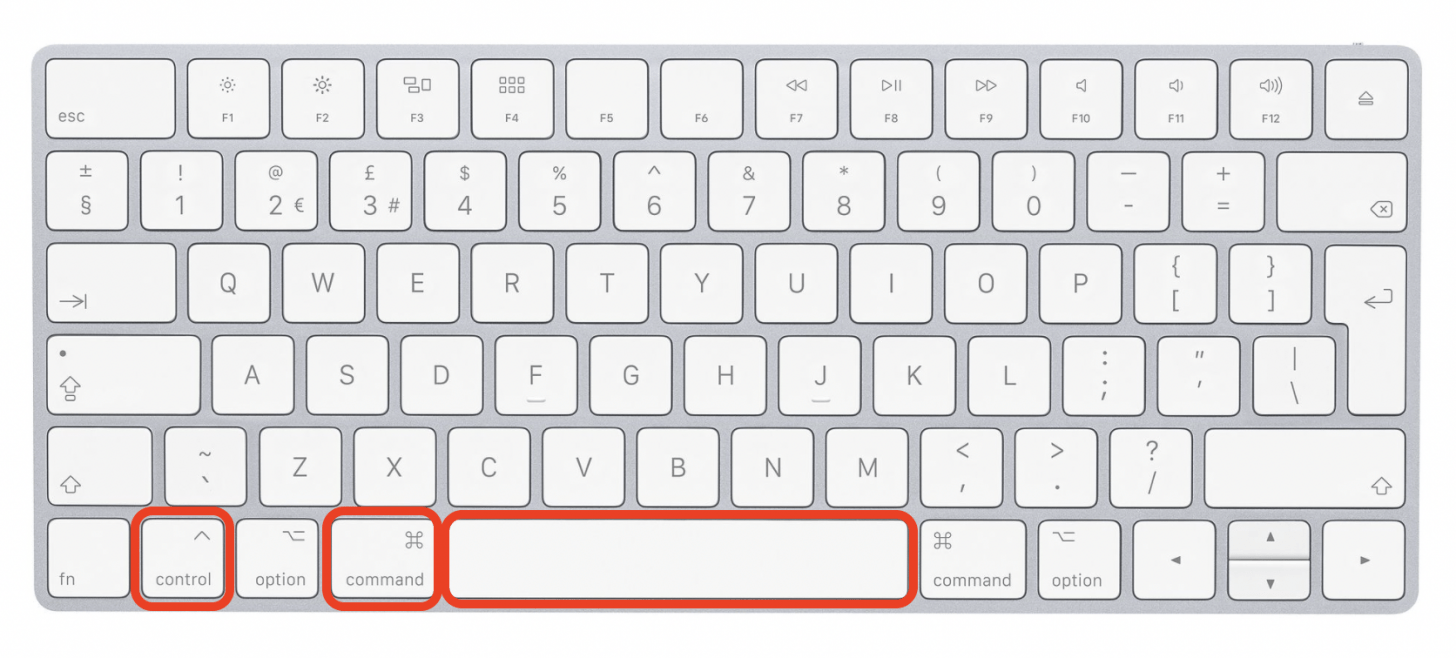
- Press Control + Command + Spacebar simultaneously.
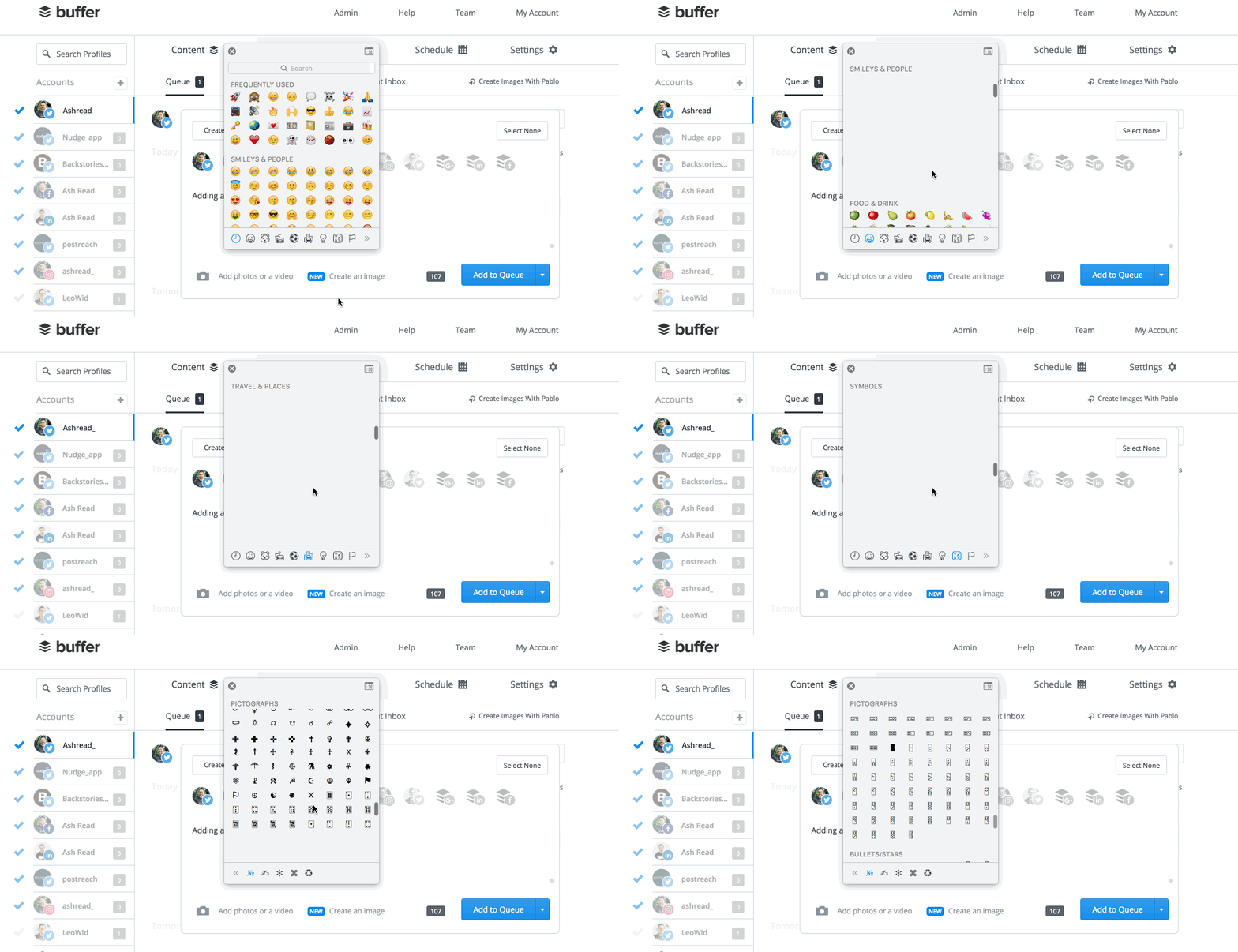
- A floating “Character Viewer” panel will appear. This panel not only includes emojis but also symbols, special characters, and even character variants.
- The bottom section of the panel is dedicated to emojis. You can scroll through them, use the category tabs at the bottom, or use the search bar at the top (e.g., “star,” “heart”).
- Click on an emoji to insert it into your text. The viewer will automatically close, but you can reopen it with the same shortcut if you need more.
-
Adding to Menu Bar (Optional): For frequent users, you can add a Character Viewer icon to your menu bar.
- Go to System Settings (or System Preferences on older macOS versions).
- Navigate to Keyboard.
- Under “Input Sources,” ensure “Show Keyboard, Emoji & Symbol Viewers in menu bar” is checked.
- An icon (often a square with a symbol) will appear in your menu bar, providing quick access to the Character Viewer.
macOS’s approach is intuitive, aligning with Apple’s focus on user experience. For creatives and professionals who rely on visual communication, the integrated emoji viewer is a powerful tool to enhance brand messaging and digital content.
Mastering Emojis on Android Devices
Android’s emoji experience is largely dependent on the keyboard app you use, though most modern Android devices come with robust emoji support out of the box, typically through Google’s Gboard or a manufacturer-specific keyboard (like Samsung Keyboard).
-
Accessing Emojis on Gboard (Google Keyboard): Gboard is the default on many Android phones and a popular choice for its feature set.
- Open any app where you can type (e.g., messaging app, email).
- Bring up the Gboard keyboard.
- Look for the smiley face ( ) icon or the globe/language ( ) icon, usually located to the left of the spacebar.
- Tap and hold the smiley face icon or simply tap the globe icon repeatedly until the emoji keyboard appears.
- You can then browse emojis by category at the bottom, access frequently used ones, or use the search function (tap the magnifying glass icon).
- Tap on an emoji to insert it.
-
Accessing Emojis on Samsung Keyboard: If you have a Samsung device, this is your default.
- Open any app where you can type.
- Bring up the Samsung Keyboard.
- Look for the smiley face ( ) icon, usually to the left of the spacebar.
- Tap it to switch to the emoji keyboard.
- Browse categories, use frequently used, or search.
-
If You Don’t See an Emoji Icon:
- Go to your device’s Settings > System > Languages & input > On-screen keyboard (or Virtual keyboard).
- Select your current keyboard (e.g., Gboard, Samsung Keyboard).
- Look for an option related to “Emoji keyboard” or “Emoji input” and ensure it’s enabled. If not, you might need to check “Languages” settings to add an “Emoji” language, though this is less common with modern keyboards.

Android’s flexibility means you have a choice of keyboards, allowing users to tailor their input experience to their specific needs. This choice can significantly impact daily productivity and how effortlessly one maintains their digital presence.
Using Emojis on iOS (iPhone & iPad)
Apple’s mobile ecosystem, iOS, provides a seamless and intuitive emoji experience that is typically already enabled.
-
Adding the Emoji Keyboard (if not already enabled): While usually pre-activated, if you don’t see the emoji icon:
- Go to Settings > General > Keyboard > Keyboards.
- Tap “Add New Keyboard…”
- Scroll down and select “Emoji.” This adds the dedicated emoji keyboard to your list of available keyboards.
-
Switching to the Emoji Keyboard:
- Open any app where you can type.
- Bring up the keyboard.
- Tap the globe icon ( ), usually found to the left of the spacebar. Each tap will cycle through your installed keyboards (e.g., English, then Emoji, then any other language keyboards).
- Once the emoji keyboard is active, you can browse through categories at the bottom, access your “Frequently Used” emojis, or use the search bar (iOS 14 and later) to quickly find the emoji you need.
- Tap on an emoji to insert it into your text.
iOS’s clean integration and features like emoji search demonstrate Apple’s commitment to user-friendly design. For those building a personal brand, consistent and effective emoji use on iOS can enhance messaging across social media and professional communications.
Enhancing Your Emoji Experience with Third-Party Keyboards and Tools
While native emoji support is excellent for most, the tech landscape offers a rich ecosystem of third-party keyboard apps and tools that can elevate your emoji game significantly. These applications often go beyond basic emoji input, providing features that enhance productivity, personalization, and overall digital expression. For users focused on optimising their digital tools, exploring these options can be a smart move, often providing significant returns on the small “investment” of time to set them up.
Exploring Popular Third-Party Keyboard Apps
Third-party keyboards are powerful replacements for your device’s default input method, offering a wealth of advanced features. Their “installation” typically involves downloading them from your device’s app store and then activating them in your system settings.
-
Gboard (Google Keyboard): A powerhouse of features, Gboard is a top choice for Android users and available on iOS.
- Emoji Search: One of its standout features. Instead of scrolling, you can simply type keywords like “happy” or “pizza,” and Gboard will suggest relevant emojis. This dramatically speeds up emoji selection, boosting productivity.
- Emoji Kitchen: A unique Gboard feature (primarily on Android) that allows you to combine two emojis to create a new, custom sticker-like emoji. For example, combine and to get a ghost bear! This offers unparalleled customisation for personal branding and creative expression.
- GIFs & Stickers: Integrated search and selection for GIFs and various sticker packs, extending your expressive range beyond static emojis.
- Multilingual Typing: Seamlessly switch between languages or type in multiple languages simultaneously without changing keyboards.
-
SwiftKey: Owned by Microsoft, SwiftKey is renowned for its highly accurate predictive text and customisation options. Available on both Android and iOS.
- Predictive Emoji: SwiftKey learns your emoji habits and suggests relevant emojis based on your typing patterns and context, often appearing right next to predicted words. This can be a huge time-saver.
- Themes and Customisation: A vast library of themes allows you to personalise the look and feel of your keyboard, aligning with your personal brand aesthetics.
- Flow (Gesture Typing): Type by sliding your finger across letters without lifting it, which can be faster for some users.
- Clipboard: Advanced clipboard features that store multiple copied items, including text and images, further enhancing productivity.
-
Other Notable Keyboards: While Gboard and SwiftKey dominate, other keyboards like Fleksy (known for its customisation and extensions) or specialized keyboards like Grammarly (focusing on writing assistance, often with emoji support) also exist. When choosing a third-party keyboard, it’s wise to consider privacy implications; always check the app’s permissions and privacy policy, as they handle all your input. This is a critical aspect of “Digital Security” within the “Tech” realm.
Advanced Emoji Features and Customization
Beyond simply typing emojis, modern input methods and applications offer functionalities that enhance how you discover, use, and even create expressive content.
- Smart Emoji Search: As mentioned with Gboard and SwiftKey, the ability to search for emojis by keyword is a game-changer. It’s far more efficient than endlessly scrolling through categories, directly contributing to productivity.
- Contextual Suggestions: Many smart keyboards will suggest emojis as you type. For instance, if you type “happy birthday,” a or emoji might pop up in the suggestion bar. This makes communication more fluid and natural.
- Custom Stickers and Packs: Beyond standard emojis, many messaging apps like WhatsApp, Telegram, and Signal allow users to create or download custom sticker packs. These can range from character-based stickers to animated GIFs, offering a richer and more personal form of expression. For brands, creating custom sticker packs can be a unique marketing strategy, reinforcing corporate identity and engaging audiences in a fun way.
- Emoji History and Favorites: Most emoji keyboards keep track of your frequently used emojis, making them easily accessible. Some even allow you to mark “favorites” for quick retrieval.
- Emoji Combinations and Composers: Tools like Gboard’s Emoji Kitchen demonstrate a move towards dynamic emoji creation. There are also third-party apps or websites that let you combine multiple emojis into a single image, pushing the boundaries of emoji expression.
By leveraging these advanced features, users can move beyond basic emoji insertion to curate a more dynamic, efficient, and personally branded digital communication style. This investment in understanding and utilizing advanced tech tools pays dividends in how effectively one communicates across all digital platforms.
The Broader Impact and Etiquette of Emoji Use
Installing emojis on your keyboard is just the first step. Understanding their broader impact and how to use them effectively and appropriately is key to mastering digital communication. Emojis are not just frivolous additions; they are powerful communication tools that have changed the landscape of online interaction, impacting everything from casual chats to corporate communications and personal branding.
Emojis as a Communication Tool: Bridging Gaps and Expressing Emotion
In text-based communication, the absence of non-verbal cues like tone of voice, facial expressions, and body language can lead to misunderstandings. Emojis brilliantly fill this void. A simple smiley face can turn a potentially blunt statement into a friendly one, while an angry face can clearly convey frustration.
- Adding Nuance: Emojis can clarify intent, soften remarks, or add emphasis where words alone might fall flat. They help convey sarcasm, humour, or sincerity more effectively.
- Expressing Emotion: They provide a quick, universal way to show feelings – happiness, sadness, surprise, anger – without having to type out long descriptions. This emotional shorthand is especially valuable in fast-paced digital conversations.
- Building Connection: Using emojis can make conversations feel more personal and engaging, fostering rapport and making digital interactions feel more human. For individuals focused on personal branding, a consistent and appropriate emoji style can become part of their recognizable online persona.
- Overcoming Language Barriers: While not a substitute for translation, some emojis are globally understood, offering a visual common ground in cross-cultural communication.
The evolution of emojis, meticulously managed by the Unicode Consortium, reflects societal changes and the growing demand for inclusive and diverse representation. Every new set of emojis, from different skin tones to gender-inclusive options and various professions, speaks to technology’s role in mirroring and shaping our social dialogue.
Best Practices and Common Pitfalls
While emojis are incredibly useful, their power lies in their appropriate and thoughtful application. Misuse can lead to confusion, unprofessionalism, or even offense.
- Context is King: The golden rule of emoji use. An emoji perfectly acceptable in a casual chat with friends might be highly inappropriate in a formal business email. Always consider your audience, the communication platform, and the seriousness of the message. For corporate identity and brand strategy, understanding when and where to deploy emojis in official communications is crucial.
- Avoid Over-Use: A single, well-placed emoji can be effective; a string of five often looks cluttered and unprofessional. Too many emojis can dilute your message and make you appear immature or overly enthusiastic. Less is often more.
- Beware of Misinterpretation: Emojis can have different meanings across cultures, age groups, or even just between individuals. What one person perceives as playful, another might see as passive-aggressive. Be mindful of potential ambiguity, especially in sensitive conversations. Platform variations (how an emoji looks on iOS vs. Android) can also subtly alter perception.
- Consider Accessibility: For users relying on screen readers, a string of emojis can be disruptive. A screen reader will read out the text description of each emoji, turning a quick glance for a sighted person into a laborious auditory experience. Use emojis sparingly in professional documents or public-facing content where accessibility is paramount.
- Professional vs. Casual: While emojis are increasingly accepted in professional communication, especially in internal team chats or social media marketing, exercise caution. In formal emails or client-facing documents, it’s often safer to stick to plain text or use emojis very sparingly to convey warmth or enthusiasm (e.g., a simple or in a positive closing). For personal branding, using emojis strategically can convey approachability without undermining credibility.
- Stay Updated: Be aware of new emojis and their generally accepted meanings. Slang and informal uses of emojis evolve quickly. For businesses, staying current with emoji trends can be part of a dynamic marketing strategy that resonates with target audiences, affecting campaign ROI.
Conclusion
Installing emojis on your keyboard is, for most, not a complex technical feat but rather a simple act of knowing how to activate and access a pre-existing feature on your device. Whether you’re using the native capabilities of Windows, macOS, Android, or iOS, or opting for the enhanced features of a third-party keyboard like Gboard or SwiftKey, the pathway to more expressive digital communication is readily available.
Beyond the “how-to,” understanding the broader impact and etiquette of emoji use is paramount. Emojis are powerful tools that bridge the gap of non-verbal cues in text, adding emotion, nuance, and personality to our messages. They are an essential part of modern tech trends, influencing everything from personal branding and corporate identity to daily productivity and, by extension, our digital economy. By mastering the art of emoji integration and application, you’re not just installing a feature; you’re unlocking a more engaging, efficient, and authentically human way to connect in the digital age. So go ahead, express yourself – your keyboard is ready.
aViewFromTheCave is a participant in the Amazon Services LLC Associates Program, an affiliate advertising program designed to provide a means for sites to earn advertising fees by advertising and linking to Amazon.com. Amazon, the Amazon logo, AmazonSupply, and the AmazonSupply logo are trademarks of Amazon.com, Inc. or its affiliates. As an Amazon Associate we earn affiliate commissions from qualifying purchases.