
The HBO phenomenon The White Lotus captivated audiences not merely because of its biting social commentary or its “whodunit” mystery, but because it served as a meticulous case study in brand management and the psychology of high-end hospitality. To understand what happens in White Lotus Season 1 from a brand perspective is to understand the precarious balance between a brand’s promise and its operational reality.
In the world of luxury marketing, a brand is a promise of a specific emotional state. For the fictional White Lotus resort in Hawaii, that promise is one of total rejuvenation, exclusivity, and a seamless immersion into paradise. However, as the season unfolds, we witness a masterclass in brand erosion. This article explores the strategic branding elements at play within the show, analyzing how the resort’s identity is constructed, maintained, and ultimately fractured by the human element.

The Architecture of Brand Promise: Defining the White Lotus Identity
A brand is never just a logo; it is an ecosystem of expectations. In Season 1 of The White Lotus, the brand identity is established long before the guests step off the boat. The resort positions itself within the “Ultra-Luxe” category, a niche where the commodity being sold is not a room, but the feeling of being “seen” while remaining entirely insulated from the real world.
Visual Identity and Sensory Branding
The White Lotus brand relies heavily on sensory cues to reinforce its premium positioning. From the precise shade of tropical coral used in the decor to the specific rhythmic cadence of the “aloha” greetings, the resort utilizes sensory branding to trigger an immediate psychological shift in its guests. In marketing terms, this is known as “Atmospherics.” The visual consistency suggests stability and safety, signaling to high-net-worth individuals that they are in an environment designed exclusively for their comfort.
The Promise of Escape: Marketing the “Untouchable” Experience
The core value proposition of The White Lotus is the “Untouchable Experience.” For the Mossbachers, the Pattons, and Tanya McQuoid, the brand promise is the temporary suspension of their personal anxieties through a curated, frictionless environment. What happens throughout the season is the systematic failure of this friction-free promise. When a brand markets “perfection,” any minor deviation—a double-booked honeymoon suite, a misplaced piece of luggage—is not just an inconvenience; it is a fundamental breach of the brand contract.
Brand Fragility and the Human Element in Customer Experience (CX)
In the luxury sector, the brand is only as strong as its frontline employees. The White Lotus highlights the “Service-Profit Chain,” a theory suggesting that employee satisfaction drives loyalty, which in turn drives brand value. Season 1 serves as a cautionary tale of what happens when the “Internal Brand” (how employees perceive the company) is disconnected from the “External Brand” (how guests perceive it).
When the Frontline Fails: Armond as a Case Study in Operational Burnout
Armond, the resort manager, is the human embodiment of the White Lotus brand. His role is to be a “non-player character” in the lives of the guests—a facilitator who is seen but not heard. However, as the season progresses, his psychological unraveling represents the collapse of the brand’s operational integrity.
From a brand strategy perspective, Armond’s descent highlights the danger of “Performative Service.” When a brand requires employees to suppress their humanity to maintain a facade of perfection, it creates a volatile work environment. The brand becomes fragile because it relies on the perfect performance of exhausted individuals. When Armond stops “living the brand,” the guest experience immediately degrades, leading to the ultimate brand crisis: a loss of trust.
Managing High-Net-Worth Expectations
The guests in Season 1 represent different segments of the luxury market, each testing the brand’s resilience. Shane Patton represents the “Status Seeker,” for whom the brand is a tool for validation. For Shane, the White Lotus brand failed the moment he didn’t get the Pineapple Suite. This illustrates a critical branding lesson: in the luxury tier, the “Functional Benefit” (the room) often outweighs the “Emotional Benefit” (the vacation) if the guest feels their status has been undermined. The brand’s inability to manage his specific expectation caused a ripple effect that eventually led to the season’s tragic conclusion.

Social Stratification as a Brand Boundary
Every brand has a target audience, but luxury brands like The White Lotus must also manage their “Brand Boundaries”—the invisible lines that separate the “in-group” from the “out-group.” Season 1 explores how these boundaries are enforced and what happens when they are crossed.
The In-Group vs. Out-Group Dynamic
The White Lotus brand thrives on exclusivity. This exclusivity is maintained through high price points and a specific cultural language. The tension between the guests and the staff (and even between the “new money” and “old money” guests) highlights the brand’s role as a social signifier.
For a brand to maintain its prestige, it must curate its guest list. However, The White Lotus shows the dark side of this curation. By prioritizing the comfort of the “in-group” (the wealthy guests) at the total expense of the “out-group” (the local staff), the brand creates an unsustainable moral deficit. In the modern era of “Conscious Consumerism,” this type of brand behavior is increasingly risky, as it can lead to reputational damage if the “backstage” reality of the brand is exposed to the public.
Cultural Sensitivity and Brand Authenticity
One of the most significant brand failures depicted in Season 1 is the commodification of Hawaiian culture. The resort uses local traditions as “wallpaper”—aesthetic elements designed to provide an “authentic” feel without actually engaging with the local community.
In branding, “Authenticity” is a high-value currency. However, the White Lotus engages in “Cultural Extraction,” where the brand profits from a culture it does not support. The storyline involving Kai and the stolen jewelry is a literal manifestation of this extraction. For real-world brands, this serves as a warning: if your brand narrative is built on the heritage or culture of a specific group, your brand equity is tied to how ethically you engage with that group.
Crisis Management and Brand Longevity
What happens at the end of White Lotus Season 1 is the ultimate brand nightmare: a guest dies on-site due to a confrontation with the manager. In the world of corporate identity and crisis management, this is a “Level 5” event that should, theoretically, destroy the brand.
Recovering from the Ultimate Failure
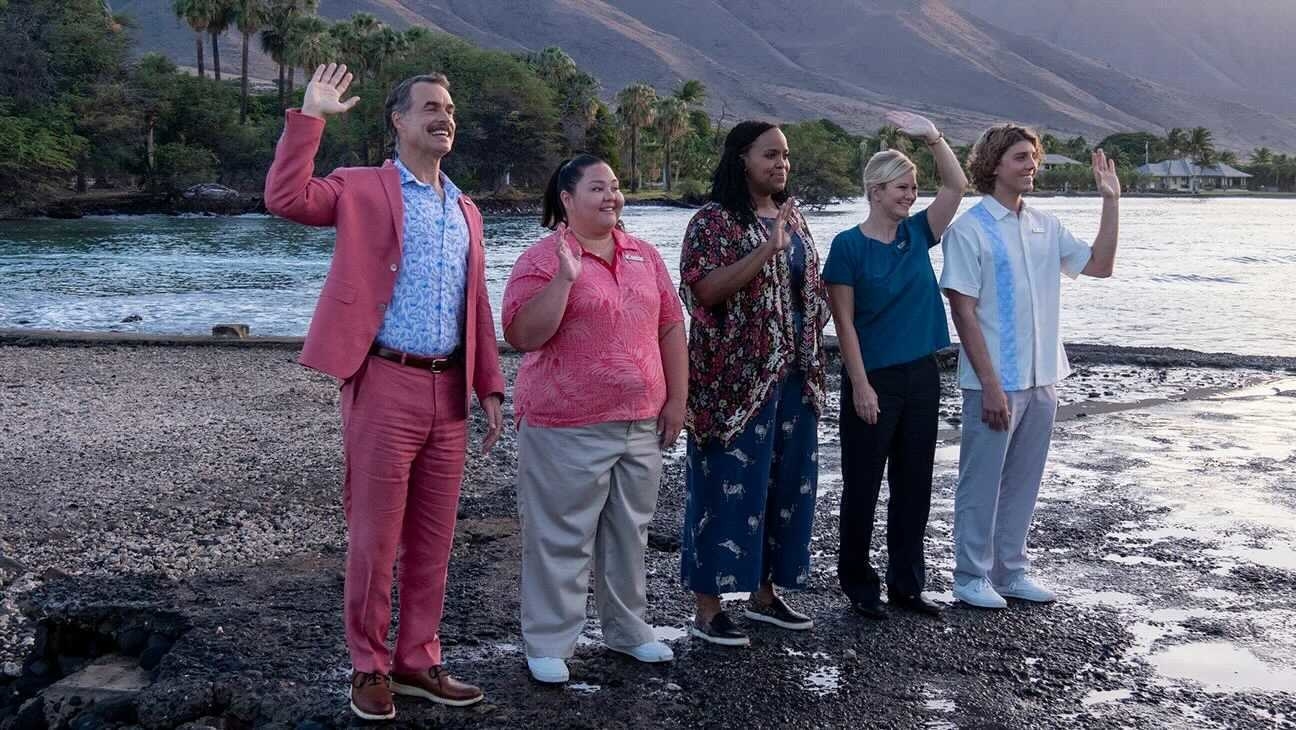
Despite the tragedy, the season ends with a new group of guests arriving at the resort, greeted by a fresh line of smiling staff. This reveals a cynical but profound truth about luxury branding: “Brand Momentum.”
The White Lotus brand is so well-entrenched in the minds of its consumers as a symbol of status and escape that it can absorb even the most horrific of crises. The brand is shielded by its own prestige. The wealthy will continue to flock to the resort because the idea of the White Lotus—the promise of the “Untouchable Experience”—is more powerful than the reality of the operational failures that occurred there.
Strategic Takeaways for Real-World Luxury Brands
For brand strategists, The White Lotus Season 1 offers several vital lessons:
- The Experience Gap: The distance between what you promise in your marketing and what you deliver on the ground is where brand loyalty dies.
- Internal Branding is Vital: Your staff are the primary touchpoints of your brand. If they do not believe in the brand or are mistreated by it, they will eventually become its greatest liability.
- Status is a Double-Edged Sword: While high-status branding allows for premium pricing, it also creates a customer base that is highly sensitive to perceived slights, requiring a much higher level of emotional intelligence in service delivery.
- Sustainability Includes People: Modern brand longevity requires a shift from “Extraction” to “Contribution.” Brands that fail to genuinely integrate with their local environments risk being seen as predatory, which is a long-term threat to brand equity.
In conclusion, “what happens” in White Lotus Season 1 is much more than a tropical vacation gone wrong. It is a meticulous deconstruction of a luxury brand’s lifecycle—from the polished promise of the brochure to the messy, human reality of service delivery, and finally, to the cold, corporate resilience that allows the brand to survive despite its own systemic failures. It reminds us that in the world of high-end branding, the image is often more durable than the truth.
aViewFromTheCave is a participant in the Amazon Services LLC Associates Program, an affiliate advertising program designed to provide a means for sites to earn advertising fees by advertising and linking to Amazon.com. Amazon, the Amazon logo, AmazonSupply, and the AmazonSupply logo are trademarks of Amazon.com, Inc. or its affiliates. As an Amazon Associate we earn affiliate commissions from qualifying purchases.