
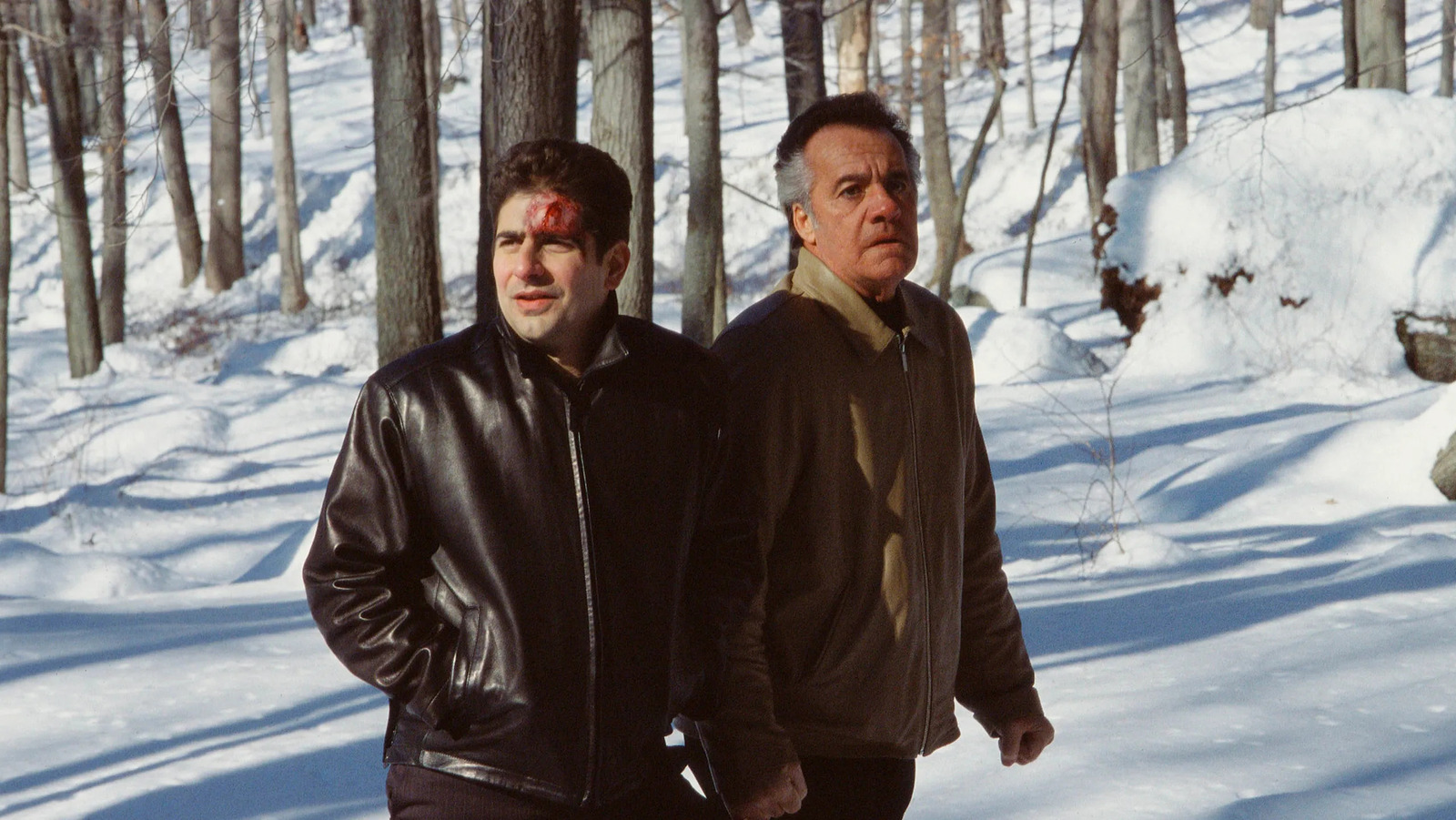
In the annals of television history, few questions have generated as much persistent discourse as “What happened to the Russian?” For fans of HBO’s The Sopranos, Valery—the resilient, interior-decorating member of the Russian mob who vanished into the snowy woods of southern New Jersey—represents more than just a plot point. He represents a masterclass in narrative branding. By examining the mystery of the Russian through the lens of brand strategy, we can uncover profound lessons about audience engagement, the power of the “open loop,” and how strategic ambiguity can cement a brand’s legacy for decades.

The Power of the Open Loop in Brand Storytelling
The episode “Pine Barrens” is widely considered one of the greatest hours of television ever produced. However, its brilliance doesn’t stem from a clean resolution. Instead, it thrives on the “Open Loop” theory—a psychological phenomenon where the human brain seeks closure for a started task or story. In brand strategy, creating an open loop is a high-risk, high-reward tactic that, when executed correctly, ensures a brand remains “top of mind” long after the initial interaction.
The Zeigarnik Effect and Brand Recall
The “Zeigarnik Effect” suggests that people remember uncompleted or interrupted tasks better than completed ones. By never explaining what happened to Valery, David Chase and the writers of The Sopranos utilized this psychological principle to perfection. From a branding perspective, this created a permanent “placeholder” in the viewer’s psyche. While other shows of the era provided neat, wrapped-up endings that were easily forgotten, The Sopranos stayed relevant because the audience felt a subconscious need to resolve the unresolved.
Emotional Investment Through Uncertainty
Most brands believe that clarity is the only path to loyalty. However, The Sopranos proved that uncertainty can be an even more powerful tool for emotional investment. When a brand provides all the answers, the consumer’s journey ends. When a brand leaves room for interpretation, the consumer becomes a co-creator of the narrative. The mystery of the Russian invited fans to participate in the “brand” of the show by coming up with their own theories, thereby deepening their personal connection to the intellectual property.
Building a Legacy Brand Through Strategic Ambiguity
In the world of corporate identity and brand positioning, “consistency” is often the North Star. However, The Sopranos demonstrated that “Strategic Ambiguity” can be a far more effective way to build a prestige brand. By refusing to follow the traditional tropes of the mob genre—where every loose end is eventually tied up with a bullet or a handshake—HBO positioned itself as a brand for the sophisticated, intellectual viewer.
Rejecting the “Safe” Resolution
The safest move for any brand is to give the customer exactly what they want. In 2001, what the fans wanted was to see Valery return for revenge or be found dead. By rejecting this safe resolution, the Sopranos brand asserted its dominance over the audience. It communicated a clear message: “We are not here to cater to your expectations; we are here to challenge them.” This bold positioning moved the show from a mere entertainment product to a cultural phenomenon, much like how luxury brands like Apple or Porsche often dictate trends rather than following them.
How The Sopranos Redefined the HBO Brand Identity
The mystery of the Russian was a pivotal moment for the HBO corporate identity. Before The Sopranos, HBO was largely known for showing theatrical movies. The “Pine Barrens” incident helped solidify HBO’s new brand promise: “It’s Not TV. It’s HBO.” This tagline wasn’t just a marketing slogan; it was a commitment to a specific type of storytelling that prioritized realism and complexity over television conventions. The Russian’s disappearance was the ultimate proof of this brand promise—real life is messy, and sometimes, people just disappear.
The “Pine Barrens” Effect: Viral Marketing Before the Social Media Era
Long before Twitter threads and Reddit theories dominated cultural discourse, the mystery of the Russian was “viral” in the traditional sense. It became a water-cooler staple, a topic of conversation that bridged demographics and geographic boundaries. This “Pine Barrens Effect” serves as a case study for modern marketers on how to generate organic word-of-mouth through narrative tension.
Word-of-Mouth as a Brand Driver
In brand strategy, organic word-of-mouth is the “Holy Grail.” You cannot buy the kind of engagement that the mystery of Valery generated. For years, every interview with David Chase or the cast included a question about the Russian. This constant questioning served as free, perpetual marketing for the show. It kept the brand in the news cycle without the need for additional advertising spend. The lesson for modern brands is clear: create something so intriguing and debatable that your audience does the marketing for you.
The Longevity of Unanswered Questions
Sustainability is a key metric in brand health. A brand that burns bright and dies out quickly is a failure compared to one that maintains relevance over decades. By leaving Valery’s fate unknown, the creators ensured the show would be discussed for twenty years and counting. In a modern landscape where content is consumed and discarded in 24-hour cycles, the “Pine Barrens” strategy offers a blueprint for creating “evergreen” brand value. The unanswered question acts as a hook that brings new generations into the brand ecosystem, eager to see what the fuss is about.
Applying “The Russian” Lessons to Modern Corporate Identity
How can a modern tech startup or a personal brand apply the lessons of a missing Russian mobster? The answer lies in the balance between transparency and mystery. While digital security and financial brands require high transparency, lifestyle and creative brands can benefit immensely from leaving “room for the imagination.”
Leaving Room for Audience Interpretation
In an era of over-explanation and “behind-the-scenes” oversharing, there is a premium on mystery. A brand that reveals every detail of its process or every thought behind its creation leaves nothing for the consumer to explore. By maintaining a level of “cool detachment,” a brand can elevate its status. Consider how brands like Tesla or Supreme use cryptic announcements or limited information to drive frenzy. They are, in essence, creating their own “Russian in the woods.”
Creating Conversations, Not Just Content
The ultimate goal of any brand strategy should be to move from “content” to “conversation.” Content is consumed; conversation is lived. The mystery of the Russian was a conversation starter. Modern brand managers should ask themselves: “What is the ‘unanswered question’ in our brand story? What is the element that will keep our customers talking at the dinner table?” When a brand moves into the realm of conversation, it becomes part of the customer’s identity.
Conclusion: The Value of the Unknown
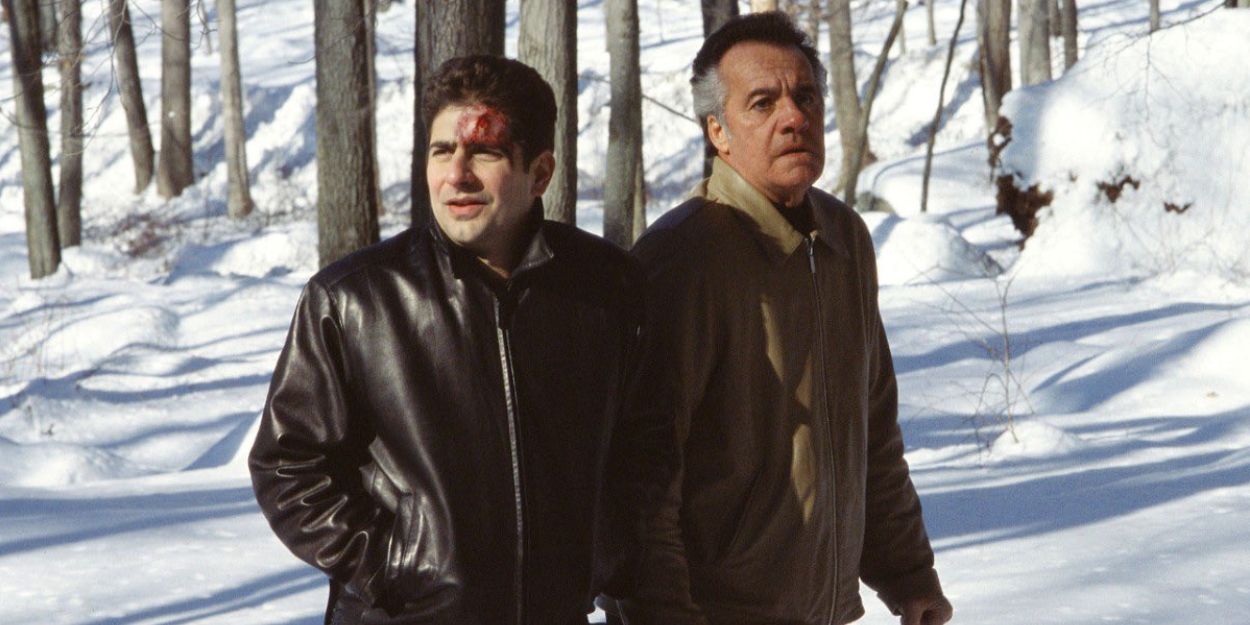
Ultimately, what happened to the Russian in The Sopranos is irrelevant to the plot, but vital to the brand. Whether he climbed a tree, was found by his fellow mobsters, or died of his wounds, any definitive answer would have been less satisfying than the enduring mystery.
In the world of branding and marketing, we are often obsessed with “The Reveal.” We want to show the product, explain the features, and close the sale. But the legacy of Valery teaches us that the “The Hide” is just as important as “The Reveal.” By strategically withholding information and embracing the beauty of the unresolved, The Sopranos built a brand that is arguably more powerful today than it was when it first aired. In branding, as in the snowy woods of the Pine Barrens, sometimes the things we don’t see are the ones that haunt us—and stay with us—the longest.
aViewFromTheCave is a participant in the Amazon Services LLC Associates Program, an affiliate advertising program designed to provide a means for sites to earn advertising fees by advertising and linking to Amazon.com. Amazon, the Amazon logo, AmazonSupply, and the AmazonSupply logo are trademarks of Amazon.com, Inc. or its affiliates. As an Amazon Associate we earn affiliate commissions from qualifying purchases.