
The search query “what happened to Rory McIlroy” has surged in recent years, but the answer rarely pertains to his physical health or a sudden loss of talent. Instead, it reflects a fascination with the transformation of a global sports icon. From a curly-haired prodigy from Northern Ireland to the “de facto” commissioner and moral compass of professional golf, McIlroy’s journey offers a masterclass in personal brand strategy, corporate identity management, and the complexities of being the face of a legacy industry under siege.
In the world of brand strategy, McIlroy represents a unique case of a “High-Value Asset” navigating a “Market Disruption.” This article explores the strategic shifts in the McIlroy brand, his role in the PGA Tour’s defensive marketing, and how he has managed his identity through one of the most volatile periods in sports history.
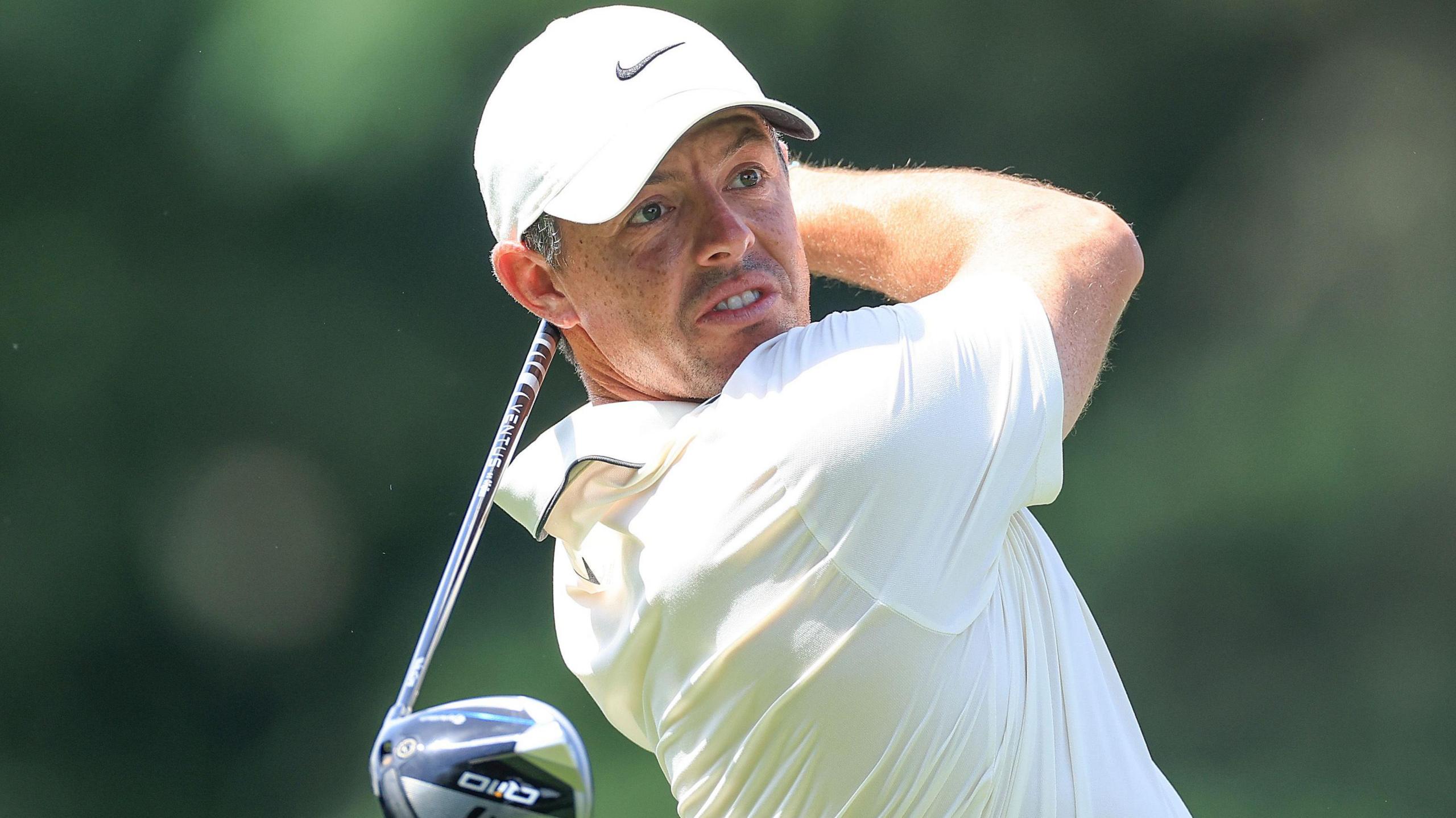
From Prodigy to Powerhouse: Building the McIlroy Brand Identity
Before analyzing the recent turbulence, it is essential to understand the foundation of the Rory McIlroy brand. Unlike his predecessor, Tiger Woods, whose brand was built on an aura of invincibility and calculated silence, McIlroy’s brand was built on transparency, relatability, and “Human-Centric Branding.”
The Nike Era and Early Market Positioning
McIlroy’s signing with Nike in 2013 was a watershed moment for his personal brand. It transitioned him from a European star to a global titan. Nike’s strategy was to position Rory as the heir apparent—the bridge between the old guard and the new generation. This positioning was successful because it leaned into his natural charisma. While many athletes are coached to give “safe” corporate answers, McIlroy’s brand equity was built on his willingness to be vulnerable and articulate.
Authenticity as a Competitive Advantage
In brand marketing, “Authenticity” is often a buzzword, but for McIlroy, it became a core USP (Unique Selling Proposition). His post-round interviews, where he often analyzes his failures with the same precision as his successes, created a level of trust with his audience. This trust became the capital he would later spend during the professional golf “civil war.” For consumers and fans, Rory wasn’t just a golfer; he was a reliable narrator for the sport.
The LIV Golf Conflict: Positioning as the Moral Compass
The emergence of the LIV Golf League, backed by the Saudi Arabian Public Investment Fund (PIF), created a classic “Market Disruptor” scenario. When the PGA Tour found its monopoly threatened, it needed more than just legal defenses; it needed a brand ambassador who could win the war of public opinion. Rory McIlroy stepped into this role, transforming his personal brand from “Athlete” to “Statesman.”
Taking the High Ground: Strategic Brand Differentiation
McIlroy’s strategy was to differentiate the PGA Tour brand through values-based marketing. He positioned the legacy tours as the home of “meritocracy” and “history,” while painting the competitor as a “short-term financial play.” By doing so, he tethered his personal brand to the concepts of integrity and tradition. This was a high-risk brand move. By becoming the primary vocal opponent of LIV, he effectively became the shield for the PGA Tour’s corporate identity.
The Risks of Being the “Face” of a Corporate War
In brand management, becoming too closely associated with a single cause can lead to “Brand Fatigue.” Throughout 2022 and 2023, McIlroy was the most interviewed man in sports. Every press conference became a forum on geopolitical issues and sports governance. This led to a dilution of his “Performance Brand.” When a brand’s narrative moves too far away from its core product—in this case, winning golf tournaments—the market begins to ask, “What happened?” This shift from athlete to advocate is what many observers are noting when they question his recent trajectory.
The Strategic Pivot: Moving from Confrontation to Consolidation
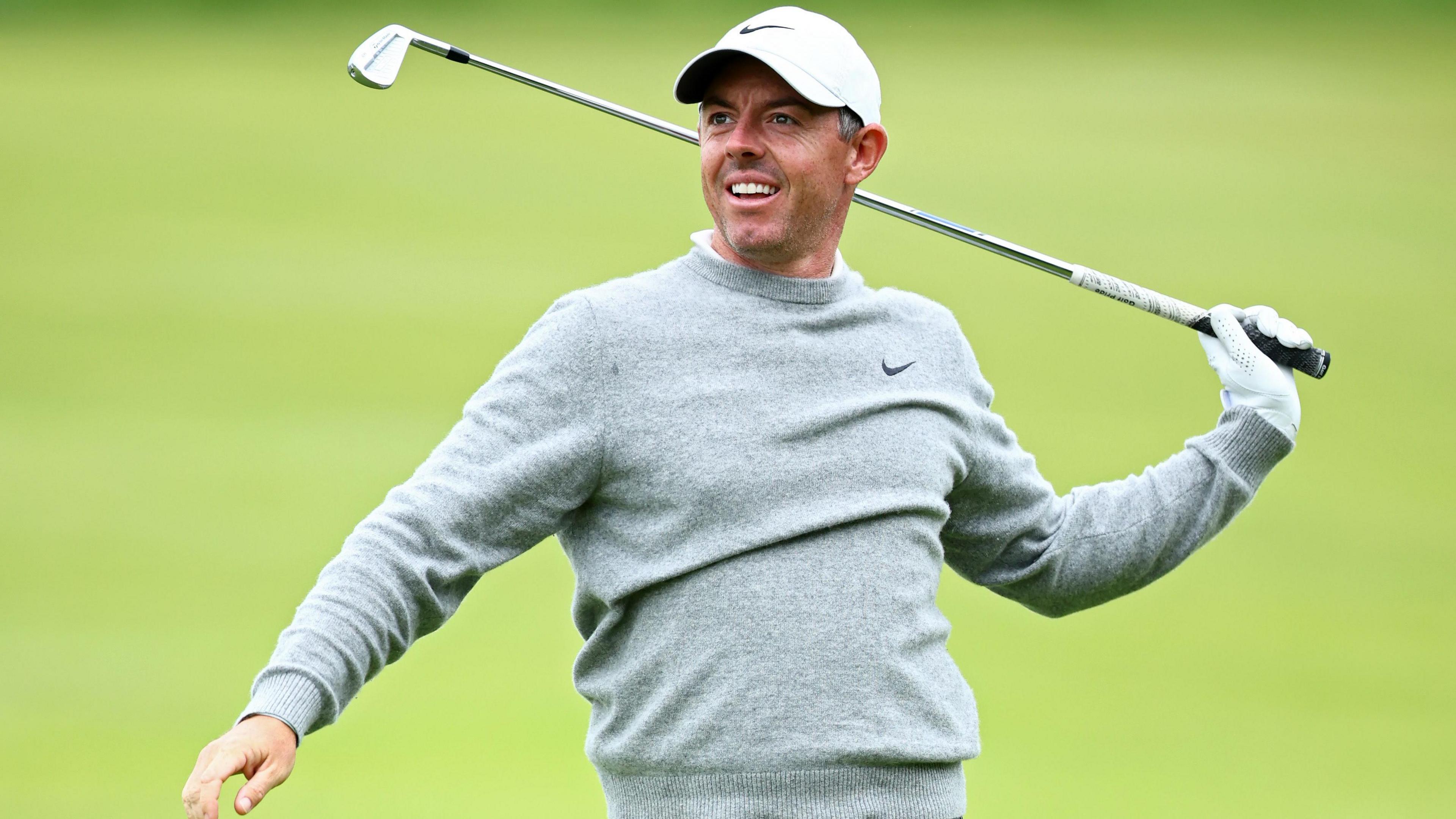
The most jarring moment in the McIlroy brand narrative occurred in June 2023, when the PGA Tour announced a framework agreement with the PIF—the very entity McIlroy had been defending the Tour against. This created a “Brand Crisis” for McIlroy, as the organization he championed made a 180-degree turn without his prior knowledge.
Softening the Stance and Brand Realignment
A successful brand must be agile. Following the “merger” announcement, McIlroy began a strategic pivot. He stepped down from the PGA Tour Policy Board and shifted his public rhetoric from “combative” to “conciliatory.” This was a necessary move for brand preservation. To maintain his relevance and mental bandwidth for his primary career, he had to decouple his identity from the Tour’s executive decisions. This “Repositioning Phase” saw Rory focusing more on his own ventures and less on the industry’s politics.
TGL and the Future of Golf Entertainment
One of the most significant pillars of the “New Rory” brand is TGL (Tomorrow’s Golf League). Partnering with Tiger Woods and TMRW Sports, McIlroy is positioning himself as a tech-forward innovator. This brand extension moves him into the “Sports-Tech” niche, blending traditional athleticism with digital-first entertainment. TGL represents a move to capture a younger, tech-savvy demographic, ensuring the McIlroy brand remains future-proof regardless of the political climate of the professional game.
Lessons in Longevity: Managing a Personal Brand in a Changing Market
What happened to Rory McIlroy is a lesson in the lifecycle of a high-profile brand. He has transitioned from the “Exciting Startup” phase to the “Established Institutional” phase. This transition requires a different set of brand management tools, focusing on legacy, portfolio diversification, and emotional intelligence.
Balancing Performance with Public Relations
The challenge for any elite athlete-brand is the “Performance-Perception Gap.” If the brand is seen as “too corporate” or “too busy,” any dip in performance is blamed on a lack of focus. McIlroy has had to recalibrate his public presence to protect his “Core Product”—his golf game. This involved a strategic withdrawal from social media and a reduction in non-essential media appearances. In brand terms, this is “Scarcity Marketing”—making his words more impactful by delivering them less frequently.
Diversifying the Portfolio: Symphony Ventures
Beyond the golf course, McIlroy has built a sophisticated corporate identity through his investment vehicle, Symphony Ventures. By investing in brands like Puttery, Whoop, and various tech startups, he is building a “Post-Career Brand” while still at his peak. This is a common strategy among elite modern athletes (like LeBron James or Kevin Durant), where the athlete becomes a venture capitalist. It shifts the brand narrative from “How did he play today?” to “How is his empire growing?”
The Future of the McIlroy Brand: Legacy and Beyond
As we look at the current state of “Brand Rory,” we see a more mature, perhaps more cynical, but ultimately more resilient entity. The “what happened” isn’t a story of decline; it’s a story of evolution. He has survived a massive industry disruption and emerged as a more complex figure.
Redefining Global Sports Statesmanship
McIlroy is currently carving out a niche that few athletes occupy: the “Honest Broker.” In an era of highly polished, PR-managed personas, his willingness to admit when he was wrong—as he did regarding his initial hardline stance on LIV Golf—is a rare brand trait. This “Radical Candor” may actually strengthen his brand in the long run, making him the most human and relatable of the world’s sporting superstars.
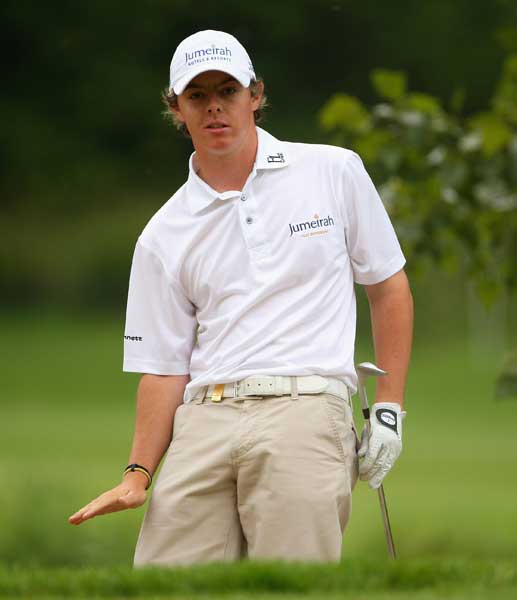
Conclusion: The Enduring Power of the McIlroy Narrative
In the final analysis, the story of Rory McIlroy is a reminder that a personal brand is not a static image but a living narrative. It must adapt to market changes, survive betrayals by corporate partners, and evolve as the individual ages. McIlroy has moved from being a participant in his sport to being an architect of its future.
The answer to “what happened to Rory McIlroy” is that he grew up. He took on the burden of leadership, felt the sting of corporate pragmatism, and is now rebuilding his brand around a more sustainable balance of performance, business, and personal peace. For brand strategists and observers alike, his journey remains one of the most compelling case studies in modern sports marketing. He remains a “Premium Brand” that has weathered a “Market Crash” and is now positioning itself for a long-term, multi-decade legacy.
aViewFromTheCave is a participant in the Amazon Services LLC Associates Program, an affiliate advertising program designed to provide a means for sites to earn advertising fees by advertising and linking to Amazon.com. Amazon, the Amazon logo, AmazonSupply, and the AmazonSupply logo are trademarks of Amazon.com, Inc. or its affiliates. As an Amazon Associate we earn affiliate commissions from qualifying purchases.