
In the modern gaming landscape, the bridge between hardware and software is often reinforced by digital loyalty programs designed to enhance user engagement. PlayStation Stars, Sony Interactive Entertainment’s ambitious loyalty initiative, was launched in late 2022 to serve as this very bridge. However, in mid-2024, the service faced a significant and prolonged technical disruption that left millions of users questioning the stability of Sony’s digital infrastructure. To understand what happened to PlayStation Stars, one must look beyond a simple server outage and examine the complexities of integrating a massive, data-heavy loyalty program into a global gaming network.
The Great Outage: Analyzing the Technical Blackout of 2024
In early June 2024, PlayStation Stars users began noticing that the dedicated tab within the PlayStation App had vanished. What initially appeared to be a routine maintenance window spiraled into a month-long service blackout. This incident serves as a primary case study in the vulnerabilities of cloud-based loyalty ecosystems.
The Anatomy of a Service Failure
While Sony remained relatively tight-lipped during the outage, the technical nature of the disappearance suggested a deep-seated issue within the application programming interface (API) that connects the PlayStation Store’s transactional data with the Stars reward logic. PlayStation Stars is not merely a static list of points; it is a dynamic software layer that must track real-time purchases, trophy unlocks, and specific gameplay “campaigns.” When the sync between these data points fails, the entire service must be taken offline to prevent data corruption or the accidental inflation of reward points.
The Phased Rollout and Backend Stability
When PlayStation Stars finally began its return in July 2024, it did not happen all at once. Sony utilized a phased regional rollout, starting in Asia and moving through Europe and the Americas. This is a common technical strategy used to “stress-test” the fixed backend architecture. By gradually reintroducing the user base, Sony’s engineers could monitor server loads and ensure that the database queries required to calculate years of accrued points did not crash the PlayStation App’s servers again.
Impact on User Trust and Software Reliability
For a loyalty program, the most critical “tech” is the trust of the user. The month-long absence of PlayStation Stars highlighted a significant risk in the “Software as a Service” (SaaS) model: when the service goes down, the value accumulated by the user becomes inaccessible. This outage forced Sony to re-evaluate its communication protocols and the redundancy of its reward-tracking servers, ensuring that future updates would not result in such a catastrophic loss of visibility for the user.
The Architecture of PlayStation Stars: Digital Collectibles and API Integration
To understand the “what” and “why” of the service’s recent history, we must explore the sophisticated technology that powers PlayStation Stars. It is far more than a simple “buy-and-earn” system; it is a gamified software environment integrated directly into the mobile and console UI.
The 3D Digital Collectible Engine
One of the standout features of PlayStation Stars is the “Digital Collectible” system. Unlike traditional 2D icons, these are high-fidelity 3D models of iconic PlayStation hardware and characters. From a technical perspective, these collectibles require a robust rendering engine within the PlayStation App. They utilize a digital display case that allows users to rotate and view items in a 3D space, mimicking the functionality of an AR (Augmented Reality) viewer. This push toward high-quality assets adds a layer of complexity to the app’s performance, requiring frequent updates to handle new shaders and textures.
Real-Time Transaction Tracking and “Campaign” Logic
The core engine of PlayStation Stars relies on complex “if-then” logic structures. For example, a campaign might require a user to “Launch any game from a specific list of PS5 titles.” This requires the PlayStation Network (PSN) to communicate instantly with the Stars server to verify the “Game Launch” event. This level of cross-platform communication between the console hardware and the mobile app software is a feat of modern networking, but it also creates multiple points of potential failure.
Leveling Algorithms and Level 4 Status
The software tracks user progress through four distinct levels based on game purchases and trophy milestones. Maintaining the integrity of these levels requires a secure, tamper-proof database. The Level 4 tier, which promises “priority routing” for chat support, indicates how Sony is attempting to integrate the loyalty software directly into their customer service tech stack. This integration means that a bug in the loyalty program could theoretically impact the efficiency of Sony’s global support infrastructure.
Gamified Software Trends: Lessons from the Recovery
The evolution of PlayStation Stars after its 2024 restoration provides insight into the broader trends of gamified software and digital ecosystems. As Sony refined the service, several shifts in the technological approach became apparent.
The Shift Toward Mobile-First Architecture
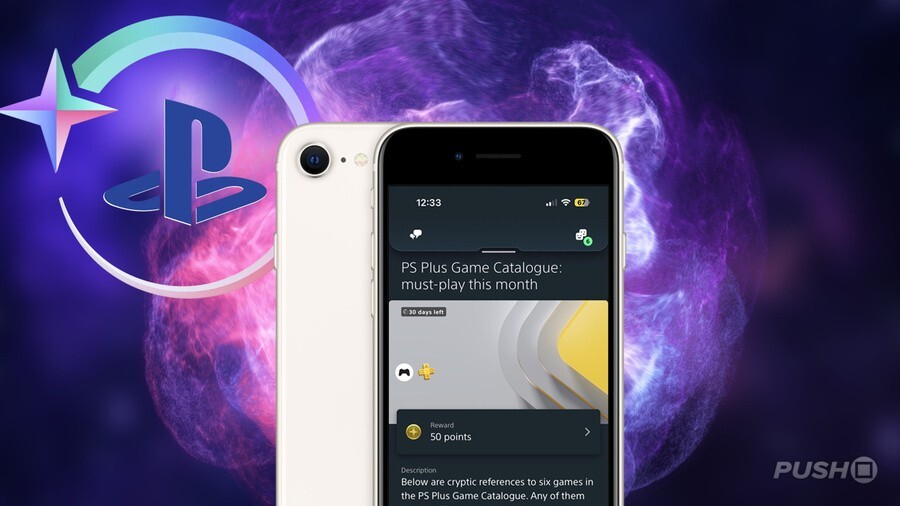
PlayStation Stars is notably absent from the direct PlayStation 5 console UI in many capacities, living primarily within the PlayStation App on iOS and Android. This design choice reflects a broader trend in tech: the “Second Screen” experience. By offloading the loyalty program to a mobile app, Sony reduces the processing load on the console itself while ensuring they have a direct line of communication (via push notifications) to the user’s pocket. This mobile-first strategy allows for more agile software updates without requiring a full console firmware patch.
Data Privacy and Security in Loyalty Programs
With the return of PlayStation Stars, there has been an increased focus on digital security. Because points can be redeemed for “PSN Wallet Funds”—essentially digital currency—the program is a high-value target for bad actors. Sony has had to bolster the security of the PlayStation Stars API to prevent “point-farming” exploits or unauthorized access to reward balances. The tech behind the scenes now utilizes more rigorous authentication tokens to ensure that every point earned is tied to a legitimate, verified account action.
The Future of “Always-On” Reward Systems
The PlayStation Stars outage proved that “always-on” services require significant infrastructure investment to survive. Moving forward, we are seeing Sony transition toward more “cloud-native” solutions for their loyalty logic. By utilizing distributed cloud computing, Sony can ensure that even if one server node fails, the reward tracking continues in the background, preventing the “vanishing tab” scenario that frustrated users in mid-2024.
The Competitive Tech Landscape: Sony vs. Microsoft vs. Nintendo
In the tech sector, no service exists in a vacuum. PlayStation Stars was Sony’s response to a growing trend of gamified ecosystems across the industry.
Benchmarking Against Microsoft Rewards
Microsoft Rewards (formerly Xbox Live Rewards) has been the gold standard for gaming loyalty tech for years. Microsoft utilizes its massive Azure cloud infrastructure to power a seamless experience across PC, Xbox, and Bing. Sony’s struggle with PlayStation Stars highlights the difference in cloud maturity between the two giants. While Microsoft’s system is deeply integrated into the OS level of Windows and Xbox, Sony is still perfecting the middleware that connects its legacy PSN architecture with modern mobile apps.
Nintendo’s My Nintendo Strategy
Nintendo takes a more conservative, web-based approach with “My Nintendo.” By keeping the rewards largely tied to a web portal and simple “Platinum Point” triggers, Nintendo avoids the technical overhead of 3D collectibles and real-time app integration. Sony’s decision to go with a more tech-heavy, visually intensive program like Stars is a high-risk, high-reward strategy: it offers a much more “premium” feel but is significantly harder to maintain from a software engineering standpoint.

Conclusion: A More Robust Digital Future
What happened to PlayStation Stars was a sobering reminder of the complexities involved in modern digital services. The month-long outage in 2024 wasn’t just a “glitch”; it was a sign of the growing pains associated with merging a global commerce platform with a gamified reward layer.
Through the restoration process, Sony has demonstrated a commitment to the service, likely upgrading their backend APIs and server redundancies to prevent a repeat of the incident. Today, PlayStation Stars stands as a sophisticated example of how tech companies use gamification to drive hardware sales and software engagement. As the service continues to evolve, the integration of 3D assets, real-time data tracking, and mobile-first architecture will remain the pillars of Sony’s digital strategy. For the tech-savvy gamer, PlayStation Stars is more than just a points program—it is a live, evolving piece of software that represents the future of how we interact with digital brands.
aViewFromTheCave is a participant in the Amazon Services LLC Associates Program, an affiliate advertising program designed to provide a means for sites to earn advertising fees by advertising and linking to Amazon.com. Amazon, the Amazon logo, AmazonSupply, and the AmazonSupply logo are trademarks of Amazon.com, Inc. or its affiliates. As an Amazon Associate we earn affiliate commissions from qualifying purchases.