
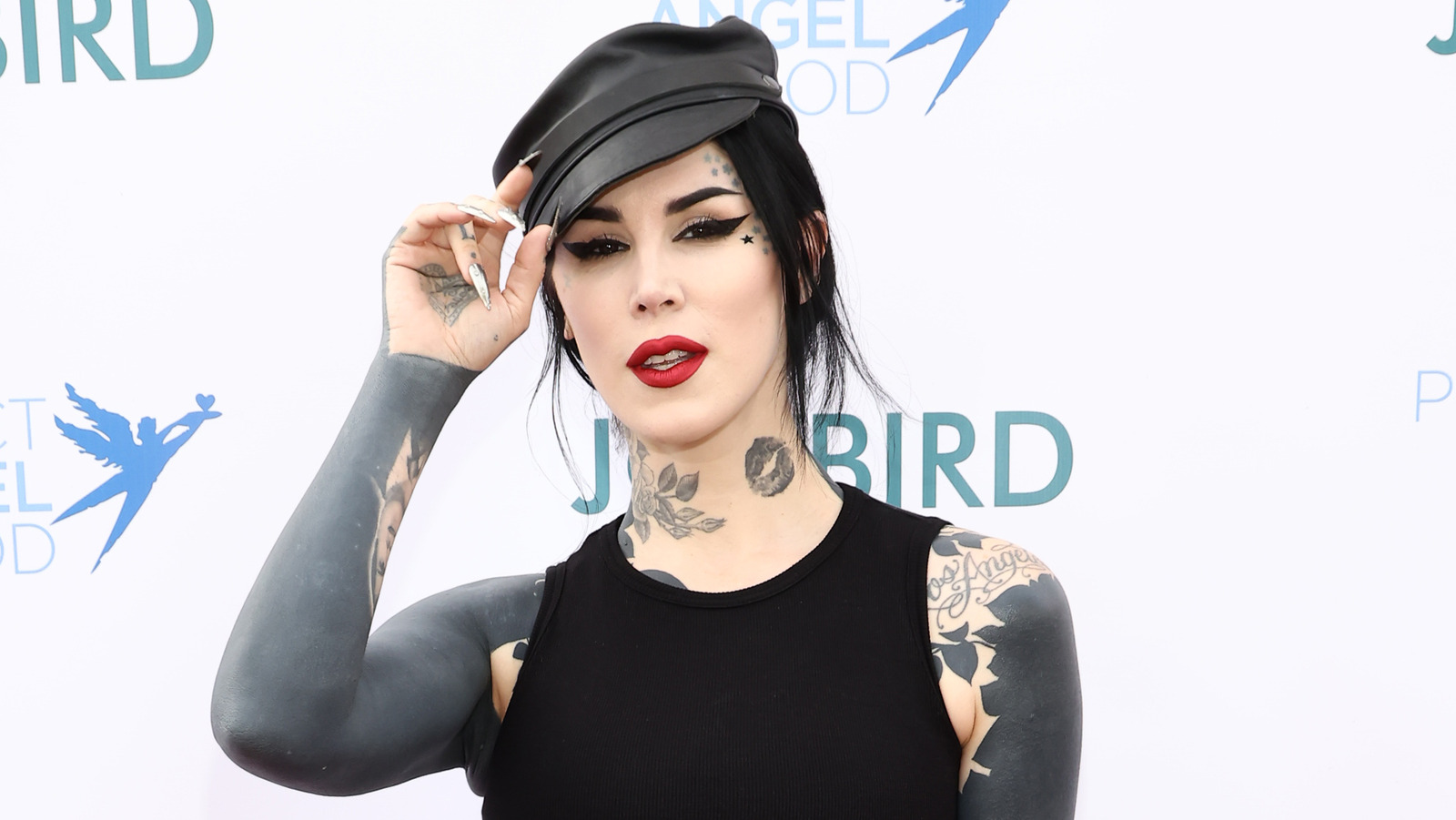
In the landscape of modern celebrity entrepreneurship, few trajectories are as illustrative or as complex as that of Kat Von D. Born Katherine von Drachenberg, she transformed herself from a niche tattoo artist into a global powerhouse, presiding over a multi-million-dollar beauty empire and a distinct lifestyle brand. However, recent years have seen a radical shift in her public persona, her business involvement, and her geographic location. To understand “what happened” to Kat Von D is to study the lifecycle of a high-equity personal brand, the risks of founder-led marketing, and the strategic necessity of brand evolution in an era of rapid cultural shifts.
Building the Empire: The Architecture of Authenticity
The rise of Kat Von D was not an accident of fame; it was a masterclass in building a brand based on a specific, underserved niche. At a time when the beauty and lifestyle industries were dominated by “clean” and conventional aesthetics, Kat Von D leaned into the “alternative” market.
From Tattoo Needle to Television Screen
The foundation of her brand was laid in the mid-2000s on reality television. Through Miami Ink and her subsequent spin-off LA Ink, she established a brand identity centered on high-level craftsmanship, vulnerability, and a rebellious spirit. Her brand wasn’t just about tattoos; it was about the “High-Voltage” lifestyle. This era established her “Unique Selling Proposition” (USP): she was the bridge between underground subculture and mainstream commercial appeal. For brand strategists, this period demonstrates the power of “Authentic Authority”—consumers trusted her because she was a practitioner first and a celebrity second.
The KVD Beauty Disruption
In 2008, Kat Von D partnered with Kendo, a brand incubator owned by LVMH, to launch Kat Von D Beauty at Sephora. This was a pivotal moment in brand strategy. By translating her personal aesthetic—gothic fonts, ornate packaging, and high-pigment “Tattoo Liner”—into a product line, she successfully scaled her personal brand into a corporate entity. The brand became a leader in the “Long-wear” and “Vegan” categories long before these were industry standards. At its peak, Kat Von D Beauty was not just a collection of products; it was a community of “outsiders” who felt represented by her dark, romanticized branding.
The Crisis of Alignment: When Personal Values Clash with Corporate Identity
One of the greatest risks in personal branding is the “Founder’s Trap,” where the brand is so inextricably linked to the individual that the individual’s personal choices directly impact the company’s bottom line. For Kat Von D, the mid-to-late 2010s represented a period of severe brand dilution.
The Fragility of Celebrity Branding
In the age of social media, a personal brand is under constant surveillance. Kat Von D faced a series of public relations crises ranging from historical controversies to contemporary political and health-related statements. For a brand built on “authenticity,” these controversies created a disconnect. When the founder’s personal views began to alienate the core demographic—largely progressive, Gen Z, and Millennial beauty consumers—the brand equity began to erode. This serves as a cautionary tale for brand managers: when a person is the product, their personal narrative becomes the primary risk factor for investors and stakeholders.
The Pivot Point: Navigating Public Backlash
The backlash Kat Von D experienced was a catalyst for a broader strategic shift. As “cancel culture” became a formidable force in the beauty community, the Kat Von D brand faced a choice: double down on the founder’s identity or distance the products from the person. In the world of brand strategy, this is known as “De-personalization.” The friction between her personal lifestyle and the inclusive values the beauty industry began to champion made it increasingly difficult for the brand to maintain its market share against newer, less controversial competitors like Fenty Beauty or Rare Beauty.
The Strategic Divestment: Transitioning from Kat Von D to KVD Beauty

In early 2020, Kat Von D made a landmark announcement: she was selling her shares in her beauty brand and exiting the company entirely. This was a sophisticated move in corporate strategy, designed to save the brand’s legacy while allowing the founder to pursue a new narrative.
Institutionalizing a Personality-Led Brand
The transition of “Kat Von D Beauty” to “KVD Vegan Beauty” (and later simply KVD Beauty) is one of the most significant rebrandings in recent history. The goal was to retain the brand’s visual DNA—the gothic aesthetic and high-performance formulas—while stripping away the personal association with the founder. Kendo rebranded the acronym “KVD” to stand for “Kara, Veritas, Decus” (Value, Truth, Grace) and later “Keep Vegan Delicious.” This allowed the corporation to salvage the brand’s intellectual property and retail placement without the liability of the founder’s public image.
The Clean Break: Why Brands Outgrow Their Founders
The exit was framed as a desire to focus on her music career and motherhood, but from a business perspective, it was a necessary separation. When a brand reaches a certain scale, the founder often becomes a bottleneck for growth. By divesting, Kat Von D secured her financial future and protected the jobs of those within the organization. For the brand itself, it was a “reset” that allowed it to engage in new marketing campaigns that were no longer tied to one person’s history. It was a strategic move to move the brand from “Personality-Led” to “Value-Led.”
The Modern Rebrand: Crafting a New Narrative in Rural America
What happened to Kat Von D after the sale is a fascinating example of “Brand Re-positioning.” Instead of attempting to regain her status in the Hollywood-centric beauty world, she opted for a complete lifestyle pivot, moving from Los Angeles to Vevay, Indiana.
Relocation as a Brand Statement
Relocation is often used in branding to signal a change in values. By closing her famous High Voltage Tattoo shop in LA and moving to a small town, Kat Von D signaled a rejection of the “celebrity machine.” This “Rural Rebranding” allowed her to cultivate a new image centered on domesticity, historic preservation (through the restoration of her Victorian mansion), and a slower pace of life. This shift resonated with a different segment of her audience—those who were also feeling “burnout” from urban, high-consumption lifestyles.
Artistic Evolution: Music and Spiritual Transformation
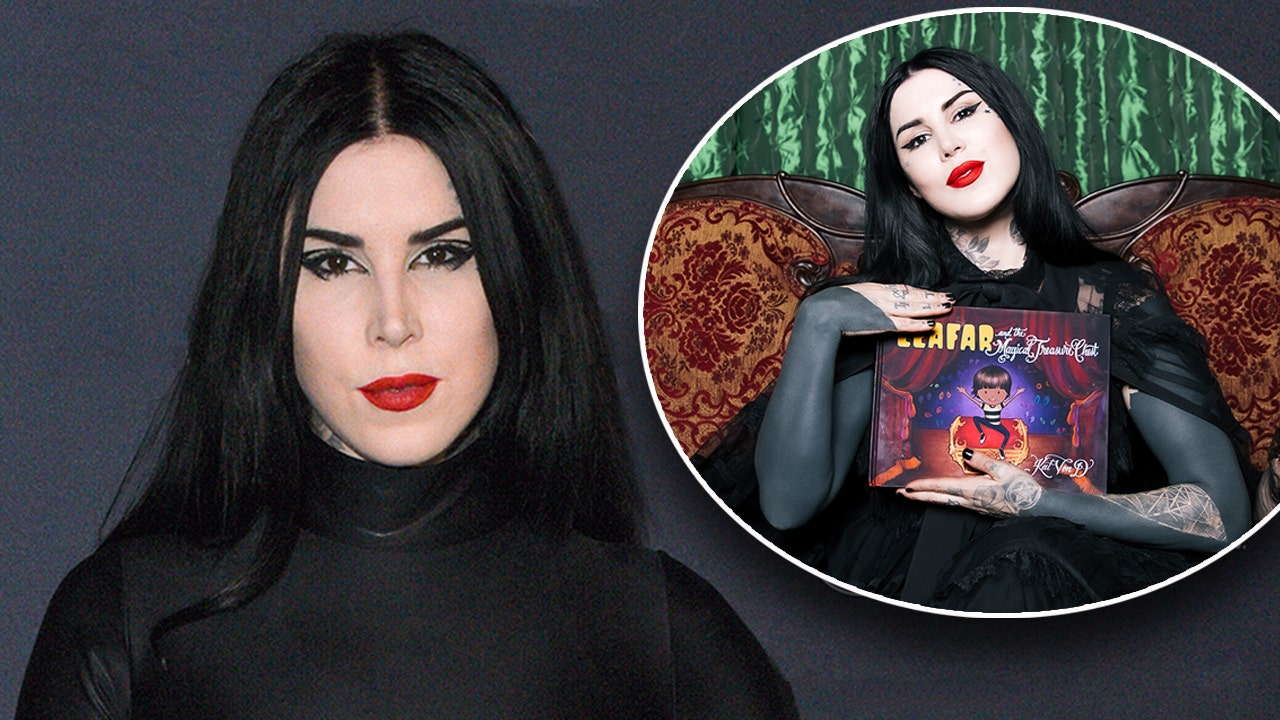
In the latest chapter of her personal brand, Kat Von D has pivoted toward music and spiritual exploration. Her transition from a tattoo icon to a synth-pop musician and her public conversion to Christianity represent a radical “Pivot to Purpose.” From a brand perspective, this is a “Full-Cycle Transformation.” She has successfully shed her old “dark” persona to embrace a more “refined” and “spiritual” identity. While this has alienated some of her original “goth” fan base, it has attracted a new, equally loyal following that values her perceived journey of growth and redemption.
Conclusion: Strategic Takeaways from the Kat Von D Case Study
The journey of Kat Von D offers profound insights for anyone involved in brand strategy, marketing, or personal identity management.
Firstly, it highlights that authenticity is a double-edged sword. While it builds deep loyalty, it also creates vulnerability when the founder’s personal evolution deviates from the brand’s commercial interests.
Secondly, the KVD Beauty transition proves that a brand’s visual identity and product quality can survive the departure of its namesake, provided the rebranding is handled with surgical precision. The institutionalization of a personality-led brand is a difficult but often necessary step for long-term survival.
Finally, Kat Von D’s current status reminds us that personal brands are not static. The ability to pivot, relocate, and reinvent one’s narrative is the ultimate form of brand resilience. Whether one agrees with her personal choices or not, from a strategic standpoint, she has successfully navigated the transition from a commercial commodity back to a self-sovereign individual, proving that “what happened” wasn’t a disappearance, but a deliberate and calculated evolution.
aViewFromTheCave is a participant in the Amazon Services LLC Associates Program, an affiliate advertising program designed to provide a means for sites to earn advertising fees by advertising and linking to Amazon.com. Amazon, the Amazon logo, AmazonSupply, and the AmazonSupply logo are trademarks of Amazon.com, Inc. or its affiliates. As an Amazon Associate we earn affiliate commissions from qualifying purchases.