
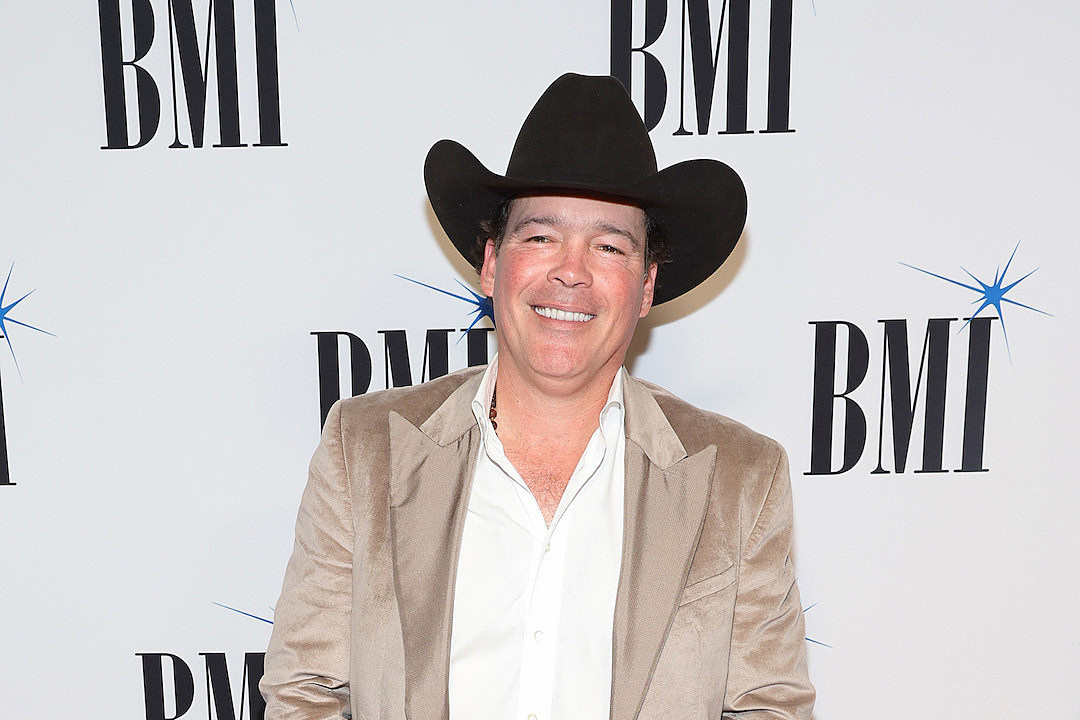
In the landscape of modern entertainment, few case studies offer as much insight into the mechanics of personal branding and long-term market relevance as the career of Clay Walker. When fans and industry analysts ask “what happened to Clay Walker,” they are rarely questioning his whereabouts; rather, they are investigating how a 1990s powerhouse successfully navigated three decades of industry disruption, a life-altering medical diagnosis, and a complete shift in consumer behavior. To understand the trajectory of Clay Walker is to understand the art of the “Resilient Brand”—an entity that can withstand market volatility while maintaining its core value proposition.
Building a Legacy Brand in the Golden Era of Country Music
The inception of the Clay Walker brand occurred during the “Class of ’89” and the subsequent 1990s country music boom. This was a period defined by massive commercial expansion, and for a new artist to break through, their personal brand had to be immediate, recognizable, and scalable. Walker did not merely release music; he established a distinct market position.
Defining the Core Identity: Neotraditionalism and Accessibility
The foundation of Walker’s brand was built on the “Neotraditionalist” movement. However, while some artists in this niche leaned into a rugged, untouchable persona, Walker’s brand identity was centered on accessibility and charisma. His “product” was a blend of high-energy performance and a “boy next door” persona. This dual-threat branding allowed him to capture a wide demographic, from traditional country purists to younger pop-leaning listeners. By the time his first three singles hit number one, his brand equity was already rivaling established legends.
Market Positioning: Standing Out in a Crowded 90s Landscape
In the 1990s, the country music market was saturated with “hat acts.” To avoid being commoditized, Walker’s team focused on consistent visual branding and a specific sonic signature. He became synonymous with a particular type of mid-tempo ballad and upbeat anthem that felt both contemporary and timeless. This strategic positioning ensured that even as trends shifted toward “bro-country” or “pop-country” in later years, the Clay Walker brand remained an anchor point for quality and consistency.
Crisis Management and Brand Pivoting: The MS Diagnosis
One of the most critical moments in the history of the Clay Walker brand occurred in 1996, at the height of his commercial powers. His diagnosis with Multiple Sclerosis (MS) presented a catastrophic risk to his career. In the world of personal branding, a health crisis of this magnitude can often lead to a brand’s withdrawal from the public eye. Instead, Walker’s management of the situation serves as a masterclass in transparency and “Authenticity Branding.”
Transparency as a Branding Tool
Instead of hiding his condition to protect his “invincible” stage persona, Walker chose to incorporate his journey into his brand narrative. This was a pivot from being a “Country Music Star” to being a “Resilient Survivor.” This transparency did not weaken the brand; it deepened the emotional connection with his audience. In branding terms, this moved his relationship with fans from a “transactional” level (buying records) to a “transformational” level (shared inspiration).
The Shift from Artist to Advocate: Band Against MS (BAMS)
The creation of the non-profit organization Band Against MS (BAMS) was a strategic extension of the Walker brand. It allowed him to diversify his public presence. By aligning his personal identity with a cause, he created a secondary brand pillar that exists independently of his chart performance. This advocacy work reinforced his brand’s core values of strength, community, and perseverance, ensuring that even during periods of musical hiatus, the “Clay Walker” name remained synonymous with positive impact and social responsibility.

Staying Relevant in a Digital-First Music Industry
The transition from physical media to the digital streaming era decimated many legacy brands. For an artist who established their footprint in the era of CDs and radio dominance, the 2010s represented a potential “brand extinction” event. Analyzing what happened to Clay Walker during this period reveals a sophisticated adaptation to new technology and consumer platforms.
Adapting Brand Strategy for the Streaming Era
The modern music brand is no longer judged solely by radio airplay but by monthly listeners on platforms like Spotify and Apple Music. Walker’s team recognized the need for a “Brand Refresh.” This involved modernizing his production style without alienating his legacy fanbase. His 2021 album, Texas to Tennessee, served as a symbolic bridge between his traditional roots (Texas) and the modern industry hub (Tennessee). The album was strategically designed for digital consumption, featuring “playlist-friendly” tracks that introduced the Walker brand to a generation of listeners who discovered him via algorithms rather than terrestrial radio.
Engaging the Modern Fanbase via Social Media
Personal branding in the 2020s requires direct-to-consumer engagement. Walker’s presence on platforms like Instagram and TikTok is not merely promotional; it is an extension of his “accessible” brand identity. By sharing behind-the-scenes content, family life, and acoustic performances, he maintains a high “Engagement Rate”—a key metric in modern branding. This digital strategy ensures that the brand remains vibrant and “top-of-mind,” effectively bridging the gap between legacy fame and modern influence.
The Business of Longevity: Diversification and Strategic Partnerships
What happened to Clay Walker is essentially a story of professional evolution. He transitioned from a “hit-maker” to a “legacy asset.” This transition requires a keen understanding of the business of personal branding and the importance of diversification.
Intellectual Property and the Value of a Back Catalog
A significant portion of Walker’s brand strength lies in his “Intellectual Property” (IP). With over 30 charted singles and multiple multi-platinum albums, his back catalog provides a steady stream of “Passive Income” through streaming and licensing. In the modern financial landscape, these songs are treated as blue-chip stocks. Walker has successfully managed this portfolio, ensuring that his older hits continue to fuel his current brand ventures.
Future-Proofing the Walker Brand
Today, the Clay Walker brand is diversified across touring, advocacy, media appearances, and new musical releases. He has moved into a “consultative” or “mentor” phase of his career, often cited as an influence by new artists. This “Elder Statesman” positioning is the final stage of a successful long-term brand strategy. By becoming a pillar of the industry rather than just a participant in it, Walker has secured a permanent place in the market.

Conclusion: The Endurance of a Well-Managed Brand
When we look at “what happened to Clay Walker,” we see a blueprint for personal branding excellence. He did not fade away as the 90s ended; instead, he evolved. He navigated a health crisis by leaning into authenticity, transitioned into the digital age by embracing new media, and secured his financial future by treating his career as a strategic business portfolio.
Clay Walker’s journey demonstrates that a brand is not a static entity but a living organism that must adapt to survive. Through consistency, resilience, and strategic pivoting, Walker has transformed from a newcomer on the Houston circuit into a multi-dimensional brand that remains relevant, respected, and highly profitable in an ever-changing cultural landscape. His story is a powerful reminder that in the world of personal branding, longevity is not a matter of luck—it is a result of intentional strategy and the courage to evolve.
aViewFromTheCave is a participant in the Amazon Services LLC Associates Program, an affiliate advertising program designed to provide a means for sites to earn advertising fees by advertising and linking to Amazon.com. Amazon, the Amazon logo, AmazonSupply, and the AmazonSupply logo are trademarks of Amazon.com, Inc. or its affiliates. As an Amazon Associate we earn affiliate commissions from qualifying purchases.