
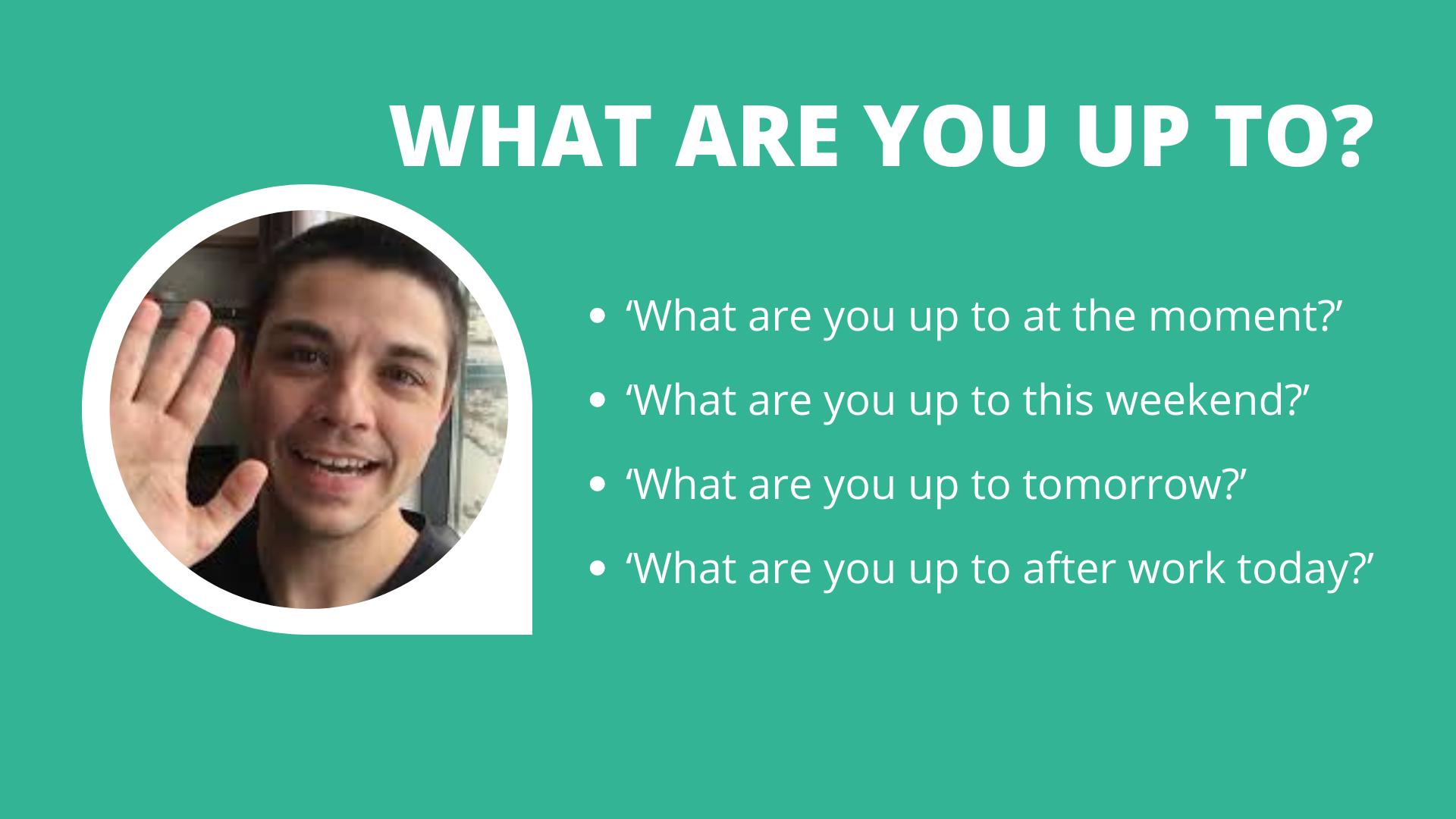
In the casual landscape of English idioms, the phrase “what are you up to?” is a common greeting, a simple inquiry into someone’s current activities or future plans. However, when we transition from the world of social niceties into the high-stakes arena of brand strategy and corporate identity, this question takes on a profound, strategic significance. For a brand, “what are you up to?” is not just a question—it is the ultimate metric of relevance, momentum, and market positioning.
In the modern marketplace, a brand that cannot clearly articulate what it is “up to” is a brand that is effectively invisible. Consumers no longer buy products in isolation; they invest in narratives, trajectories, and the ongoing evolution of the companies they support. This article explores how brands can harness the power of activity, transparency, and strategic communication to answer this fundamental question and build lasting equity.
The Strategic Anatomy of Brand Momentum: Why “What Are You Up To?” Matters
At its core, brand strategy is the art of managing perceptions. When a stakeholder, competitor, or customer looks at a company and asks what they are up to, they are looking for signs of life, innovation, and purpose. In the digital age, silence is often interpreted as stagnation.
From Casual Inquiry to Strategic Statement
In personal branding and corporate identity, the answer to “what are you up to?” serves as your current value proposition. It is the difference between a static logo and a living entity. Strategic momentum is built when a brand consistently communicates its progress. Whether it is a pivot in service offerings, a new sustainability initiative, or a technological breakthrough, these updates form the “pulse” of the brand. By proactively defining what you are “up to,” you control the narrative before the market defines it for you.
The Psychology of Transparency in Branding
Today’s consumers are more informed and more skeptical than ever before. They crave authenticity. When a brand pulls back the curtain to show what it is working on—even if those projects are in the “beta” phase—it builds a psychological bridge of trust. This transparency transforms the customer from a passive observer into a stakeholder in the brand’s journey. The “what are you up to” framework allows brands to humanize their operations, showing the effort, the failures, and the incremental wins that lead to a final product.
Personal Branding: Using Activity to Build Authority
For entrepreneurs, thought leaders, and creative professionals, the question “what are you up to?” is the cornerstone of personal branding. In a crowded digital landscape, your “activity” is your authority. If you aren’t visible, you aren’t relevant.
The Narrative of Progress and “Building in Public”
One of the most effective brand strategies of the last decade is the concept of “Building in Public.” This involves sharing the raw, unpolished process of creating a business or a project. When a personal brand answers “what are you up to?” with a detailed look at their current challenges and milestones, they create a compelling narrative arc. This approach does two things: it proves expertise through action and creates an emotional investment from the audience. People don’t just want to see the finished masterpiece; they want to see the brushstrokes.
Leveraging “Behind-the-Scenes” Content for Engagement
Strategic personal branding requires a balance between curated excellence and relatable reality. “Behind-the-scenes” content is the most direct way to answer the “up to” inquiry. By sharing glimpses of research, team meetings, or even the daily routine of professional development, a brand builds a sense of intimacy. This content serves as “micro-proof” of your commitment to your craft. It signals to your network that you are active, evolving, and—most importantly—occupied with valuable work.

Corporate Identity: Communicating Roadmaps and Innovation
For larger organizations, “what are you up to?” is answered through corporate roadmaps, press releases, and investor relations. Here, the phrase moves from the tactical to the visionary. Corporate identity is often defined by the “next big thing,” and managing that expectation is a delicate balancing act.
Turning Product Development into Storytelling
Companies like Apple and Tesla have mastered the art of answering what they are “up to” without revealing every secret. They use “the tease” as a strategic tool. By signaling the direction of their innovation—whether it’s a shift toward AI, a commitment to carbon neutrality, or a new design language—they keep the market’s attention focused on their future. This type of communication ensures that the brand is perceived as a leader rather than a follower. The “what are you up to” in this context is a signal of industry dominance.
Managing Public Perception During Strategic Shifts
When a brand undergoes a significant change—such as a rebrand, a merger, or a pivot to a new market—the “what are you up to” question becomes a tool for crisis management and reputation building. Clear, concise communication regarding the “why” behind the “what” is essential. A brand must explain its current activities in a way that aligns with its core values. If the activity seems disconnected from the brand’s history, it risks alienating its loyal base. Therefore, every new project or “up to” moment must be mapped back to the overarching corporate identity.
The Marketing Impact: How “What You’re Up To” Drives Conversion
Finally, we must look at how the answers to “what are you up to?” translate into the bottom line. In marketing, the perception of activity is a powerful driver of consumer behavior. It creates a sense of movement that people want to be a part of.
Creating Anticipation and the FOMO Factor
Marketing campaigns that focus on what the brand is “about to do” or “currently doing” tap into the Fear Of Missing Out (FOMO). Launch teasers, countdowns, and “coming soon” pages are all strategic answers to the customer’s unspoken question. By keeping the audience in a state of informed anticipation, brands can drive significantly higher engagement and conversion rates when the “up to” finally becomes a “now available.”
Aligning Brand Actions with Customer Values
Modern branding is increasingly focused on “Brand Purpose.” When a brand answers what it is up to by showcasing its social responsibility or community involvement, it aligns itself with the values of its target audience. For example, if a clothing brand is “up to” auditing its supply chain for ethical labor practices, and it communicates this journey effectively, it earns a higher level of brand loyalty. In this sense, “what are you up to” becomes an ethical statement, proving that the brand’s actions match its marketing rhetoric.

Conclusion: The Perpetual Answer
In the world of English language and social interaction, “what are you up to?” might be a passing comment. In the world of brand strategy, it is the lifeblood of your identity. Whether you are a solo entrepreneur building a personal brand or a CMO of a global corporation, your ability to provide a compelling, strategic, and transparent answer to this question determines your trajectory.
A brand is never “finished.” It is a continuous work in progress. By embracing the question “what are you up to?” and answering it with intentionality, brands can move beyond static existence and into a state of dynamic momentum. Don’t wait for the market to ask; tell them what you are up to, show them why it matters, and invite them to join the journey. That is the essence of modern brand strategy.
aViewFromTheCave is a participant in the Amazon Services LLC Associates Program, an affiliate advertising program designed to provide a means for sites to earn advertising fees by advertising and linking to Amazon.com. Amazon, the Amazon logo, AmazonSupply, and the AmazonSupply logo are trademarks of Amazon.com, Inc. or its affiliates. As an Amazon Associate we earn affiliate commissions from qualifying purchases.