
In the rapidly evolving landscape of automotive technology, the definition of luxury has shifted from mere mechanical reliability and leather upholstery to sophisticated, integrated systems designed to optimize the human experience. Among these advancements, climate-controlled seating has emerged as a critical frontier in vehicle ergonomics. Specifically, vented seats—often confused with their more complex counterparts, cooled seats—represent a significant feat of hardware engineering and airflow management.
As we move toward an era of smart cabins and autonomous driving, understanding the tech behind your vehicle’s interior becomes paramount. This article explores the mechanics, material science, and future trajectory of vented seat technology, positioning it within the broader ecosystem of modern automotive innovation.
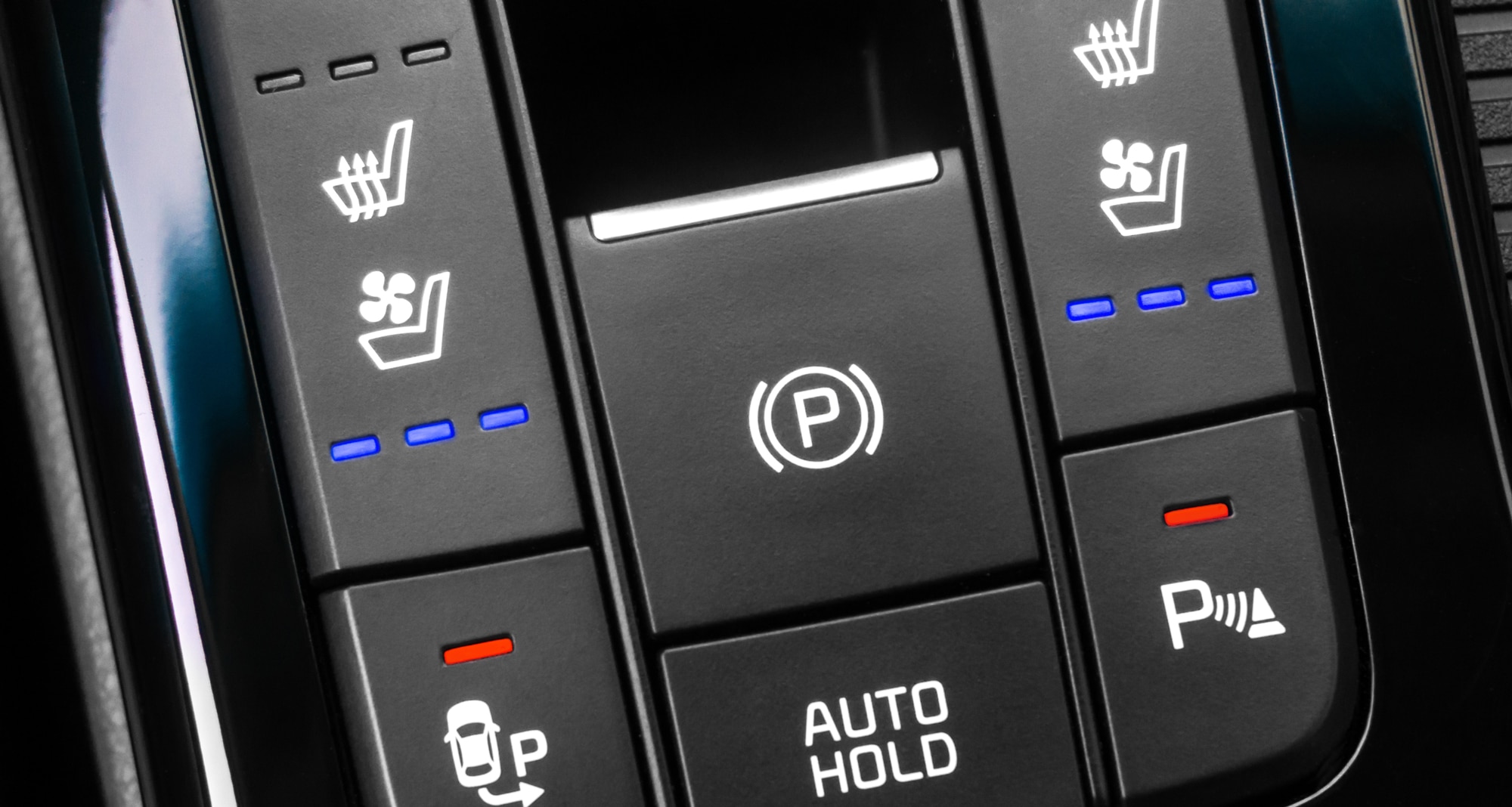
Understanding the Mechanics: How Vented Seats Work
At its core, a vented seat is a sophisticated air-management system integrated directly into the vehicle’s furniture. Unlike traditional seating, which relies on passive heat dissipation, vented seats utilize active hardware to facilitate airflow between the passenger and the seat surface.
The Fan and Duct Architecture
The primary components of a vented seat system are the internal blowers or fans. Typically, engineers embed two to four high-efficiency DC fans within the seat cushion and the backrest. These fans are designed to be compact, low-vibration, and whisper-quiet to ensure they do not interfere with the cabin’s NVH (Noise, Vibration, and Harshness) profile.
The fans pull air from the cabin—usually from the footwell area where the air is naturally cooler—and push it through a series of plastic ducts or “plenums” built into the seat foam. This air is then distributed across a wide surface area, pressurized slightly to ensure it can penetrate the layers of padding and upholstery.
Perforated Upholstery and Airflow Distribution
The hardware is only half of the equation; the “interface” layer is equally vital. For a vented seat to function, the upholstery—whether leather, synthetic leather, or high-end fabric—must be perforated. Using precision laser-cutting or mechanical die-punching, manufacturers create thousands of microscopic holes that allow the pressurized air to escape.
Between the fans and the leather, there is usually a “spacer fabric” or a 3D mesh layer. This material is engineered to resist collapsing under the weight of a passenger, maintaining the structural integrity of the air channels so that the cooling effect remains consistent even during long-duration drives.
Vented vs. Cooled Seats: The Technical Distinction
In the world of automotive tech, the terms “vented” and “cooled” are frequently used interchangeably by consumers, but they represent two distinct levels of engineering. Distinguishing between them is essential for understanding the thermal dynamics of a modern vehicle.
Passive Airflow vs. Active Refrigeration
Vented seats are essentially a high-tech version of a desk fan. They do not change the temperature of the air; they simply move existing cabin air. The cooling sensation the passenger feels is the result of “evaporative cooling”—the airflow helps move heat away from the body and speeds up the evaporation of moisture from the skin and clothing.
Cooled seats, however, involve an additional layer of technology: the Thermoelectric Device (TED). These systems utilize the Peltier effect, where an electric current passes through two different conductors to create a heat differential. One side of the device gets cold while the other gets hot. The air blown through the seat is passed over the cold side of the TED, resulting in air that is significantly lower than the ambient cabin temperature.
Energy Consumption and Complexity
From a technical standpoint, vented seats are the more efficient and reliable choice. Because they only power small fans, their draw on the vehicle’s electrical system is minimal. In contrast, cooled seats with Peltier modules or integrated AC ducting require more power and generate “waste heat” that must be vented away from the seat base, adding complexity to the seat’s design and potentially impacting the vehicle’s overall fuel or battery efficiency.
The Material Science of Breathable Interiors
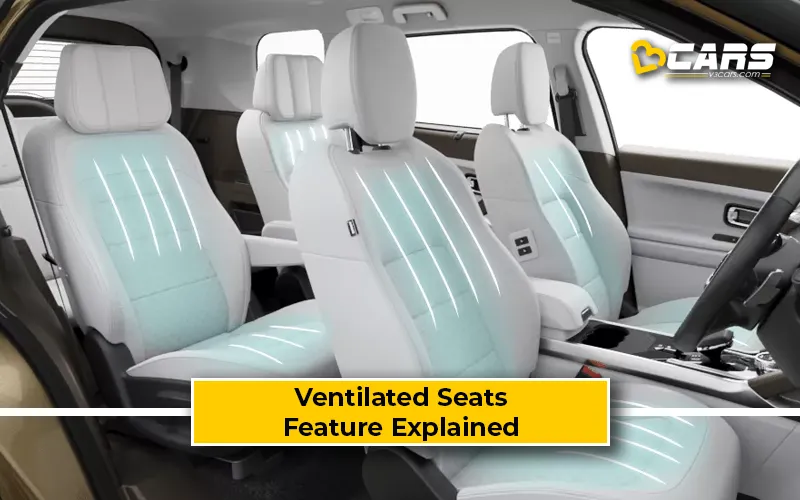
The development of vented seats has pushed the boundaries of material science in the automotive sector. Engineers must balance comfort, durability, and airflow—three factors that are often at odds.
Specialized Fabrics and Leather Processing
Standard automotive leather is treated with various coatings for durability and UV resistance, which often makes it non-breathable. For vented seats, chemical engineers have developed “breathable” topcoats that do not clog the micro-perforations. Furthermore, the backing of the leather—the scrim—must be specially designed to be air-permeable while still providing the structural strength needed to hold the seat’s shape over years of use.
Moisture Management and Thermal Regulation
Modern vented seats are increasingly being designed using “biomimetic” principles. By studying how the human body regulates temperature through perspiration, engineers have developed multi-layer seat compositions. These layers include moisture-wicking synthetic fibers and reticulated foams (foams with an open-cell structure) that allow for maximum air permeability.
This tech is not just about staying cool; it is about “thermal equilibrium.” By preventing the buildup of heat and moisture at the contact points (the back and thighs), the seat reduces the physiological stress on the driver, which can lead to increased alertness and reduced fatigue.
Integration into the Smart Cabin Ecosystem
As vehicles transition into “computers on wheels,” vented seats are no longer standalone mechanical features; they are becoming integrated components of the vehicle’s software-defined architecture.
AI and Sensor-Driven Comfort
The latest iterations of luxury vehicles use “Smart Climate Control” systems. Rather than the driver manually turning on the vented seats, the vehicle uses infrared sensors to monitor the surface temperature of the occupants’ skin. If the system detects that the passenger is overheating, the car’s central processor automatically activates the vented seats and adjusts the fan speed based on real-time data.
These systems are often linked to the GPS and external weather sensors. If the car is parked in direct sunlight and the internal temperature exceeds a certain threshold, the telematics system can pre-ventilate the seats before the driver even enters the vehicle, ensuring the surface is cool to the touch.
Impact on EV Battery Efficiency
In the world of Electric Vehicles (EVs), every watt of energy counts. Heating or cooling the entire cabin of an EV using the HVAC system is energy-intensive and can significantly reduce driving range. Vented and heated seats are a “micro-climate” solution. By applying cooling or heating directly to the occupant’s body, the vehicle can maintain passenger comfort while keeping the overall cabin temperature at a more energy-efficient level. This targeted thermal management is a key strategy for extending the range of next-generation electric platforms.
The Future of Thermal Comfort Technology
Looking ahead, the technology behind vented seats is set to become even more integrated and personalized. We are moving away from “one-size-fits-all” cooling toward individualized micro-environments.
Liquid-Cooled Surfaces and Phase-Change Materials
While air-based venting is the current standard, researchers are experimenting with liquid-cooled seat technology, similar to the cooling systems used in high-performance gaming PCs. By circulating a coolant through micro-tubes just beneath the seat surface, manufacturers could achieve much higher levels of heat extraction.
Additionally, the use of Phase-Change Materials (PCMs) is being explored. These are substances that absorb and release thermal energy during the process of melting and freezing. Integrated into the seat foam, PCMs could passively absorb body heat for hours, working in tandem with the fans to provide a consistent temperature without constant power draw.
Personalized Micro-Climates and Haptic Feedback
In the future, vented seats may also play a role in the vehicle’s safety interface. Engineers are looking into using the seat’s airflow as a form of “haptic feedback.” For instance, a quick pulse of cool air on the left side of the seat could alert a driver to a vehicle in their blind spot. Furthermore, as AI becomes more attuned to individual preferences, the seat will learn exactly how much airflow a specific driver prefers at different times of the day, creating a truly bespoke driving environment.

Conclusion
Vented seats represent a perfect intersection of mechanical engineering, material science, and digital integration. What began as a luxury gimmick has evolved into an essential piece of automotive technology that enhances driver comfort, improves vehicle efficiency, and paves the way for the intelligent cabins of the future. As we continue to refine the way we move, the focus on the “human-machine interface”—starting with where we sit—will remain a primary driver of innovation in the tech world.
aViewFromTheCave is a participant in the Amazon Services LLC Associates Program, an affiliate advertising program designed to provide a means for sites to earn advertising fees by advertising and linking to Amazon.com. Amazon, the Amazon logo, AmazonSupply, and the AmazonSupply logo are trademarks of Amazon.com, Inc. or its affiliates. As an Amazon Associate we earn affiliate commissions from qualifying purchases.