
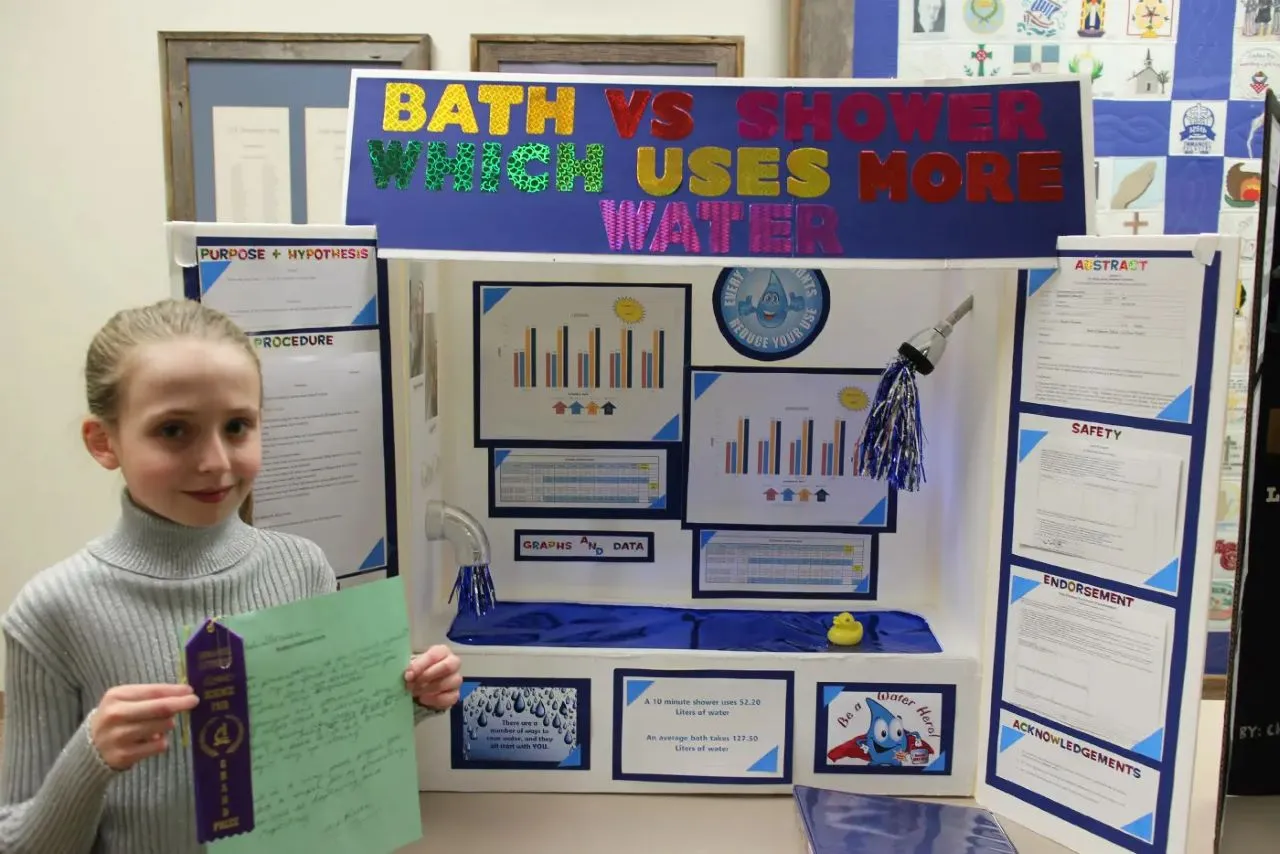
The traditional image of a science fair—cardboard tri-folds and baking-soda volcanoes—is rapidly being replaced by a new era of digital innovation. In today’s competitive academic landscape, the most successful science fair projects are those that bridge the gap between theoretical inquiry and practical technology. As we move further into the 2020s, “Tech” is no longer just a category; it is the foundation upon which groundbreaking student research is built.
From the integration of Artificial Intelligence (AI) to the democratization of sophisticated hardware like the Raspberry Pi, students now have access to tools that were once reserved for university labs. This shift allows for projects that address real-world challenges in cybersecurity, automation, and data science. The following top 10 science fair projects represent the pinnacle of modern technological application, categorized by their specific niches within the tech industry.

1. Advancements in Artificial Intelligence and Machine Learning
Artificial Intelligence (AI) has become the most sought-after field in science competitions. By moving beyond simple “if-then” logic and into the realm of neural networks, students can create projects that learn and adapt.
Predictive Analytics for Environmental Sustainability
One of the most impactful tech projects involves using machine learning (ML) to predict local environmental changes. By utilizing historical datasets from organizations like NOAA or NASA, students can train a model using Python and libraries such as Scikit-learn to predict local air quality indices or water table levels. This project demonstrates a deep understanding of data cleaning, algorithmic training, and the predictive power of modern AI.
Computer Vision for Medical Diagnostics
Using specialized libraries like OpenCV and TensorFlow, students can develop an AI-powered tool designed to analyze medical imagery. A popular and highly effective project involves training a model to detect signs of early-stage plant diseases or even human skin conditions from high-resolution photos. This project showcases the intersection of software engineering and biotechnology, emphasizing how computer vision can provide low-cost diagnostic solutions in regions with limited medical infrastructure.
2. Robotics, IoT, and Hardware Engineering
The “Internet of Things” (IoT) and robotics represent the physical manifestation of tech innovation. These projects require a blend of mechanical engineering, electrical circuits, and firmware programming.
Autonomous Navigation Systems for Urban Environments
Building an autonomous rover or drone is a quintessential tech project. Using LiDAR sensors and Arduino or Raspberry Pi microcontrollers, students can develop obstacle-avoidance algorithms. The challenge lies in creating a system that can map an unknown environment in real-time (SLAM—Simultaneous Localization and Mapping). This mirrors the technology currently being developed by industry giants for self-driving cars and delivery drones.
Smart Grid Energy Management Systems
As the world shifts toward renewable energy, the “Smart Grid” is a critical area of study. A top-tier project involves creating a miniature smart home system that uses IoT sensors to monitor energy consumption. By programming a central hub to automatically toggle appliances or dim lights based on ambient light levels or occupancy, the student demonstrates a mastery of sensor integration and energy-efficient software design.
Assistive Technology for the Visually Impaired
Tech is at its best when it serves humanity. A high-ranking project in this category is the development of a wearable device that uses ultrasonic sensors or haptic feedback to help visually impaired individuals navigate. By integrating a camera and a text-to-speech AI, the device can read street signs or labels aloud, showcasing a sophisticated use of hardware-software integration.
3. Software Development and Digital Security

In an increasingly digitized world, the security of our data and the efficiency of our software are paramount. Projects in this category focus on the “invisible” layers of technology that keep the modern world running.
Cryptographic Algorithms and Data Encryption
Cybersecurity is a high-stakes field, and science fair projects that explore encryption are always well-received. A student might compare the efficiency and security of different cryptographic methods (such as RSA vs. AES) or develop their own unique encryption protocol for secure messaging. This project requires a strong mathematical foundation and proficiency in low-level programming to demonstrate how data can be protected from interceptive “man-in-the-middle” attacks.
Blockchain Beyond Cryptocurrency
While most people associate blockchain with Bitcoin, its technological application in logistics and verification is vast. A standout project involves creating a private blockchain to track the supply chain of a specific product, ensuring its “fair trade” status. By coding smart contracts, the student demonstrates how decentralized ledgers can prevent fraud and increase transparency in global trade—a hot topic in current fintech and logistics circles.
Mobile App Development for Social Impact
Developing a functional mobile app using frameworks like Flutter or React Native is a significant undertaking. The most successful projects identify a specific niche—such as an app that connects local food banks with grocery stores to reduce waste, or a digital security audit tool for home Wi-Fi networks. This project proves the student can take a product from the conceptual design phase through to a functional UI/UX deployment.
4. Green Tech and Sustainable Digital Innovations
“Green Tech” involves using technology to mitigate human impact on the environment. These projects are often at the forefront of science fairs because they offer tangible solutions to the climate crisis.
Micro-Hydroelectric Power Generation via IoT
Students can design and build a small-scale hydroelectric generator that uses sensors to monitor water flow and output efficiency. By transmitting this data via Wi-Fi to a digital dashboard, the project moves from simple physics into the realm of modern energy monitoring. It highlights the potential for localized, tech-driven power solutions in remote areas.
AI-Optimized Hydroponic Systems
Hydroponics (growing plants without soil) is significantly more efficient when managed by technology. A top-ten project involves creating a fully automated hydroponic rig where a microcontroller manages pH levels, nutrient delivery, and LED light cycles based on real-time data from moisture and light sensors. By using a machine learning algorithm to determine the “perfect” growth cycle, the student creates a bridge between agricultural tech and automated software systems.
5. Professional Implementation and Project Success
Choosing a top-tier tech project is only the first step. To succeed in a modern science fair, the project must be presented with the same professional rigor found in the tech industry.
The Importance of Documentation and Open Source
Judges in the tech category look for more than just a working prototype; they look for a “clean” development process. Successful students should host their code on platforms like GitHub, providing a clear history of their commits and revisions. This transparency demonstrates professional software development practices and allows others to build upon their work—a core tenet of the global tech community.
UX/UI Design and Presentation
In the tech world, a product is only as good as its usability. For a science fair, this means the user interface of an app or the physical layout of a robot should be intuitive. Students should focus on “User Experience” (UX) during their demonstration, ensuring that even a non-technical judge can understand how the technology operates. Utilizing 3D printing for professional-looking enclosures or designing a sleek digital dashboard for data visualization can elevate a project from an amateur experiment to a professional-grade prototype.
Future-Proofing Through Ethics
As technology advances, ethical considerations become more important. A truly sophisticated science fair project will include a section on the ethical implications of the technology being used. For instance, if an AI is used to recognize faces, the student should address data privacy and algorithmic bias. Acknowledging these real-world tech challenges shows a level of maturity and foresight that separates top-tier competitors from the rest.
Conclusion: The Tech-Driven Future of Science Fairs
The “Top 10” science fair projects are no longer defined by the subjects they cover, but by the technological tools they employ to solve problems. Whether it is through the lens of AI, the complexity of a custom-built robot, or the security of a new software protocol, these projects reflect the rapid pace of global innovation. For the modern student, the science fair is an opportunity to act as a developer, an engineer, and a visionary, using technology to turn a simple hypothesis into a functional reality. By mastering these digital tools, participants are not just winning competitions; they are preparing themselves for careers in an increasingly tech-centric world.
aViewFromTheCave is a participant in the Amazon Services LLC Associates Program, an affiliate advertising program designed to provide a means for sites to earn advertising fees by advertising and linking to Amazon.com. Amazon, the Amazon logo, AmazonSupply, and the AmazonSupply logo are trademarks of Amazon.com, Inc. or its affiliates. As an Amazon Associate we earn affiliate commissions from qualifying purchases.