
In the traditional sense, an “artefact” refers to an object made by a human being, typically one of cultural or historical interest. However, in the rapidly evolving landscape of technology, the term has been reclaimed and redefined. Today, artefacts are the tangible results of digital processes, software development lifecycles, and increasingly, the sophisticated outputs of artificial intelligence.
Whether you are a software engineer managing build pipelines, a data scientist analyzing model outputs, or a casual user interacting with the latest generative AI tools, the concept of the “artefact” is central to how we create, store, and interact with digital information. Understanding what these artefacts are—and why they matter—is essential for navigating the modern tech ecosystem.
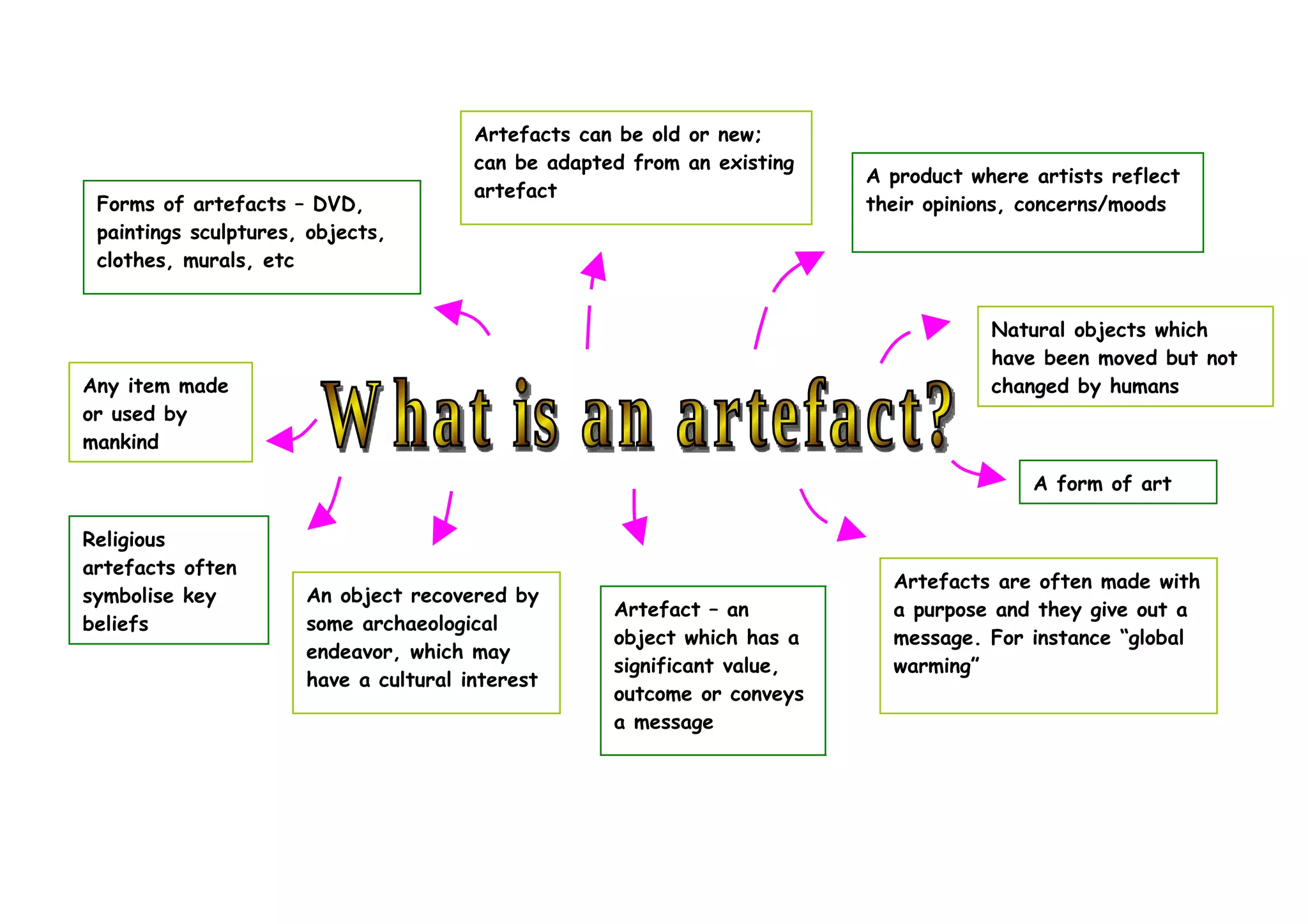
1. The Evolution of Digital Artefacts: From Data Residue to AI Outputs
In technology, an artefact is rarely a physical object. Instead, it is a byproduct or a specific result of a technical process. Historically, the term was used primarily in two contexts: software development and digital forensics. In development, it referred to the documentation and code produced during a project. In forensics, it referred to the digital “crumbs” left behind by a user on a system.
As we move deeper into the era of automation and intelligent systems, the definition has expanded. Today’s digital artefacts are dynamic, often interactive, and frequently generated in real-time by machines rather than humans.
The Software Engineering Perspective
In the world of software engineering, artefacts are the documentation and binaries produced during the development process. When a developer writes code, the code itself is an asset, but the compiled version of that code—the executable file that actually runs on a computer—is the artefact. These include design documents, data models, workflow diagrams, and test scripts. They serve as the “evidence” of the work performed and the necessary components for the next stage of the project.
Digital Forensics and System Logs
From a security and systems standpoint, artefacts are the traces of activity within an operating system. Every time you open a file, connect to a VPN, or install an application, the system creates artefacts. These might include registry keys, log files, or temporary internet files. For digital investigators, these artefacts are crucial for reconstructing events during a cyber-attack or system failure. They are the “digital fingerprints” of the modern age.
2. AI Artefacts: A New Paradigm in Human-Computer Interaction
The most recent and perhaps most exciting evolution of the term comes from the field of Generative AI. Leading AI platforms have introduced “Artifacts” as a dedicated feature, fundamentally changing how we perceive the relationship between a user’s prompt and the machine’s response. In this context, an artefact is a high-level, standalone piece of content—such as a snippet of code, a website mock-up, a vector graphic, or a complex data visualization—generated by an AI model.
Real-time Code Execution and Rendering
Unlike a simple text response, an AI artefact is often functional. For example, if a user asks an AI to “build a simple calculator app,” the text explaining how it works is the conversation, but the actual block of React code or the rendered HTML preview is the artefact. This distinction allows users to separate the “discussion” about a project from the “product” itself. These artefacts can be edited, versioned, and shared, making them a cornerstone of collaborative AI work.
Document Generation and Visualisation
Beyond code, AI artefacts include structured documents and visual assets. When an AI generates a 1,500-word white paper or a complex SVG diagram of a neural network, these are treated as distinct entities. This modular approach to digital content means that the output is no longer buried in a long chat history; it exists as a discrete, professional-grade file that can be integrated directly into a business workflow.
3. Technical Artefacts in Development and Deployment (CI/CD)

For those working in DevOps and cloud computing, “artefact” has a very specific, high-stakes meaning. In a Continuous Integration/Continuous Deployment (CI/CD) pipeline, an artefact is the deployable component that results from the build process. This is the “shipping container” of the software world.
Build Artefacts and Binary Repositories
When a developer pushes code to a repository like GitHub, an automated system builds the software. The resulting files—perhaps a Docker image, a .JAR file, or a .WAR file—are the build artefacts. These are then stored in “Artefact Repositories” (such as JFrog Artifactory or AWS CodeArtifact). The integrity of these artefacts is paramount; if an artefact is corrupted or tampered with, the entire software infrastructure could be compromised. This makes artefact management a critical pillar of modern digital security.
Managing Dependency Chains
Modern software is rarely built from scratch. It relies on thousands of smaller, third-party artefacts called dependencies. Managing these is a complex technical challenge. An “artefact” in this sense is a versioned package that a system must pull from a server to function. Understanding the “provenance” of an artefact—where it came from, who built it, and whether it has been scanned for vulnerabilities—is the foundation of software supply chain security.
4. Dealing with Unwanted Artefacts: Compression and AI Hallucinations
Not all artefacts are desirable. In certain niches of technology, an “artefact” refers to an unintended distortion or error introduced by a process. These are the “glitches in the matrix” that engineers work tirelessly to eliminate.
Visual Noise and Digital Compression
In digital imaging and video streaming, “compression artefacts” are the blocky, blurred, or distorted parts of an image that appear when a file is reduced too much in size. If you have ever watched a low-resolution YouTube video and noticed “ghosting” around fast-moving objects, you are seeing visual artefacts. These occur because the algorithm (codec) has discarded too much data to save bandwidth, leaving behind a digital scar.
Identifying Logical Artefacts in Large Language Models
In the realm of Artificial Intelligence, we often encounter “hallucination artefacts.” These are pieces of information or code generated by an AI that seem correct at first glance but are logically flawed or non-functional. For developers using AI to generate code artefacts, “debugging the artefact” has become a new skill set. It requires a deep understanding of the underlying tech to identify where the machine-generated output deviates from the desired reality.
5. The Future of the Artefact as a Collaborative Workspace
As we look toward the future of technology, the concept of the artefact is moving away from a “static file” toward a “living document.” The line between a tool and its output is blurring. We are entering an era where artefacts are not just things we create, but environments where we work.
From Static Files to Dynamic Objects
In the future, a digital artefact won’t just be a PDF or a piece of code. It will be an interactive object that can update itself. Imagine a project management artefact that automatically pulls data from a company’s financial software, or a design artefact that adjusts its layout based on real-time user feedback. In this scenario, the artefact becomes a “smart” entity within a tech ecosystem.
The Role of Traceability and Governance
As AI and automated systems generate more of our world’s digital content, the “metadata” of an artefact—the information about who created it and when—becomes as important as the artefact itself. In a world of deepfakes and automated misinformation, the ability to verify the origin of a digital artefact is the next great frontier in digital security. Technologies like blockchain and digital signatures are already being integrated into artefact management to ensure that what we see and download is authentic.

Conclusion
In the tech world, artefacts are far more than just “things.” They are the bridge between human intention and machine execution. They represent the progress of a software build, the creativity of an AI prompt, and the evidence of a system’s history.
By understanding the different types of artefacts—from the binaries in a DevOps pipeline to the interactive code blocks in a generative AI chat—tech professionals can better manage their workflows and secure their digital assets. As technology continues to advance, our ability to create, manage, and verify these digital artefacts will be the defining factor in our success within the digital economy. The artefact is no longer a relic of the past; it is the fundamental building block of our digital future.
aViewFromTheCave is a participant in the Amazon Services LLC Associates Program, an affiliate advertising program designed to provide a means for sites to earn advertising fees by advertising and linking to Amazon.com. Amazon, the Amazon logo, AmazonSupply, and the AmazonSupply logo are trademarks of Amazon.com, Inc. or its affiliates. As an Amazon Associate we earn affiliate commissions from qualifying purchases.