
In the competitive landscape of modern employment, an interview is more than just a Q&A session; it is a high-stakes exercise in personal branding. Every word you speak and every gesture you make contributes to the “brand identity” you are building in the mind of the recruiter. Perhaps no moment in the interview process tests this brand identity more than the dreaded question: “What is your greatest weakness?”
While many candidates view this question as a trap designed to expose their flaws, savvy professionals recognize it as a strategic opportunity. In the world of brand strategy, transparency is often the key to building trust. When a brand admits to a limitation and demonstrates how it is addressing it, it gains credibility. Similarly, your answer to the weakness question is a chance to showcase self-awareness, resilience, and a commitment to continuous improvement—the hallmarks of a premium personal brand.
The Psychology of Vulnerability in Personal Branding
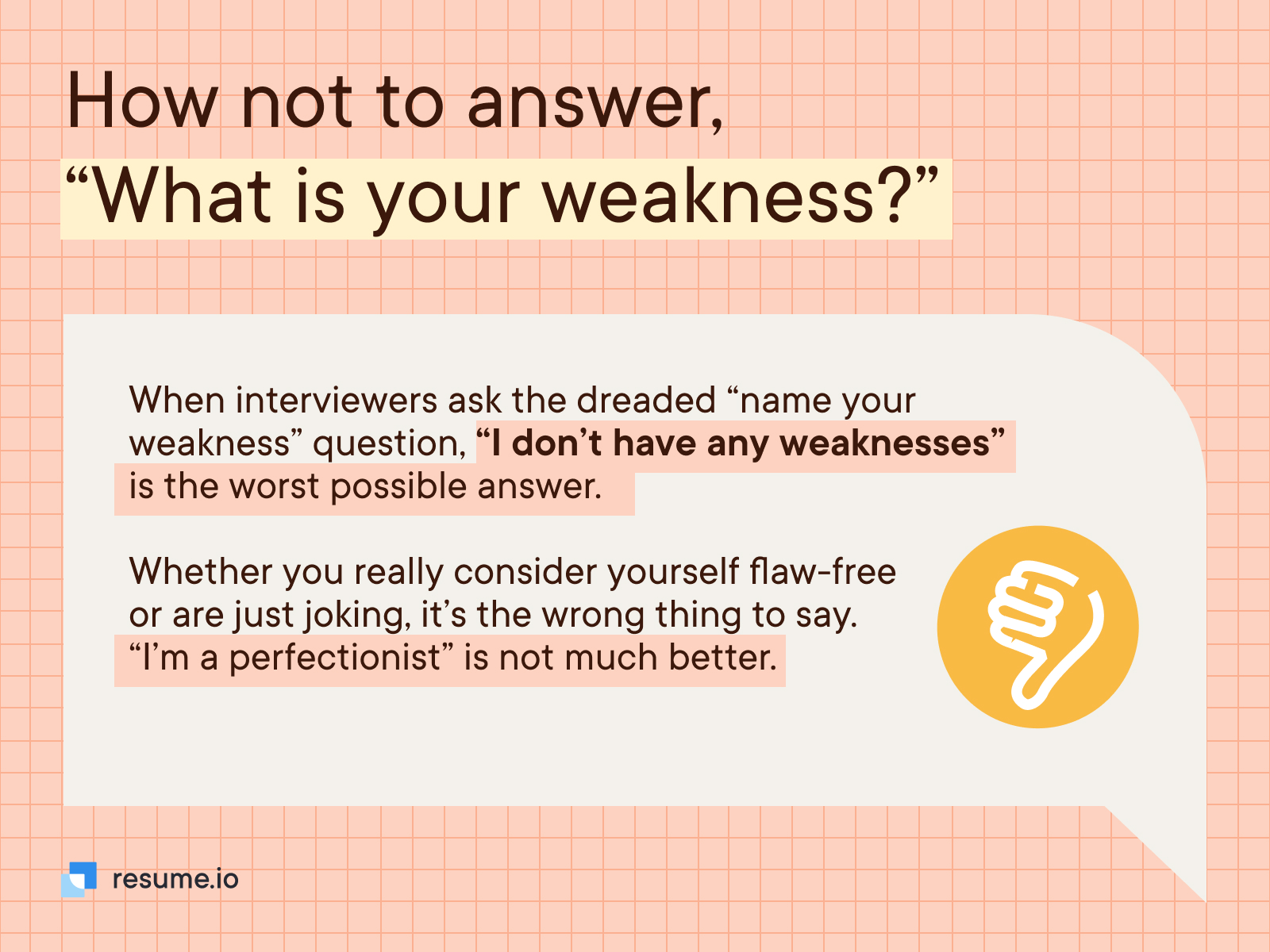
To answer this question effectively, one must first understand the shift in how professional brands are perceived. The era of the “perfect professional”—a static, flawless entity—is over. Today, corporate identity and personal branding are centered on authenticity and growth.
Authenticity vs. Perfection
A brand that claims to have no flaws is often viewed with skepticism. Think of a software product that claims to have zero bugs or a marketing agency that guarantees 100% success on every campaign. These claims feel dishonest. In a personal branding context, presenting yourself as “perfect” makes you appear uncoachable and lacking in self-reflection. By identifying a genuine weakness, you humanize your brand. You signal to the employer that you are honest and grounded in reality, which are essential traits for leadership and teamwork.
Why Recruiters Ask (and What They Are Really Looking For)
From a brand strategy perspective, the recruiter is performing a “brand audit.” They aren’t looking for a reason to disqualify you; they are looking for “brand fit.” They want to see how you handle pressure and how you manage your own development. A well-articulated weakness demonstrates that you possess a “growth mindset.” It tells the recruiter that your brand is dynamic—not just a fixed set of skills, but an evolving asset that proactively addresses its own limitations.
Framing Weaknesses as Part of Your Brand Narrative
In marketing, storytelling is the most effective way to communicate value. Your career is your brand narrative, and every narrative needs a conflict and a resolution. Treating your weakness as the “conflict” and your self-improvement as the “resolution” allows you to control the story.
The “Work in Progress” Model
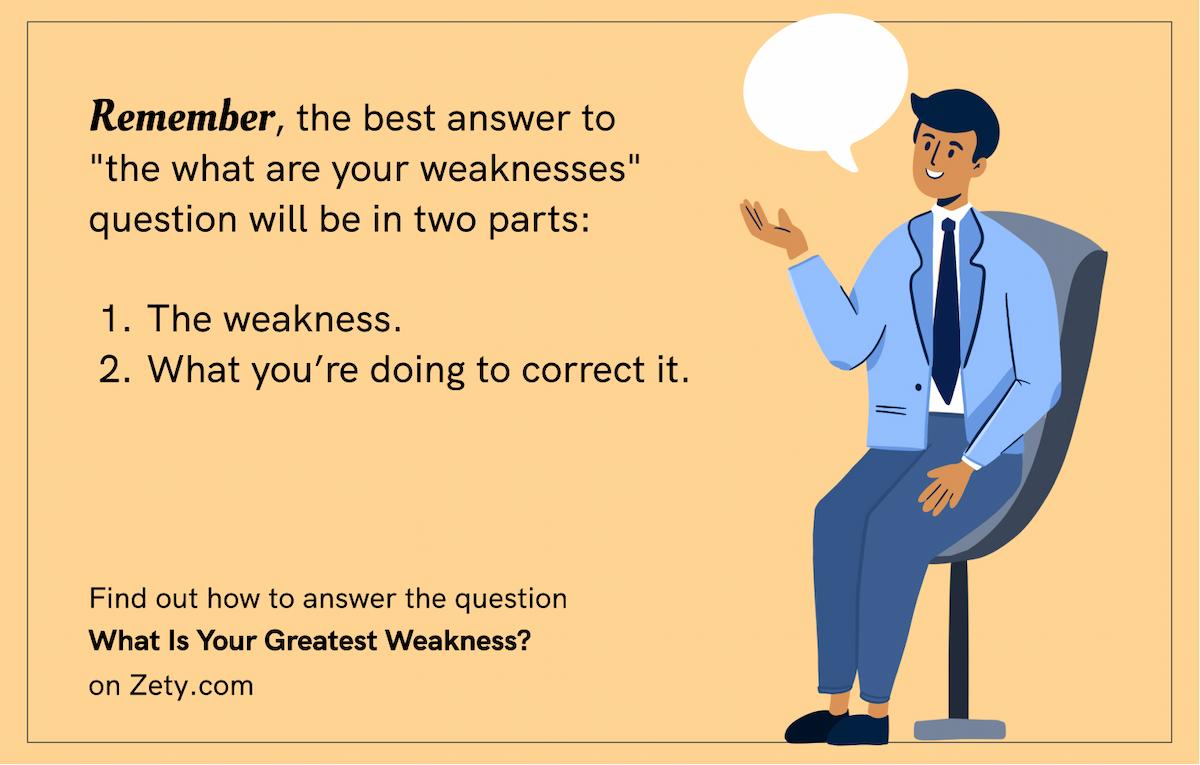
Instead of viewing a weakness as a permanent stain on your professional image, frame it as a “Work in Progress.” This involves three distinct stages: Identification, Action, and Transformation.
- Identification: State the weakness clearly (e.g., “Earlier in my career, I found it difficult to delegate tasks”).
- Action: Describe the specific steps you took to improve (e.g., “I enrolled in a management course and began using project management tools like Asana to track team progress”).
- Transformation: Show the result (e.g., “As a result, my team’s productivity increased by 20%, and I was able to focus on high-level strategy”).
This structure ensures that the focus remains on your proactive nature rather than the flaw itself.
Transforming Technical Gaps into Growth Stories
Sometimes, your weakness might be a specific skill gap. From a personal branding standpoint, this is the easiest weakness to manage. If you are applying for a brand management role but lack experience in data analytics, you don’t hide it. Instead, you position it as a strategic expansion of your brand. You might say, “While my core strength lies in creative strategy, I recognized that data-driven insights are becoming the backbone of the industry. Therefore, I am currently completing a certification in Google Analytics to ensure my brand offers a holistic approach to marketing.”

Strategies for Choosing the Right “Brand Flaw”
Not all weaknesses are created equal. In brand strategy, you must protect your “core value proposition.” If you are a professional driver, you cannot say your weakness is “falling asleep at the wheel.” You must choose a weakness that is peripheral to your main duties but still significant enough to be meaningful.
Selecting a Non-Critical “Brand Flaw”
Your chosen weakness should be one that does not undermine your ability to perform the essential functions of the job. If you are applying for a role in Design and Creative Strategy, a weakness in “public speaking” is acceptable and common. It shows you are focused on the craft but aware of the need to communicate it. By selecting a flaw that isn’t a “deal-breaker,” you maintain the integrity of your brand while remaining honest.
Aligning Your Answer with Corporate Culture
Every company has its own corporate identity. A weakness that is acceptable at a fast-paced tech startup might be a red flag at a conservative financial firm. Before your interview, conduct a brand analysis of the company. Are they highly collaborative? Are they data-obsessed? Choose a weakness that aligns with their values of transparency. For example, if a company prides itself on “Radical Candor,” you might share that you sometimes struggle with giving “too much” feedback and are working on tailoring your communication style to different personality types. This shows you have researched their culture and are a “brand fit.”
Execution: Delivering Your Response with Executive Presence
The content of your answer matters, but the delivery is what solidifies your personal brand. Executive presence is the ability to project confidence and poise, even when discussing uncomfortable topics.
Body Language and Brand Consistency
A brand is a promise of consistency. If you talk about being a confident leader but shrink into your chair when asked about your weaknesses, your brand message is inconsistent. When answering this question, maintain eye contact, keep an open posture, and speak with a steady tone. This signals that you are comfortable with who you are—flaws and all. A person who can discuss their shortcomings with confidence is perceived as much more powerful than someone who nervously tries to hide them.
Turning the Question into a Value Proposition
The ultimate goal of any branding exercise is to demonstrate value. Use the conclusion of your answer to pivot back to your strengths. For instance, if you discuss your past struggle with time management, you can end by saying, “This experience taught me the value of meticulous planning. Now, I use a rigorous scheduling system that has actually made me more organized than many of my peers.”
By doing this, you aren’t just answering a question; you are repositioning yourself. You have taken a “bug” in your professional software and rebranded it as a “feature”—a catalyst that led to a superior system of organization.
Conclusion: The Long-Term Benefit of Brand Transparency
Mastering the “weakness” question is about more than just surviving an interview. It is a fundamental exercise in building a sustainable personal brand. In the long run, the professionals who rise to the top aren’t the ones who never fail; they are the ones who can look at their failures objectively, learn from them, and integrate those lessons into their professional identity.
By approaching this question through the lens of brand strategy, you transform a moment of vulnerability into a moment of strength. You prove that you are a self-aware, evolving professional who is capable of growth. In the eyes of an employer, that is the most valuable brand of all. When you can articulate where you have been, where you are, and where you are going—limitations included—you cease to be just another candidate. You become a premium brand that any organization would be lucky to acquire.
aViewFromTheCave is a participant in the Amazon Services LLC Associates Program, an affiliate advertising program designed to provide a means for sites to earn advertising fees by advertising and linking to Amazon.com. Amazon, the Amazon logo, AmazonSupply, and the AmazonSupply logo are trademarks of Amazon.com, Inc. or its affiliates. As an Amazon Associate we earn affiliate commissions from qualifying purchases.