
The announcement of the “Krabby Patty Kollab” between Wendy’s and Paramount (celebrating the 25th anniversary of SpongeBob SquarePants) represents more than just a seasonal menu update. It is a masterclass in brand strategy, demonstrating how two disparate entities—a global fast-food giant and a beloved animation franchise—can merge their corporate identities to capture market share through the powerful lens of nostalgia. While the core of the promotion is a physical meal, the real product being sold is an emotional connection to a fictional legacy.
In the modern marketing landscape, the intersection of intellectual property (IP) and consumer goods is increasingly crowded. However, the Wendy’s Krabby Patty execution stands out as a high-fidelity translation of a digital icon into a tangible brand experience. This article examines the strategic underpinnings of this collaboration, the psychological triggers of nostalgia marketing, and the brand architecture required to bring a “Secret Formula” to life.

The Architecture of a Brand Collaboration: Why Wendy’s and SpongeBob SquarePants?
Strategic brand partnerships are rarely about the product alone; they are about demographic alignment and brand “vibe.” For Wendy’s, partnering with SpongeBob SquarePants was a calculated move to bridge the gap between their heritage as a “quality-first” burger chain and the cultural zeitgeist dominated by Gen Z and Millennials.
The Power of Multi-Generational Nostalgia
Nostalgia is one of the most potent tools in a brand strategist’s arsenal. For the “Krabby Patty Kollab,” the target audience is bifurcated. On one hand, there are the Millennials and older Gen Z-ers who grew up with SpongeBob as a foundational part of their childhood. For this group, the Krabby Patty is an unattainable culinary legend finally made real. On the other hand, younger children currently watching the show represent a fresh demographic for Wendy’s to onboard into their brand ecosystem. By leveraging a 25-year-old IP, Wendy’s isn’t just selling a burger; they are selling a return to childhood simplicity, wrapped in the professional reliability of their “fresh, never frozen” brand promise.
Strategic Alignment of Brand Personalities
Successful collaborations require a shared personality. Wendy’s has spent the last decade cultivating a “challenger brand” persona on social media—snarky, witty, and deeply embedded in internet culture. SpongeBob SquarePants is the DNA of internet culture, providing the source material for thousands of memes. This alignment makes the partnership feel organic rather than forced. A more conservative brand might have struggled to lean into the whimsical nature of Bikini Bottom, but Wendy’s’ existing brand voice allowed them to speak the language of the fans without losing their corporate identity.
Product Identity: Reifying the Fictional for the Modern Consumer
The primary challenge of this brand exercise was the “Krabby Patty” itself. In the show, the burger is a mythical object of desire. To translate this into a retail environment, Wendy’s had to balance the expectations of fiction with the operational realities of a global supply chain.
Beyond the Ingredients: Selling an Experience
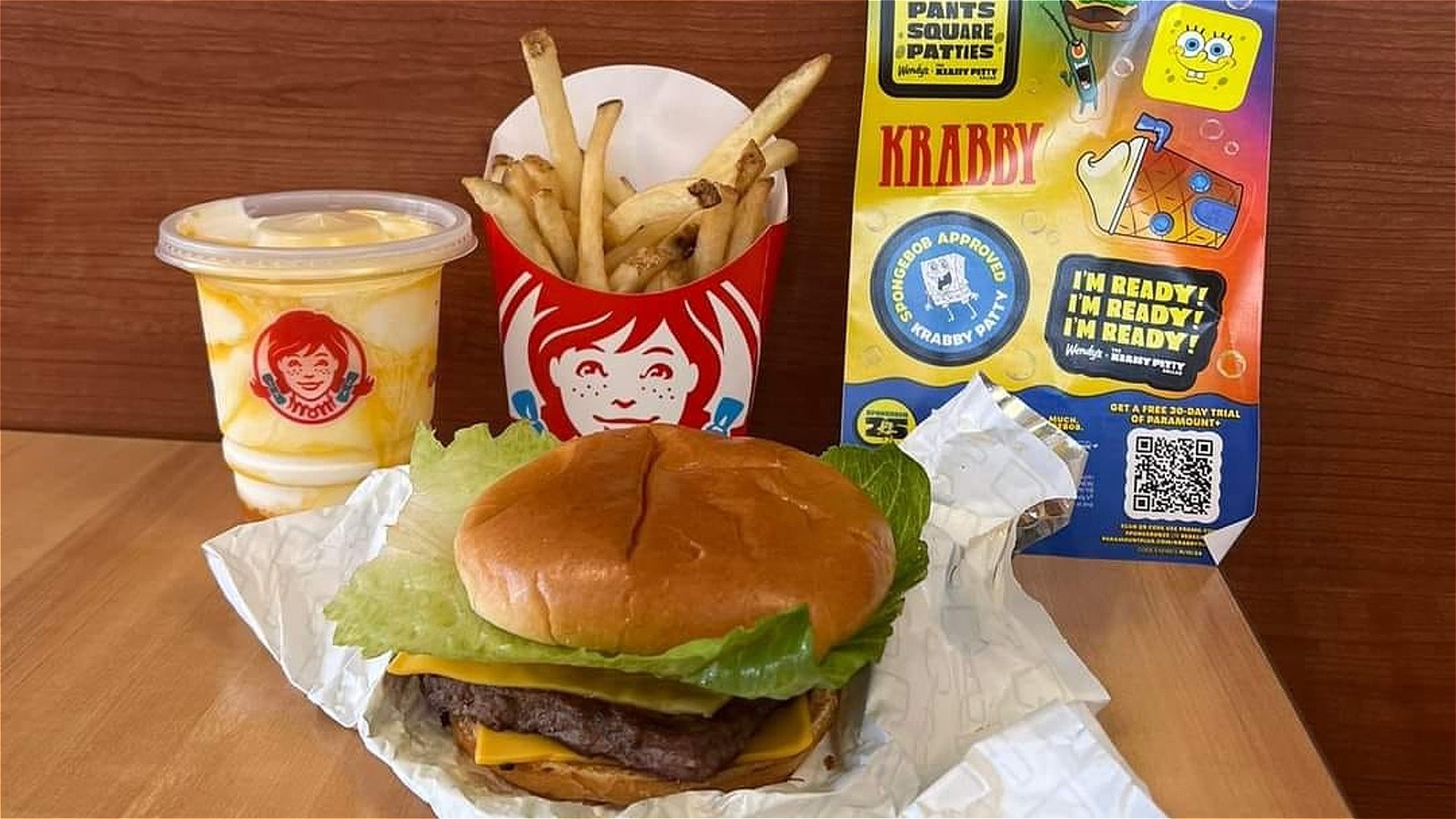
When consumers ask “what’s on the Krabby Patty,” they are looking for a brand experience that validates their fandom. Wendy’s addressed this by utilizing their premium “Dave’s Single” architecture—quarter-pound beef, American cheese, lettuce, tomato, pickles, and onion—but adding a “top-secret” Krabby Patty Sauce.
From a brand strategy perspective, the “Secret Sauce” is the most critical element. It mirrors the “Secret Formula” plotline of the television show, creating a narrative bridge. By centering the marketing on a proprietary flavor profile, Wendy’s ensures that the product cannot be easily replicated by competitors, thereby protecting the brand equity of the collaboration.
The Visual and Sensory Elements of Brand Translation
The branding extends beyond the flavor to the visual presentation. The inclusion of the “Pineapple Under the Sea” Frosty—a vanilla base with a pineapple-mango puree swirl—is a brilliant example of sensory branding. It takes a literal element of the show (SpongeBob’s home) and translates it into a flavor profile that is synonymous with the character. This multi-sensory approach ensures that the brand collaboration feels immersive. When a customer sees the bright yellow and blue packaging, they are immediately transported into the brand’s narrative world, reinforcing the “Kollab” identity at every touchpoint.

Marketing the “Secret Formula”: Launch Strategy and Hype Cycles
A brand is only as strong as its visibility. The “Krabby Patty Kollab” utilized a sophisticated multi-channel marketing strategy to ensure that the launch felt like a cultural event rather than a mere menu addition.
Digital Integration and Social Media Synergy
Wendy’s utilized its massive social media presence to generate “leak-style” hype before the official announcement. This strategy mimics the way tech companies launch new hardware, creating a sense of exclusivity and anticipation. By engaging with meme accounts and influencers who specialize in 90s and 2000s nostalgia, the brand ensured that the conversation started in organic communities before moving to paid advertising. This “bottom-up” brand building is essential for maintaining authenticity when dealing with beloved IP.
Managing the Scarcity Principle
The limited-time offer (LTO) model is a cornerstone of fast-food brand strategy. By framing the Krabby Patty as a “limited-edition” event, Wendy’s creates a sense of urgency. This scarcity drives foot traffic and app downloads, as consumers rush to experience the “fictional-made-real” before it disappears. Furthermore, the collaboration incentivizes use of the Wendy’s mobile app through exclusive “Kollab” deals, effectively using the SpongeBob IP to increase the brand’s digital footprint and data collection capabilities.
Impact Assessment: Measuring the Success of the Krabby Patty Kollab
While immediate sales figures are the primary metric for corporate success, the long-term value of the Krabby Patty Kollab lies in brand equity and market positioning.
Brand Equity and Market Sentiment
This partnership has successfully repositioned Wendy’s as a brand that “gets” pop culture. In a market where McDonald’s has seen massive success with the “Grimace Shake” and “Adult Happy Meals,” Wendy’s needed a high-impact response. The Krabby Patty Kollab provided this, garnering millions of earned media impressions. The sentiment analysis of the campaign shows a high degree of “fandom approval,” which is notoriously difficult to achieve. When a brand treats a fictional IP with respect and high-quality execution, it earns the loyalty of that IP’s fanbase.
Long-term Implications for Fast-Food Marketing
The success of this collaboration signals a shift in how brand identity is constructed in the fast-food industry. We are moving away from generic value propositions and toward “entertainment-driven dining.” The Krabby Patty Wendy’s campaign proves that consumers are willing to pay a premium for a story.
For future brand strategies, this sets a high bar for “IP-based dining.” It suggests that successful brand extensions must be:
- Authentic to the Source: The product must feel like it belongs in the fictional world.
- Operationally Excellent: The physical product must meet the brand’s quality standards to avoid disappointing the fans.
- Digitally Integrated: The campaign must live where the fans live—on social media and mobile platforms.
Conclusion: The Future of Collaborative Brand Identity
The Wendy’s Krabby Patty Kollab is a landmark moment in corporate branding. It demonstrates the ability of a legacy fast-food chain to reinvent itself through strategic association. By identifying the intersection of nostalgia, internet culture, and premium product design, Wendy’s has done more than just put a new sauce on a burger; they have created a cultural touchstone.
As brands continue to compete for the dwindling attention spans of consumers, the lesson from Bikini Bottom is clear: deep-rooted emotional connections are the ultimate “Secret Formula.” Whether through a pineapple-flavored Frosty or a legendary animated burger, the goal of brand strategy remains the same—to turn a transaction into a memory. Wendy’s hasn’t just fed its customers; it has invited them into a story that has been 25 years in the making, securing its place as a leader in the next generation of experiential marketing.
aViewFromTheCave is a participant in the Amazon Services LLC Associates Program, an affiliate advertising program designed to provide a means for sites to earn advertising fees by advertising and linking to Amazon.com. Amazon, the Amazon logo, AmazonSupply, and the AmazonSupply logo are trademarks of Amazon.com, Inc. or its affiliates. As an Amazon Associate we earn affiliate commissions from qualifying purchases.