
In the world of alternative assets, the term “sweetness” carries a dual meaning. To the casual consumer, it refers to the residual sugar content that dances on the palate. To the sophisticated investor, it represents the lucrative potential of a niche market often overlooked by those focused solely on Bordeaux reds or Burgundian Pinots. When asking what type of wine is the sweetest, we are not merely discussing dessert pairings; we are analyzing the economic viability, scarcity, and long-term appreciation of the “liquid gold” category.
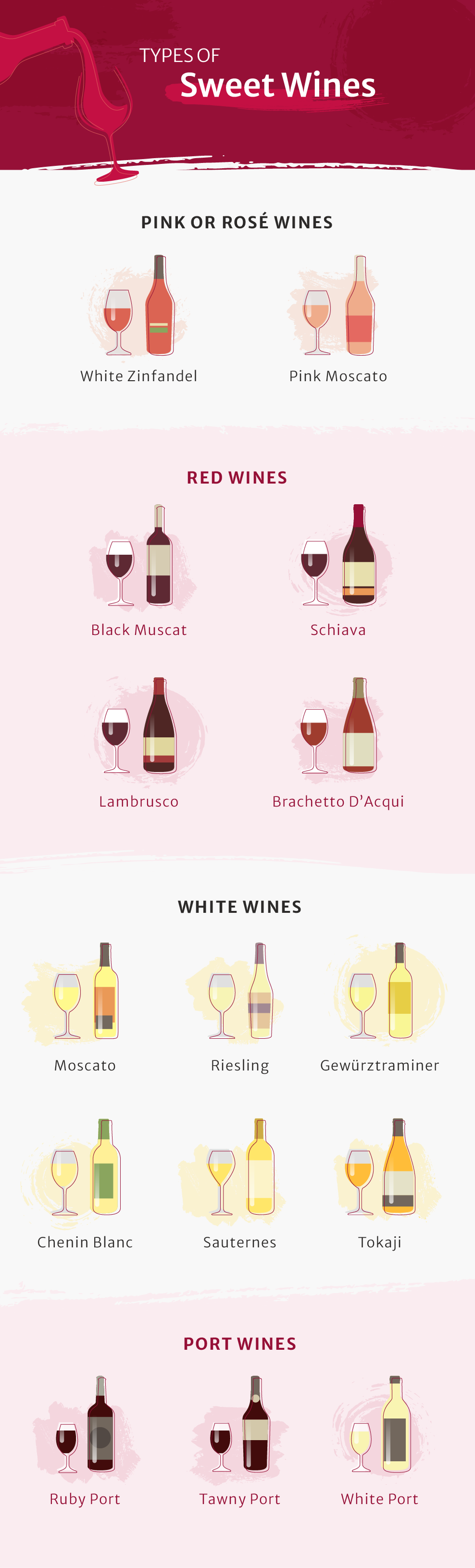
From the fog-covered vineyards of Sauternes to the frozen hillsides of Ontario, sweet wines represent some of the most labor-intensive and high-risk agricultural products on the planet. This inherent difficulty in production creates a natural supply constraint, which, when paired with the extraordinary longevity of high-sugar wines, makes them a compelling addition to a diversified financial portfolio.
The Economics of Residual Sugar: Why Sweet Wine Commands a Premium
To understand why certain sweet wines command prices upwards of thousands of dollars per bottle, one must first understand the “yield sacrifice.” Unlike standard dry wines, where a large volume of grapes is harvested to maximize output, the sweetest wines in the world require a drastic reduction in volume to concentrate sugars.
The Yield Sacrifice: Botrytis and Late Harvest Risks
The most prestigious sweet wines, such as those from the Sauternes region of France, rely on Botrytis cinerea, or “Noble Rot.” This fungus pierces the skin of the grape, allowing water to evaporate while concentrating sugar, acid, and flavor. However, the conditions required for Noble Rot are incredibly specific and fickle. A season with too much rain leads to “grey rot” (which destroys the crop), while too much sun prevents the fungus from forming.
From a business perspective, the yield is incredibly low. While a standard vineyard might produce 40 to 50 hectoliters per hectare, a top-tier sweet wine producer like Château d’Yquem often produces only 9 hectoliters. This scarcity is a fundamental driver of its market value.
Production Costs vs. Market Pricing
The labor involved in harvesting sweet wine is significantly higher than that of dry wine. For the sweetest categories, such as Trockenbeerenauslese (TBA) in Germany or Essencia in Hungary, harvesters must go through the vineyards multiple times—a process known as tries—to hand-pick individual shriveled grapes. This manual labor intensity increases the “cost of goods sold” (COGS), which sets a high floor for retail pricing and secondary market valuation.
Identifying the “Sweetest” Investment Assets: From Sauternes to Tokaji
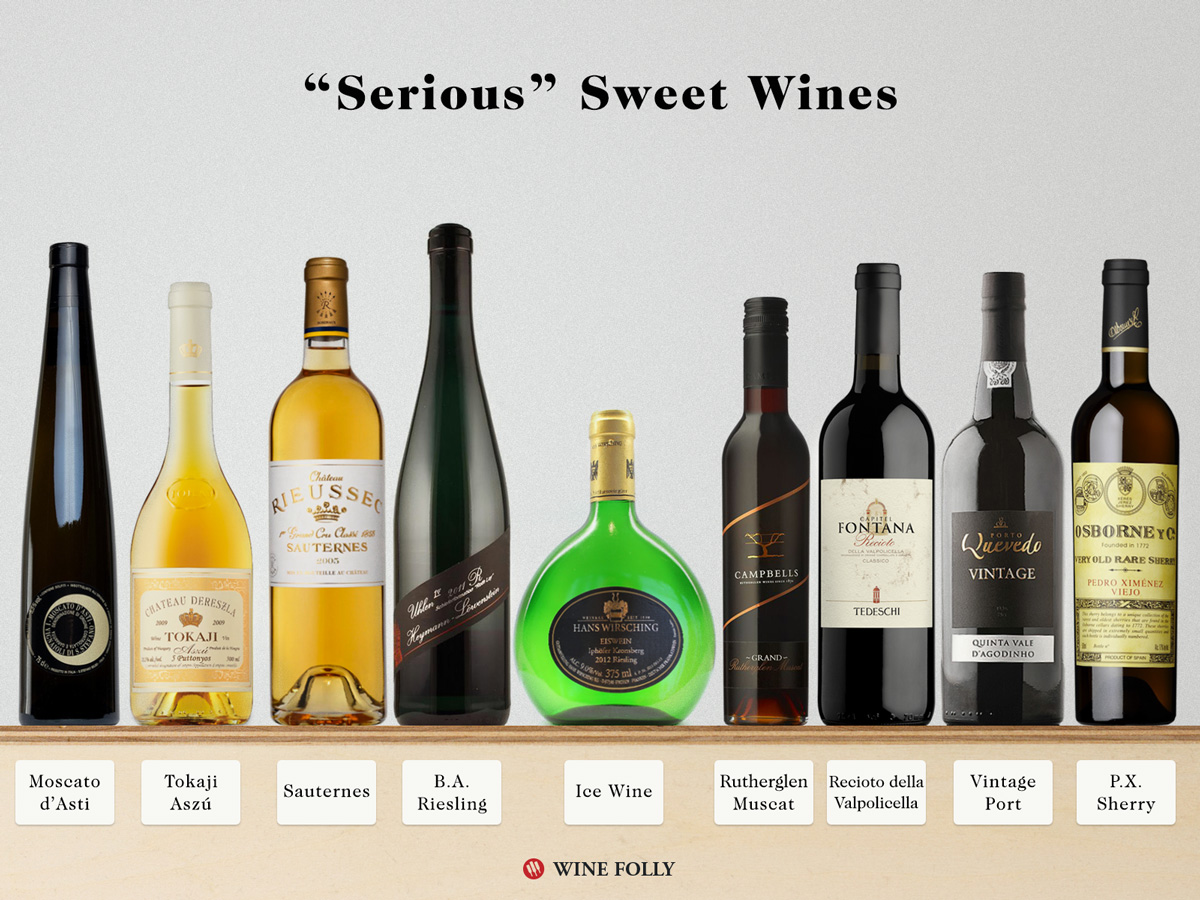
When diversifying into the wine market, an investor must distinguish between “grocery store sweet” and “investment-grade sweet.” While mass-market Moscatos are profitable for high-volume retailers, they lack the aging potential required for capital appreciation. The following categories represent the true “blue-chip” assets of the sweet wine world.
The Blue-Chip Sweetheart: Château d’Yquem
Château d’Yquem is the only wine in the 1855 Classification of Bordeaux to be ranked as Premier Cru Supérieur. For investors, Yquem is the gold standard. Its ability to age for a century or more makes it a highly liquid asset (pun intended) in the auction market. Because it is high in both sugar and acidity, it is nearly immortal, reducing the “perishing risk” that plagues many other wine investments.
The Hungarian Revival: Royal Tokaji and the Essencia Market
Tokaji Aszú from Hungary was once the wine of kings, and it is currently seeing a massive financial resurgence. The pinnacle of this category is Tokaji Essencia, a wine so sweet and viscous it is often served on a crystal spoon rather than in a glass. With sugar levels sometimes exceeding 500 grams per liter, Essencia is chemically stable for decades. As Eastern European luxury markets continue to grow, Tokaji represents a high-growth opportunity for early-movers in the wine investment space.
Ice Wine: Canada and Germany’s Frozen Assets
Ice wine (or Eiswein) is produced by harvesting grapes that have naturally frozen on the vine. The water remains frozen in the press, while the sugary nectar is extracted. This is a high-cap-ex gamble; if a deep freeze doesn’t arrive before the grapes rot, the entire year’s revenue is lost. This high risk, combined with the extreme sweetness and purity of the product, ensures that top-tier Ice Wines from producers like Inniskillin (Canada) or Egon Müller (Germany) maintain high price stability.
Market Dynamics and the Changing Consumer Palette
The profitability of sweet wine is not just found at the ultra-luxury level. From a branding and market-entry perspective, sweetness has become a primary driver of growth in the global beverage industry.
The “Moscato Effect” and the High-Volume Entry Point
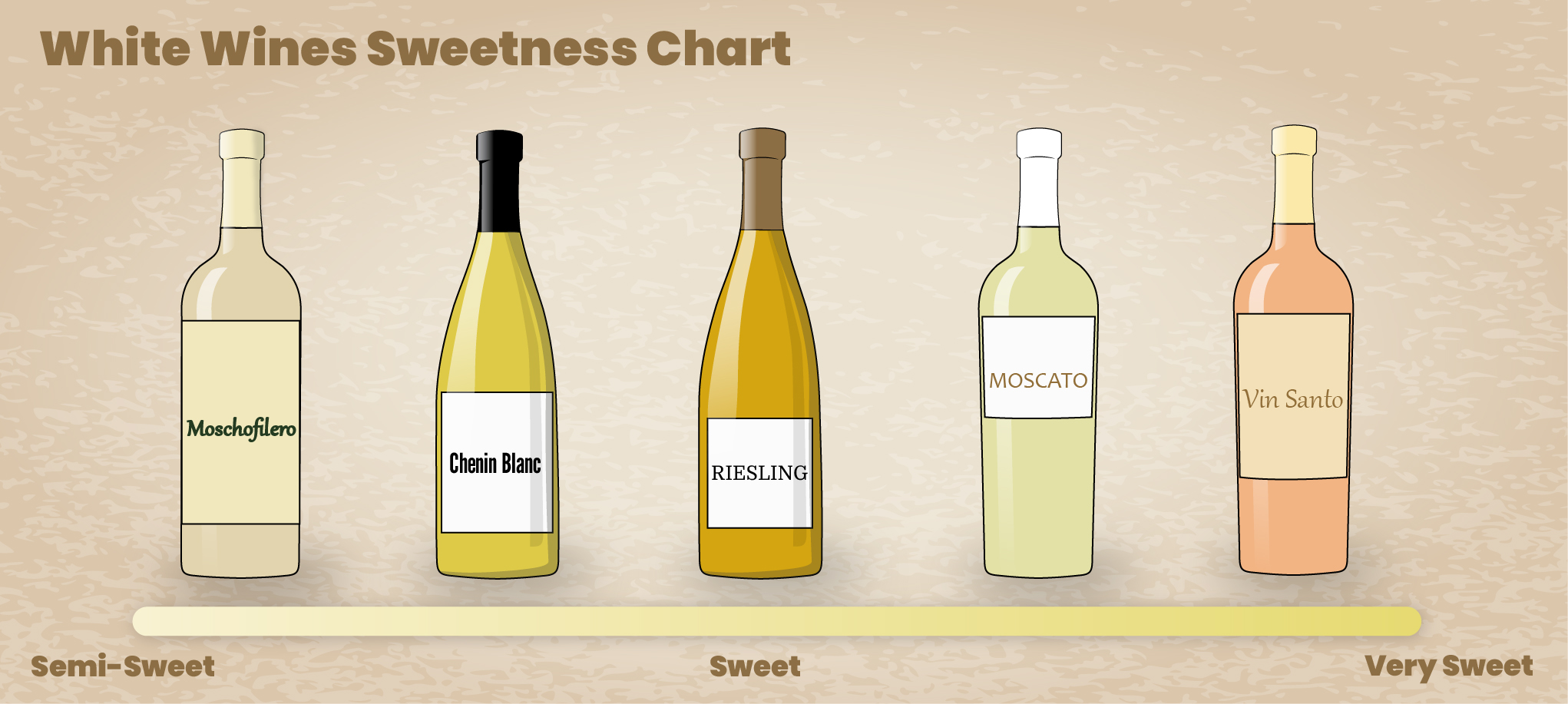
Over the last decade, the “Moscato Effect” showed how sweet, approachable wines could disrupt the market. Brands like Stella Rosa have leveraged the consumer preference for sweetness to build billion-dollar empires. For a business-minded observer, this highlights a significant trend: while the “wine elite” may champion bone-dry reds, the vast majority of global growth in the wine sector is driven by residual sugar. This creates a “ladder” for investors: high-volume sweet wines provide cash flow for producers, which in turn funds the long-term cellaring of their prestige sweet labels.
Emerging Markets: Sweet Wine’s Dominance in Asian Portfolios
A critical factor in the current valuation of sweet wine is the shifting demographic of global wealth. Investors in mainland China and Southeast Asia have historically shown a stronger preference for sweeter profiles compared to the traditional European palate. As these markets mature and move toward high-end collecting, the demand for “liquid gold” assets like Sauternes and Ice Wine is projected to outpace supply, potentially leading to significant price spikes in the secondary market.
Risk Management and Cellar Strategy for Dessert Wines
Investing in the sweetest wines requires a different risk management framework than investing in equities or even other wine categories. The primary advantage of sweet wine is its resilience.
Longevity as a Hedge: The Century-Long Window
The greatest risk in wine investing is the “drinking window.” If a wine must be consumed within 5–10 years, the investor has a very narrow margin to flip the asset for a profit. Sweet wines, however, are naturally preserved by their sugar content. A bottle of 1921 Sauternes can still be pristine today. This longevity acts as a financial hedge; if the market is down, the investor can simply hold the asset for another decade without fear of the product degrading.
Authentication and Provenance in the Sweet Wine Trade
As with any high-value asset, fraud is a concern. However, sweet wines offer a slight advantage here. The unique color changes—where a pale gold Sauternes turns into a deep, mahogany amber over 50 years—are difficult to replicate synthetically. For those looking to protect their investment, focusing on “ex-château” releases (wines that have never left the winery’s own cellar until the point of sale) ensures provenance and maximizes resale value at auction houses like Sotheby’s or Christie’s.
Future Outlook: Is the Sweet Wine Niche a Sound Side Hustle?
As we look toward the next decade of alternative investments, the sweet wine sector presents a unique “contrarian” opportunity. Because many modern critics focus on dry wines, the price-to-quality ratio of many world-class sweet wines remains highly favorable for the buyer.
Environmental Impacts on Sweet Wine Rarity
Climate change is a double-edged sword for the sweet wine business. Increasing temperatures make it harder to produce Ice Wine, as consistent freezes become rarer. In regions like Sauternes, unpredictable weather patterns threaten the delicate balance required for Noble Rot. While this is a tragedy for viticulture, from a cold-blooded financial perspective, it increases the rarity of existing vintages. As production becomes more difficult, the “remaining stock” of previous great years becomes exponentially more valuable.
Digital Platforms and the Democratization of Wine Investing
The rise of wine investment platforms like Vinovest or Cult Wine Investment has made it easier for individuals to treat sweet wine as a fractional asset. No longer do you need a custom-built subterranean cellar to hold a case of d’Yquem. These platforms allow for professional storage and insurance, turning “the sweetest wine” into a digital line item with real-world value.
In conclusion, when we ask what type of wine is the sweetest, the answer is found in the intersection of chemistry and commerce. Whether it is a botrytized Semillon from France or a late-harvest Riesling from the Mosel, these wines represent a marriage of high production risk and extreme longevity. For the strategic investor, the sweetness is not just in the taste—it is in the ROI of an asset that literally gets better with age.
aViewFromTheCave is a participant in the Amazon Services LLC Associates Program, an affiliate advertising program designed to provide a means for sites to earn advertising fees by advertising and linking to Amazon.com. Amazon, the Amazon logo, AmazonSupply, and the AmazonSupply logo are trademarks of Amazon.com, Inc. or its affiliates. As an Amazon Associate we earn affiliate commissions from qualifying purchases.