
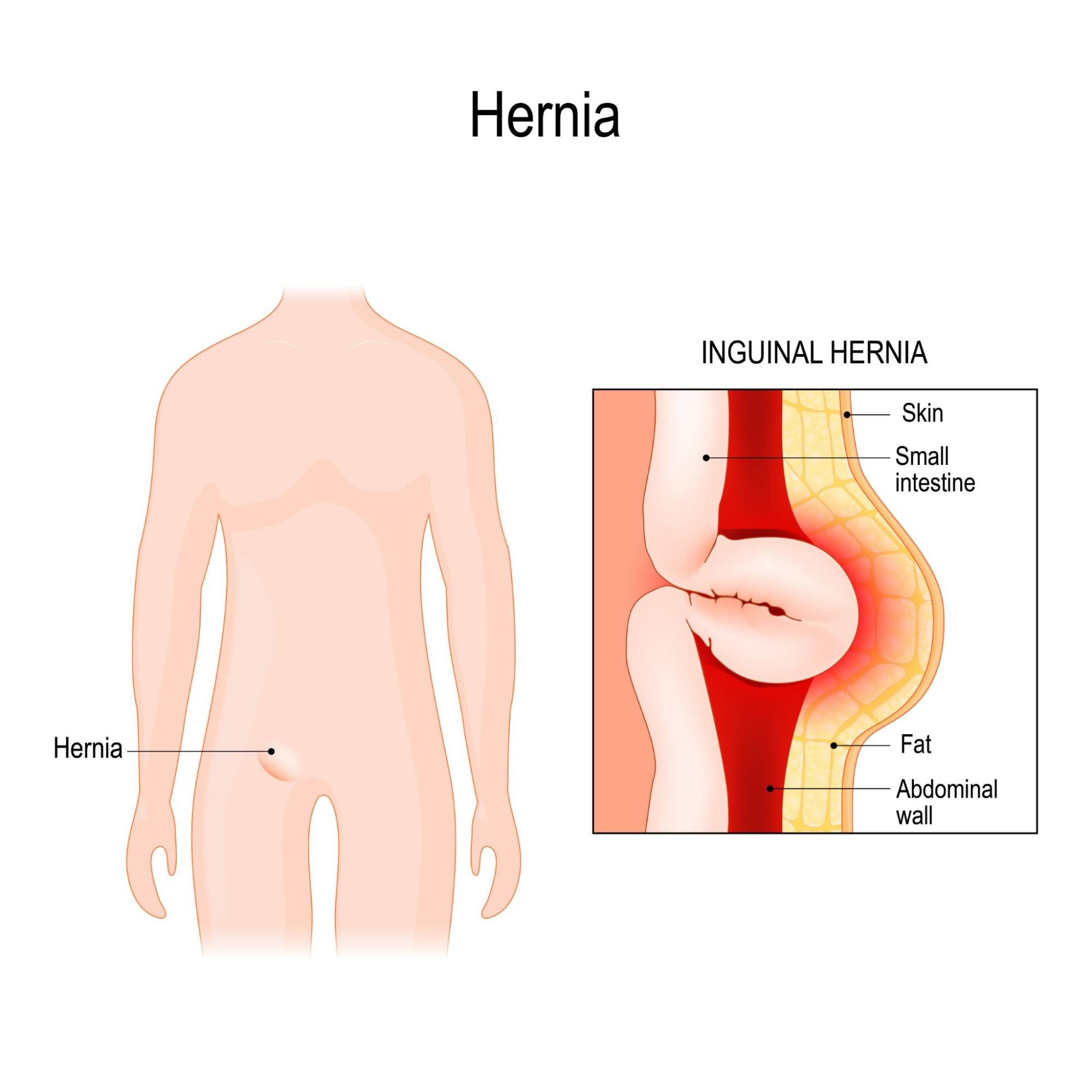
When a patient asks, “what type of doctor does hernia surgery,” the traditional answer is a general surgeon. However, in the contemporary medical landscape, that answer is rapidly evolving. Today, the doctor performing a hernia repair is often as much a technologist as they are a clinician. The field of hernia surgery has become a focal point for some of the most advanced technological breakthroughs in the healthcare sector, moving away from traditional “open” procedures toward a future dominated by robotics, artificial intelligence, and advanced materials science.
To understand who performs these surgeries today, one must look at the digital and mechanical tools they command. The modern specialist is a practitioner of “precision medicine,” utilizing a suite of tech-driven methodologies to minimize recovery time and maximize surgical outcomes.
The Digital Transformation of the Surgical Toolkit
The journey from traditional open surgery to modern techniques began with the digital revolution in the operating room. While a general surgeon still performs the task, their “toolkit” has transitioned from manual instruments to sophisticated electronic systems.
Laparoscopy and the Advent of Minimally Invasive Tech
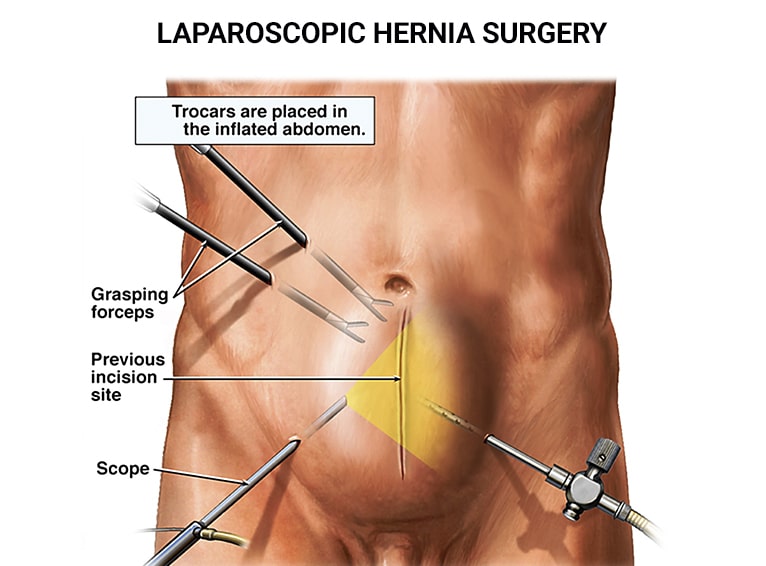
The first major technological leap was the introduction of laparoscopy. This tech-driven approach allows surgeons to operate through tiny incisions using a laparoscope—a thin tube with a high-intensity light and a high-resolution camera. This shift was significant because it replaced the surgeon’s direct line of sight with a digital interface. The doctor no longer looks at the patient’s body directly; instead, they navigate the internal landscape via a 2D or 3D monitor. This transition required surgeons to develop new “video-game-like” motor skills, blending manual dexterity with digital spatial awareness.
High-Definition Imaging and 3D Visualization
As monitor technology improved, so did surgical outcomes. Modern hernia specialists now utilize 4K and even 8K resolution imaging systems. These tools provide a level of clarity that far exceeds the human eye’s natural capability. With 3D visualization headsets or polarized glasses, surgeons can see the layers of the abdominal wall in granular detail, allowing them to identify the exact margins of a hernia. This technological “super-vision” reduces the risk of nerve damage and ensures the surgical mesh is placed with pinpoint accuracy.
Robotic-Assisted Surgery: The New Standard for Hernia Repair
Perhaps the most significant answer to “what type of doctor does hernia surgery” is the robotic-certified surgeon. Robotic-assisted surgery represents the pinnacle of current medical technology, turning the surgeon into a pilot of a multi-million dollar digital platform.
Da Vinci and Beyond: How Robotic Arms Enhance Precision
The use of systems like the Da Vinci Surgical System has revolutionized hernia repair, particularly for complex ventral or incisional hernias. In this setup, the surgeon sits at a computer console several feet away from the patient. Using hand and foot controls, they manipulate robotic arms equipped with miniaturized instruments. The tech advantage here is “tremor filtration” and “motion scaling.” The software ignores the tiny, natural shakes of a human hand and can scale down large movements into micro-movements, allowing for suturing that is more precise than any human could achieve manually.
Haptic Feedback and the Future of Sensory Integration
One of the historical drawbacks of robotic surgery was the lack of “touch” or haptic feedback. However, the next generation of surgical tech is solving this through advanced sensors. New robotic platforms are integrating haptic technology that sends tactile signals back to the surgeon’s console. This allows the doctor to “feel” the resistance of the tissue and the tension of the sutures through a digital interface. This intersection of mechanical engineering and sensory tech is creating a breed of surgeons who can operate with a level of delicacy previously thought impossible.
AI and Machine Learning in Pre-Operative Planning

Technology is not just changing how the surgery is performed; it is changing how the doctor prepares for it. Artificial Intelligence (AI) and Machine Learning (ML) are becoming essential consultants for the modern hernia specialist.
Predictive Analytics for Patient Outcomes
Before the surgeon even enters the operating room, AI algorithms are at work. By processing thousands of data points from previous surgeries—including patient age, BMI, hernia size, and lifestyle factors—predictive models can suggest the most effective surgical approach. This “Big Data” approach helps the doctor choose between a robotic, laparoscopic, or open technique based on which has the highest statistical probability of success for that specific individual.
Computer-Aided Diagnostics (CAD) for Complex Hernias
Interpreting CT scans and MRIs is now often a collaborative effort between the radiologist, the surgeon, and an AI. Computer-Aided Diagnostics can highlight micro-tears in the fascia or hidden secondary hernias that might be missed by the human eye. By utilizing AI-enhanced imaging, the doctor can map out a “digital blueprint” of the surgery before the first incision is made. This level of tech-integration ensures that there are fewer surprises once the procedure begins.
The Role of Materials Science: Tech-Infused Mesh and Biologics
The “hardware” used in hernia surgery has also seen a massive technological upgrade. The doctor performing the surgery must stay abreast of rapid developments in materials science, as the “mesh” used to reinforce the abdominal wall is no longer just a simple piece of plastic.
Smart Meshes and Bio-Compatible Engineering
The evolution of surgical mesh is a testament to engineering. We are moving toward “smart meshes” that are designed at the molecular level to integrate with human tissue. Some modern meshes are coated with time-released pharmaceutical agents to prevent infection or reduce inflammation. Others are designed to be partially absorbable, providing a temporary scaffold that disappears once the body’s own collagen has strengthened the repair. The surgeon must understand the polymer chemistry of these materials to select the right one for each patient’s biological profile.
3D Printing Personalized Surgical Implants
The future of hernia surgery lies in customization. Researchers are currently utilizing 3D printing technology to create personalized meshes based on a patient’s specific anatomical dimensions. Instead of using a mass-produced, “one-size-fits-all” patch, the doctor can use a 3D-printed implant that matches the exact contours of the patient’s defect. This minimizes the risk of the mesh shifting or causing discomfort, representing a significant leap in personalized medical technology.
Telehealth and Remote Monitoring in Post-Surgical Care
The technological role of the hernia surgeon extends well beyond the operating room into the recovery phase. The “Internet of Medical Things” (IoMT) is redefining how doctors monitor patient healing.
Wearable Tech for Real-Time Recovery Data
Post-operative care is being transformed by wearable devices. Modern surgeons may ask patients to wear sensors that track movement, gait, and even abdominal strain during the weeks following a hernia repair. This data is transmitted directly to the doctor’s digital dashboard. If the tech detects an unusual pattern—such as a lack of movement indicating pain or an abrupt movement that could jeopardize the repair—the medical team can intervene immediately via a digital alert.
The Rise of Remote Surgical Consultation (Tele-Surgery)
While still in its nascent stages, the concept of tele-surgery is the ultimate tech frontier for hernia specialists. With the rollout of 5G and low-latency satellite internet, experts are exploring the possibility of a specialist in one city performing a robotic hernia repair on a patient in a remote location. This “Type of Doctor” would essentially be a remote operator, using high-speed data streams to provide world-class surgical expertise to underserved areas. Even today, “Telementoring” allows world-renowned hernia experts to “scrub in” virtually, watching a live video feed and providing real-time technical guidance to the operating surgeon.
Conclusion
When asking what type of doctor does hernia surgery, the answer is no longer confined to a surgeon with a scalpel. The modern specialist is a highly trained technician who masters robotics, navigates AI-driven data, and utilizes advanced bio-materials. As technology continues to advance, the distinction between “medical professional” and “tech expert” will continue to blur. For the patient, this technological evolution means smaller scars, less pain, and a much faster return to daily life, driven by the digital tools that define the modern surgical landscape.
aViewFromTheCave is a participant in the Amazon Services LLC Associates Program, an affiliate advertising program designed to provide a means for sites to earn advertising fees by advertising and linking to Amazon.com. Amazon, the Amazon logo, AmazonSupply, and the AmazonSupply logo are trademarks of Amazon.com, Inc. or its affiliates. As an Amazon Associate we earn affiliate commissions from qualifying purchases.