
The Pacific Ocean covers more than 60 million square miles, making it the largest and deepest of Earth’s oceanic divisions. Historically, the “animals that live in the Pacific” were mysteries hidden beneath impenetrable layers of water. However, we have entered an era where the study of marine biology is no longer just a branch of natural science; it is a frontier for high-end technology. From the surface-dwelling Great White Sharks to the bioluminescent organisms of the Mariana Trench, identifying and protecting these species now relies on a sophisticated “Tech Stack” involving Artificial Intelligence (AI), autonomous robotics, and advanced bio-genomics.
1. Autonomous Underwater Vehicles (AUVs) and Robotic Explorers
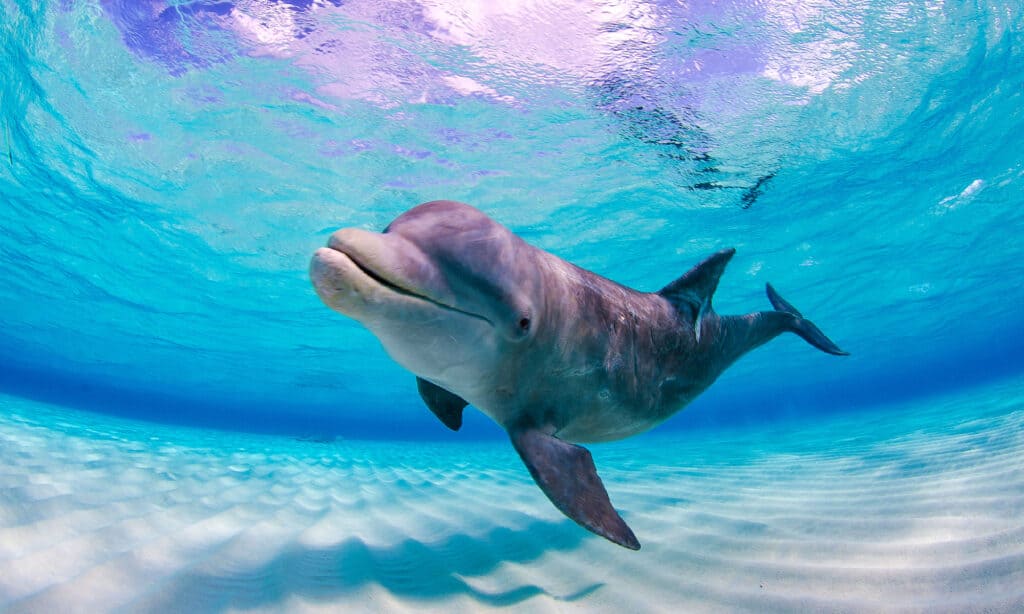
To understand what type of animals live in the Pacific, we first have to reach them. The pressure at the bottom of the Pacific is equivalent to having an elephant stand on your thumb, making human exploration nearly impossible. This has paved the way for a revolution in Autonomous Underwater Vehicles (AUVs) and Remotely Operated Vehicles (ROVs).
Swarm Robotics and Collaborative Mapping
The latest trend in Pacific exploration is “swarm robotics.” Rather than sending one massive, expensive submarine, tech firms are deploying fleets of small, interconnected drones. These AUVs communicate via acoustic signals to map vast swaths of the seafloor simultaneously. By using decentralized algorithms, these swarms can track moving schools of Bluefin Tuna or monitor the migration patterns of Humpback whales across the Pacific corridor with a level of granularity that a single vessel could never achieve.
High-Resolution Imaging and LiDAR in the Abyss
Identifying species in the dark requires more than just a powerful flashlight. Modern submersibles are equipped with specialized LiDAR (Light Detection and Ranging) and 4K stereoscopic cameras. These tools allow researchers to create 3D digital twins of rare creatures, such as the Giant Squid or the Deep-Sea Dragonfish, without ever touching them. This non-invasive technology ensures that the habitat remains undisturbed while providing data scientists with high-fidelity visual assets for machine learning training.
2. Artificial Intelligence and the Identification of Marine Biodiversity
The sheer volume of data coming out of the Pacific Ocean is overwhelming. A single month of underwater video surveillance can produce petabytes of footage. This is where Artificial Intelligence and Machine Learning (ML) become the primary tools for modern marine biologists.
Machine Learning Algorithms for Acoustic Monitoring
The Pacific is a noisy place, filled with the clicks of dolphins, the songs of whales, and the low-frequency hum of tectonic activity. AI-driven software, such as Google’s bioacoustic models, is now used to sift through thousands of hours of audio data. These algorithms can distinguish between different “dialects” of Orca pods or identify the presence of elusive Beaked Whales that spend most of their time in the deep. This tech trend allows us to map animal populations based on soundscapes rather than sight.
Computer Vision: Classifying Species in Real-Time
On the surface and in the shallows of the Great Barrier Reef, computer vision is being used to automate the census of marine life. Platforms like “iNaturalist” and specialized enterprise software use convolutional neural networks (CNNs) to identify fish species from photographs taken by divers or fixed underwater cameras. For the tech industry, this represents a massive leap in “Edge AI,” where the processing happens on the device itself (the camera) rather than waiting for a connection to a cloud server, allowing for real-time biodiversity tracking.
3. The Internet of Underwater Things (IoUT)
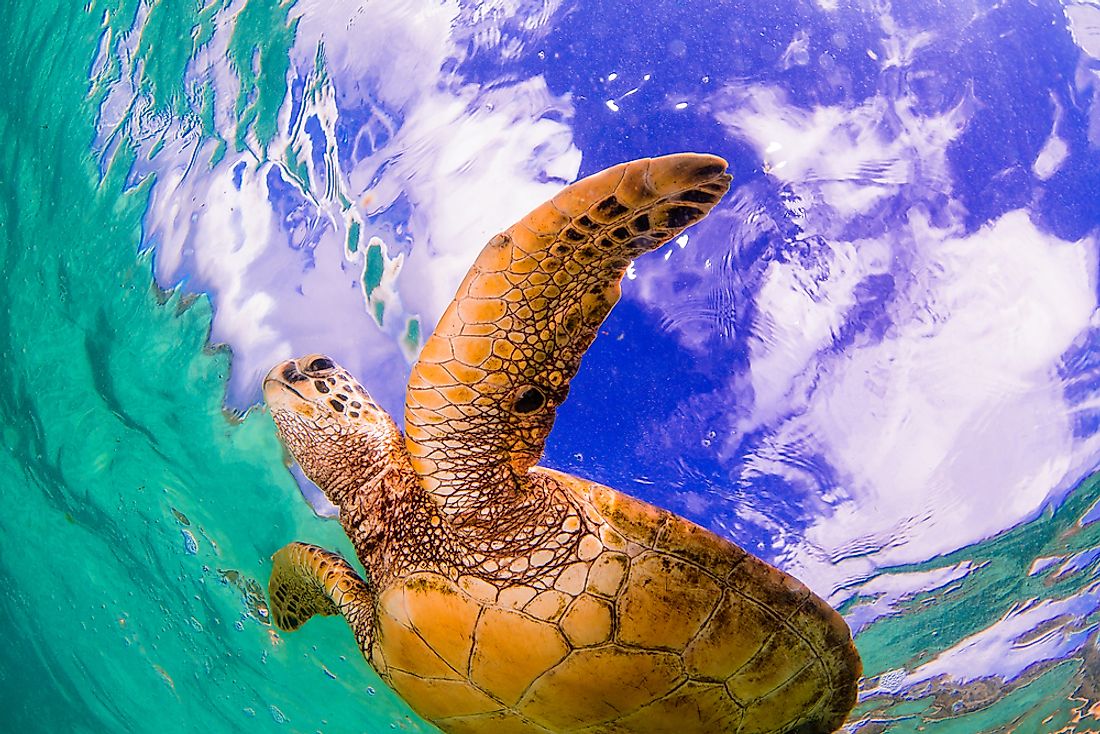
Connecting the animals of the Pacific to the global data network is the goal of the “Internet of Underwater Things” (IoUT). While we take GPS and Wi-Fi for granted on land, radio waves do not travel well through saltwater. This physical limitation has sparked incredible innovation in underwater communication tech.
Acoustic Modems and Signal Processing
To transmit data from a sensor attached to a Tiger Shark or a deep-sea hydrothermal vent, engineers use acoustic modems. These devices convert digital data into sound waves, which are then received by surface buoys. The challenge—and the current tech trend—is increasing the bandwidth of these acoustic signals. New signal processing techniques are allowing for faster data transfer, enabling researchers to receive “live updates” from the Pacific depths regarding animal movements and water chemistry.
Satellite Integration for Surface-to-Deep Data Transmission
Once the data reaches the surface via a buoy or an autonomous “Saildrone,” it is beamed to orbital satellites like those in the Starlink or Iridium constellations. This integration creates a seamless loop: a sensor 5,000 meters deep detects a change in the behavior of a deep-sea colony, the data travels via sound to a surface drone, and then via satellite to a lab in London or San Francisco. This globalized tech infrastructure is essential for monitoring how Pacific species are reacting to shifts in ocean temperatures.
4. Environmental DNA (eDNA) and Next-Gen Sequencing
Perhaps the most “sci-fi” technology used to identify Pacific animals doesn’t involve cameras or robots at all. It involves the molecular footprints left behind in the water.
Automated Water Samplers and Lab-on-a-Chip
Every animal in the Pacific—from the smallest plankton to the largest Blue Whale—sheds skin cells, waste, and mucus that contain DNA. Environmental DNA (eDNA) technology allows scientists to take a liter of seawater and sequence the genetic material within it to see who has been there. The latest tech advancement in this field is “Lab-on-a-Chip” (LOC) technology. These are miniaturized devices that can be integrated into AUVs to perform genetic sequencing in situ (in the water) and transmit the results digitally, rather than bringing physical samples back to a terrestrial lab.
Big Data Management for Genomic Ocean Mapping
The sequencing of the Pacific’s microbiome and macro-fauna generates astronomical amounts of genomic data. Managing this requires high-performance computing (HPC) and specialized bioinformatics software. Tech giants are increasingly involved in “Ocean Genomics,” providing the cloud infrastructure needed to house the genetic blueprints of thousands of Pacific species. This data is vital for “Bio-prospecting”—finding unique enzymes or proteins in deep-sea organisms that could lead to the next breakthrough in medicine or biotechnology.
5. The Future: Digital Twins and Conservation Tech
As we look forward, the intersection of tech and Pacific marine life is moving toward the creation of a “Digital Twin” of the ocean.
Creating a Virtual Replica of the Pacific Ecosystem
A Digital Twin is a highly complex virtual model that represents a physical object or system. By feeding all the data from AUVs, satellites, AI acoustic monitors, and eDNA sensors into a single platform, tech companies are building a living, breathing model of the Pacific Ocean. This allows for “predictive conservation.” For example, if shipping traffic increases in a specific sector, the Digital Twin can simulate how that noise pollution will affect the communication and breeding cycles of local whale populations.
Ethical Tech: Balancing Exploration with Non-Invasive Observation
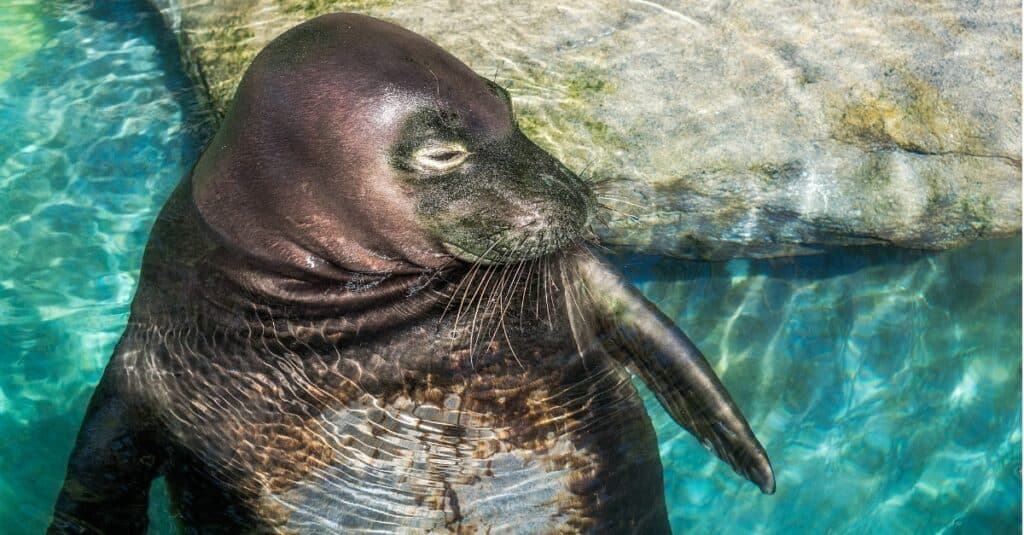
The ultimate goal of modern technology in the Pacific is to observe without disturbing. The shift from invasive tagging (physically catching and tagging an animal) to non-invasive optical and acoustic tracking represents a major ethical evolution in tech design. Soft-robotics—drones made of flexible materials that mimic the movement of jellyfish or fish—are being developed to blend into the environment. These “stealth” bots allow us to observe the natural behavior of Pacific animals without the bias introduced by a bulky, loud, traditional submarine.
In conclusion, the question of “what type of animals live in the Pacific Ocean” is no longer answered by simple observation. It is answered through a complex web of silicon, sensors, and software. As technology continues to descend into the deep, our understanding of the Pacific’s inhabitants will grow, not just through the eyes of a diver, but through the sophisticated lenses of a global technological network. The Pacific is no longer a silent void; it is a data-rich environment where every pulse, movement, and genetic strand tells a story of survival in the digital age.
aViewFromTheCave is a participant in the Amazon Services LLC Associates Program, an affiliate advertising program designed to provide a means for sites to earn advertising fees by advertising and linking to Amazon.com. Amazon, the Amazon logo, AmazonSupply, and the AmazonSupply logo are trademarks of Amazon.com, Inc. or its affiliates. As an Amazon Associate we earn affiliate commissions from qualifying purchases.