
In the crowded landscape of the modern culinary world, the street is the ultimate battlefield for consumer attention. When a fleet of food trucks parks at a local festival or a busy downtown corner, the first thing a customer consumes isn’t the food—it’s the brand. The title “What the Truck” serves as a masterclass in a specific, high-impact branding strategy: the linguistic hook. This approach to brand identity leverages humor, memorability, and a touch of irreverence to break through the noise of traditional marketing.
To build a successful food truck brand like “What the Truck,” entrepreneurs must look beyond the kitchen. They must treat their mobile unit as a living, breathing corporate identity that balances professional service with a playful personality. This article explores the strategic layers of branding within the food truck industry, focusing on how a cohesive brand identity transforms a simple kitchen on wheels into a recognizable and scalable business asset.
The Power of the Pun: Crafting a Memorable Brand Identity
The name “What the Truck” is a quintessential example of “pun-based branding.” In the marketing world, this is a calculated risk designed to elicit an immediate emotional response—usually a smile or a chuckle. This response lowers the consumer’s defensive barriers and creates an instant sense of familiarity.
The Psychology of Humor in Naming
Choosing a name that plays on a common phrase or a slightly “edgy” linguistic twist serves a dual purpose. First, it ensures high recall. A consumer is far more likely to remember “What the Truck” than “John’s Quality Tacos.” Second, it establishes the brand’s “Brand Voice” before a single word of copy is written. It tells the customer that the business is approachable, fun, and doesn’t take itself too seriously. This relatability is the cornerstone of successful brand strategy for small businesses aiming to disrupt established markets.
Identifying Your Target Persona
While a punny name is effective, it must align with the target demographic. “What the Truck” signals a youthful, urban, and trendy vibe. Branding experts suggest that a name should act as a filter; it attracts the desired audience (Millennials, Gen Z, and adventurous foodies) while signaling to more traditional or formal diners that this is a casual, high-energy experience. Defining this persona early allows the brand to maintain consistency across all other marketing collateral.
Protecting the Intellectual Property
In the “Brand” niche, a name is only as good as its legal protection. For a brand like “What the Truck,” securing trademarks is a vital step in corporate identity. Because the name is clever and catchy, it is susceptible to imitation. A robust brand strategy includes the legal foresight to own the digital real estate (domain names and social handles) and the legal rights to the name, ensuring that the brand’s equity isn’t diluted by copycats in neighboring cities.
Visual Storytelling: Beyond the Logo and the Wrap
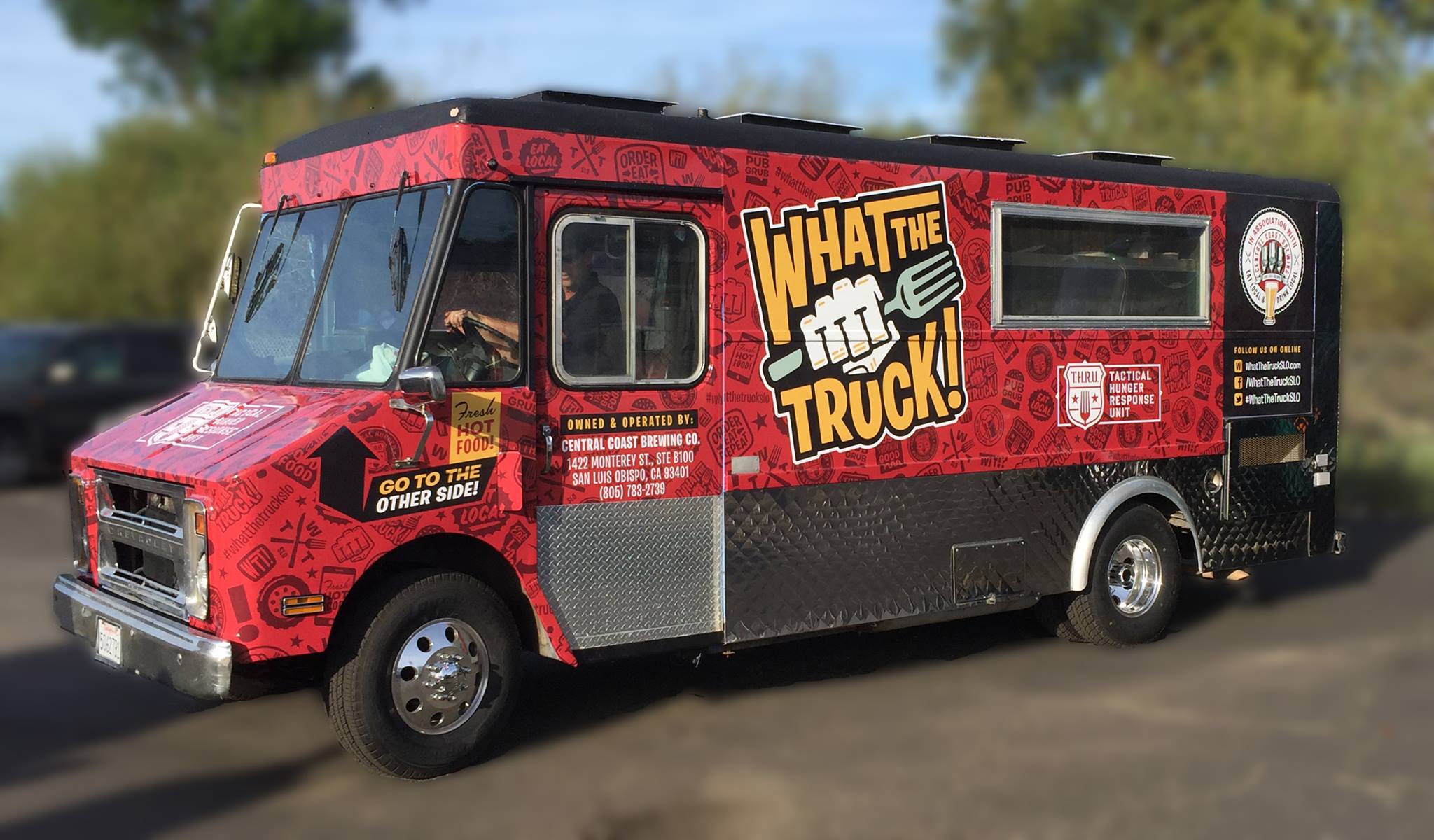
If the name is the “hook,” the visual identity is the “story.” In the food truck industry, your vehicle is your most significant marketing asset—a 20-foot mobile billboard. A brand like “What the Truck” requires a visual language that matches the energy of its name.
The Anatomy of an Effective Vehicle Wrap
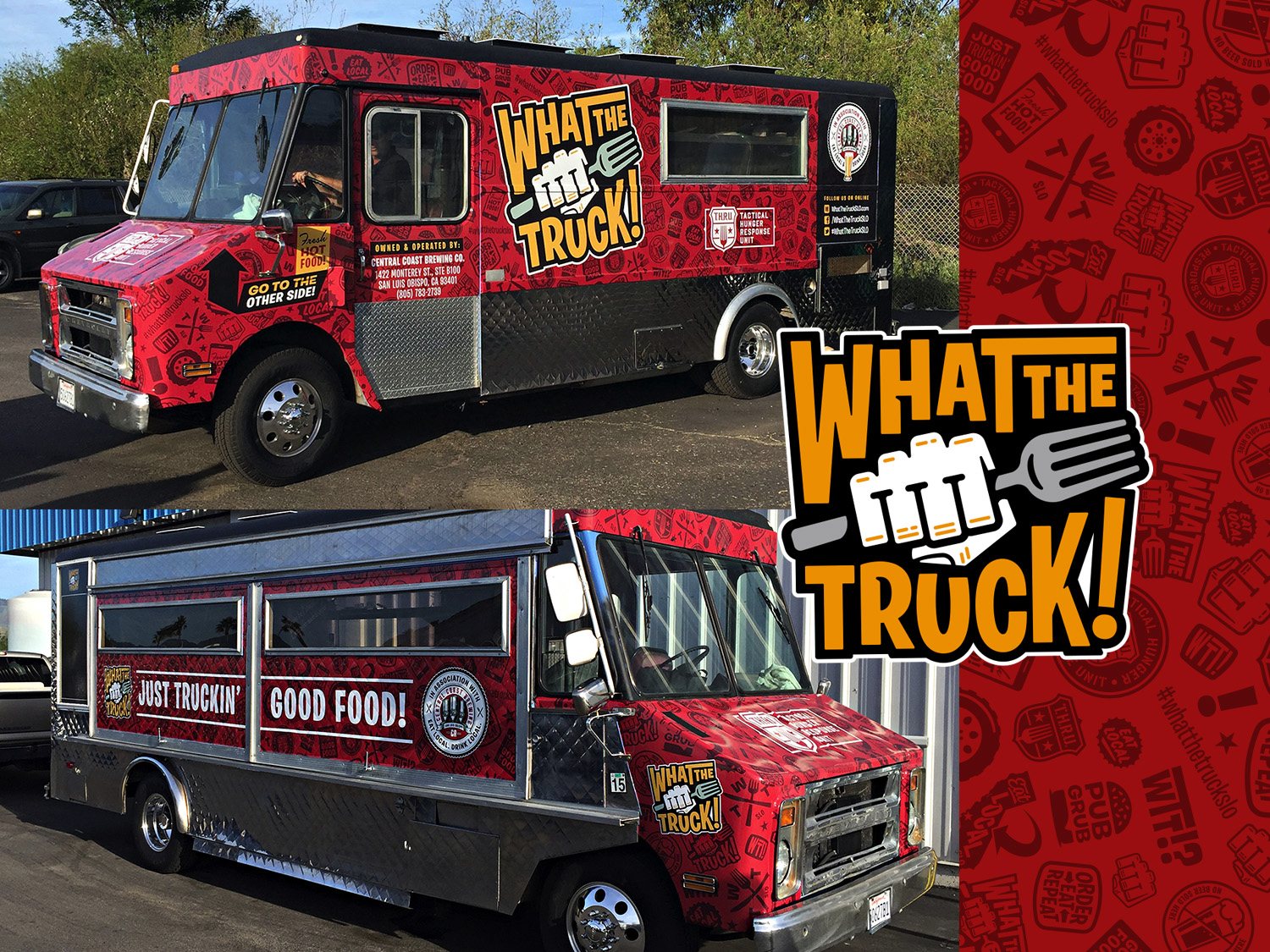
A food truck’s “wrap” (the vinyl graphic covering the vehicle) is the primary expression of its corporate identity. Strategic branding requires a balance between aesthetic appeal and functional communication. The logo must be legible from a distance, and the color palette should be psychologically aligned with the cuisine. For instance, high-energy colors like orange and yellow can stimulate appetite and suggest speed, fitting perfectly with a brand that uses a high-impact name.
Typography and Hierarchy
Design is not just about looking good; it is about information architecture. A well-branded truck uses typography to guide the customer’s eye. The hierarchy should prioritize the brand name first, the type of cuisine second, and social media handles or “where to find us” info third. For a brand named “What the Truck,” the typography often reflects the “street” nature of the business—bold, sans-serif fonts or stylized graffiti-inspired lettering that reinforces the urban, mobile brand narrative.
Sensory Branding at the Window
Branding extends to the physical touchpoints. This includes the design of the menus, the packaging, and even the uniforms of the staff. When a customer receives their order, the branding on the cardboard sleeve or the sticker on the wrapper reinforces the brand’s professional identity. Strategic branding means that every element, from the napkins to the lighting on the truck at night, contributes to a cohesive “Brand Experience” that justifies premium pricing in a competitive street-food market.
The Digital Hub: Building a Brand Online and On the Move
In the modern era, a food truck’s brand doesn’t live exclusively on the street; it lives on the smartphones of its followers. For a mobile business, digital brand strategy is the “glue” that keeps a nomadic business connected to its customer base.
Social Media as a Real-Time Brand Voice
Platforms like Instagram and TikTok are tailor-made for food truck branding. A brand like “What the Truck” can use these platforms to showcase “Behind the Scenes” content, which builds authenticity—a key pillar of modern personal and corporate branding. By humanizing the chefs and the process, the brand moves from being a faceless service to a community character. Consistent posting with a unified aesthetic ensures that the brand remains “top of mind” even when the truck isn’t parked in the customer’s immediate vicinity.
The Importance of Location-Based Marketing
For a mobile brand, “findability” is a core component of the brand promise. If a brand promises convenience but is impossible to track down, the brand equity suffers. Integrating GPS tracking or daily “schedule cards” into the brand’s digital strategy is essential. High-quality brands use stylized maps and countdown timers on their stories to create a sense of urgency and “FOMO” (Fear Of Missing Out), which are powerful psychological drivers in marketing.
Content Strategy and User-Generated Content
Encouraging customers to share photos of their food—often referred to as “Instagrammable” moments—is a low-cost, high-impact branding tactic. By creating a specific hashtag (e.g., #WhatTheTruckEats), the brand turns its customers into brand ambassadors. This user-generated content provides “social proof,” showing potential customers that the brand is popular and trusted. In the Brand niche, this is known as “earned media,” and it is often more valuable than any paid advertisement.
Community and Consistency: Sustaining Brand Equity
The final stage of a sophisticated brand strategy is the transition from a “business” to a “staple.” For “What the Truck,” this involves deepening the relationship with the local community and ensuring that the brand experience is identical every time a customer visits.
Strategic Partnerships and Co-Branding
A powerful way to grow a brand is through association. By partnering with local breweries, tech campuses, or music festivals, a food truck can borrow the “cool factor” or “reliability” of an established venue. These co-branding opportunities allow “What the Truck” to reach new demographics while reinforcing its position as a key player in the local lifestyle scene.
Maintaining Brand Standards Across Multiple Units
If the business grows from one truck to a fleet, or even a brick-and-mortar location, maintaining brand consistency becomes the primary challenge. Brand guidelines (often called a “Brand Bible”) become necessary. These guidelines dictate everything from the exact hex codes of the colors used to the “tone of voice” employees should use when greeting customers. Consistency builds trust; trust builds loyalty; and loyalty builds a sustainable business.

Evolution and Rebranding
Even a successful brand must eventually evolve. Markets change, and what was “edgy” five years ago may feel dated today. A proactive brand strategy involves periodic “brand audits” to see if the visuals or the messaging need a refresh. For a brand like “What the Truck,” this might mean updating the wrap graphics to a more modern style while keeping the core name and pun intact, ensuring the brand stays relevant without losing its hard-earned recognition.
In conclusion, “What the Truck” is more than just a clever name on a vehicle; it represents a comprehensive approach to brand strategy. By leveraging the power of a memorable name, investing in high-impact visual storytelling, maintaining a robust digital presence, and fostering community loyalty, a mobile food business can build a brand that is as durable as it is delicious. In the world of branding, it isn’t just about what you serve—it’s about how you are remembered.
aViewFromTheCave is a participant in the Amazon Services LLC Associates Program, an affiliate advertising program designed to provide a means for sites to earn advertising fees by advertising and linking to Amazon.com. Amazon, the Amazon logo, AmazonSupply, and the AmazonSupply logo are trademarks of Amazon.com, Inc. or its affiliates. As an Amazon Associate we earn affiliate commissions from qualifying purchases.