
In the world of real estate investment and property management, the smallest details often yield the most significant returns. While novice investors focus on square footage and zip codes, seasoned financial professionals understand that asset preservation and marketability are driven by the quality of internal specifications. Among these, the choice of paint sheen in high-moisture environments—specifically bathrooms—is not merely an aesthetic preference; it is a calculated fiscal strategy.
When asking “what sheen for bathroom,” a property owner is really asking: “How do I maximize the lifespan of this asset while minimizing maintenance overhead and maximizing resale value?” This article explores the financial implications of paint finishes, treating the bathroom not as a room, but as a high-utilization zone that requires a specific protective coating to safeguard a capital investment.
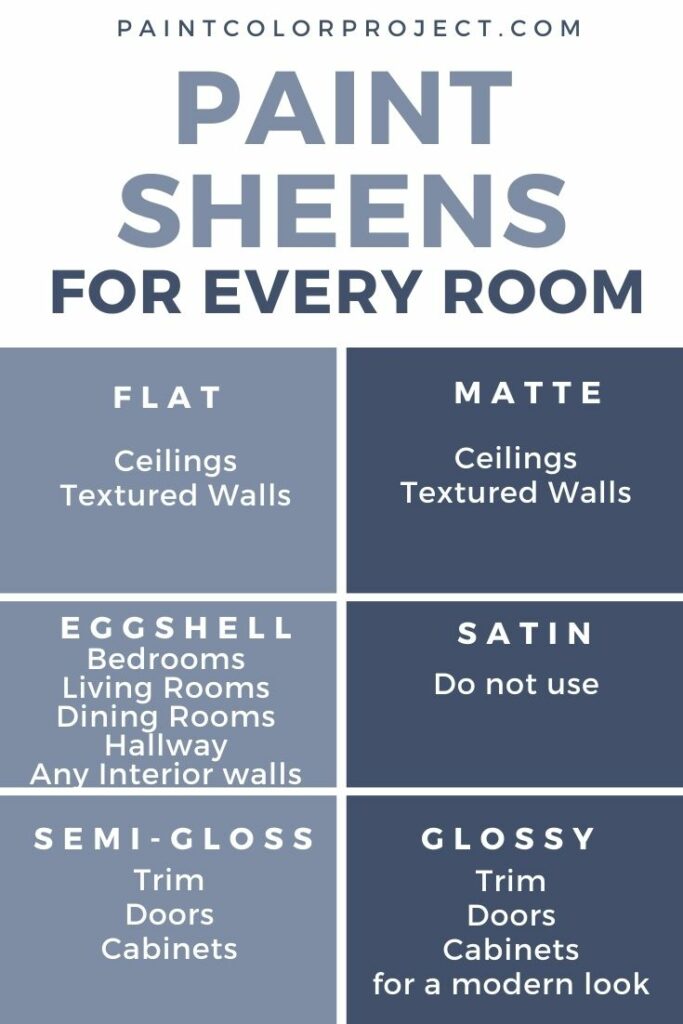
Protecting the Asset: The Correlation Between Sheen and Property Value
Every property is a depreciating asset that requires constant reinvestment to maintain its value. In a bathroom, the primary threat to that value is moisture. From a financial perspective, choosing the wrong sheen—such as a flat or matte finish in a poorly ventilated space—is a liability.
Maintenance Costs and Longevity
The financial burden of a property often lies in its “carrying costs” and recurring maintenance. A flat finish, while sophisticated, is porous. It absorbs moisture, which leads to the growth of mold and mildew. From a business standpoint, mold remediation is a catastrophic expense that can reach thousands of dollars, far exceeding the initial cost of premium paint.
By opting for a semi-gloss or high-quality satin sheen, an investor is essentially purchasing an insurance policy for their walls. These finishes contain higher levels of resin and binders, creating a non-porous barrier. This barrier allows for “scrubbability.” In a rental context, the ability to wipe down walls between tenants rather than repainting the entire unit represents a direct increase in Net Operating Income (NOI).
Appraisal Impact: Why “Cleanability” Sells
When an appraiser or a potential buyer enters a home, they are subconsciously scanning for signs of neglect. Water stains or “surfactant leaching”—those sticky brown streaks often seen on cheap bathroom paint—signal to a buyer that the home has not been maintained. This perception leads to lower offers and higher friction during the closing process.
A semi-gloss finish reflects light, making small, often windowless bathrooms feel larger and cleaner. In the psychology of real estate finance, “clean” equals “valuable.” A durable sheen ensures that the bathroom retains its “just-renovated” look for years, protecting the appraisal value during the eventual exit strategy.
Market Trends and the “Luxury” Premium
The choice of sheen is also a play on market positioning. Different finishes appeal to different socio-economic brackets of buyers and renters. Understanding the “design-to-value” ratio is essential for anyone looking to optimize their renovation budget.
Matte vs. Gloss: The Price of Current Design Trends
Currently, high-end “luxury” brands in the interior design space are pushing for matte finishes in bathrooms. Modern chemical engineering has allowed for “Aura Bath & Spa” style paints that offer a matte look with high moisture resistance. However, these products come at a significant price premium—often 50% to 100% more per gallon than standard semi-gloss.
For a luxury “fix-and-flip” targeting the top 5% of the market, this investment is justified. The matte finish communicates a modern, sophisticated aesthetic that justifies a higher asking price. For a mid-market rental, however, this is an unnecessary expenditure that eats into the ROI. In the middle-market sector, a satin finish provides the perfect balance: it offers enough sheen to appear clean and “new” without the industrial, harsh look of high-gloss.
High-End Finishes in Rental Property Management
In the Build-to-Rent (BTR) sector, the “brand identity” of the development is maintained through consistency. Professional property managers often specify a single sheen for all “wet areas” to streamline supply chains. By using a consistent satin or semi-gloss across a 300-unit portfolio, managers can negotiate bulk pricing on specific SKUs.
Furthermore, the “harder” the finish, the less likely it is to suffer from “scuffing” during move-ins and move-outs. In the world of business finance, reducing “turnover time” is the holy grail. If a bathroom only requires a light cleaning rather than a two-day paint job, the unit can be re-leased 48 hours faster, capturing more prorated rent.
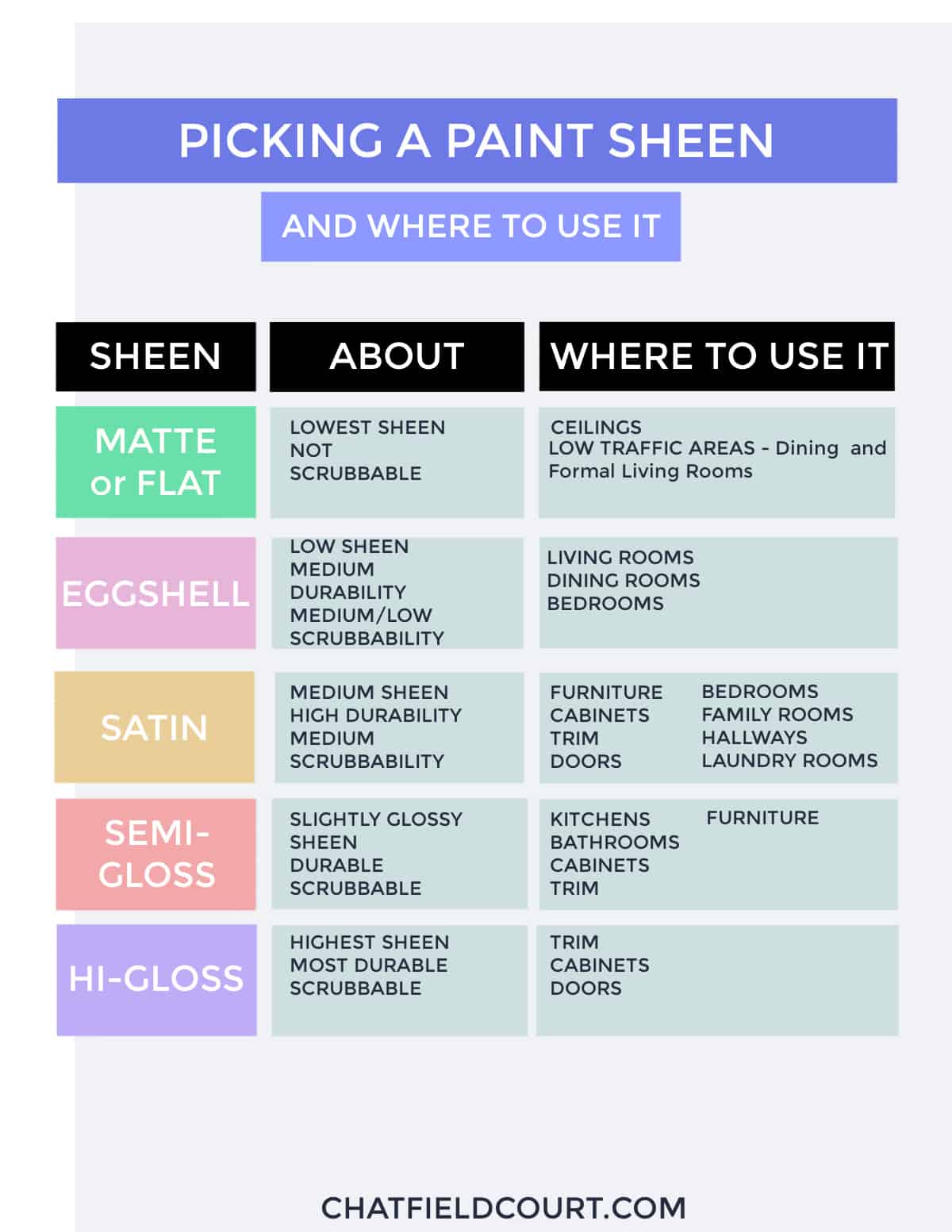
Cost-Benefit Analysis: Initial Investment vs. Long-Term Savings
A rigorous financial analysis of “what sheen for bathroom” requires looking at the Total Cost of Ownership (TCO). Many budget-conscious DIYers or low-end contractors try to save $15 per gallon by using a “contractor grade” flat paint. This is a classic example of being “penny wise and pound foolish.”
Material Costs vs. Labor Costs
In any renovation project, labor typically accounts for 70% to 80% of the total cost. The difference in price between a low-quality flat paint and a high-performance, mold-resistant semi-gloss is negligible in the context of the total project budget.
If a professional painter charges $500 to paint a bathroom, the cost of the paint might be $30 for flat and $60 for premium semi-gloss. By choosing the cheaper option to save $30, the owner risks having to pay another $500 for labor in just two years when the paint begins to peel or harbor mold. The financial “break-even” point for choosing a higher-quality sheen is usually reached within the first 12 to 18 months of the paint’s life.
Avoiding the Expense of Early Refinishing
Capital Expenditures (CapEx) should be planned and spaced out. A high-quality semi-gloss or satin finish in a bathroom can easily last 7 to 10 years. Conversely, a low-sheen finish in a high-humidity environment often fails within 3 years. From a cash-flow perspective, doubling the life of the paint job doubles the efficiency of that capital. For investors managing multiple properties, this reduces the “CapEx drag” on their annual returns.
The Business of Renovations: Scaling Design Choices for Portfolios
For those managing a portfolio of assets, the question of “what sheen” becomes a matter of standardization and scalability. Operational efficiency is born from reducing the number of decisions that need to be made on a per-project basis.
Standardizing Specifications for Multi-Family Units
Institutional investors, such as Real Estate Investment Trusts (REITs), do not choose paint sheens based on “feel.” They use “specs.” A common spec for a multi-family portfolio might be: Walls – Eggshell; Trim – Semi-Gloss; Bathrooms/Kitchens – Satin.
This standardization allows for:
- Lower Inventory Costs: Buying 50-gallon drums of one specific sheen.
- Labor Efficiency: Painters don’t have to ask which paint goes where; the “wet area” rule is universal.
- Brand Consistency: Every unit in the portfolio feels identical, reinforcing the corporate identity of the housing provider.
Exit Strategy: Preparing the Property for Liquidity
When it comes time to liquidate an asset, the bathroom is one of the two most important rooms (the other being the kitchen). A bathroom with a fresh, crisp semi-gloss finish suggests a home that is “turn-key.” In the current market, turn-key properties command a liquidity premium. They sell faster and often attract multiple offers, which drives the price above the initial valuation.
Investors who overlook the sheen of their bathrooms often find themselves giving “repair credits” during escrow because a home inspector flagged moisture damage or “ghosting” on the bathroom walls. By spending an extra $20 on a can of high-sheen, moisture-resistant paint at the start, the investor saves thousands in credits at the finish line.
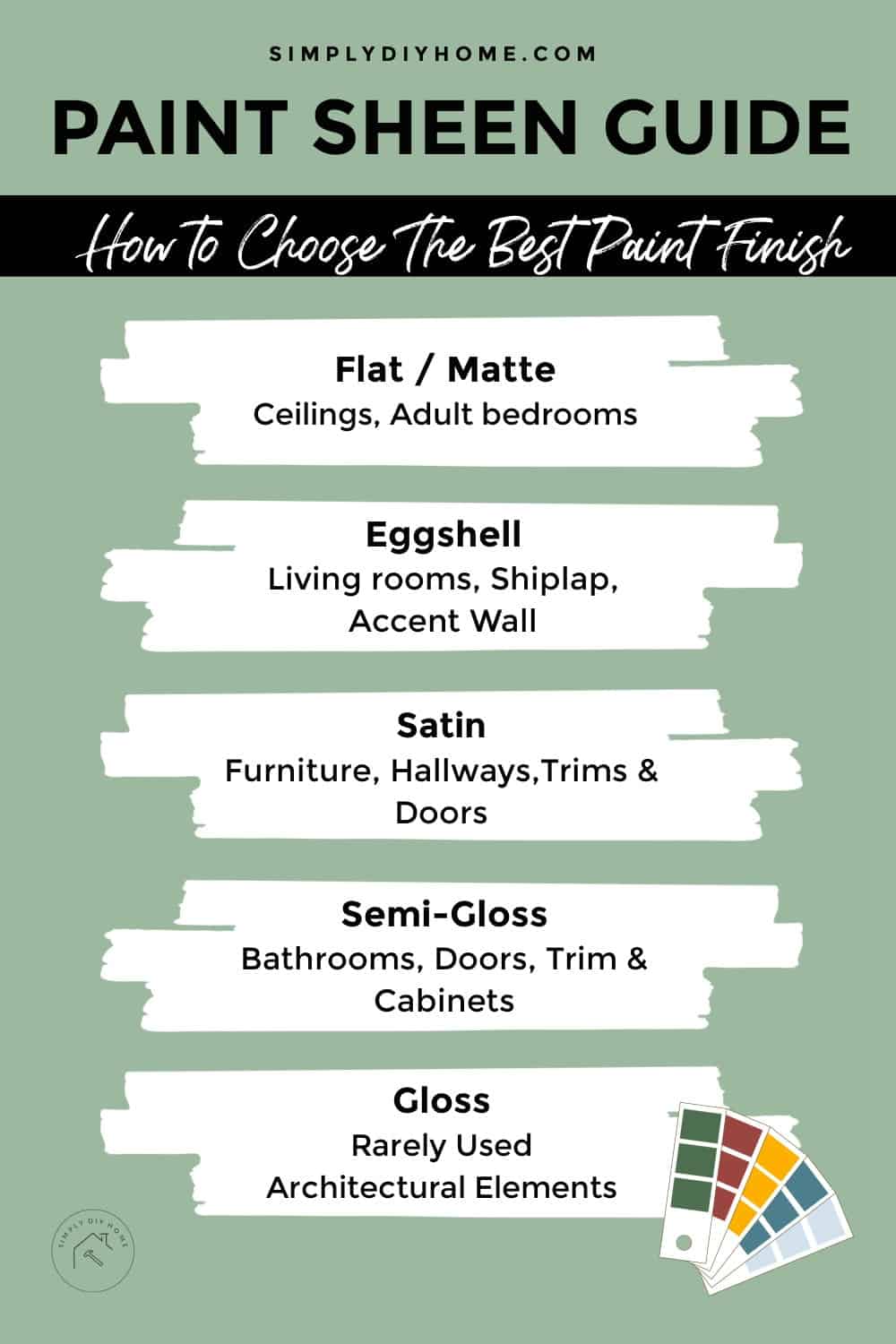
Conclusion: The Bottom Line on Sheen
The question of “what sheen for bathroom” is fundamentally a question of financial stewardship. While the aesthetic differences between satin, eggshell, and semi-gloss may seem subtle to the casual observer, their impact on the balance sheet is profound.
To maximize the ROI of a property:
- Opt for Satin or Semi-Gloss: These offer the best protection against moisture-related depreciation.
- Invest in Quality: The labor-to-material cost ratio makes premium paint a logical financial choice.
- Standardize: For those with multiple assets, a consistent sheen specification reduces operational friction and improves brand identity.
In the final analysis, paint is not just a decorative layer; it is a functional coating designed to preserve the structural integrity and market value of an asset. By choosing a durable, light-reflective, and moisture-resistant sheen, property owners are making a savvy business decision that will pay dividends through lower maintenance costs, higher rents, and increased resale value. In the business of real estate, the right sheen is the finish that protects your profit.
aViewFromTheCave is a participant in the Amazon Services LLC Associates Program, an affiliate advertising program designed to provide a means for sites to earn advertising fees by advertising and linking to Amazon.com. Amazon, the Amazon logo, AmazonSupply, and the AmazonSupply logo are trademarks of Amazon.com, Inc. or its affiliates. As an Amazon Associate we earn affiliate commissions from qualifying purchases.