
In the modern global economy, the phrase “one man’s trash is another man’s treasure” is more than a cliché—it is a multi-billion dollar financial reality. Scrap metal is not merely refuse; it is a vital commodity that serves as a pulse for industrial health and a lucrative avenue for personal and corporate revenue. When we ask, “What price scrap metal?” we are not just looking for a number on a scale; we are inquiring about the complex intersection of global supply chains, energy costs, and market speculation.

Understanding the financial landscape of scrap metal requires a shift in perspective. To the uninitiated, it looks like a pile of rusted iron. To the financier, it represents “secondary raw materials” that reduce production costs and hedge against the volatility of mining operations.
The Macroeconomics of Metal: Why Prices Fluctuate
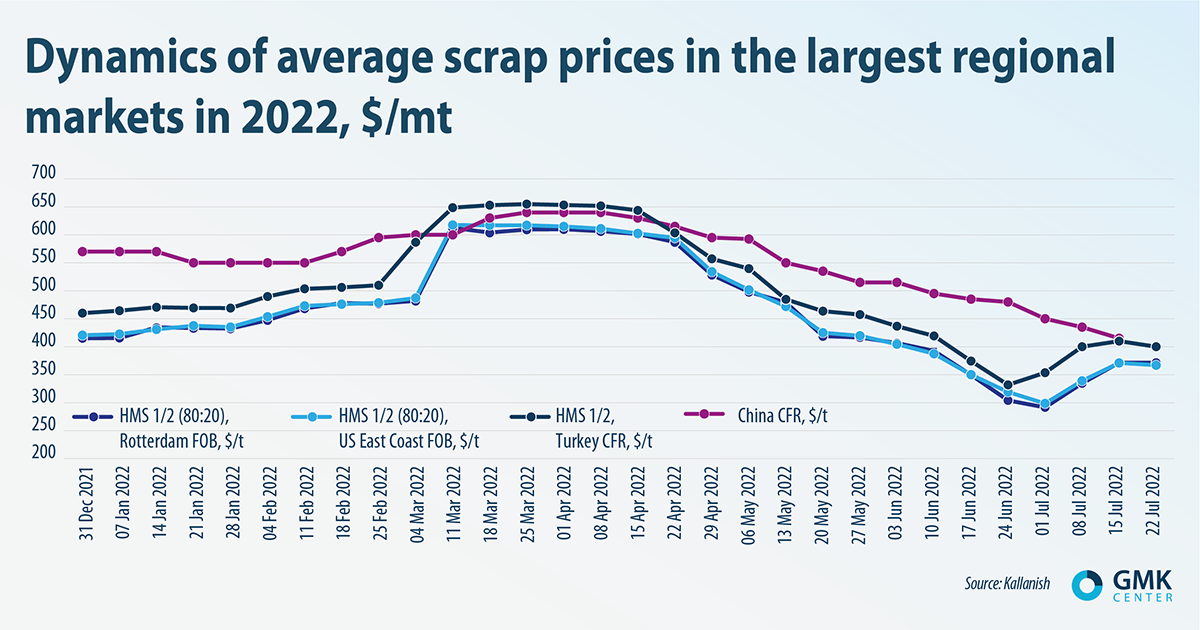
The valuation of scrap metal is rarely static. It is tethered to the same market forces that govern the price of gold, oil, and stocks. To understand why a pound of copper is worth three dollars today and two dollars tomorrow, one must look at the global stage.
The Role of the London Metal Exchange (LME)
The primary driver of scrap metal pricing is the London Metal Exchange (LME). As the world’s center for industrial metals trading, the LME sets the benchmark prices for “virgin” metals. Scrap prices are derivative of these benchmarks. Typically, scrap sells at a percentage of the LME price, discounted for the cost of processing, melting, and refining the material back into a usable state. Investors and scrap yard owners monitor these “spot prices” daily to determine when to liquidate inventory or hold for a market upswing.
Global Industrial Demand and Geopolitics
China, as the world’s largest consumer of raw materials, often dictates the “price” of scrap metal through its infrastructure projects. When the Chinese construction sector booms, the demand for steel and copper skyrockets, driving up scrap prices globally. Conversely, trade tariffs and geopolitical tensions can disrupt these flows. For example, when a major economy imposes “Green Fence” policies—restricting the import of low-grade or contaminated scrap—the domestic supply in exporting countries increases, often causing local prices to plummet.
The Energy Correlation
Recycling metal is significantly less energy-intensive than mining and refining ore. For instance, recycling aluminum saves roughly 95% of the energy required to produce it from bauxite. Therefore, when global energy prices (oil and natural gas) rise, the value of scrap metal often increases. Manufacturers become more desperate for scrap because it allows them to lower their carbon footprint and, more importantly, their utility bills.
Categorizing Value: Ferrous vs. Non-Ferrous Metals
From a financial perspective, not all scrap is created equal. The industry divides metals into two primary categories: Ferrous and Non-Ferrous. Understanding this distinction is the first step toward maximizing returns in the scrap trade.
Ferrous Metals: Volume Over Value
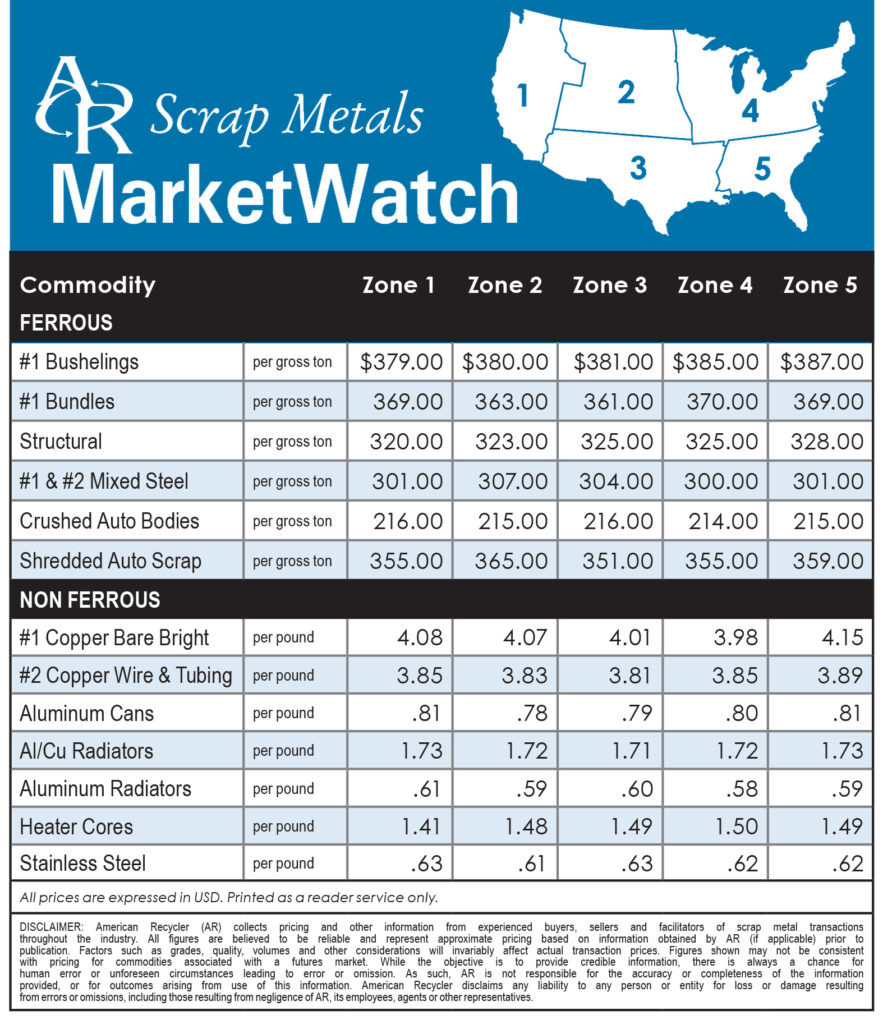
Ferrous metals contain iron and are magnetic. This includes steel and cast iron. In the financial hierarchy of scrap, ferrous metals are the “low-margin, high-volume” players. While the price per ton is relatively low compared to other metals, the sheer abundance of steel in cars, appliances, and structural beams makes it a cornerstone of the recycling economy. Investors in this space focus on logistics and “turnover” rather than price-per-pound speculation.
Non-Ferrous Metals: The High-Value Commodities
Non-ferrous metals do not contain iron and are not magnetic. This category includes copper, aluminum, brass, lead, and zinc. These are the “precious metals” of the industrial world.
- Copper: Often referred to as “Dr. Copper” because its price is a leading indicator of economic health. It is the gold standard of scrap due to its essential role in electronics and green energy transitions.
- Aluminum: Valued for its lightweight properties and infinite recyclability.
- Brass and Bronze: Valuable alloys that command high prices in plumbing and decorative industries.
The Impact of Purity and Grading
The “price” of scrap is heavily influenced by the grade. For example, “Bare Bright Copper” (clean, unalloyed, uncoated wire) fetches the highest price, while “#2 Copper” (oxidized or coated) is discounted. Financial savvy in this niche involves “value-adding”—taking the time to strip insulation from wires or remove steel screws from aluminum frames to move the material into a higher-paying bracket.
Scrap Metal as a Business: From Side Hustle to Corporate Enterprise
For many individuals, scrap metal represents an accessible “side hustle” with low barriers to entry. However, at a larger scale, it is a sophisticated financial operation requiring significant capital investment.
The Micro-Economics of “Scrapping”
At the individual level, the business model is simple: arbitrage. A “scrapper” collects discarded metal for free or at a low cost and sells it to a processor at the current market rate. The profit margin is determined by fuel costs and time. To turn this into a viable income stream, one must understand the “yield”—the ratio of high-value non-ferrous metal to low-value ferrous waste in any given load.
Scaling to a Recycling Facility
For a business to move from a truck-and-trailer operation to a full-scale recycling yard, the financial complexity increases. These businesses must manage:
- Hedging and Risk Management: Large yards may use futures contracts to lock in prices, protecting themselves against a sudden drop in commodity values while they hold large inventories.
- Capital Expenditure (CapEx): The machinery required—shredders, shears, and spectrometers (to identify metal alloys)—costs millions of dollars. The ROI (Return on Investment) is calculated based on the facility’s “throughput” capacity.
- Environmental Compliance Costs: Modern recycling is strictly regulated. A significant portion of the budget is allocated to ensuring that hazardous materials (like lead-acid batteries or oils) are handled without incurring massive fines.
Investing in the Future of Metal Recycling
Beyond physically handling the metal, there is a burgeoning “paper” market for those looking to capitalize on the scrap metal industry through traditional financial instruments.
Equity Investments in Recycling Giants
Investors can gain exposure to the scrap metal market by purchasing shares in publicly traded companies that dominate the space. Companies like Schnitzer Steel (now Radius Recycling) or Commercial Metals Company (CMC) provide a way to invest in the infrastructure of recycling. These companies’ stock prices often correlate with global construction trends and the “circular economy” initiatives that are gaining favor in ESG (Environmental, Social, and Governance) investing.
The “Green” Premium and Carbon Credits
The financial world is increasingly placing a monetary value on carbon reduction. Because scrap metal utilization drastically reduces CO2 emissions compared to primary mining, recycling firms are beginning to tap into the carbon credit market. In the near future, the “price” of scrap metal may include a “green premium”—a secondary value added to the material because it helps a manufacturer meet carbon-neutrality goals.
Market Volatility and the 2030 Outlook
Looking ahead, the shift toward electric vehicles (EVs) is expected to create a massive supply-demand imbalance. An EV requires roughly four times as much copper as an internal combustion engine vehicle. This “electrification of everything” suggests a long-term bullish trend for non-ferrous scrap prices. Investors who understand the life cycle of these metals—from the battery in a Tesla to the wiring in a smart home—are positioning themselves for a decade of significant growth.
Conclusion: The Bottom Line on Scrap Metal
What is the price of scrap metal? It is a figure that reflects the state of the global economy, the cost of energy, and the world’s progress toward sustainability. Whether you are an individual looking for a profitable side hustle, a business owner optimizing your supply chain, or an investor seeking commodity exposure, the scrap metal market offers a unique financial ecosystem.
By understanding the difference between ferrous and non-ferrous metals, monitoring the LME, and recognizing the “green” value of recycled materials, one can navigate this volatile but rewarding market. In the end, scrap metal proves that value is not just found in what we create, but in how effectively we reclaim and reinvest what we have already used.
aViewFromTheCave is a participant in the Amazon Services LLC Associates Program, an affiliate advertising program designed to provide a means for sites to earn advertising fees by advertising and linking to Amazon.com. Amazon, the Amazon logo, AmazonSupply, and the AmazonSupply logo are trademarks of Amazon.com, Inc. or its affiliates. As an Amazon Associate we earn affiliate commissions from qualifying purchases.