
In the competitive landscape of modern commerce, a brand is not merely a logo or a product; it is a complex psychological construct that exists within the minds of consumers. To understand how a consumer moves from being a stranger to a loyal advocate, one must delve into the perceptual process. While many marketers focus on the initial stages of getting noticed, the true value of a brand strategy is realized in the final phase.
The perceptual process is the sequence of psychological steps an individual uses to organize and interpret sensory information. In the context of branding, this process determines how a consumer views a company’s identity and values. But what is the last step of the perceptual process? While psychologists often label it as “Action” or “Response,” in the world of brand strategy, it represents the critical transition from internal thought to external behavior.
Understanding the Perceptual Process in Brand Strategy
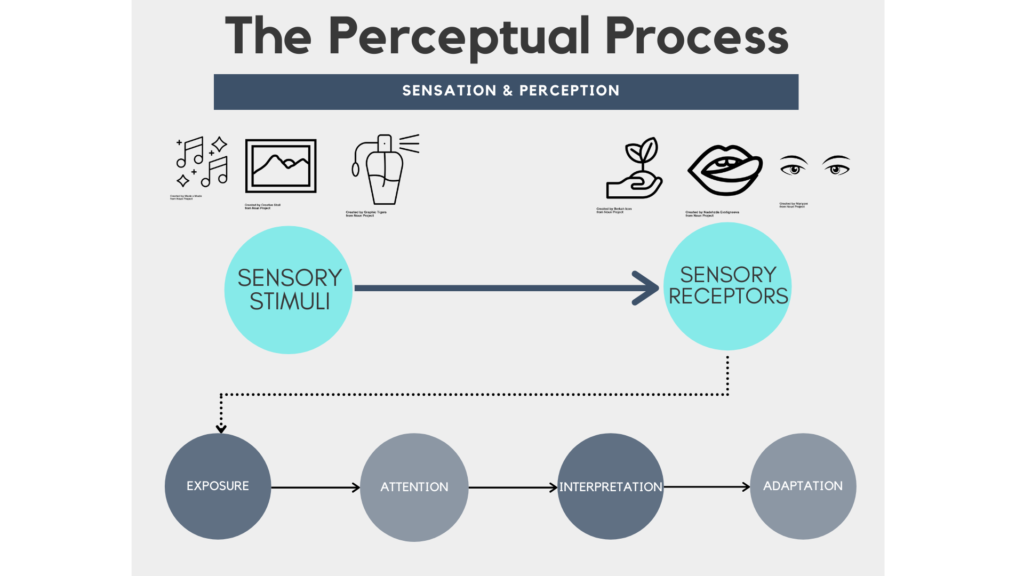
Before we can analyze the final result, we must understand the journey. The perceptual process is generally broken down into several stages: selection, organization, and interpretation. For a brand, these stages represent the gauntlet that every marketing message must run.
The Selection Stage: Cutting Through the Noise
Every day, the average consumer is bombarded with thousands of brand signals, from social media ads to billboard placements. The selection stage is where the brain filters out the majority of this “noise” to focus on what is relevant. Brands that succeed here use high-contrast visuals, provocative messaging, or personalized triggers to ensure they are the ones selected for further processing.
The Organization Stage: Creating a Mental Map
Once a brand is selected, the consumer’s brain begins to categorize it. Does this brand belong in the “luxury” category or the “budget” category? Is it “innovative” or “traditional”? This organization happens instantaneously based on previous experiences and schemas. Effective brand strategy ensures that the brand’s visual identity (colors, typography, imagery) aligns perfectly with the intended category to avoid cognitive dissonance.
The Interpretation Stage: Assigning Meaning
Interpretation is the most subjective part of the process. This is where the consumer attaches a specific meaning to the brand based on their unique values, needs, and biases. A brand might be interpreted as “reliable” by one person and “boring” by another. This stage is where the “image” of the brand is solidified in the consumer’s mind.
The Response: The Last Step of the Perceptual Process
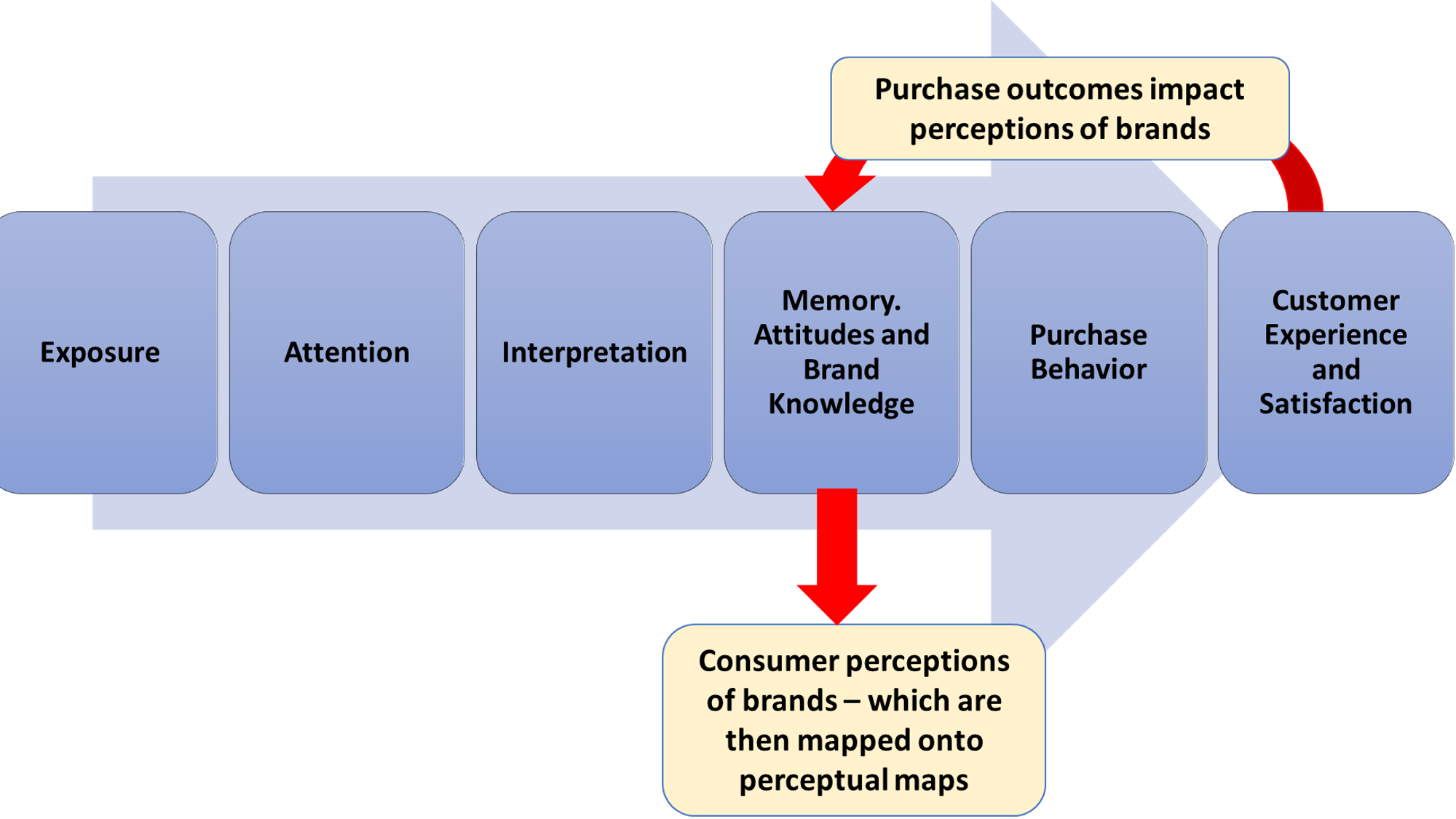
The culmination of selecting, organizing, and interpreting information leads to the final step: the Response. In branding, the response is the behavioral outcome of the entire perceptual journey. It is the moment where the internal perception manifests as a tangible action.
The Behavioral Shift
The response is not always a purchase. While a transaction is a primary goal, the “last step” can take many forms depending on the brand’s objectives. It could be a click on a website, a sign-up for a newsletter, or a verbal recommendation to a friend. The key is that the perceptual process has moved from a passive mental state to an active engagement. If the interpretation of the brand was positive, the response is typically engagement; if negative, the response is avoidance.
Why the Response is the Most Critical Phase
For brand strategists, the response is the only stage that provides measurable data. You can guess how people are interpreting your brand through focus groups, but you know how they perceive it through their actions. The response validates the entire strategy. If the interpretation stage leads to “confusion,” the final step—the response—will likely be non-action or friction. Therefore, the goal of brand strategy is to streamline the first three steps to ensure the final response is favorable.
The Feedback Loop
It is important to note that the last step is not a dead end. In sophisticated brand ecosystems, the response feeds back into the first stage. Once a consumer interacts with a brand (the response), that experience becomes a “memory” or a “prior knowledge” that influences how they select and interpret that same brand in the future. This creates a perceptual loop that can either build brand equity or lead to a brand’s decline.
The Role of Sensory Branding in Influencing the Final Step
To ensure the final step of the perceptual process—the response—is positive, modern brands utilize sensory branding. This is the practice of engaging multiple senses to create a more profound and lasting perception.
Visual and Auditory Triggers
Visuals are the most common entry point into the perceptual process. A brand’s color palette can trigger emotional responses before a single word is read. Auditory branding, such as “sonic logos” (think of Netflix’s “ta-dum” or Intel’s chime), bypasses the slower cognitive interpretation phase and goes straight to memory. These sensory inputs make the organization and interpretation stages smoother, leading to a faster and more decisive response.
The Power of Haptics and Olfactory Branding
In physical retail environments, the last step of the perceptual process is often influenced by touch (haptics) and smell (olfactory). The weight of a luxury product’s packaging can interpret as “quality,” leading to a positive purchase response. Similarly, signature scents in hotels or retail stores create an emotional atmosphere that skews interpretation toward comfort and luxury, significantly increasing the likelihood of brand loyalty—a long-term behavioral response.
How Digital Transformation Alters the Perception Loop
In the digital age, the perceptual process happens faster than ever. The “selection” stage might last only a fraction of a second during a scroll, and the “response” is often just a thumb-tap away. This compression of time has changed how brands must approach their strategy.
UX/UI as a Perceptual Tool
In the digital realm, User Experience (UX) and User Interface (UI) are the primary drivers of perception. If a website is slow or difficult to navigate, the consumer’s interpretation of the brand becomes “unprofessional” or “untrustworthy.” The response, in this case, is an immediate “bounce” from the site. Conversely, a seamless digital interface facilitates a positive interpretation of “efficiency” and “innovation,” leading to a conversion.
The Influence of Social Proof
Digital perception is heavily influenced by the “organization” of social proof. When a consumer sees a brand on Instagram, they immediately look for likes, comments, and follower counts to help organize and interpret the brand’s status. In this context, the “last step” is often influenced by the collective response of others. If the crowd has responded positively, the individual is more likely to follow suit.
Measuring Success: When Perception Becomes Brand Equity
The ultimate goal of managing the perceptual process is to turn a single “response” into “brand equity.” Brand equity is the commercial value that derives from consumer perception of the brand name of a particular product, rather than from the product or service itself.
From Action to Loyalty
While the last step of a single perceptual cycle is an action, the last step of a long-term brand relationship is loyalty. When a consumer consistently interprets a brand’s signals as positive and consistently responds with engagement, the brand becomes a “habit.” At this point, the perceptual process becomes streamlined; the consumer no longer needs to heavily “interpret” the brand—they recognize the logo and move straight to the response.
Quantifying the Perceptual Outcome
Brand managers measure the success of the perceptual process through various Key Performance Indicators (KPIs). These include:
- Conversion Rate: The percentage of people who reach the “response” step of a purchase.
- Net Promoter Score (NPS): A measure of the “response” step in the form of word-of-mouth advocacy.
- Brand Recall: A measure of how well the “organization” and “interpretation” stages functioned to leave a lasting mark in the memory.
Conclusion: Designing for the Final Step
Understanding what the last step of the perceptual process is—and how to influence it—is the hallmark of an elite brand strategist. While the journey begins with a spark of attention, it is the final response that determines the survival of a brand. By meticulously crafting every touchpoint to ensure that selection, organization, and interpretation lead inevitably to a positive action, businesses can move beyond mere visibility and achieve true resonance in the marketplace.
In the end, branding is the art of managing perceptions. If you can control the process, you can predict the response. And in a world of infinite choices, predictability is the most valuable asset a brand can own.
aViewFromTheCave is a participant in the Amazon Services LLC Associates Program, an affiliate advertising program designed to provide a means for sites to earn advertising fees by advertising and linking to Amazon.com. Amazon, the Amazon logo, AmazonSupply, and the AmazonSupply logo are trademarks of Amazon.com, Inc. or its affiliates. As an Amazon Associate we earn affiliate commissions from qualifying purchases.