
In the world of sensory marketing, visual stimuli reign supreme. Before a consumer reads a tagline or evaluates a product’s features, their brain has already decoded a complex series of emotional signals sent by the brand’s color palette. Among the most potent of these signals is fear. While fear is often categorized as a negative emotion, in the context of brand strategy, it is a primary driver of human behavior. It signals urgency, highlights risk, and, most importantly, demands a solution.
To answer the question, “What is the colour of fear?” one must look beyond a single hue. In branding, fear is a spectrum. It is the deep red of a critical warning, the stark black of the unknown, and the jarring yellow of a hazard sign. Understanding how to navigate this palette allows brand strategists to address consumer anxieties and position their products as the ultimate shield against the uncertainties of the modern world.

The Spectrum of Anxiety: Identifying the Visual Hues of Risk
Color psychology suggests that our reactions to specific wavelengths are both biological and cultural. When a brand aims to tap into the “fear” centers of the brain—the amygdala—it often utilizes high-contrast, high-visibility colors that have historically signaled danger in the natural world.
Red: The Universal Signal for Urgency and Crisis
Red is the most visceral color in the brand architect’s toolkit. Biologically, red is associated with blood and fire, signaling an immediate need for attention. In branding, red is the “colour of fear” when it represents an emergency or a time-sensitive threat. Cybersecurity firms often use red in their “threat detected” interfaces because it bypasses rational thought and triggers a “fight or flight” response. When a consumer sees red, their pulse quickens. Brands use this to highlight what the consumer stands to lose—whether it is data, time, or a limited-time offer.
High-Contrast Yellow: The Language of Caution
If red is an active crisis, yellow is the color of the “impending” threat. Historically used in traffic signs and hazard symbols, yellow paired with black is the visual shorthand for caution. In brand strategy, this combination is used to highlight potential pitfalls. It is the color of the “Warning” label. Professional service brands, particularly those in legal or compliance sectors, may use yellow accents to signify that they are the experts who see the hazards the consumer might have missed. It creates a sense of “watchful fear” that positions the brand as a necessary guide through a dangerous landscape.
Deep Black: The Fear of the Unknown
Black is the absence of light and, by extension, the absence of information. In branding, black can represent sophistication and luxury, but when used to evoke fear, it represents the “void.” It is the color of the unknown threat—the dark web, the unseen competitor, or the hidden costs. Brands that specialize in insurance or high-end security often use deep blacks to represent the “shadows” from which they protect their clients. By embracing the “colour of fear” as a backdrop, the brand’s solution appears as a beacon of light.
Leveraging Fear to Build Trust: The Defensive Brand Palette
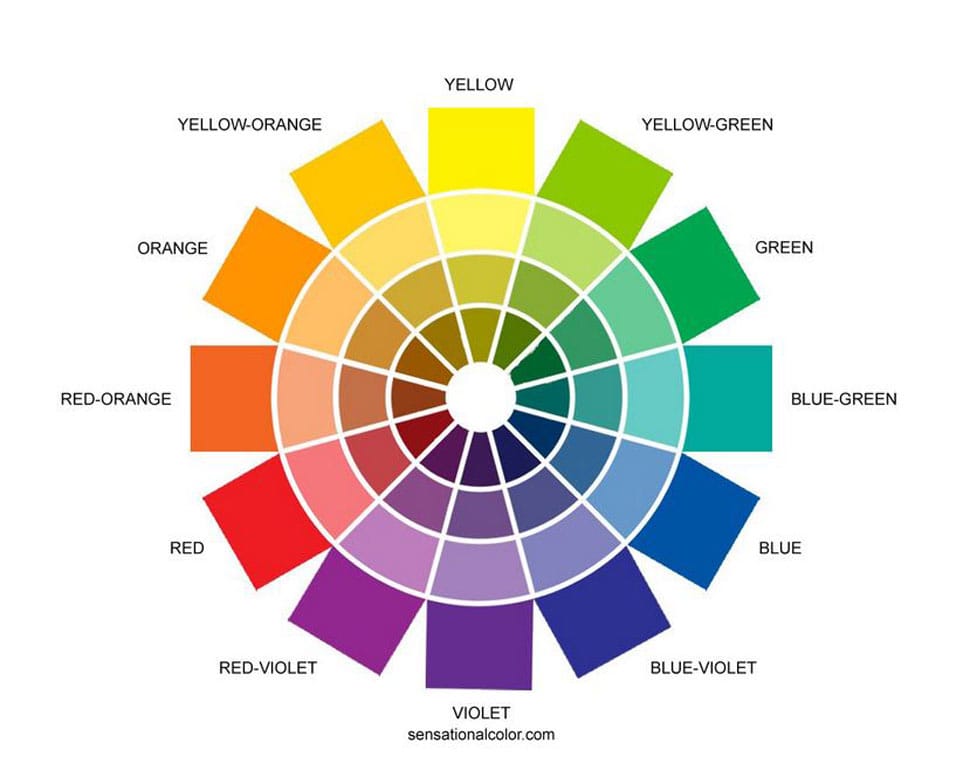
Once a brand has identified the consumer’s fear, the strategic goal is not to leave them in a state of panic, but to provide a visual resolution. This is where the “defensive” palette comes into play. If the “colour of fear” is red or yellow, the “colour of safety” is almost always its opposite on the color wheel.
The “Safe” Blue: Offsetting Anxiety with Stability
There is a reason why the majority of the world’s largest banks, healthcare providers, and tech giants use blue as their primary brand color. Blue is the psychological antidote to the heat of red. It represents the sky and the sea—vast, constant, and calming. When a brand identifies a fear (e.g., the fear of financial ruin), it must present its identity in a color that suggests stability and professional calm. By pairing a “fear-inducing” message with a “trust-inducing” blue, a brand effectively says: “The world is dangerous, but we are the calm in the storm.”
Clinical Whites and Greys: The Power of Transparency
Fear thrives in clutter and confusion. Therefore, the visual manifestation of “protection” often takes the form of minimalism. Clean whites and structured greys are used by brands to signal transparency and logic. In the pharmaceutical and fintech industries, these colors strip away the emotional volatility of fear and replace it with the cold, hard facts of efficacy. When a consumer is afraid of making a mistake, a clean, structured brand identity provides the psychological “breathing room” required to make a decision.
Green: The Color of Recovery and Permission
In many branding contexts, green serves as the “All Clear” signal. It is the color of growth and safety. When a brand navigates a consumer through a fearful journey—such as a medical diagnosis or a complex investment—green is used to signal the end of the threat. It is the color of the “Success” screen. In brand strategy, green is used to mitigate the fear of loss by focusing on the potential for gain and renewal.
Case Studies: Navigating Vulnerability through Visual Identity
To truly understand how the colour of fear is applied, we must look at industries where the stakes are highest. These sectors do not shy away from fear; they lean into it to prove their necessity.
Cybersecurity: Selling Protection through High-Contrast Visuals
The cybersecurity industry is perhaps the most adept at using the colour of fear. Companies like Norton or McAfee have historically used combinations of yellow, red, and black. Their branding focuses on the “threat landscape.” By using high-contrast colors, they mirror the UI of a control room. The fear being sold is the loss of digital identity. However, they quickly transition to green or blue checkmarks to signal that the threat has been neutralized. The strategy is simple: highlight the “red” fear to justify the “blue” protection.
The Insurance Sector: Balancing Risk and Comfort
Insurance branding is a masterclass in emotional balancing. The core product is a hedge against fear—the fear of death, accident, or disaster. Brands like Allstate (“Good Hands”) or State Farm utilize warm tones like deep blue and maroon. They avoid the “scary” shades of bright red, instead opting for colors that feel grounded and historical. Their strategy is to acknowledge the existence of the “fear” (the accident) without triggering an overwhelming anxiety response that might cause the consumer to look away.
Personal Branding in the “Expert” Economy
For consultants and thought leaders, the “colour of fear” is often used to establish authority. A strategist might use a bold, dark palette to signify the “serious” nature of the challenges they solve. If a consultant’s brand is too bright or “happy,” they risk not being taken seriously in a crisis. By utilizing a “power palette” of charcoal, navy, and deep burgundy, they visually signal that they are comfortable operating in the high-stakes environments that others fear.
Ethics and the Visual Narrative: Avoiding the “Dark Patterns” of Fear
While using the colour of fear can be a highly effective marketing tool, it comes with significant ethical responsibilities. In modern brand strategy, there is a fine line between identifying a genuine consumer pain point and engaging in visual manipulation.
The Fine Line Between Urgency and Manipulation
“Dark patterns” in design often use the colour of fear to trick users. A red “Delete” button or a flashing yellow “Stock Low” warning can create a false sense of panic, forcing a consumer into a hasty decision. When brands overplay the fear card, they risk “fear fatigue.” If every communication from a brand is a red-coded emergency, the consumer eventually becomes desensitized or, worse, develops a resentment toward the brand for the stress it causes.
Building Long-Term Loyalty Beyond Scarcity Tactics
The most successful brands use the colour of fear only as a point of entry. The goal is to move the consumer from a state of “Red” (Alarm) to “Blue” (Trust) as quickly as possible. Loyalty is not built on fear; it is built on the relief that follows fear. Brand strategists must ensure that the visual narrative always ends on a note of empowerment. If your brand identifies the “black” unknown, your visual identity must be the “white” light that explains it.

Conclusion: The Strategic Palette of the Future
As we move further into a digital-first economy, the visual cues of fear will become even more nuanced. With the rise of AI and algorithmic volatility, consumers are more anxious than ever. The brands that win will be those that can accurately identify “what is the colour of fear” for their specific audience and provide a visual bridge to safety.
Whether it is the bold red of an antivirus alert or the somber grey of a financial institution, color is the silent language of strategy. By mastering the psychology of these hues, brands do more than just sell products—they provide the visual assurance that in a world full of fear, they are the one constant consumers can rely on. Understanding the colour of fear is not about causing panic; it is about demonstrating that you have the expertise to navigate it.
aViewFromTheCave is a participant in the Amazon Services LLC Associates Program, an affiliate advertising program designed to provide a means for sites to earn advertising fees by advertising and linking to Amazon.com. Amazon, the Amazon logo, AmazonSupply, and the AmazonSupply logo are trademarks of Amazon.com, Inc. or its affiliates. As an Amazon Associate we earn affiliate commissions from qualifying purchases.