
Thailand is often framed as a tropical paradise of golden temples and azure waters, but for the strategic traveler, investor, or digital nomad, it represents a complex marketplace of seasonal pricing and economic cycles. Deciding when to visit the “Land of Smiles” is not merely a matter of checking the weather forecast; it is an exercise in financial optimization. From the volatility of flight prices to the dramatic fluctuations in luxury accommodation rates, the timing of your arrival can result in a 30% to 50% variance in your total expenditure.
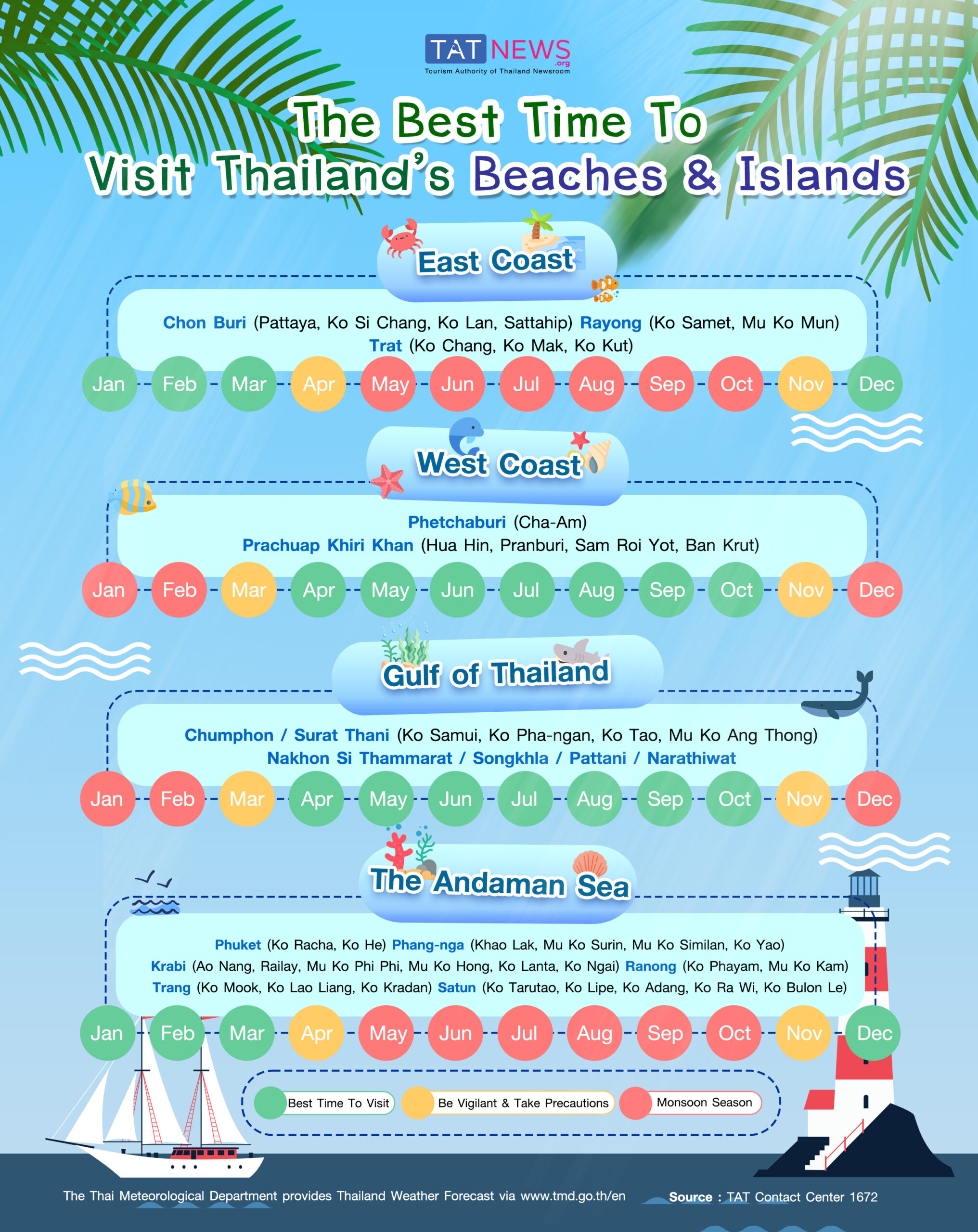
In this comprehensive analysis, we evaluate the best time of year to visit Thailand through the lens of personal finance, market trends, and value-based travel. Whether you are looking to stretch a modest budget or maximize the purchasing power of a high-net-worth portfolio, understanding the economic rhythm of the Thai tourism sector is essential.
1. The Economic Cycles of the Thai Tourism Market
The Thai economy is heavily reliant on tourism, which accounts for a significant portion of its GDP. This reliance creates a highly responsive pricing model that shifts based on global demand and local weather patterns. To identify the “best” time from a financial perspective, one must first categorize the year into its three distinct fiscal seasons.
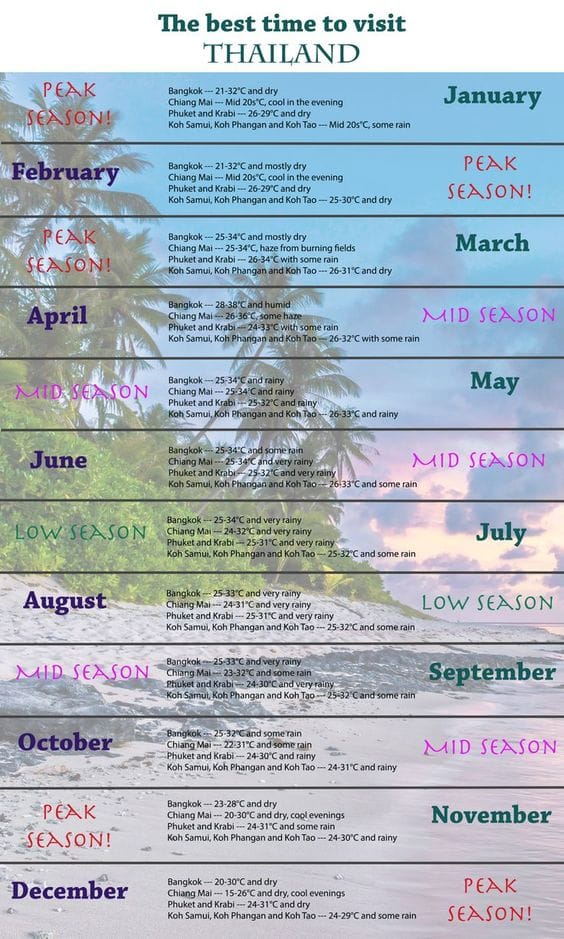
The Peak Season (November to February)
This period coincides with Thailand’s “cool and dry” season, characterized by pleasant temperatures and minimal rainfall. From a money perspective, this is the most expensive time to visit. High demand from North American and European travelers escaping winter leads to “peak pricing” across all sectors. During the weeks surrounding Christmas and New Year, “surcharges” are common, and the bargaining power of the consumer is at its lowest. For those focused on cost-efficiency, this period offers the lowest return on investment (ROI) due to inflated costs for baseline services.
The Shoulder Season (March to May and September to October)
The shoulder seasons represent the “sweet spot” for value seekers. In March and April, temperatures rise significantly, leading to a slight dip in tourist numbers before the monsoon arrives. Conversely, September and October represent the tail end of the rainy season. During these months, savvy travelers can find a balance between decent weather and reduced rates. Real estate investors and business scouts often use these windows to evaluate the market without the “noise” of peak tourism.
The Low Season (June to August)
Often labeled the “Monsoon Season,” this period sees the highest rainfall and the lowest prices. From a pure financial standpoint, this is the best time to visit Thailand for those looking to minimize capital outlay. Luxury five-star resorts that command $500 per night in January may drop to $200 or less. However, the “hidden cost” of the low season is the potential for disrupted travel plans and limited access to certain maritime activities, which can diminish the qualitative ROI of the trip.
2. Maximizing Personal Finance through Seasonal Arbitrage
In finance, arbitrage is the simultaneous purchase and sale of an asset to profit from an imbalance in the price. In the context of Thai travel, seasonal arbitrage involves timing your visit to exploit the massive price gaps between what a service is “worth” and what it is currently “priced at” due to low demand.
Airfare Volatility and Booking Windows
International flight costs are the single largest line item in a Thailand travel budget. Data suggests that booking at least four to six months in advance for a Peak Season trip is necessary to avoid premium pricing. However, for those visiting during the Low Season, “last-minute” deals often emerge as airlines look to fill seats. Using financial tools and flight aggregators to track the “Price-to-Value” ratio can save a traveler upwards of $800 on a long-haul round trip. Furthermore, arriving in a secondary hub like Phuket or Chiang Mai instead of Bangkok can sometimes offer a lower entry price point, depending on regional carrier competition.
Accommodation Pricing: From Luxury Bargains to Budget Gains
Thailand’s hospitality sector is incredibly elastic. Unlike Western markets where hotel prices may stay relatively stable, Thai hotels utilize aggressive dynamic pricing.
- Luxury Tier: For high-end travelers, visiting in the Low Season (June–August) allows for “lifestyle inflation” without the associated costs. You can inhabit a villa that would usually be out of reach, effectively increasing your standard of living for the duration of your stay.
- Budget Tier: For those on a strict personal finance plan, the Low Season allows for long-term stays (30+ days) at significantly discounted monthly rates. Many guesthouses and “digital nomad” hubs offer 40% discounts for monthly contracts during the off-peak months, providing a massive boost to one’s monthly savings rate.
The Impact of Global Exchange Rates
Beyond local pricing, the strength of the Thai Baht (THB) against your home currency (USD, EUR, GBP) dictates your real-world purchasing power. Historically, the Baht fluctuates based on Thailand’s trade balance and central bank policies. A strategic traveler monitors the “Carry Trade” and interest rate differentials. If the Baht is particularly strong, it may be financially prudent to delay a trip or focus on “pre-paid” packages to lock in a more favorable rate before further appreciation occurs.
3. The Business of Digital Nomadism and Remote Work
Thailand is a global headquarters for the “laptop class.” For professionals who earn in a strong currency and spend in a local one, the “best time to visit” is often dictated by the cost of living versus the quality of infrastructure.
Cost of Living Analysis: Seasonal Variance
For a digital nomad, the goal is “geo-arbitrage”—earning a high-income salary while living in a low-cost environment.
- The Dry Season Advantage: While more expensive, the dry season (Nov–Feb) offers the best environment for productivity. Power outages are rare, and outdoor co-working spaces are viable.
- The Rainy Season Discount: During the monsoon, the cost of food, transport, and short-term rentals drops. However, a professional must account for the “productivity tax” associated with potential internet disruptions during heavy storms or the mental health cost of prolonged grey skies.
Infrastructure and Tax Considerations for Long-term Stays
When planning a visit for business or remote work, one must consider the fiscal year. Thailand has recently updated its tax laws regarding foreign-sourced income for long-term residents. Visiting during the transition of the calendar year allows a nomad to better structure their “tax residency” status. Furthermore, the timing of your visit should align with major networking events, such as the various Tech and Affiliate Marketing conferences held in Bangkok and Chiang Mai, usually during the shoulder or peak seasons, to maximize the “networking ROI” of the trip.
4. Investment Opportunities and Market Timing
For the investor, the “best time” to visit Thailand is when the market is most transparent. If you are looking to acquire property or start a business, visiting during the off-peak season provides a more realistic view of the economic landscape.
Real Estate Trends and Short-term Rental Yields
If you are scouting for a condominium in Bangkok or a villa in Samui, the Peak Season will give you an inflated sense of “occupancy rates.” To perform a true “stress test” on a potential investment, you must visit during the Low Season. This allows you to observe how the property handles the elements (monsoon drainage, humidity) and, more importantly, how the local rental market performs when tourists are scarce. Buying or negotiating a lease during the Low Season often results in better terms, as sellers and landlords are more motivated to secure liquidity during the “lean months.”
Timing the Market for Business Entry
For entrepreneurs looking to enter the Thai market—whether in F&B, retail, or tech—the timing of your “market research trip” is critical. Launching a business at the start of the Peak Season (November) allows for immediate cash flow from high foot traffic. However, the “setup phase” (permits, renovations, hiring) should ideally be conducted during the Shoulder or Low seasons. This ensures that your capital isn’t being burned on high “peak-season” labor and material costs while you are not yet operational.

Conclusion: Synthesizing the Data
The “best” time to visit Thailand is ultimately a subjective calculation based on your specific financial goals.
- For the Budget Maximizer: June to August offers the lowest possible overhead, allowing for an extended stay and deep immersion for a fraction of the standard cost.
- For the Quality-to-Price Seeker: April and May (despite the heat) or September and October offer the best balance of manageable weather and significant discounts on luxury assets.
- For the Business & Network Investor: November to February, while the most expensive, provides the highest density of high-value human capital and networking opportunities, justifying the higher “customer acquisition cost” of the trip.
In the world of finance, timing is everything. By treating your trip to Thailand as a strategic allocation of resources rather than a simple vacation, you can ensure that your “Land of Smiles” experience yields a high dividend of both pleasure and profit.
aViewFromTheCave is a participant in the Amazon Services LLC Associates Program, an affiliate advertising program designed to provide a means for sites to earn advertising fees by advertising and linking to Amazon.com. Amazon, the Amazon logo, AmazonSupply, and the AmazonSupply logo are trademarks of Amazon.com, Inc. or its affiliates. As an Amazon Associate we earn affiliate commissions from qualifying purchases.