
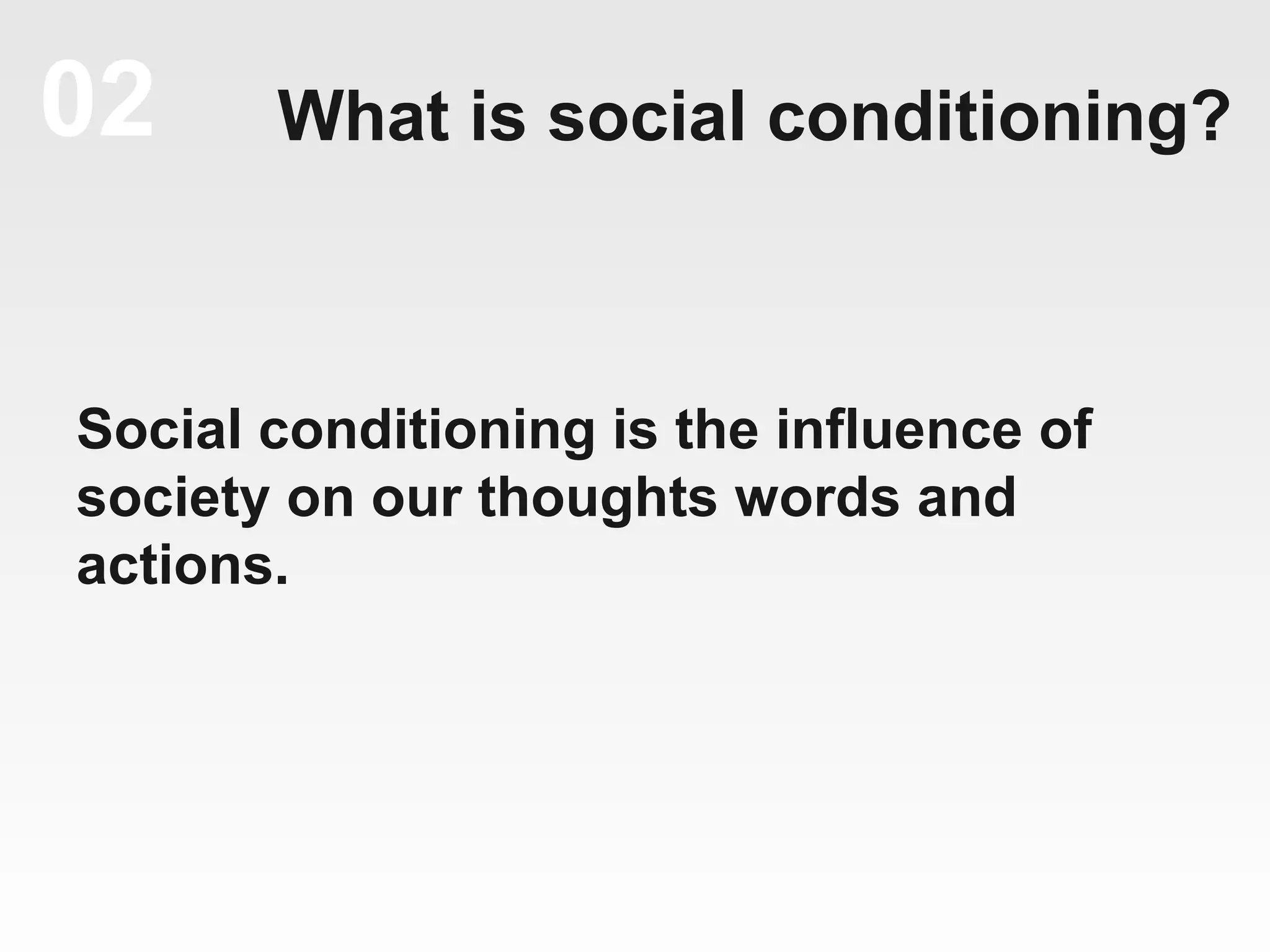
In the context of modern commerce, the term “social conditioning” takes on a sophisticated and strategic meaning. While sociologists define it as the process by which individuals are trained to respond in a manner generally approved by society, in the world of brand strategy, it represents the subtle, systematic influence a brand exerts over consumer behavior, perceptions, and lifestyle choices. Brands do not merely sell products; they cultivate environments and narratives that condition us to associate specific values, emotions, and social statuses with their identity.
Understanding social conditioning is essential for any brand strategist or marketer aiming to move beyond transactional relationships and toward deep-seated cultural relevance. This article explores how brand strategy leverages psychological principles and societal structures to condition the market, effectively shaping the “why” behind every consumer purchase.
The Psychological Foundations of Brand-Driven Social Conditioning
At its core, social conditioning through branding is rooted in behavioral psychology. It is the art of creating a predictable response to a specific stimulus. When a brand successfully conditions its audience, the consumer no longer evaluates the product based on raw utility alone; instead, they react to the brand’s presence with a pre-programmed set of expectations and emotions.
Associative Learning and the Consumer Brain
The primary tool for brand conditioning is associative learning. This involves linking a brand name or logo with a specific feeling, desire, or outcome. Think of the “refreshment” associated with a specific soda brand or the “innovation” tied to a specific tech giant’s logo. Through constant exposure, the brain creates neural pathways that bridge the gap between the brand and the desired state.
Brand strategists use visual cues—color palettes, typography, and imagery—to anchor these associations. For example, a luxury brand might use minimalist design and serif fonts to condition consumers to associate their products with exclusivity and sophistication. Over time, the mere sight of the brand’s aesthetic triggers a sense of aspiration, a form of classical conditioning that operates beneath the level of conscious thought.
The Role of Repetition in Building Trust
Conditioning cannot occur in a vacuum; it requires consistency and repetition. The “Rule of Seven” in marketing suggests that a prospect needs to see a brand’s message at least seven times before they take action. However, in the age of social conditioning, repetition serves a deeper purpose: it creates a sense of “truth” and familiarity.
When a brand consistently delivers the same message across multiple touchpoints—social media, billboards, television, and retail spaces—it becomes part of the consumer’s cognitive environment. This repetition lowers “cognitive ease,” making the brand feel safe and reliable. By the time a consumer is ready to make a purchase, they have been conditioned to perceive the brand as the default or “correct” choice within its category.
Shaping the Collective Conscious: How Brands Create Cultural Norms
Beyond individual psychology, social conditioning in branding works at a macro level. The most successful brands in history are those that have managed to shift cultural norms, conditioning entire generations to view certain behaviors as desirable or essential.
From Product Features to Lifestyle Identity
Early 20th-century advertising focused on features: how a soap cleaned or how a car ran. Modern brand strategy, however, focuses on lifestyle identity. We are conditioned to believe that our choice of brand reflects who we are as people. This is the “Identity Myth” in branding.
For instance, athletic apparel brands have conditioned the public to view their gear not just as gym wear, but as a badge of “hustle” and personal discipline. By aligning their brand with the values of perseverance and health, they condition consumers to feel that by wearing the brand, they are adopting those traits. The product becomes a tool for self-expression, and the social conditioning ensures that the peer group recognizes and validates that expression.
The Halo Effect: Leveraging Authority and Social Proof
Social conditioning is often reinforced through the “Halo Effect,” where our positive impression of a person or entity influences our feelings about everything associated with them. Brands leverage this by using influencers, celebrities, and industry experts to condition the market.
When a respected figure endorses a brand, their personal brand equity “bleeds” into the product. The audience is conditioned to trust the product because they trust the messenger. Furthermore, social proof—the phenomenon where people copy the actions of others—acts as a powerful conditioning agent. When a brand creates the perception that “everyone” is using their product, they condition the remaining market to feel a sense of FOMO (Fear Of Missing Out) or social exclusion if they do not participate.

Digital Echo Chambers: Algorithmic Conditioning and Modern Marketing
In the digital age, social conditioning has become more precise and data-driven. The rise of Big Data and machine learning has allowed brands to move from “broad-spectrum” conditioning to “micro-conditioning,” where individual users are targeted based on their unique psychological profiles.
Micro-Targeting and the Reinforcement of Preferences
Social media algorithms are the ultimate conditioning machines. They track our likes, shares, and dwell times to build a profile of what moves us. Brands then use this data to deliver hyper-personalized content that reinforces our existing biases and desires.
This creates a feedback loop. A consumer who shows a slight interest in sustainable fashion is suddenly surrounded by advertisements, articles, and influencers promoting eco-friendly brands. This digital environment conditions the consumer to believe that sustainability is the dominant social norm, making them more likely to convert. In this scenario, the brand isn’t just following a trend; it is actively conditioning the consumer’s reality through a curated digital echo chamber.
The Gamification of Brand Loyalty
Modern apps and e-commerce platforms use gamification to condition user behavior. Points, badges, streaks, and loyalty tiers are all forms of operant conditioning—a method of learning that occurs through rewards and punishments for behavior.
By rewarding consumers for interacting with the brand (e.g., “Daily Check-in Bonuses” or “Platinum Member Status”), brands condition them to return to the platform repeatedly. This behavior becomes habitual, eventually turning into a “sunk cost” where the consumer feels they have invested too much in the brand’s ecosystem to leave. This is conditioning at its most functional, turning casual users into brand advocates through a structured reward system.
Ethical Implications and the Future of Conscious Branding
As we look toward the future, the power of brands to condition society carries significant ethical weight. With great influence comes the responsibility to ensure that the conditioning serves a positive purpose, rather than just driving mindless consumption.
Moving from Manipulation to Genuine Value
The line between “persuasion” and “manipulation” is often thin. In the past, some brands used fear-based conditioning—making consumers feel inadequate or unattractive to sell a solution. However, modern consumers are becoming increasingly “brand-literate.” They can sense when they are being manipulated, and this often leads to brand erosion.
The future of brand strategy lies in “Conscious Conditioning.” This involves using the tools of social conditioning to promote positive behaviors, such as health, community involvement, or environmental stewardship. When a brand conditions its audience to value quality over quantity or to support ethical supply chains, it builds a relationship based on shared values rather than psychological tricks.
The Rise of the Socially Conscious Consumer
We are currently seeing a counter-movement where consumers are conditioning brands just as much as brands condition them. Through social media activism and “voting with their wallets,” consumers are demanding transparency and social responsibility.
Brands that fail to adapt to this new social conditioning—where ethics are a baseline requirement—risk becoming obsolete. The modern brand strategist must therefore be a cultural anthropologist, understanding the shifting tides of social conditioning to ensure the brand remains a positive and relevant force in the lives of its customers.
Conclusion: The Strategic Necessity of Conditioning
Social conditioning is not a “dark art” to be feared; it is a fundamental aspect of human interaction and cultural development. In the realm of brand strategy, it is the difference between a product that is bought once and a brand that is lived every day. By understanding the psychological triggers of associative learning, the power of cultural norms, and the precision of digital algorithms, brand leaders can create identities that resonate deeply with their audience.
Ultimately, the goal of brand-driven social conditioning is to create a seamless alignment between the brand’s purpose and the consumer’s identity. When this is achieved, the brand becomes more than just a vendor—it becomes a trusted guide in the consumer’s journey, shaping their world in ways that are both meaningful and lasting.
aViewFromTheCave is a participant in the Amazon Services LLC Associates Program, an affiliate advertising program designed to provide a means for sites to earn advertising fees by advertising and linking to Amazon.com. Amazon, the Amazon logo, AmazonSupply, and the AmazonSupply logo are trademarks of Amazon.com, Inc. or its affiliates. As an Amazon Associate we earn affiliate commissions from qualifying purchases.