
In the complex ecosystem of global commerce, the success of a product often hinges less on its utility and more on its perception. Nowhere is this more evident than in the specialized corridors of the meat industry, where a specific cut known as “rose meat” has transitioned from a structural byproduct to a highly sought-after brand asset. While the term may sound like a culinary delicacy or a botanical hybrid, rose meat—scientifically known as the cutaneous trunci—is a masterclass in brand strategy, nomenclature, and the art of value-added marketing.
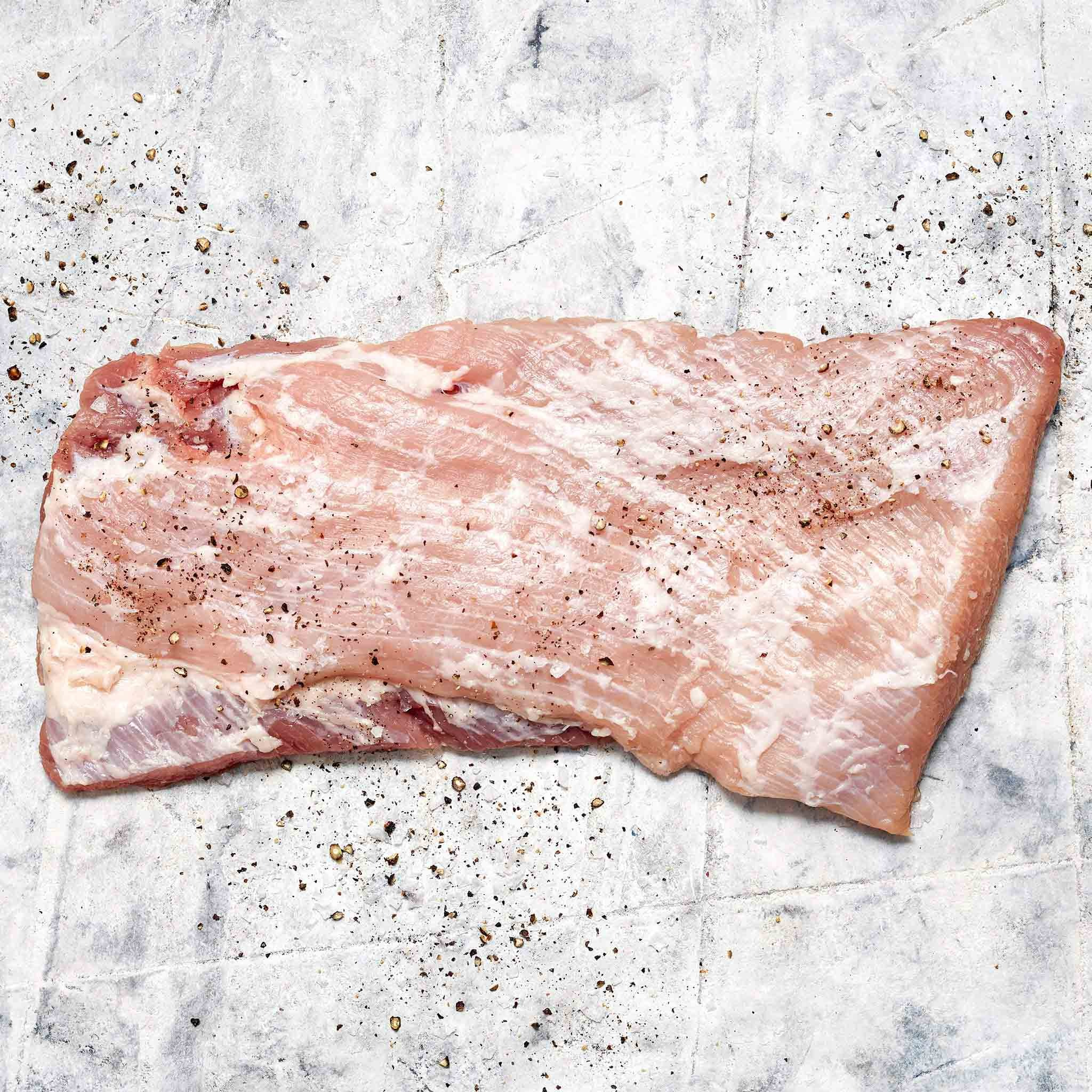
For brand strategists and corporate identity experts, the trajectory of rose meat offers profound insights into how “secondary” assets can be repackaged to dominate niche markets. This article explores the branding mechanics behind rose meat, analyzing how strategic naming, targeted positioning, and sensory storytelling can elevate a commodity from a utility item to a premium brand staple.
The Power of Nomenclature: Redefining Value Through Naming
The first pillar of any successful brand strategy is the name. In the world of industrial agriculture, anatomical terms are often sterile, clinical, or unappealing. The cutaneous trunci is the “twitch muscle” of the cow, located on the outside of the carcass, responsible for moving the skin to swat away flies. From a literal standpoint, “skin-twitch muscle” is a marketing nightmare.
From Anatomical Necessity to Aesthetic Label
The transition to the name “rose meat” was not accidental; it was a stroke of branding genius. The name derives from the muscle’s distinct light-red to pinkish hue, which is noticeably paler than the deep crimson of a ribeye or a loin. By leaning into the visual aesthetics of the product, the industry transformed a biological description into a sensory experience. “Rose” evokes delicacy, freshness, and beauty—qualities that are highly prized in food branding.
The Psychology of Consumer Perception
Words carry emotional weight. In the same way that “Patagonian Toothfish” became the luxury “Chilean Sea Bass” and “Oilfish” became “White Tuna” in certain markets, “Rose Meat” leverages the halo effect. When a consumer or a B2B buyer hears the word “rose,” the psychological association shifts from “byproduct” to “specialty cut.” This linguistic rebranding allows the product to command a higher price point and occupy a more prestigious space on a specification sheet than its anatomical location would suggest.
Market Positioning: Turning Byproducts into Premium Assets
Effective brand strategy requires identifying “hidden gems” within a portfolio—assets that are underutilized or undervalued. In the beef industry, the “primary cuts” (the loin, the rib, the brisket) have always carried the brand’s weight. However, the true profitability of a modern enterprise often lies in the “middle-of-the-road” assets that can be optimized through clever positioning.
Identifying the “Hidden Gems” in a Portfolio
Rose meat serves as a primary example of “valorization”—the process of increasing the value of a commodity through strategic intervention. For decades, rose meat was often trimmed away and relegated to high-fat ground beef or “trim.” However, brand architects within the meatpacking industry realized that the cut possessed unique properties: it is thin, highly marbled with fat, and cooks rapidly. By identifying these unique selling propositions (USPs), brands were able to carve out a new category for the product.
The Carne Asada Economy: Targeted Branding
A crucial element of brand strategy is knowing exactly who your customer is. Rose meat found its “Blue Ocean” in the Hispanic and Latin American markets, particularly within the carne asada tradition. Because the cut is thin and responds well to high-heat grilling, it was branded as the ideal “authentic” cut for tacos and street food.
Instead of trying to compete with the “Premium Steak” brand (occupied by Filet Mignon), rose meat established itself as the “Premium Utility” brand. It became the gold standard for high-volume, high-flavor applications. This targeted positioning ensured that the product didn’t just exist in the market; it owned a specific cultural and culinary segment.
Brand Consistency and Supply Chain Integrity

A brand is a promise of consistency. In the B2B world, where rose meat is primarily traded between packers, distributors, and restaurant chains, the “Rose Meat” brand signifies a specific set of specifications. If the quality, color, or fat content fluctuates, the brand equity erodes.
Standardizing Quality for Brand Trust
For rose meat to maintain its status, industry leaders established rigorous grading standards. The “brand” of rose meat implies a specific fat-to-lean ratio (typically 70/30 or 80/20) and a consistent thickness. When a franchise buyer orders “rose meat,” they are not just buying beef; they are buying the assurance that the product will perform identically in every kitchen across their network. This reliability is the bedrock of corporate identity. It transforms a raw material into a trusted component of a larger business model.
Distribution Channels and B2B Brand Loyalty
The “Rose Meat” identity also facilitates smoother supply chain communication. By having a standardized name and expectation, suppliers can build long-term relationships with distributors. In brand strategy, this is known as “frictionless commerce.” When the product identity is clear, the sales cycle shortens. Distributors become advocates for the brand because they know exactly how to pitch the “rose meat” value proposition to their end-users: “It’s the affordable, high-flavor alternative to flank steak.”
Lessons for Modern Brand Architects
The story of rose meat is more than a culinary trivia point; it is a roadmap for any business looking to revitalize a “boring” or “stagnant” product line. Whether you are in tech, finance, or manufacturing, the principles of the rose meat strategy remain applicable.
Rebranding the Mundane
Every business has a “cutaneous trunci”—an asset that is functional but unglamorous. The lesson from rose meat is to look for the “rose” within the “twitch muscle.” Is there a feature in your software that is underutilized because it has a technical, uninviting name? Is there a financial service you offer that feels like a “byproduct” but could be the centerpiece of a new market segment?
Rebranding the mundane requires a shift in perspective. It requires looking at your product through the eyes of the end-user’s aspirations rather than the developer’s specifications.
Storytelling as a Value Lever
The final lesson is the power of the narrative. Rose meat isn’t just meat; it’s a specific color, a specific tradition, and a specific culinary result. Brands that win are those that tell the best stories. By weaving a narrative of “freshness” (due to the color) and “authenticity” (due to its use in traditional grilling), rose meat became a character in the story of global cuisine.
For brand managers, this highlights the necessity of “Value-Based Storytelling.” You are not selling a product; you are selling the outcome that the product facilitates. Rose meat doesn’t sell “muscle fiber”; it sells the perfect, smoky, charred taco that brings families together at a weekend barbecue.

Conclusion: The Lasting Impression of the Rose
What is rose meat? In the literal sense, it is a thin muscle from a beef carcass. But in the world of brand strategy, it is a testament to the power of creative nomenclature, strategic market positioning, and the relentless pursuit of value.
The success of rose meat proves that there is no such thing as a “commodity” if you have the vision to brand it. By focusing on the unique attributes of a product—even those that were once considered secondary—and aligning them with the needs of a specific, underserved audience, companies can create lasting brand equity.
In an era where consumers are overwhelmed with choices, the “Rose Meat Strategy” serves as a reminder: a rose by any other name might smell as sweet, but it certainly wouldn’t sell as well. To build a brand that lasts, one must find the beauty in the functional, the story in the utility, and the “rose” in the heart of the business.
aViewFromTheCave is a participant in the Amazon Services LLC Associates Program, an affiliate advertising program designed to provide a means for sites to earn advertising fees by advertising and linking to Amazon.com. Amazon, the Amazon logo, AmazonSupply, and the AmazonSupply logo are trademarks of Amazon.com, Inc. or its affiliates. As an Amazon Associate we earn affiliate commissions from qualifying purchases.