
In the landscape of global commodities, few substances are as ubiquitous yet misunderstood as powdered cellulose. While often simplified as a mere additive, powdered cellulose represents a multi-billion-dollar intersection of agricultural output, chemical engineering, and strategic manufacturing. To understand what powdered cellulose is made of is to understand a complex supply chain that transforms raw organic matter into a high-value industrial asset. For investors, business analysts, and corporate strategists, the composition of this material is less about chemistry and more about the economic efficiency it provides to a wide array of sectors, from food production to pharmaceuticals.

The Raw Material Supply Chain: Sourcing Value from Organic Matter
At its most fundamental level, powdered cellulose is an insoluble fiber derived from the structural components of plants. However, from a business and procurement perspective, the “what” of its composition is determined by cost-effectiveness, purity levels, and supply chain stability.
Wood Pulp and Cotton Linters: The Primary Commodities
The vast majority of industrial powdered cellulose is manufactured from specialized wood pulp—specifically from fast-growing, sustainable softwoods and hardwoods. In the financial context of raw material sourcing, wood pulp is a preferred substrate due to its high concentration of alpha-cellulose and its relative price stability compared to other plant fibers.
Beyond wood, cotton linters—the short fibers remaining on the cotton seed after ginning—serve as a premium source. From a money-management perspective, cotton-derived cellulose often carries a higher price point due to its superior purity and longer molecular chains, making it the preferred choice for high-margin pharmaceutical applications. Companies must balance the higher “Cost of Goods Sold” (COGS) associated with cotton against the regulatory and quality requirements of their end products.
The Refinement Process as a Value-Add
The transformation of raw biomass into powdered cellulose is a capital-intensive process that defines the product’s market value. The process involves treating the raw fiber with chemicals to remove impurities like lignin and hemicellulose. This “delignification” is where the economic value is created.
The resulting purified cellulose is then mechanically ground into various particle sizes. In the world of industrial finance, the “mesh size” of the powder dictates its price. Finer powders require more energy and specialized equipment to produce, leading to tiered pricing structures that allow manufacturers to segment their market and maximize revenue across different industrial applications.
Industrial Applications: Why Corporations Invest in Cellulose
Powdered cellulose is rarely the “star” of a product, but it is often the silent driver of profitability. By understanding the composition of cellulose—specifically its ability to act as a bulking agent, anti-caking agent, and fat replacer—corporations can significantly optimize their operational margins.
Cost-Cutting in the Food and Beverage Sector
In the food industry, powdered cellulose is a strategic tool for managing ingredient costs. Because it is chemically inert and has no caloric value, it is used as a “filler” or “bulking agent.” For a business, this is a financial masterstroke: it allows a company to increase the volume of a product without increasing its caloric density or significantly raising the cost of ingredients.
In shredded cheese products, for example, the addition of powdered cellulose prevents clumping. From a retail perspective, this reduces product waste and extends shelf life, which directly impacts a grocery chain’s bottom line. The “investment” in cellulose additives pays for itself through reduced spoilage and improved consumer experience, leading to higher repeat purchase rates.
Pharmaceutical Fillers and Profitability
The pharmaceutical industry views powdered cellulose through the lens of “excipient” value. In tablet manufacturing, cellulose serves as a binder and disintegrant. Its fibrous structure allows tablets to be compressed efficiently while ensuring they break down at the correct rate once ingested.
For pharmaceutical companies, the purity of the cellulose is paramount to avoid costly FDA recalls or manufacturing delays. While the raw material cost is a fraction of the active pharmaceutical ingredient (API), the strategic selection of high-grade powdered cellulose is an insurance policy against production failure. In this niche, the money is made not through volume, but through the reliability and precision of the material’s composition.

Market Trends and Growth Drivers in the Cellulose Industry
The global cellulose market is currently experiencing a period of robust growth, driven by changing consumer preferences and the economic shift toward “clean label” products. Investors looking at this space must analyze how the composition of powdered cellulose aligns with broader macroeconomic trends.
The Shift Toward Plant-Based and Sustainable Alternatives
As ESG (Environmental, Social, and Governance) criteria become central to investment strategies, the plant-based origin of powdered cellulose provides a significant advantage. Because it is made of renewable plant fibers, it fits the narrative of a circular economy.
Many corporations are replacing synthetic additives with cellulose to meet consumer demand for “natural” ingredients. While this shift involves initial R&D costs, the long-term brand equity and the ability to command a premium price for “natural” products often result in a net positive return on investment (ROI). The “made of wood” narrative, once seen as a drawback, has been rebranded as a sustainable, fiber-rich asset.
Geographic Market Expansion and Infrastructure Investment
The valuation of the powdered cellulose market is heavily influenced by the industrialization of emerging economies. In the Asia-Pacific region, increased urbanization has led to a surge in the demand for processed foods and pharmaceuticals, both of which are heavy users of cellulose.
From a business finance perspective, this has led to significant capital expenditure (CAPEX) in manufacturing plants located closer to raw material sources in Southeast Asia and South America. By localizing production, companies can mitigate the risks of currency fluctuations and international shipping costs, creating a more resilient and profitable supply chain.
Investment Risks and Regulatory Compliance
No industrial commodity is without its financial risks. For those invested in the cellulose supply chain, the composition of the product is subject to intense regulatory scrutiny and market volatility.
Regulatory Hurdles and Quality Control Standards
The financial health of a cellulose manufacturer is inextricably linked to its ability to meet international standards such as the Food Chemicals Codex (FCC) or the European Union’s E460(ii) designation. A failure in quality control—such as the presence of heavy metals or microbial contamination—can lead to massive financial liabilities.
Companies must invest heavily in testing and certification. For an investor, the “moat” of a cellulose company often lies in its proprietary refining technology and its suite of regulatory approvals. These barriers to entry protect the profit margins of established players from low-cost, low-quality competitors.
Environmental, Social, and Governance (ESG) Considerations
While cellulose is plant-derived, the chemical process used to refine it (often involving acids or alkalines) carries environmental risks. Forward-thinking companies are investing in “green chemistry” to reduce the environmental footprint of cellulose production.
From a business finance standpoint, these investments are no longer optional. Institutional investors are increasingly divesting from companies with poor environmental records. Therefore, the long-term valuation of a cellulose producer is now tied to how cleanly they can extract the fiber from its raw source. The transition to more sustainable production methods requires significant upfront capital but protects the company against future carbon taxes and regulatory fines.
Conclusion: The Strategic Value of Fiber
When we ask “what is powdered cellulose made of,” the answer is far more than just “refined plant fiber.” It is a material made of economic opportunity, cost-saving potential, and industrial versatility. For the savvy investor or business leader, powdered cellulose represents a stable commodity with a diverse range of applications that hedge against downturns in any single sector.
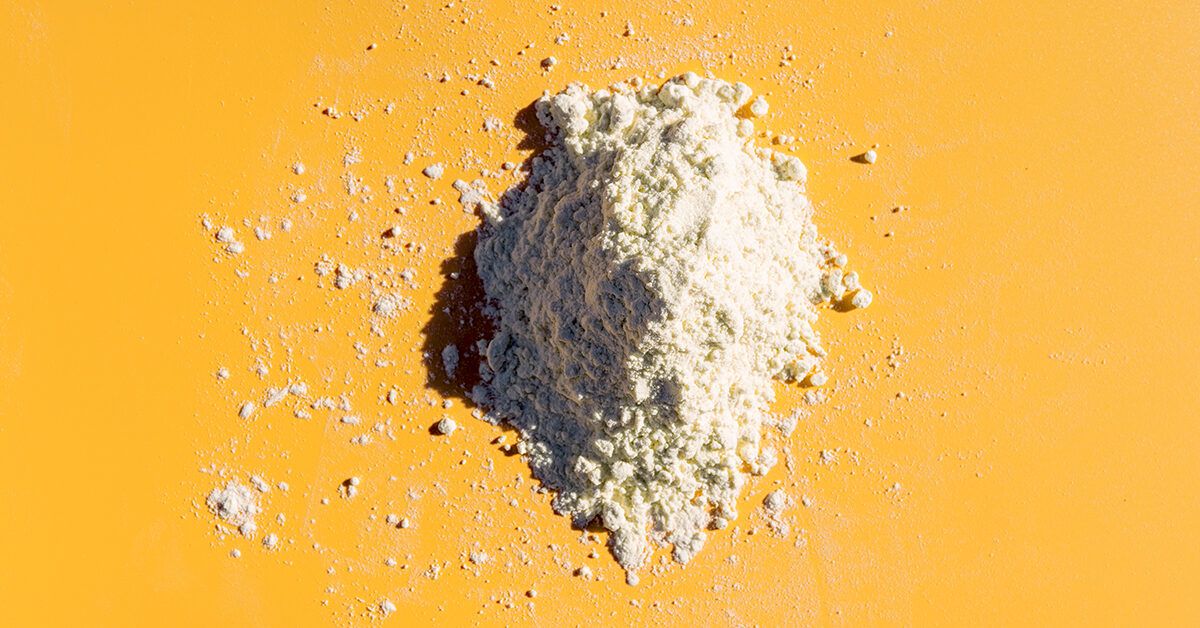
As global populations grow and the demand for efficient, shelf-stable food and reliable medicine increases, the role of powdered cellulose in the global economy will only expand. Its composition—rooted in the most abundant organic polymer on Earth—ensures that it remains a cost-effective and indispensable component of modern manufacturing. Understanding the fiscal journey from a stand of timber to a microscopic white powder is essential for anyone looking to capitalize on the quiet but powerful movements of the global additives market.
aViewFromTheCave is a participant in the Amazon Services LLC Associates Program, an affiliate advertising program designed to provide a means for sites to earn advertising fees by advertising and linking to Amazon.com. Amazon, the Amazon logo, AmazonSupply, and the AmazonSupply logo are trademarks of Amazon.com, Inc. or its affiliates. As an Amazon Associate we earn affiliate commissions from qualifying purchases.