
In the rapidly evolving world of technology, we often focus on the invisible—algorithms, processing speeds, and cloud architectures. However, the physical foundation of our digital era is built upon advanced material science. Among the most critical materials driving innovation today is polyethylene (PE). As the most common plastic in the world, polyethylene is far more than just a packaging solution; it is a fundamental pillar of hardware engineering, 3D printing, and high-performance telecommunications.
To understand the trajectory of modern hardware and industrial technology, one must first grasp the molecular versatility and technical applications of polyethylene. From the insulation surrounding the cables that power the internet to the high-strength components in robotics, this polymer is a silent hero of the tech industry.

The Molecular Foundation of Polyethylene: Engineering Precision
At its core, polyethylene is a thermoplastic polymer with a variable crystalline structure. It is created through the polymerization of ethylene gas, a process that can be manipulated to produce materials with vastly different physical properties. In the tech sector, understanding these variations is crucial for selecting the right material for specific hardware applications.
LDPE vs. HDPE: Choosing the Right Grade for Hardware
The two most prominent forms of polyethylene are Low-Density Polyethylene (LDPE) and High-Density Polyethylene (HDPE). The distinction lies in the branching of the polymer chains.
LDPE features a high degree of short and long-chain branching, which prevents the molecules from packing closely together. This results in a material that is highly flexible and ductile. In the technology sector, LDPE is frequently used for flexible components, protective films for high-end electronic displays, and soft-touch interfaces in consumer gadgets.
Conversely, HDPE has minimal branching, allowing the molecular chains to pack tightly. This creates a much denser, more rigid material with high tensile strength. HDPE is the go-to choice for tech enclosures, structural components in portable devices, and heavy-duty housing for outdoor sensor arrays. Its resistance to chemicals and moisture makes it an essential protective barrier for sensitive internal circuitry.
Cross-linked Polyethylene (PEX) in Advanced Engineering
Beyond standard density variations, the tech industry utilizes Cross-linked Polyethylene, commonly known as PEX. Through chemical or radiation-based processing, the polymer chains are linked into a three-dimensional network. This “cross-linking” significantly enhances the material’s thermal stability and chemical resistance.
In high-performance computing (HPC) environments and data centers, PEX is utilized in advanced cooling systems. Its ability to maintain structural integrity under high temperatures and pressures makes it superior to standard polymers for liquid cooling loops, which are increasingly necessary as AI-driven processors generate unprecedented levels of heat.
Polyethylene in Consumer Electronics and Gadgets
The ubiquity of smartphones, wearables, and IoT (Internet of Things) devices is made possible by the unique properties of polyethylene. It provides a balance of weight, durability, and electromagnetic transparency that few other materials can match.
Insulating the Digital World: Cables and Connectivity
Perhaps the most critical role of polyethylene in the tech world is its application as a dielectric material. Polyethylene has excellent electrical insulation properties, characterized by a low dielectric constant and a low loss factor.
In the realm of telecommunications, polyethylene is used to insulate coaxial cables and high-speed data wires. For fiber optic cables, HDPE is often used for the outer jacketing to provide mechanical protection against abrasion and environmental stress. Without the protective and insulating properties of PE, the signal integrity required for 5G networks and high-speed broadband would be impossible to maintain over long distances.
Lightweighting Devices: The Role of High-Performance Polymers
As the tech industry moves toward “ultra-portable” and “wearable” categories, the weight of materials becomes a primary engineering constraint. Polyethylene, particularly Ultra-High-Molecular-Weight Polyethylene (UHMWPE), offers an incredible strength-to-weight ratio.
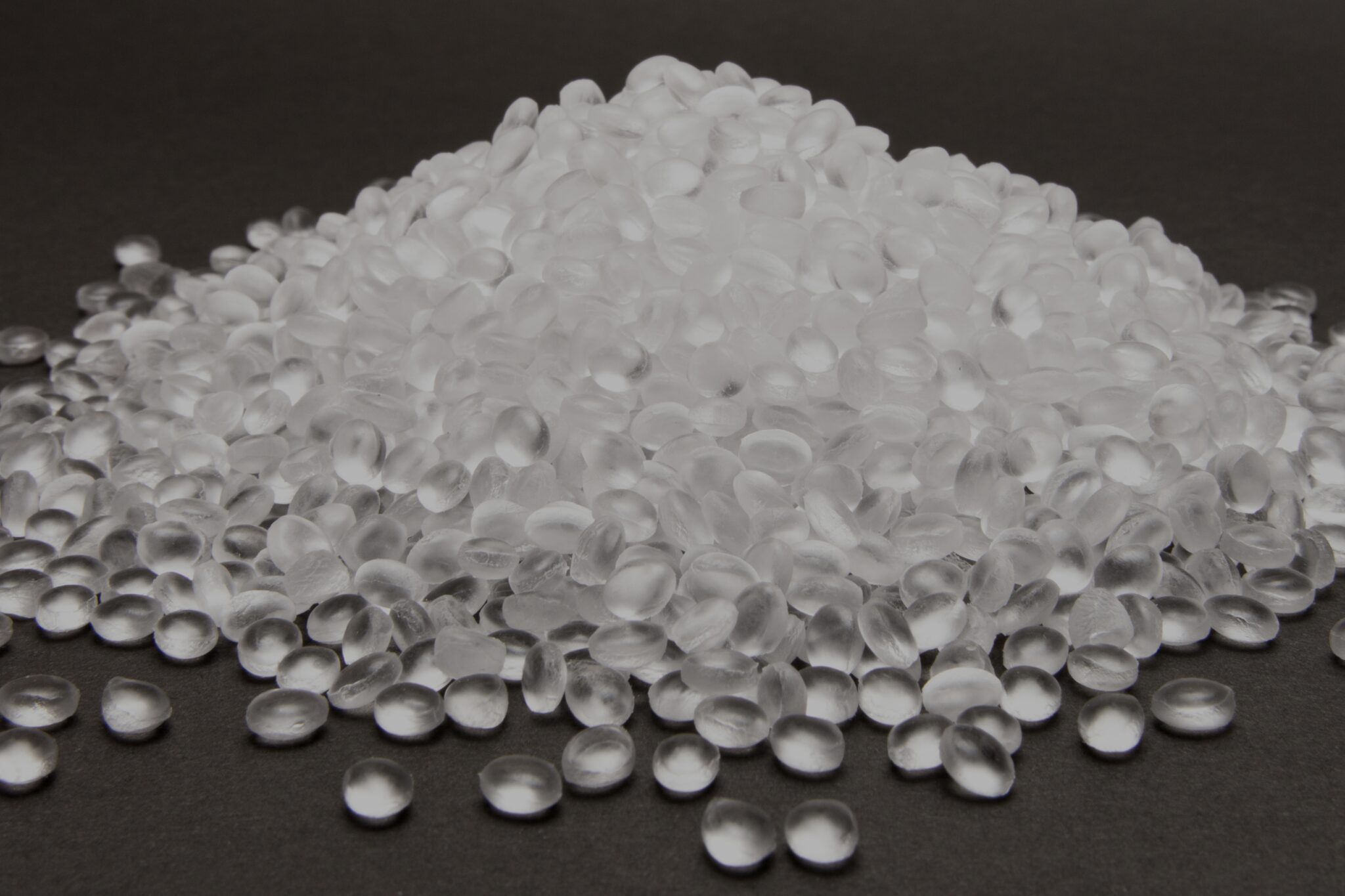
UHMWPE consists of extremely long chains of polyethylene, which serve to transfer load more effectively to the polymer backbone by strengthening intermolecular interactions. This results in a material that is incredibly tough—even tougher than many metals—while remaining light enough for use in smartwatches, VR headsets, and high-end drone frames. By replacing heavier metal alloys with high-performance PE composites, manufacturers can extend battery life (due to reduced mass) and improve user ergonomics.
The Role of Polyethylene in 3D Printing and Rapid Prototyping
The democratization of hardware development through 3D printing has revolutionized how tech startups and giant corporations alike approach R&D. While PLA and ABS are common in hobbyist circles, polyethylene is making significant inroads in industrial-grade additive manufacturing.
UHMWPE: The Secret to High-Durability Mechanical Parts
In industrial 3D printing, specifically in Selective Laser Sintering (SLS), polyethylene powders are used to create parts that require high wear resistance and low friction. UHMWPE is frequently used to print gears, bearings, and sliding components within robotic assemblies.
Because polyethylene is self-lubricating, it reduces the need for external oils or greases, which can contaminate sensitive electronic components. For engineers building automated assembly lines or robotic limbs, 3D-printed polyethylene components offer a bridge between the rapid speed of prototyping and the durability of end-use production parts.
Overcoming Challenges: Adhesion and Thermal Properties in Printing
Despite its benefits, polyethylene is notoriously difficult to work with in Fused Deposition Modeling (FDM) 3D printing. Its high thermal expansion coefficient often leads to warping, and its “non-stick” chemical nature makes bed adhesion a significant technical challenge.
However, the tech community has responded with innovative solutions. Specialized “PE-compatible” build plates and heated chambers have been developed to manage the material’s cooling phase. For tech developers, mastering polyethylene printing allows for the creation of prototypes that accurately mimic the chemical and mechanical properties of final, injection-molded products, drastically shortening the product development lifecycle.
The Future of Sustainable Tech: Recycled Polyethylene and Bio-Polymers
As the tech industry faces increasing scrutiny regarding its environmental footprint, the focus has shifted from mere functionality to the lifecycle of the materials used. Polyethylene is at the center of this “Green Tech” revolution.
Circular Tech: Integrating PCR (Post-Consumer Resin) in Manufacturing
Major tech conglomerates are increasingly committing to using Post-Consumer Recycled (PCR) polyethylene in their hardware. By utilizing advanced sorting and cleaning technologies, manufacturers can now produce recycled HDPE that meets the stringent aesthetic and mechanical standards required for consumer electronics.
The transition to a circular economy in tech involves using polyethylene that can be recycled multiple times without significant degradation of its properties. This reduces the carbon footprint of gadget production and addresses the growing crisis of e-waste. When you see a “sustainable” laptop chassis or a recycled smartphone case, it is often a high-tech blend of recycled polyethylene at work.
Smart Packaging and RFID Integration
Polyethylene also plays a vital role in the “Smart Packaging” trend. Because PE is radio-frequency transparent, it is the ideal substrate for embedding RFID (Radio Frequency Identification) tags and NFC (Near Field Communication) antennas.
In the logistics and supply chain tech sector, polyethylene-based smart labels allow for real-time tracking of hardware components across the globe. These “connected materials” allow for better inventory management and anti-counterfeiting measures, securing the tech supply chain from the factory floor to the end consumer.

Conclusion: The Backbone of Hardware Innovation
While software continues to eat the world, it is the materials like polyethylene that provide the “teeth.” Its journey from a simple plastic bag material to a high-performance engineering polymer reflects the broader evolution of the technology sector itself—moving toward greater efficiency, higher durability, and smarter integration.
Whether it is protecting the delicate fibers of an undersea internet cable, enabling the low-friction movement of a robotic arm, or housing the next generation of eco-friendly smartphones, polyethylene remains an indispensable asset. For tech professionals and hardware enthusiasts, understanding this material is not just a lesson in chemistry; it is an insight into the physical constraints and possibilities of our digital future. As we look toward breakthroughs in bio-plastics and advanced recycling, polyethylene will undoubtedly continue to adapt, proving that even the most common materials can drive the most uncommon innovations.
aViewFromTheCave is a participant in the Amazon Services LLC Associates Program, an affiliate advertising program designed to provide a means for sites to earn advertising fees by advertising and linking to Amazon.com. Amazon, the Amazon logo, AmazonSupply, and the AmazonSupply logo are trademarks of Amazon.com, Inc. or its affiliates. As an Amazon Associate we earn affiliate commissions from qualifying purchases.