
Anemia, a pervasive and often concerning condition in our canine companions, refers to a decrease in the number of red blood cells or a reduction in the amount of hemoglobin within those red blood cells. Hemoglobin, a protein crucial for oxygen transport, is responsible for carrying oxygen from the lungs to the body’s tissues and carbon dioxide back to the lungs for exhalation. When red blood cell count or hemoglobin levels are insufficient, vital organs and tissues are deprived of adequate oxygen, leading to a cascade of health issues.
Understanding anemia in dogs is paramount for every responsible pet owner. While the term itself sounds dire, recognizing its diverse causes, symptoms, and diagnostic approaches can empower you to seek timely veterinary care and provide the best possible support for your furry friend. This article delves into the multifaceted nature of anemia in dogs, exploring its underlying mechanisms, common etiologies, and the critical steps involved in diagnosis and treatment.
The Red Blood Cell: A Vital Courier
To truly grasp anemia, we must first appreciate the remarkable role of red blood cells (erythrocytes). These biconcave discs, produced primarily in the bone marrow, are akin to tiny, tireless couriers delivering essential oxygen throughout the body. Their lifespan is finite, typically around 100-120 days in healthy dogs, after which they are removed by the spleen and liver. This continuous production and removal process is a delicate balance, and any disruption can lead to anemia.
Hemoglobin, the oxygen-binding molecule within red blood cells, is rich in iron, which is vital for its function. When red blood cells are deficient in number or their hemoglobin content is compromised, the body’s ability to sustain itself on an aerobic level falters. This deficiency manifests in various ways, from subtle changes in behavior to profound systemic distress.
Unraveling the Causes: A Spectrum of Possibilities
The causes of anemia in dogs are as varied as the breeds themselves, ranging from acute, life-threatening events to chronic, insidious conditions. Veterinary science categorizes these causes based on the underlying mechanism of red blood cell loss or destruction.
H2: Types of Anemia Based on Mechanism
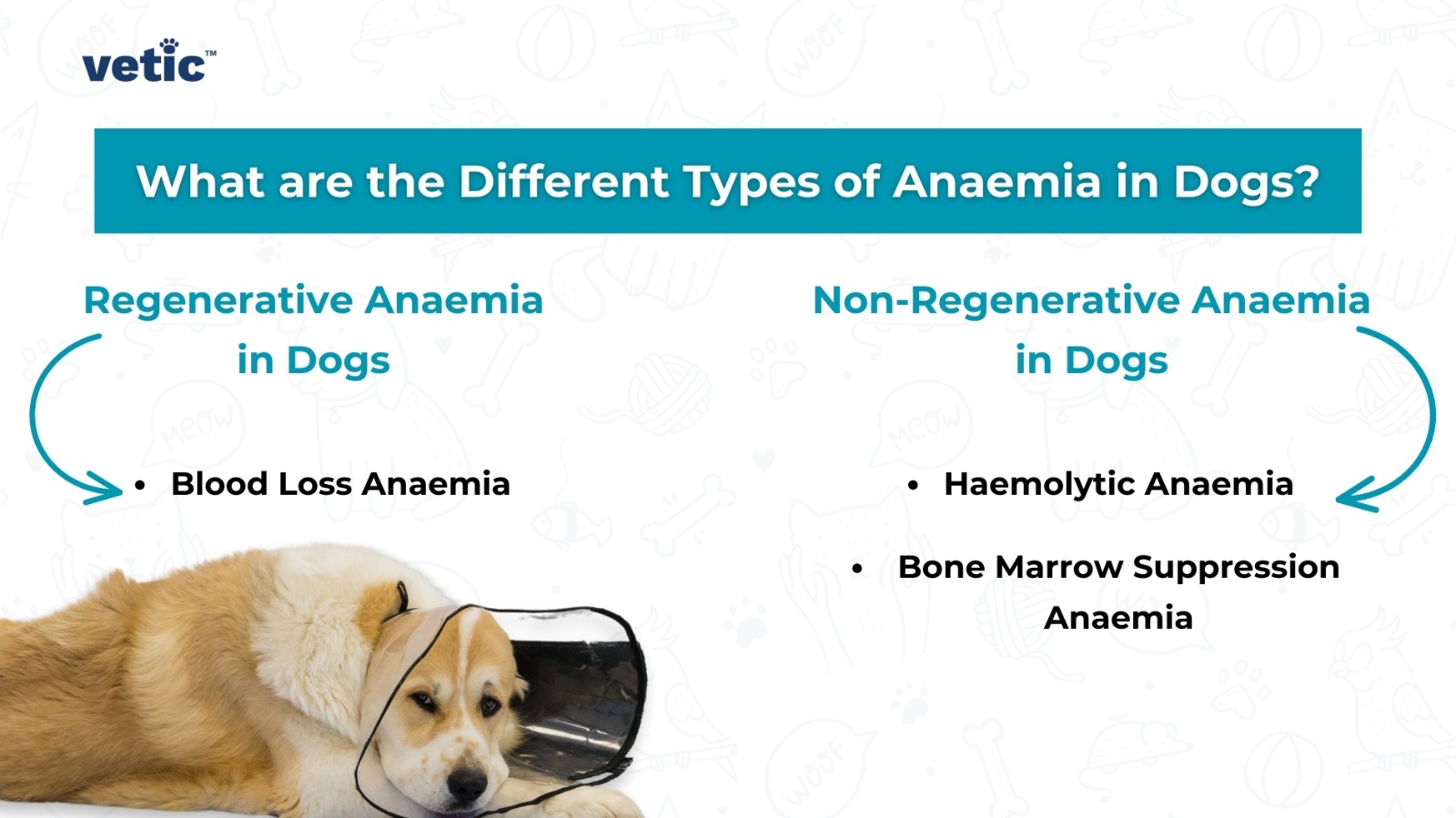
Understanding how anemia occurs is the first step in addressing it effectively. Veterinarians will typically classify anemia into one of three main categories:
H3: Blood Loss Anemia
As the name suggests, blood loss anemia occurs when a dog loses a significant amount of blood. This can be external, such as from trauma or a surgical wound, or internal, often stemming from gastrointestinal bleeding or bleeding into body cavities.
- External Blood Loss: This is often the most obvious form. Accidents like being hit by a car, deep cuts, or even severe flea infestations (especially in puppies) can lead to rapid and significant blood loss. If the bleeding is not controlled, the consequences can be dire.
- Internal Blood Loss: This is a more insidious cause and can be harder to detect initially.
- Gastrointestinal Bleeding: Ulcers in the stomach or intestines, parasitic infestations (like hookworms), tumors, or inflammatory bowel disease can all lead to chronic or acute bleeding into the digestive tract. The blood may be visible in the stool (hematochezia – bright red blood, or melena – dark, tarry stools) or so deeply digested that it’s not easily observable.
- Bleeding into Body Cavities: Ruptured tumors, especially those in the spleen or liver, can cause significant internal hemorrhaging into the abdomen. Trauma can also lead to bleeding within the chest or abdominal cavities. Certain clotting disorders can also predispose dogs to spontaneous internal bleeding.
H3: Hemolytic Anemia (Red Blood Cell Destruction)
Hemolytic anemia occurs when red blood cells are destroyed at an accelerated rate, exceeding the bone marrow’s ability to produce new ones. This destruction can be triggered by various factors.
- Immune-Mediated Hemolytic Anemia (IMHA): This is a common and serious form where the dog’s own immune system mistakenly attacks and destroys its red blood cells. Antibodies coat the red blood cells, marking them for destruction by the spleen and liver. IMHA can be primary (idiopathic, meaning the cause is unknown) or secondary to other conditions like infections, certain medications, or even cancer.
- Parasitic Infections: Several blood-borne parasites can directly damage red blood cells.
- Babesia species: Transmitted by ticks, these parasites invade red blood cells and cause their destruction.
- Anaplasma phagocytophilum: Also tick-borne, this bacteria can infect white blood cells but can also indirectly affect red blood cells and lead to anemia.
- Mycoplasma haemocanis (formerly Hemobartonella canis): This bacterium attaches to the surface of red blood cells, making them fragile and prone to premature destruction.
- Toxins and Certain Medications: Exposure to certain toxins, such as onions, garlic, acetaminophen (Tylenol), and even some dog foods containing high levels of certain ingredients, can cause oxidative damage to red blood cells, leading to their rupture. Certain chemotherapy drugs or antibiotics can also have a hemolytic effect as a side effect.
- Genetic Disorders: Some breeds are predisposed to inherited conditions that lead to red blood cell fragility. For example, some dogs have pyruvate kinase deficiency, which affects red blood cell metabolism, or hereditary stomatocytosis, where red blood cells have an abnormal shape.
H3: Anemia of Decreased Production
In this category, the bone marrow, the factory for red blood cells, is not producing enough of them. This can happen for a variety of reasons.
- Bone Marrow Disease: Conditions directly affecting the bone marrow can severely impair red blood cell production.
- Bone Marrow Suppression: This can be caused by exposure to certain toxins (e.g., chemotherapy drugs, some pesticides), radiation therapy, or viral infections that target bone marrow cells.
- Bone Marrow Cancer (Leukemia/Lymphoma): Malignant cells can infiltrate and crowd out the normal hematopoietic cells in the bone marrow, halting red blood cell production.
- Myelodysplastic Syndromes: A group of disorders where the bone marrow produces abnormal blood cells, including ineffective red blood cells.
- Nutritional Deficiencies: While less common in dogs fed balanced commercial diets, deficiencies in essential nutrients can impact red blood cell production.
- Iron Deficiency: Iron is a critical component of hemoglobin. Chronic blood loss (even minor, sustained losses) can deplete iron stores over time, leading to iron-deficiency anemia. Poor absorption or inadequate dietary intake can also be contributing factors.
- Vitamin B12 and Folate Deficiency: These B vitamins are crucial for DNA synthesis, which is necessary for rapid cell division, including that of red blood cell precursors in the bone marrow. Deficiencies can lead to macrocytic anemia (large red blood cells).
- Chronic Kidney Disease: The kidneys produce a hormone called erythropoietin (EPO), which stimulates the bone marrow to produce red blood cells. In dogs with chronic kidney disease, EPO production is often reduced, leading to a decrease in red blood cell production.
- Chronic Inflammation or Infection: While seemingly counterintuitive, chronic inflammatory states or persistent infections can lead to a condition known as “anemia of chronic disease.” The body’s inflammatory response can interfere with iron metabolism and the utilization of iron for red blood cell production, even if iron stores are adequate.
Recognizing the Warning Signs: Symptoms of Anemia
The symptoms of anemia in dogs can vary greatly depending on the severity, the underlying cause, and how quickly the anemia developed. Some dogs may exhibit subtle changes, while others can become critically ill.
H2: Clinical Manifestations of Anemia
Observing your dog’s behavior and physical condition can provide crucial clues that something is amiss. Here are some of the most common signs to watch for:
H3: General Signs of Weakness and Lethargy
- Reduced Energy Levels: This is often the first and most noticeable symptom. Your dog may seem less enthusiastic about walks, playtime, or even greeting you at the door. They might sleep more than usual.
- Weakness and Lethargy: General malaise and a lack of stamina are common. Activities that were once easy may now seem difficult for your dog.
- Exercise Intolerance: Your dog may tire out much more quickly during exercise and may pant excessively even after minimal exertion.
H3: Visible Physical Changes

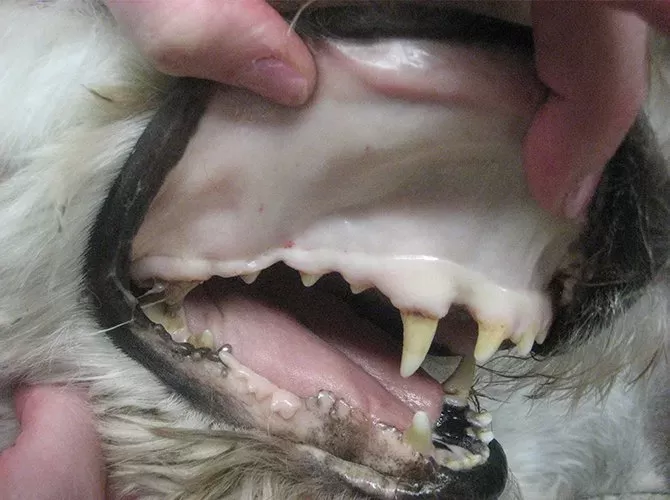
- Pale Gums and Mucous Membranes: Healthy gums are typically pink. In an anemic dog, the gums may appear pale, white, or even grayish. This is a direct result of reduced oxygenated blood reaching these tissues. You can check your dog’s gums by gently lifting their lip.
- Pale or Bluish Tongue: Similar to the gums, the tongue can also lose its healthy pink color.
- Fast Heart Rate (Tachycardia): The heart tries to compensate for the lack of oxygen by pumping blood more rapidly, leading to an increased heart rate. You might notice a more forceful heartbeat.
- Fast Breathing Rate (Tachypnea) or Panting: Dogs may pant to try and increase oxygen intake, even when they are not hot or stressed.
- Yellowing of the Eyes (Jaundice): In some forms of hemolytic anemia, the breakdown of red blood cells can lead to an overload of bilirubin, a yellow pigment, causing jaundice. This would be visible in the whites of the eyes.
- Dark Urine or Blood in Urine: If the anemia is due to red blood cell destruction, the byproducts of this destruction can sometimes be excreted in the urine, making it appear darker or even reddish.
H3: Other Potential Symptoms
- Loss of Appetite (Anorexia) or Reduced Appetite: A general feeling of unwellness can lead to a decreased interest in food.
- Weight Loss: If the anemia is chronic or accompanied by an underlying condition causing appetite loss, weight loss can occur.
- Vomiting and Diarrhea: These symptoms can be indicative of gastrointestinal bleeding or other underlying causes of anemia.
- Collapse: In severe cases of anemia, especially those with rapid blood loss or severe red blood cell destruction, a dog may collapse due to lack of oxygen to the brain.
- Behavioral Changes: An anemic dog may become more withdrawn, irritable, or exhibit signs of pain or discomfort.
The Diagnostic Journey: Pinpointing the Problem
When your veterinarian suspects anemia, they will embark on a systematic diagnostic process to determine the cause and severity. This typically involves a combination of physical examination, blood work, and sometimes further specialized testing.
H2: Veterinary Diagnosis and Blood Work
Your veterinarian is your most valuable ally in diagnosing and treating anemia. Trust their expertise as they guide you through the process.
H3: The Physical Examination
The initial step involves a thorough physical examination. Your vet will:
- Assess Vital Signs: Check your dog’s temperature, pulse, and respiration rate.
- Examine Mucous Membranes: Evaluate the color of the gums and tongue for paleness.
- Palpate the Abdomen: Feel for any enlarged organs (spleen, liver) or masses that might indicate bleeding or disease.
- Listen to the Heart and Lungs: Detect any abnormal heart rhythms or murmurs that could be related to anemia.
H3: Essential Blood Tests
Blood work is the cornerstone of anemia diagnosis. The most critical tests include:
- Complete Blood Count (CBC): This comprehensive test provides detailed information about the different types of blood cells. For anemia, the veterinarian will pay close attention to:
- Red Blood Cell Count (RBC): The number of red blood cells per unit volume of blood.
- Hemoglobin (HGB): The concentration of hemoglobin in the blood.
- Hematocrit (HCT) or Packed Cell Volume (PCV): The percentage of red blood cells in the total blood volume. This is often the quickest indicator of anemia.
- Red Blood Cell Indices (MCV, MCH, MCHC): These provide information about the size and hemoglobin content of individual red blood cells. For example, microcytic (small) red blood cells suggest iron deficiency, while macrocytic (large) red blood cells might indicate a B vitamin deficiency or other issues.
- Reticulocyte Count: Reticulocytes are immature red blood cells. A high reticulocyte count indicates that the bone marrow is responding appropriately to anemia by producing more red blood cells. A low reticulocyte count in the face of anemia suggests a problem with production.
- Biochemistry Profile: This provides information about organ function (kidneys, liver), electrolyte balance, and blood glucose levels. It can help identify underlying diseases contributing to anemia, such as kidney disease or liver dysfunction.
- Urinalysis: This can reveal signs of infection, kidney disease, or the presence of hemoglobin or red blood cells in the urine, which can be indicative of certain types of anemia.
H3: Further Diagnostic Tests (Depending on Suspected Cause)
Based on the initial findings, your veterinarian may recommend additional tests to pinpoint the specific cause of anemia:
- Blood Smear: A small drop of blood is spread on a slide and examined under a microscope to assess the morphology (shape and appearance) of red blood cells, look for parasites within the cells, or identify abnormal white blood cells.
- Coagulation Profile: If bleeding is suspected, tests to evaluate blood clotting ability will be performed.
- Infectious Disease Testing: Specific tests (e.g., ELISA, PCR) may be performed to screen for tick-borne diseases like Babesia, Anaplasma, or Mycoplasma.
- Iron Studies: If iron deficiency is suspected, tests to measure serum iron, total iron-binding capacity, and ferritin levels may be conducted.
- Bone Marrow Biopsy: In cases where bone marrow disease is suspected, a sample of bone marrow may be collected for microscopic examination.
- Imaging Studies (X-rays, Ultrasound): These can help visualize internal organs, detect tumors, or identify sources of bleeding within the body.
Treatment and Management: Restoring Health
The treatment for anemia in dogs is entirely dependent on its underlying cause. Once a diagnosis is made, your veterinarian will develop a tailored treatment plan to address the specific issue and support your dog’s recovery.
H2: Therapeutic Approaches for Anemia
Effective treatment requires addressing the root cause while providing supportive care for the anemic dog.
H3: Addressing the Underlying Cause
- Blood Transfusions: In cases of severe anemia, especially with rapid blood loss or critical oxygen-carrying capacity reduction, a blood transfusion may be life-saving. This involves administering red blood cells from a healthy donor dog to quickly increase the circulating red blood cell count.
- Treating Infections: If anemia is caused by parasites or bacterial/viral infections, appropriate medications (antibiotics, antiparasitic drugs) will be prescribed.
- Managing Bleeding: For dogs with gastrointestinal bleeding or bleeding from tumors, treatment may involve medications to protect the stomach lining, surgery to remove bleeding masses, or addressing any underlying clotting disorders.
- Dietary Supplementation: If iron deficiency anemia is diagnosed, iron supplements will be recommended, often in conjunction with identifying and treating the cause of the iron loss. For deficiencies in B vitamins like B12 or folate, supplementation will be provided.
- Immunosuppressive Therapy: For immune-mediated hemolytic anemia (IMHA), medications that suppress the immune system (e.g., corticosteroids, azathioprine) are crucial to stop the body from attacking its own red blood cells.
- Addressing Kidney Disease: If chronic kidney disease is the culprit, managing the kidney disease itself and potentially administering erythropoietin (EPO) injections to stimulate red blood cell production will be part of the treatment.
- Chemotherapy or Supportive Care for Cancer: If anemia is secondary to cancer, treatment will focus on managing the cancer itself, which may involve chemotherapy, radiation, or surgery.
H3: Supportive Care and Monitoring
In addition to targeted treatments, supportive care is vital for anemic dogs:
- Rest and Reduced Activity: Limiting strenuous activity allows the body to conserve oxygen and focus on recovery.
- Nutritional Support: Ensuring your dog is receiving a balanced and appropriate diet is crucial for overall health and red blood cell regeneration. Your vet may recommend a high-quality, easily digestible food.
- Fluid Therapy: Intravenous (IV) fluids may be administered to help maintain hydration and blood pressure, especially in cases of shock or severe illness.
- Regular Veterinary Check-ups: Close monitoring by your veterinarian is essential to track the response to treatment, adjust medications as needed, and detect any potential complications. This will often involve repeat blood work to assess red blood cell parameters.
In conclusion, anemia in dogs is a complex condition with a wide array of potential causes. Early recognition of symptoms, prompt veterinary attention, and a thorough diagnostic approach are key to achieving a successful outcome for your beloved canine companion. By understanding the intricate workings of red blood cells and the diverse factors that can lead to their deficiency, you can be a more informed and proactive advocate for your dog’s health and well-being. Remember, your veterinarian is your partner in this journey, and open communication is paramount.
aViewFromTheCave is a participant in the Amazon Services LLC Associates Program, an affiliate advertising program designed to provide a means for sites to earn advertising fees by advertising and linking to Amazon.com. Amazon, the Amazon logo, AmazonSupply, and the AmazonSupply logo are trademarks of Amazon.com, Inc. or its affiliates. As an Amazon Associate we earn affiliate commissions from qualifying purchases.