
In the world of consumer goods, few products manage to transcend their utilitarian function to become synonymous with an entire category of activity. Just as Kleenex is to tissues and Xerox once was to photocopying, Mod Podge has achieved the ultimate branding milestone: it has become a proprietary eponym. To the uninitiated, Mod Podge is a simple mixture of glue, sealer, and finish. To the branding professional, however, Mod Podge represents a masterclass in niche positioning, community-driven marketing, and the art of brand longevity.
Understanding “what is Mod Podge” requires looking past the chemical composition of the adhesive and examining the strategic architecture that has kept the brand at the forefront of the multibillion-dollar craft and hobby industry for over five decades. This article explores the brand strategy, identity, and market evolution that transformed a kitchen-born invention into a global powerhouse.
The Identity of an Icon: Beyond the Bottle
At its core, the identity of Mod Podge is built on the concept of “simplified sophistication.” When Jan Wetstone developed the product in the late 1960s, her goal was to streamline the tedious process of decoupage—an art form that previously required dozens of layers of varnish and hours of sanding. By branding the solution as an “all-in-one” product, Wetstone didn’t just sell a liquid; she sold time and accessibility.
Defining the Niche: The “All-in-One” Value Proposition
The brilliance of the Mod Podge brand strategy lies in its refusal to be categorized as “just glue.” From its inception, the branding emphasized a three-fold value proposition: it glues, it seals, and it finishes. This “triple threat” positioning created a new category in the consumer’s mind. By differentiating itself from standard white glues (which are perceived as school supplies) and industrial varnishes (which are perceived as hardware tools), Mod Podge occupied a unique middle ground: the “creative finisher.” This specific positioning allowed the brand to command a premium price point compared to generic adhesives.
Visual Identity and Nostalgia in Packaging
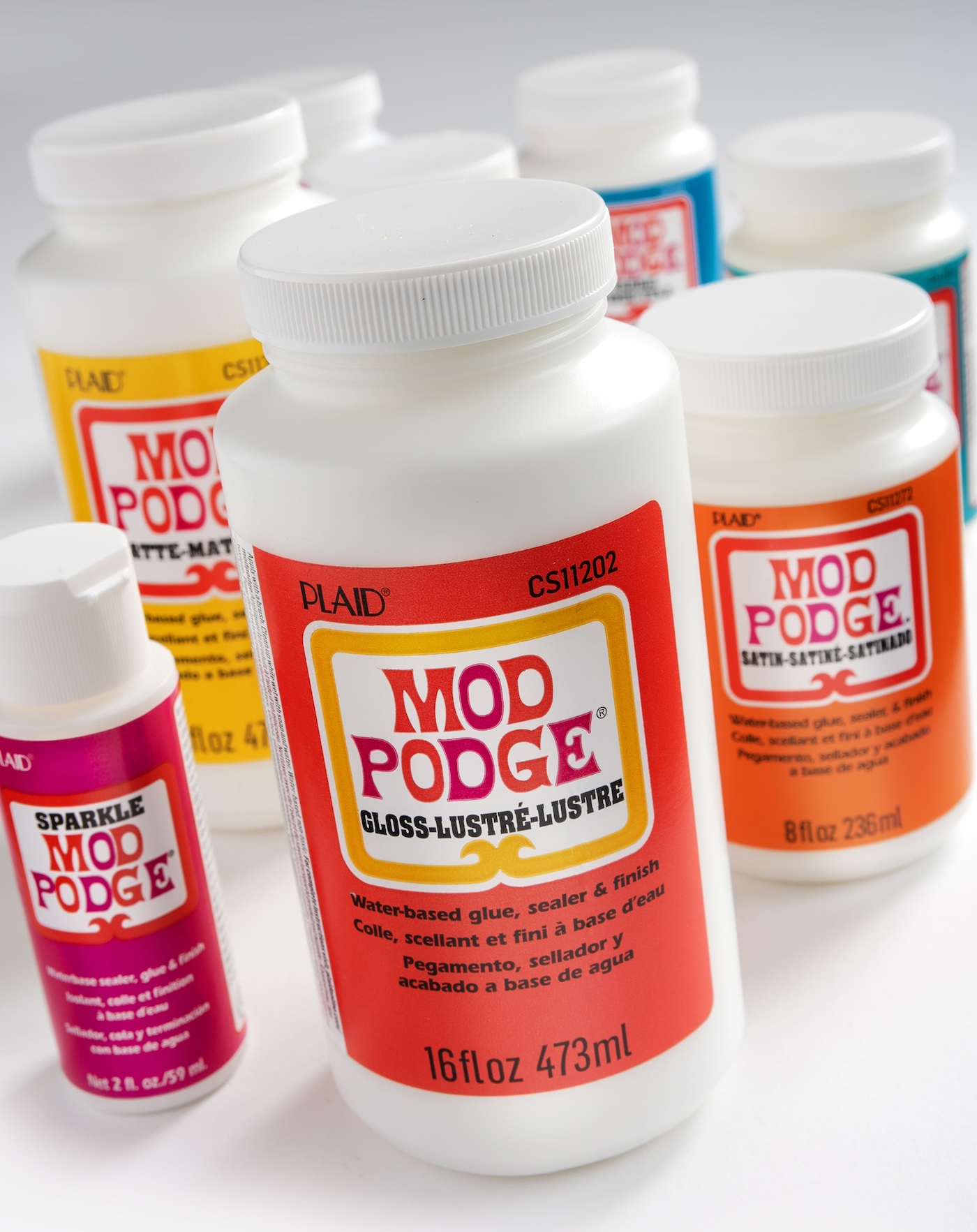
The visual identity of Mod Podge is a fascinating study in brand consistency. The vibrant, multi-colored labels—featuring retro shades of orange, yellow, and magenta—evoke a sense of 1960s optimism and “Mod” culture. While many brands undergo radical redesigns to stay “modern,” Mod Podge has maintained a visual thread to its heritage. This consistency functions as a powerful psychological anchor for consumers. In a crowded retail aisle at Michaels or Joann Fabrics, the Mod Podge bottle acts as a beacon of reliability. The “Mod” in the name, originally short for “Modern Decoupage,” now serves as a vintage-cool aesthetic that appeals to both Boomer crafters and Gen Z “upcyclers.”
Community as a Catalyst: The Mod Podge Brand Ecosystem
A brand is no longer what the company tells the consumer it is; it is what consumers tell each other it is. Mod Podge, under the stewardship of its parent company Plaid Enterprises, has successfully built an ecosystem where the brand functions as a facilitator of creativity rather than just a vendor of supplies.
Content Marketing and the Power of Inspiration
The Mod Podge brand strategy is heavily reliant on “Inspiration Marketing.” They understood early on that a bottle of sealer has zero value if the consumer doesn’t have a project in mind. By investing heavily in a massive library of tutorials, blog posts, and video content, the brand ensures that the “demand” for the product is constantly being manufactured through creative ideas. They don’t sell the bottle; they sell the finished coffee table, the personalized photo gift, or the customized sneakers. This move from product-centric marketing to result-centric marketing is a hallmark of high-level brand strategy.
User-Generated Content: The Crafter as Ambassador
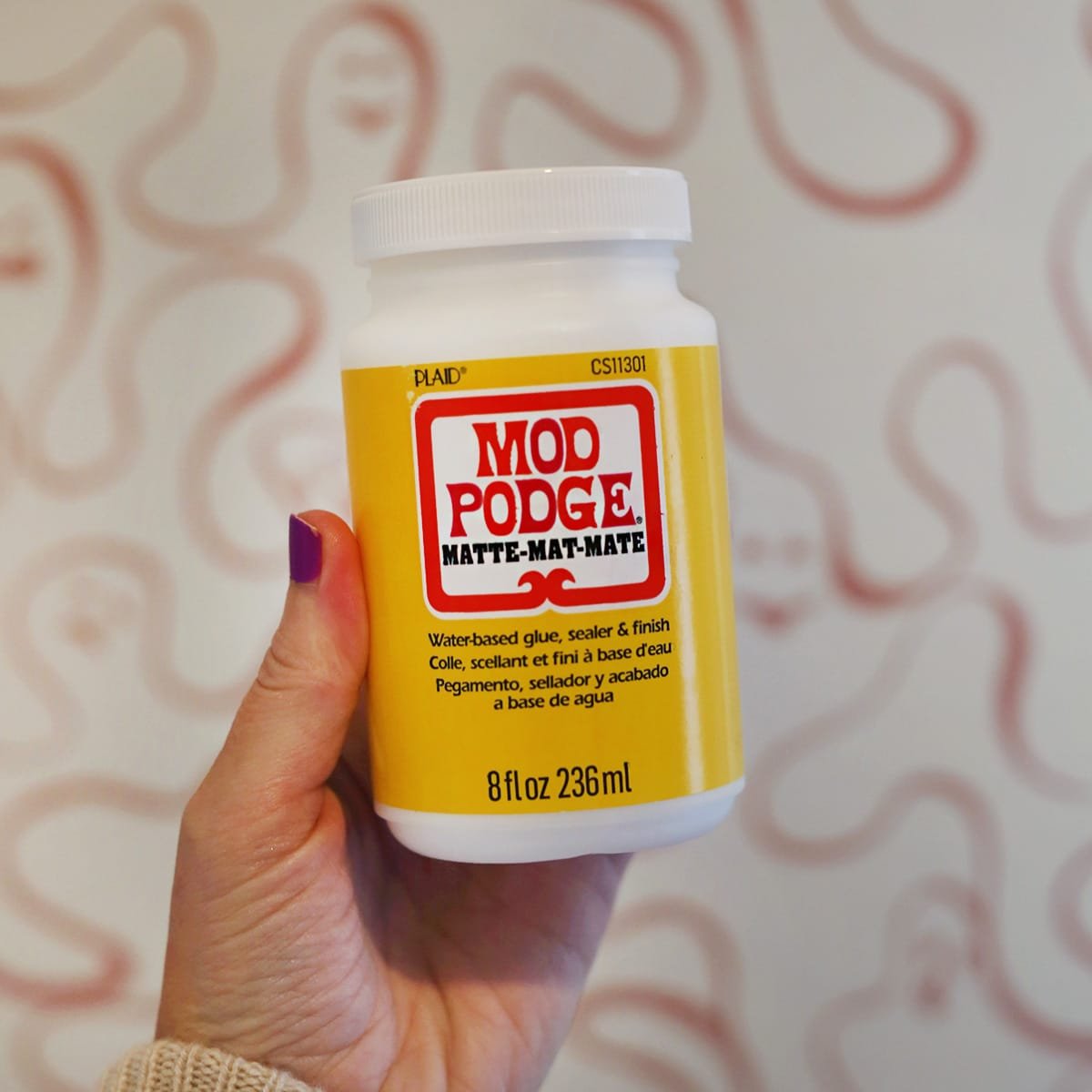
Mod Podge has effectively turned its user base into a global sales force. By fostering a community where “Mod Podging” is used as a verb, the brand has integrated itself into the lexicon of DIY culture. On platforms like Pinterest, Instagram, and TikTok, the brand benefits from millions of organic impressions as creators share their “Mod Podge hacks.” This organic reach is the result of a deliberate strategy to engage with “micro-influencers” in the crafting space. By providing these creators with the tools and the platform to showcase their work, Mod Podge ensures its brand remains relevant across changing digital landscapes.
Strategic Longevity: Evolving with the Modern DIY Movement
Longevity in branding requires a delicate balance between staying true to core values and evolving to meet new market demands. Mod Podge has avoided the trap of “brand stagnation” by aggressively diversifying its product line to mirror emerging trends in the maker economy.
Portfolio Expansion: Diversifying for Different Demographics
One of the most impressive aspects of the Mod Podge brand evolution is its product architecture. The brand has expanded from the original “Gloss” and “Matte” formulas into a specialized portfolio that includes:
- Mod Podge Dishwasher Safe: Aimed at the “custom mug” and kitchenware market.
- Mod Podge Fabric: Targeting the fashion upcycling and textile community.
- Mod Podge Outdoor: Positioning the brand for home decor and gardening enthusiasts.
- Mod Podge Sparkle/Glow-in-the-Dark: Capturing the attention of younger demographics and holiday crafters.
This strategy of “hyper-segmentation” allows the brand to capture “share of wallet” from existing customers while simultaneously entering new market segments. It ensures that no matter what the specific DIY trend of the year is—whether it’s slime-making, furniture flipping, or sneaker customization—there is a Mod Podge SKU designed specifically for that purpose.
Partnerships and Retail Presence
The brand’s dominance is also reinforced through strategic retail placement. Mod Podge isn’t just a product on a shelf; it is often the centerpiece of an entire “Decoupage Center” in retail stores. By partnering with big-box craft retailers to create end-cap displays and dedicated brand sections, Plaid Enterprises ensures that Mod Podge maintains a high “share of shelf.” This physical dominance mirrors their digital dominance, creating a comprehensive brand “moat” that makes it incredibly difficult for generic competitors to gain traction.
Lessons in Brand Loyalty: Why Customers Choose Mod Podge Over Generics
In a market where consumers are increasingly price-sensitive, Mod Podge maintains a dominant market share despite being more expensive than generic PVA glues. This loyalty is the result of emotional branding and a reputation for reliability.
Emotional Branding and the “Finished Project” Feeling
Crafting is an emotional process. It involves time, effort, and often the creation of something sentimental, like a family photo collage. The brand strategy of Mod Podge leans into this emotional weight. The brand communicates a promise: “We will protect your memories.” When a consumer uses a generic glue, they risk the project yellowing, peeling, or bubbling over time. By positioning itself as the “premium protector,” Mod Podge mitigates the consumer’s “fear of failure.” The brand isn’t just selling an adhesive; it’s selling the peace of mind that a project will last for years.
Reliability as a Core Brand Pillar
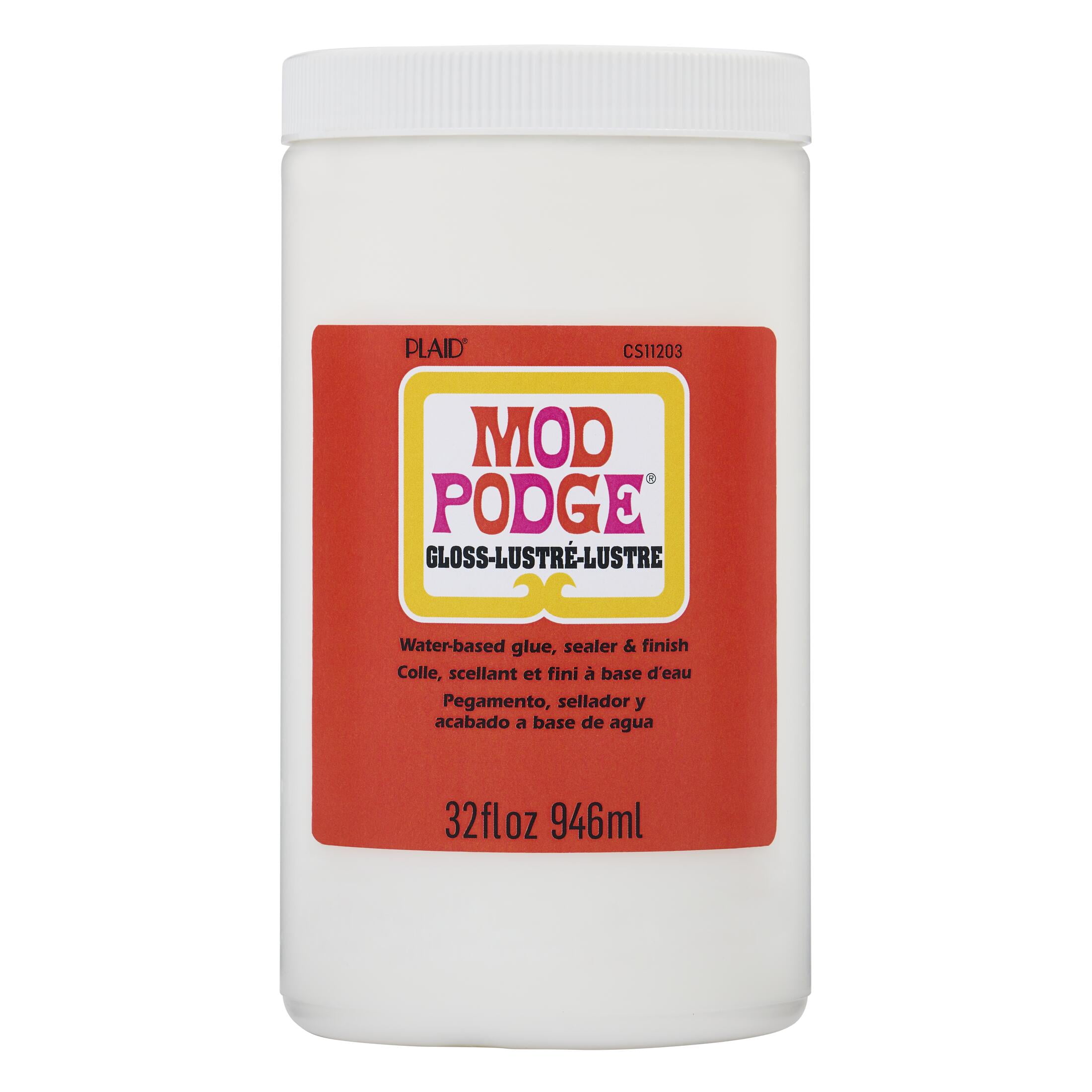
For a brand to achieve the status of Mod Podge, it must deliver on its functional promise consistently. The “Professional” perception of the brand is bolstered by its archival quality—it is non-toxic, easy to clean up with water, and generally “forgiving” for beginners. This reliability builds a feedback loop: a beginner has a successful experience with Mod Podge, leading to brand trust, which leads to repeat purchases and word-of-mouth advocacy.
In conclusion, “What is Mod Podge?” is a question with two answers. Functionally, it is a versatile craft sealer. Strategically, however, it is a brilliantly managed brand that has leveraged community, nostalgia, and hyper-segmentation to dominate a niche for over fifty years. It serves as a powerful reminder that even the most specialized utility products can become iconic brands when they are backed by a strategy that prioritizes the user’s creative journey over the product’s chemical properties. Mod Podge hasn’t just stuck paper to wood; it has stuck itself to the very fabric of creative culture.
aViewFromTheCave is a participant in the Amazon Services LLC Associates Program, an affiliate advertising program designed to provide a means for sites to earn advertising fees by advertising and linking to Amazon.com. Amazon, the Amazon logo, AmazonSupply, and the AmazonSupply logo are trademarks of Amazon.com, Inc. or its affiliates. As an Amazon Associate we earn affiliate commissions from qualifying purchases.