
When constructing a robust personal finance strategy, most individuals focus heavily on primary life insurance—the policy that replaces their own income in the event of their passing. While this is a foundational pillar of financial planning, a comprehensive safety net requires a more nuanced approach. Enter dependent life insurance. This specific financial product is designed to provide coverage for the people who rely on you most: your spouse, domestic partner, and children.
Understanding the mechanics, costs, and strategic value of dependent life insurance is essential for any head of household or financial planner. In this guide, we will explore the intricacies of this coverage, how it integrates into a broader financial portfolio, and whether it is the right move for your family’s long-term security.
Understanding the Fundamentals of Dependent Life Insurance
At its core, dependent life insurance is a form of life insurance that provides a death benefit if a covered dependent passes away. Unlike a primary policy where the policyholder is the person whose life is insured, dependent life insurance allows the primary policyholder (usually an employee or a primary account holder) to insure their immediate family members.
Definition and Core Purpose
Dependent life insurance is typically offered as a “rider” or an optional add-on to a group life insurance policy provided by an employer. Its primary purpose is not necessarily income replacement—since children and sometimes spouses may not be the primary breadwinners—but rather the mitigation of immediate financial shocks. These shocks often include funeral expenses, medical bills not covered by health insurance, and the costs associated with bereavement leave or family counseling.
In the context of personal finance, this insurance acts as a liquidity tool. It ensures that during a time of profound emotional distress, a family does not have to liquidate investments, dip into emergency funds, or take on high-interest debt to cover end-of-life costs.
How It Differs from Primary Life Insurance
There are several structural differences between a primary policy and a dependent policy. First, the primary policyholder is almost always the beneficiary of a dependent policy. This is logical, as the policyholder is the one responsible for the family’s financial obligations.
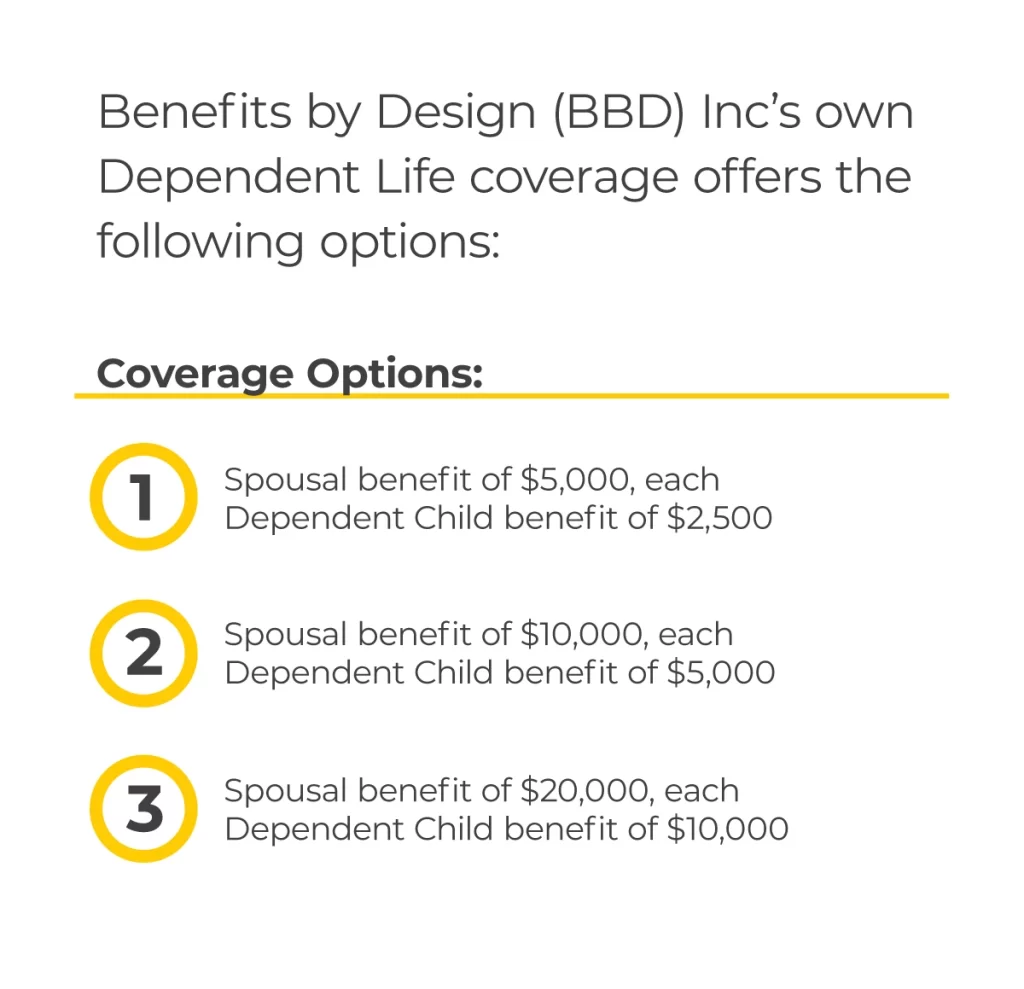
Second, the coverage amounts are significantly lower. While a primary policy might be valued at ten times an individual’s annual salary, dependent life insurance policies are often capped at smaller amounts—ranging from $5,000 to $50,000 for children and perhaps up to 50% of the primary’s coverage for a spouse.
Who Qualifies as a Dependent?
Navigating the eligibility requirements is a crucial step in financial planning. Insurance providers have specific definitions for who can be covered under a dependent life insurance policy, and these definitions can vary based on state laws and specific corporate benefit packages.
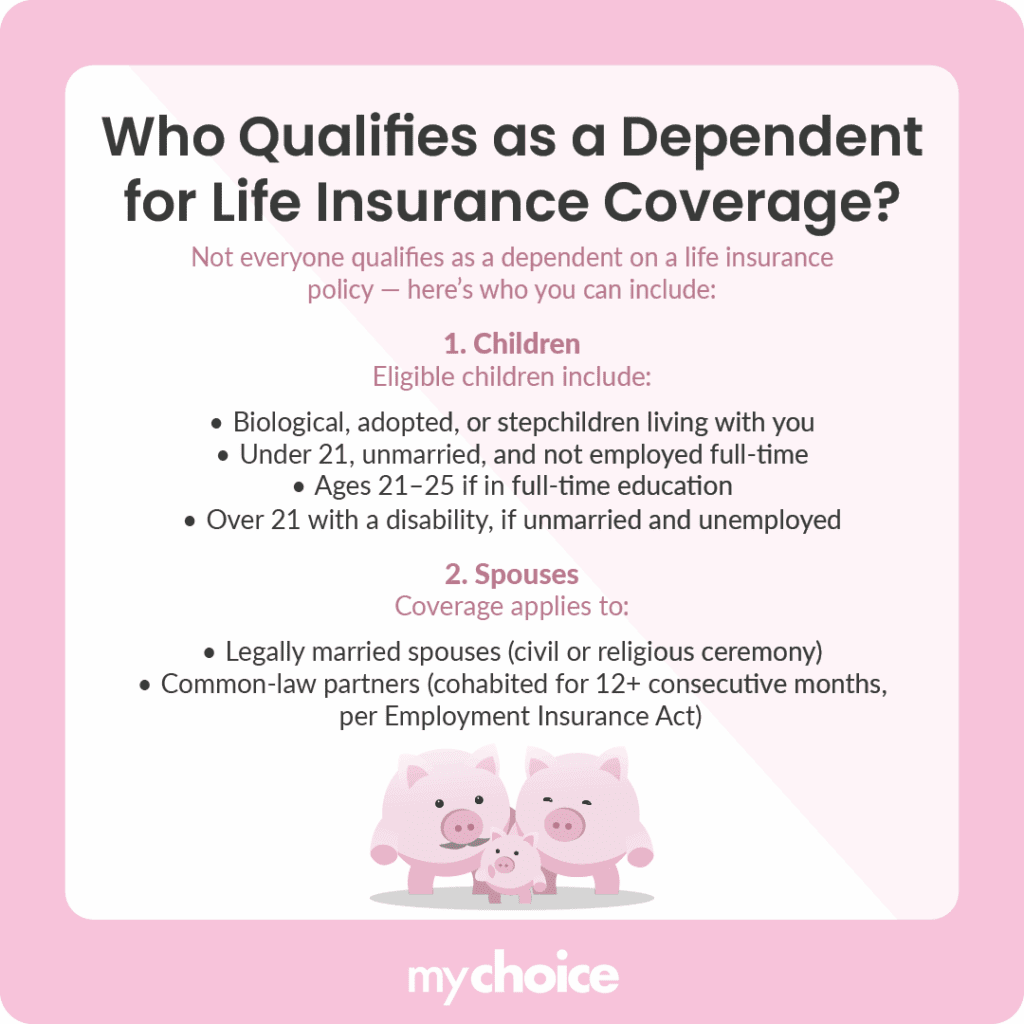
Spouse or Domestic Partner Coverage
In most group plans, a legal spouse is the primary candidate for dependent coverage. In recent years, many financial institutions and employers have expanded this definition to include registered domestic partners.
When insuring a spouse, the financial strategy often changes. If the spouse is also an income earner, the dependent life insurance serves as a small supplement to their own individual policy. However, if the spouse is a stay-at-home parent, the coverage becomes even more vital. The “economic value” of a stay-at-home parent—including childcare, household management, and transportation—is immense. If that parent passes away, the surviving spouse would face significant new expenses to replace those services.
Coverage for Children and Legal Dependents
Coverage for children is one of the most common reasons people opt into these plans. Typically, biological children, stepchildren, and legally adopted children are eligible.
Most policies cover children from live birth (sometimes after 14 or 15 days) up to age 19. However, many plans extend this coverage to age 26 if the child is a full-time student. One of the most significant financial advantages of insuring children under a dependent plan is the “guaranteed issue” nature of the coverage. In most cases, there are no medical exams or health questions for children, making it an accessible way to ensure every family member has a baseline of protection regardless of their health history.
The Financial Mechanics: Costs, Coverage, and Claims
From a budgetary perspective, dependent life insurance is often one of the most cost-effective tools in a financial toolkit. Because it is usually part of a group plan, the premiums are subsidized or negotiated at bulk rates.

Determining Coverage Limits
When selecting a plan, you must decide how much coverage is “enough.” For children, the calculation is usually based on the average cost of a funeral and burial, which in the United States can range from $7,000 to $12,000. Selecting a $10,000 or $20,000 policy is a common standard.
For a spouse, the calculation is more complex. You should consider:
- Debt Obligations: Would you need to pay off a mortgage or car loan?
- Childcare Needs: What would it cost to hire help for the next five to ten years?
- Income Gap: How much of the family’s lifestyle depends on the spouse’s salary?
Premiums and Payment Structures
The cost of dependent life insurance is typically very low—often just a few dollars per month. In many employer-sponsored programs, the premium is a flat rate regardless of how many children you have. This “one price covers all” model is a massive financial win for larger families.
Premiums are usually deducted post-tax from a paycheck, which means the death benefit is generally received tax-free. This tax-advantaged status makes it an efficient way to transfer risk from the family unit to the insurance company.
The Claims Process and Payouts
The claims process for dependent life insurance is designed to be streamlined. Upon the passing of a dependent, the primary policyholder submits a death certificate to the insurance carrier or the employer’s HR department. Because these policies are often “term” insurance (meaning they have no cash value and only pay out upon death), the payout is usually processed quickly, providing the necessary liquidity when it is needed most.
Strategic Advantages of Dependent Life Insurance in a Financial Plan
While some financial purists argue that you should only insure those with an income, the modern view of holistic financial planning recognizes several strategic advantages to dependent life insurance that go beyond simple mathematics.
Mitigating Final Expenses and Debt
The most immediate advantage is the protection of the family’s assets. Without insurance, a sudden $15,000 funeral expense could derail a family’s savings goal, such as a down payment on a house or a college fund. By paying a negligible monthly premium, you “lock in” the certainty that a tragedy won’t lead to a financial crisis.
Furthermore, if a dependent has specific debts—such as a spouse with private student loans that are not discharged upon death—dependent life insurance can prevent the surviving partner from being saddled with those liabilities alone.
Ease of Enrollment and Accessibility
One of the biggest hurdles to getting life insurance is the underwriting process. Individual policies often require blood tests, medical records, and physical exams. Dependent life insurance, especially when offered through an employer, often bypasses this.
This “guaranteed issue” feature is a major financial benefit for families where a dependent might have a pre-existing condition that would make an individual policy prohibitively expensive or impossible to obtain. It allows for the democratization of financial security, ensuring that health status isn’t a barrier to basic protection.
Is Dependent Life Insurance Right for You? Key Considerations
As with any financial product, dependent life insurance is not a one-size-fits-all solution. Its value depends on your current net worth, your other insurance holdings, and your long-term goals.
Evaluating Your Current Financial Portfolio
If you have a high net worth and a liquid emergency fund that could easily cover $50,000 in unexpected expenses, you might find that you are “self-insured.” In this case, the premiums for dependent life insurance, though small, might be an unnecessary expense.
However, for the average household, the low cost of these riders makes them a “no-brainer.” The return on investment (ROI) in terms of risk mitigation is incredibly high. You should also check if your spouse has their own robust life insurance policy through their own employer. If they are already covered for $500,000, adding a $20,000 dependent rider on your policy may be redundant.
Alternatives and Supplementing Coverage
It is important to remember that dependent life insurance is usually tied to your employment. If you leave your job, you often lose the coverage. This is known as a lack of “portability.”
For a spouse, it is often wise to supplement a dependent rider with a private, portable term life insurance policy. This ensures that even if you change careers or face a period of unemployment, the family remains protected. For children, some parents look into “Whole Life” policies that build cash value, but for the specific purpose of covering final expenses and protecting the family budget, the group dependent life insurance rider remains the most efficient financial tool available.
In conclusion, dependent life insurance is a low-cost, high-impact component of a sound financial plan. It provides the peace of mind that, should the unthinkable happen, the financial burden of the loss will not fall on the shoulders of the grieving family. By understanding the qualifications, costs, and strategic placements of these policies, you can ensure that your family’s financial foundation remains unshakable.
aViewFromTheCave is a participant in the Amazon Services LLC Associates Program, an affiliate advertising program designed to provide a means for sites to earn advertising fees by advertising and linking to Amazon.com. Amazon, the Amazon logo, AmazonSupply, and the AmazonSupply logo are trademarks of Amazon.com, Inc. or its affiliates. As an Amazon Associate we earn affiliate commissions from qualifying purchases.