
In the modern marketplace, the term “geography” has evolved far beyond the study of maps and borders. For brand strategists and corporate leaders, geography is no longer just a matter of logistics; it is a matter of meaning. This brings us to the concept of Cultural Geography.
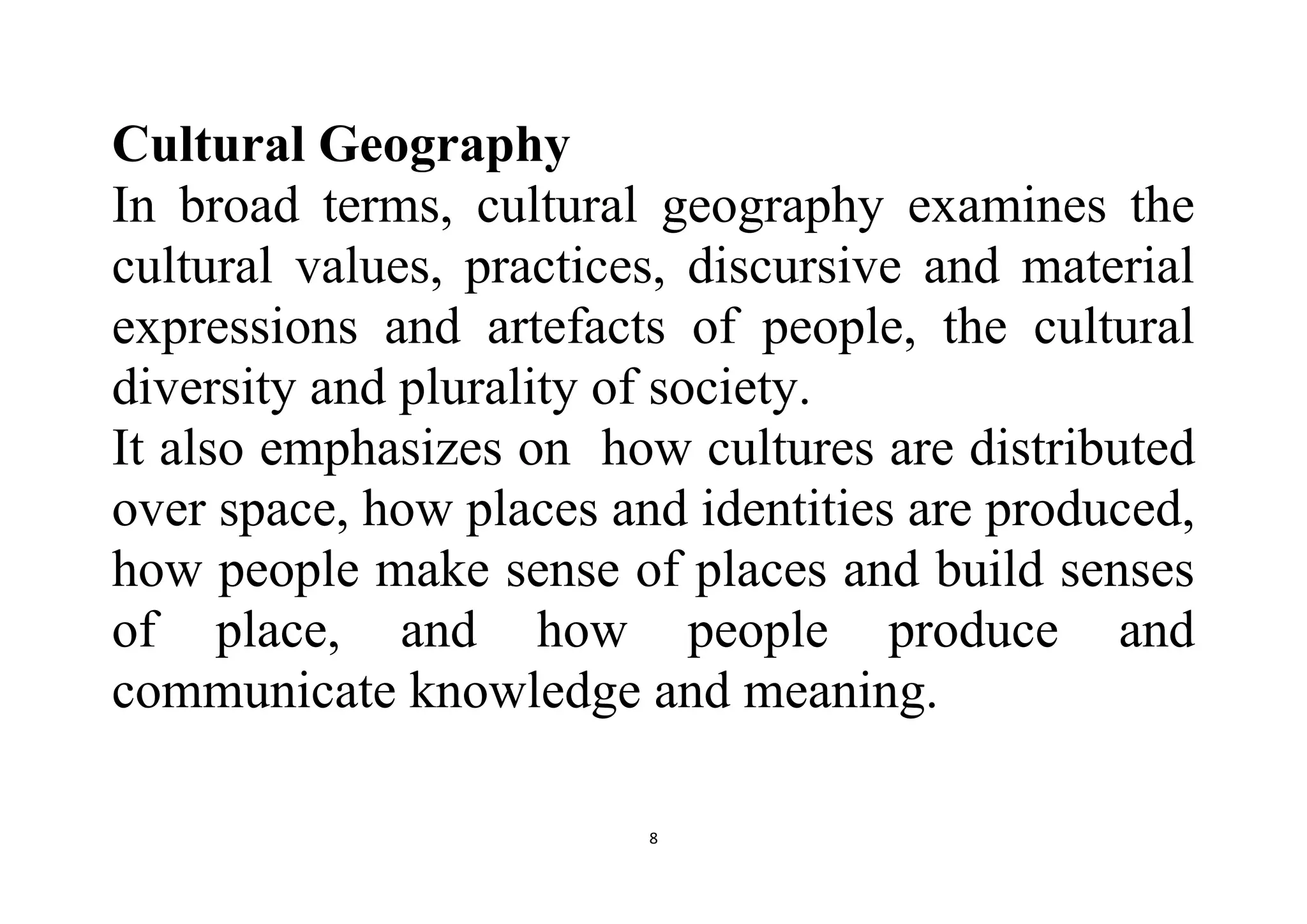
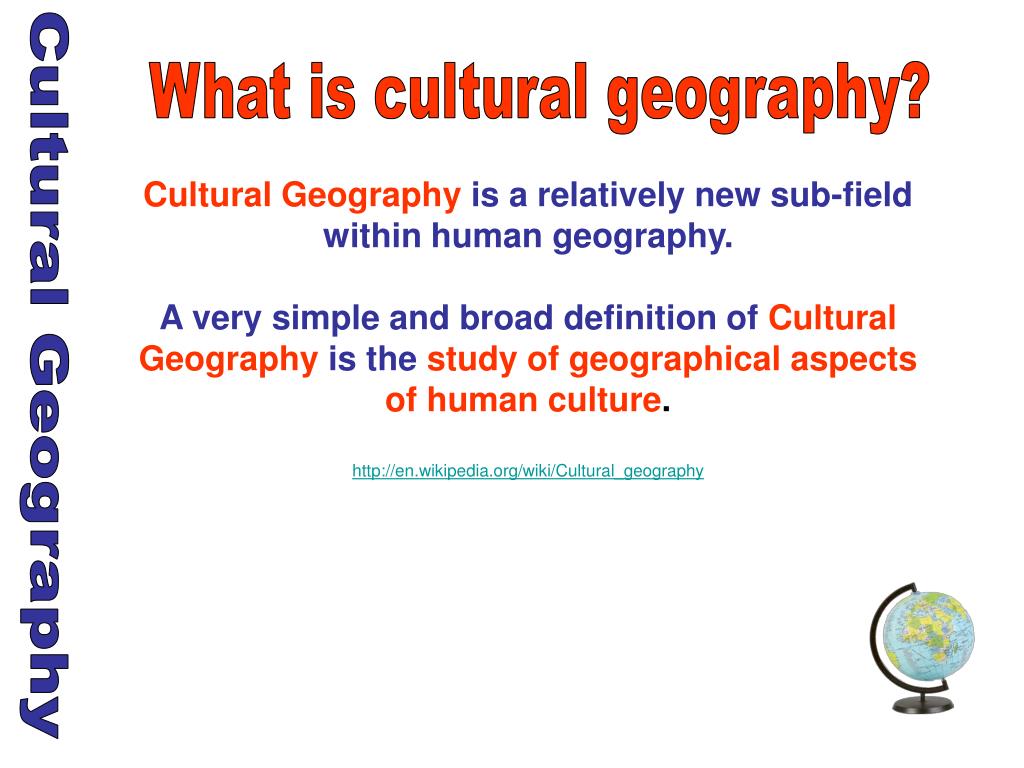
Traditionally an academic discipline, cultural geography examines how culture—beliefs, practices, and social norms—interacts with physical space. In the context of Brand Strategy, cultural geography is the lens through which companies understand how their identity is perceived, reshaped, and integrated into different societies across the globe. To build a brand that resonates on a global scale, one must master the art of navigating these invisible cultural landscapes.
The Intersection of Space, Place, and Brand Identity
At its core, cultural geography in branding is the study of how “space” (a location) becomes a “place” (a location with meaning). For a brand, the goal is to occupy a specific “place” in the consumer’s mind, but that mental real estate is heavily influenced by the physical and social environment the consumer inhabits.
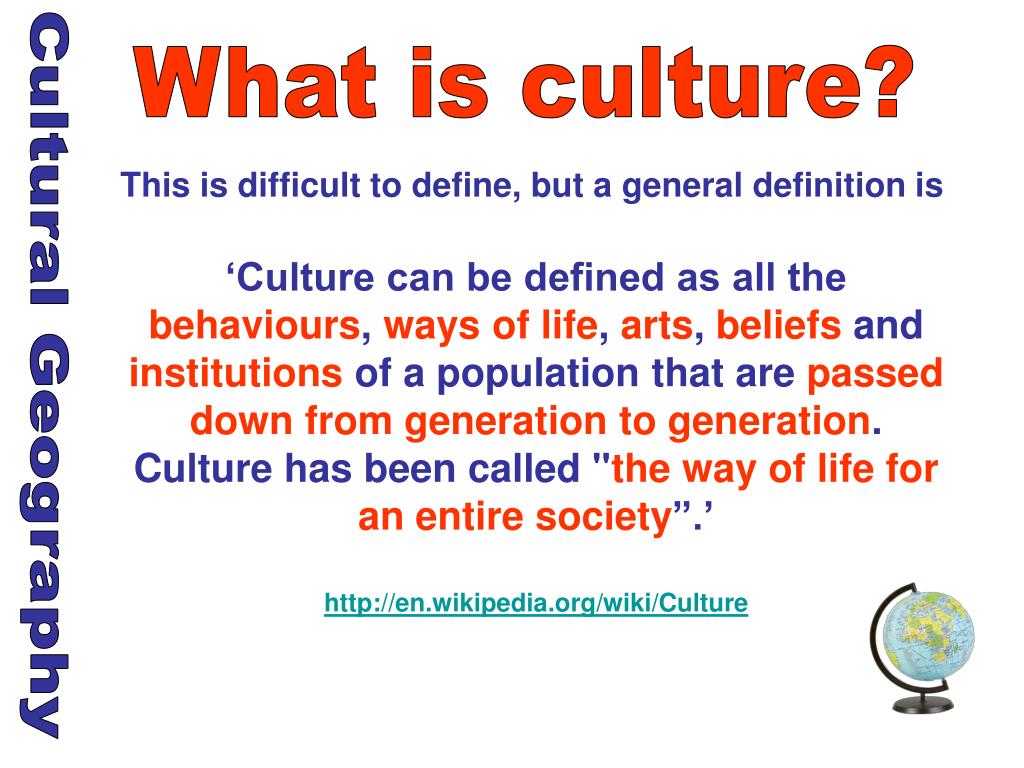
Defining Cultural Geography in a Commercial Context
In a commercial sense, cultural geography is the analysis of how regional values, history, and social structures dictate consumer behavior. It is the reason why a luxury brand might represent “aspiration” in New York but “preservation of legacy” in Paris. By understanding the cultural geography of a target market, brands can move beyond generic marketing and create strategies that feel native to the environment.
From “Where” to “Why”: The Evolution of Market Mapping
Gone are the days when market research was limited to “Where do our customers live?” Today’s brand managers ask, “Why does this specific community value our product?” Cultural geography provides the tools to map these “Why” factors. It involves studying the vernacular of a region—not just the language, but the visual cues, social hierarchies, and historical traumas or triumphs that shape how people interact with external influences.
Decoding Regional Symbolism: Navigating Localized Brand Perception
Every brand is a collection of symbols—logos, colors, slogans, and missions. However, these symbols do not exist in a vacuum. They land in a cultural landscape that is already filled with its own symbolic meanings. A failure to recognize the cultural geography of symbolism can lead to catastrophic brand failures.
The Power of Local Semiotics
Semiotics, the study of signs and symbols, is a pillar of cultural geography. For a brand strategist, this means understanding that a color like white signifies purity in the West but mourning in parts of Asia. A brand’s identity must be flexible enough to adapt its semiotic output without losing its core essence. For example, when Coca-Cola enters a new territory, its iconic red remains, but the narratives in its advertising shift to reflect the specific familial or social structures of that geographic region.
Avoiding Cultural Myopia in Global Campaigns
Cultural myopia occurs when a brand assumes that what works in its home market will work everywhere else. By employing a cultural geography framework, brands can identify “friction points.” These are areas where the brand’s core values might clash with local sensibilities. Strategic branding requires a delicate balance: maintaining a consistent corporate identity while allowing for local “re-interpretation.” This ensures the brand is perceived as a “guest” that respects the local culture rather than an “invader” that seeks to overwrite it.
The Geography of Experience: Physical Spaces and Brand Presence
In an increasingly digital world, the physical presence of a brand—its retail stores, pop-up shops, and headquarters—serves as a tangible anchor in the cultural landscape. Cultural geography dictates how these spaces should be designed to foster a sense of belonging among local consumers.
Retail as Cultural Hubs
The most successful global brands do not build identical stores across the world. Instead, they use “adaptive reuse” or culturally informed architecture. Consider Apple’s retail strategy: their stores in Kyoto look vastly different from their stores in London. In Kyoto, the design incorporates local materials and traditional Japanese aesthetics, respecting the city’s status as a cultural capital. By doing so, Apple ceases to be just a tech company; it becomes a respectful participant in the local cultural geography.
The Digital-Physical Fluidity of Modern Geographies
Cultural geography is no longer confined to physical soil. “Digital geography” refers to the online spaces where communities gather. Different regions prefer different digital landscapes—be it WeChat in China, Line in Japan, or WhatsApp in Brazil. A brand’s digital strategy must reflect these geographic preferences. The way a brand “speaks” on social media must align with the digital etiquette of that specific region, which is often a reflection of their physical-world cultural norms.
Case Studies in Cultural Adaptation: Successes and Failures
To truly understand the impact of cultural geography on brand strategy, we must look at how global giants have navigated these waters. The difference between a billion-dollar success and a public relations disaster often lies in the depth of geographic research.
McDonald’s and the Localization of Taste
McDonald’s is perhaps the gold standard for applying cultural geography to brand strategy. While the “Golden Arches” are a universal symbol, the menu is a map of local cultures. From the Teriyaki McBurger in Japan to the McAloo Tikki in India, the brand understands that food is a primary marker of cultural identity. They don’t just sell burgers; they sell a version of McDonald’s that fits into the local culinary landscape.
Luxury Fashion’s Pivot to Eastern Landscapes
The luxury sector provides a fascinating look at the shifting geography of wealth. In the last decade, brands like Louis Vuitton and Gucci have shifted their brand narratives to appeal to the “New East.” This involved more than just opening stores in Shanghai; it required a deep dive into the cultural geography of the region—understanding the importance of the Lunar New Year, the role of “face” in social transactions, and the specific aesthetic preferences of a younger, digitally-native Asian demographic.
Future-Proofing Brands Through Cultural Sensitivity
As we move further into the 21st century, the importance of cultural geography will only grow. Brands that ignore the nuances of place do so at their own peril. The future of branding lies in “Glocalization”—the ability to think globally while acting with hyper-local precision.
The Rise of Ethical and Sustainable Geographies
Modern consumers are increasingly concerned with where their products come from. This has birthed a new branch of cultural geography in branding: the “Geography of Origin.” Brands that can prove a deep, ethical connection to the regions where they source materials or manufacture goods gain significant brand equity. Transparency about the geographic journey of a product is no longer a “nice-to-have”; it is a core component of a modern brand strategy.
Leveraging Big Data for Hyper-Local Insights
Technology now allows brand strategists to analyze cultural geography at a granular level. Through data analytics, brands can identify micro-trends within specific neighborhoods or cities. This allows for hyper-local marketing—tailoring messages not just to a country, but to a specific “place” with its own unique cultural identity. However, this data must be interpreted through a humanistic lens. Data tells you where and what, but cultural geography tells you why.
In conclusion, Cultural Geography is the bridge between a brand’s global ambition and its local execution. By understanding that every market is a complex web of history, symbols, and social norms, brand strategists can move beyond superficial marketing. They can create brands that don’t just exist in a place, but become part of its very fabric. In the high-stakes world of corporate identity, the map is not just the territory—it is the soul of the consumer.
aViewFromTheCave is a participant in the Amazon Services LLC Associates Program, an affiliate advertising program designed to provide a means for sites to earn advertising fees by advertising and linking to Amazon.com. Amazon, the Amazon logo, AmazonSupply, and the AmazonSupply logo are trademarks of Amazon.com, Inc. or its affiliates. As an Amazon Associate we earn affiliate commissions from qualifying purchases.