
In the world of information technology and hardware engineering, we often focus on the tangible: clock speeds, gigabytes, and terflops. However, the environment in which these components operate plays a silent yet decisive role in their performance and longevity. One of the most critical, yet frequently overlooked, environmental variables is air pressure. Whether it is the barometric pressure within a hyper-scale data center or the pressurized seal of a ruggedized mobile device, understanding what constitutes “high” and “low” air pressure is essential for maintaining the integrity of modern tech infrastructure.
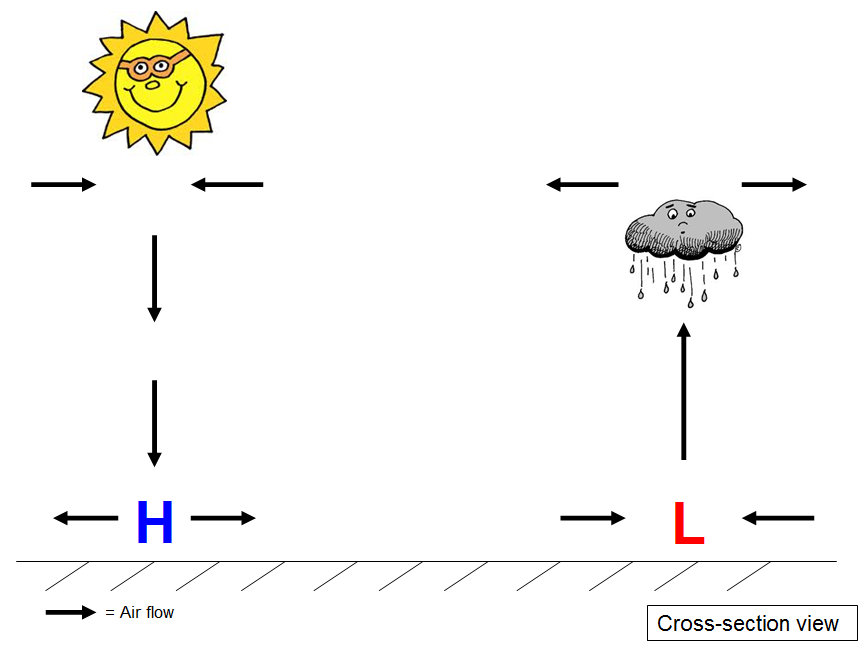
Traditionally, air pressure is a concept relegated to meteorology. Yet, for a systems architect or a hardware developer, the difference between 1013.25 millibars (standard sea-level pressure) and the thin air of a high-altitude server farm can mean the difference between peak efficiency and catastrophic hardware failure. This article explores the technical definitions of high and low air pressure and their profound implications on the technology industry.
Defining the Physicality: High vs. Low Pressure in Computing Environments
To understand how pressure affects technology, we must first establish the baseline. In scientific and technical terms, atmospheric pressure is the force exerted by the weight of the air above a surface.
The Standard Baseline: 1013.25 mbar
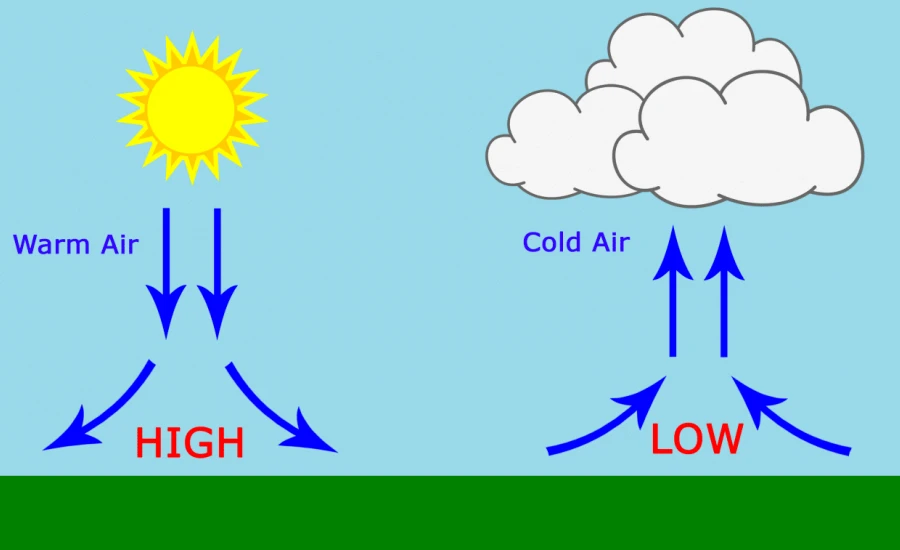
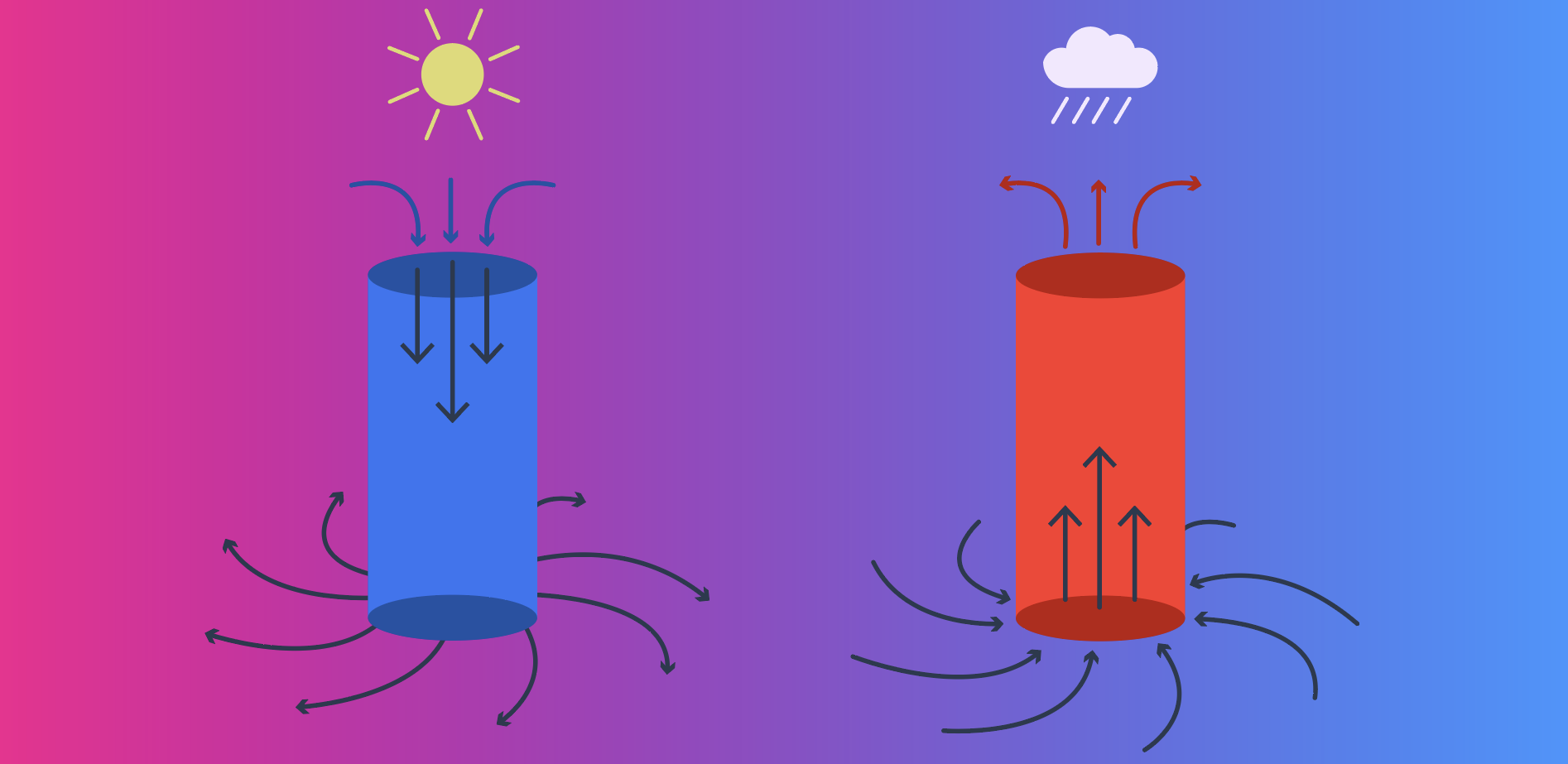
In the tech industry, engineers use the International Standard Atmosphere (ISA) as a benchmark. Standard pressure is defined as 1013.25 millibars (mbar) or hectopascals (hPa), which is roughly 14.7 pounds per square inch (psi). “High pressure” in a technical context generally refers to any environment maintained above this baseline, often found in specialized clean rooms or pressurized server cabinets. Conversely, “low pressure” refers to conditions significantly below this mark, typically encountered at high altitudes or within vacuum-sealed manufacturing chambers.
How High Pressure Impacts Server Cooling Efficiency
In high-density computing, high air pressure is often a controlled asset. Many modern data centers utilize a “positive pressure” strategy. By keeping the pressure inside the server room slightly higher than the surrounding environment, facilities can prevent “hot spots” and ensure that dust and contaminants are pushed out of the room rather than sucked in. From a thermodynamic perspective, high-pressure air is denser. Denser air has a higher heat capacity, meaning it can carry more heat energy away from a CPU or GPU per cubic foot of air moved. For high-performance computing (HPC) clusters, maintaining a high-pressure gradient is a sophisticated method of optimizing thermal management.
The Risks of Low Pressure in High-Altitude Data Centers
Low air pressure presents a significant challenge for hardware deployment. As altitude increases, air pressure drops, and the air becomes “thinner.” For technology, this is problematic because there are fewer air molecules available to absorb heat. Servers located in high-altitude regions, such as Denver, Colorado, or the Tibetan Plateau, often require specialized cooling configurations or must be “derated”—meaning they cannot be run at full capacity because the low-pressure air cannot provide sufficient cooling. If a cooling fan spins at the same RPM in a low-pressure environment as it does at sea level, it moves less mass, leading to rapid thermal throttling and potential hardware degradation.
Precision Sensors: How Tech Measures Atmospheric Shifts
As devices become more mobile and autonomous, the ability to measure air pressure in real-time has moved from specialized equipment into the palms of our hands. This integration of barometric technology is a cornerstone of modern mobile and IoT (Internet of Things) development.
MEMS Barometers in Smartphones and Wearables
Most modern smartphones and smartwatches are equipped with Micro-Electromechanical Systems (MEMS) barometers. These tiny sensors measure local air pressure to provide various functionalities. In the context of “Tech,” these sensors are used to determine altitude with high precision, complementing GPS data to provide a 3D location. When a fitness tracker tells you how many flights of stairs you’ve climbed, it isn’t using GPS; it is detecting a minute drop in air pressure (low pressure) as you move further from the earth’s surface.
Industrial IoT (IIoT) and Pneumatic Monitoring
In industrial technology settings, monitoring high and low pressure is vital for automated manufacturing. Pneumatic systems rely on pressurized air to move robotic arms and actuators. Sensors in these environments must distinguish between “operating high pressure” (necessary for movement) and “over-pressure” (which could lead to a burst valve). The software integration here allows for predictive maintenance; if a sensor detects a gradual transition toward low pressure in a sealed system, the AI-driven monitoring tool can alert technicians to a leak before the production line halts.
Hardware Engineering and the Pressure Constraint
Beyond the environment, the physical design of hardware must account for the mechanical stress caused by pressure differentials. This is where the distinction between high and low pressure becomes a matter of structural integrity.
Sealing and Ingress Protection (IP) Ratings
When we discuss the “waterproofing” of gadgets like the iPhone or Samsung Galaxy, we are actually discussing pressure management. An IP68 rating means a device can withstand a certain amount of “high pressure” from water at a specific depth. As a device is submerged, the external pressure increases. If the internal pressure of the device is significantly lower than the external water pressure, the seals may fail. Engineers must design the chassis to maintain an internal equilibrium or provide enough structural rigidity to withstand the “high pressure” squeeze of the environment.
Disk Drive Mechanics and Air Cushions
While Solid State Drives (SSDs) are now the standard, the legacy of Hard Disk Drives (HDDs) provides a fascinating look at pressure tech. The “head” of a hard drive flies just nanometers above the spinning platter on a cushion of air. This cushion is created by the air pressure inside the drive. If a standard HDD is taken into a low-pressure environment (like an unpressurized airplane cabin at 30,000 feet), the air cushion thins out. The head can no longer “float,” leading to a “head crash” where the sensor physically scrapes the platter, destroying data. This led to the development of “helium-filled” drives, where the drive is hermetically sealed with helium—a gas that allows for stable high-pressure environments regardless of external atmospheric changes.
The Future of Pressurized Environments in Advanced Computing
As we push the boundaries of where technology can operate—from the bottom of the ocean to the vacuum of space—our mastery over air pressure will dictate the next generation of hardware.
Liquid Immersion vs. Pressurized Air Cooling
The tech industry is currently seeing a shift toward liquid immersion cooling for data centers. In these setups, servers are submerged in dielectric fluid. However, this introduces a new pressure dynamic. The “pressure” at the bottom of a cooling tank is higher than at the top. Engineers are now developing software-defined cooling loops that adjust pump speeds based on the pressure sensors within the fluid, ensuring that even in “high-pressure” liquid environments, the delicate components of a motherboard remain functional and cool.
Aerospace Tech: Computing at the Edge of the Atmosphere
With the rise of private space exploration (SpaceX, Blue Origin) and high-altitude drones, computing is increasingly being done in “extreme low pressure” or vacuum environments. In a vacuum, traditional fans are useless because there is no air to move. Tech firms are developing “cold plate” technology and radiation-hardened components that can dissipate heat through conduction and radiation rather than convection. Understanding the transition from “low pressure” to “zero pressure” is the current frontier for aerospace computing hardware, requiring a total rethink of how we insulate and protect digital circuits.
Conclusion
In the tech sector, air pressure is far more than a weather report; it is a fundamental parameter of system stability and design. “High pressure” acts as both a cooling medium and a protective barrier in clean rooms, while “low pressure” represents a hurdle for thermal management and mechanical operation at altitude. As our devices become more sophisticated and our data centers move into more diverse environments, the ability to monitor, manipulate, and withstand atmospheric pressure will remain a cornerstone of technological innovation. From the MEMS barometers in our pockets to the pressurized racks of a global cloud provider, the air around us remains one of the most vital components in the machine.
aViewFromTheCave is a participant in the Amazon Services LLC Associates Program, an affiliate advertising program designed to provide a means for sites to earn advertising fees by advertising and linking to Amazon.com. Amazon, the Amazon logo, AmazonSupply, and the AmazonSupply logo are trademarks of Amazon.com, Inc. or its affiliates. As an Amazon Associate we earn affiliate commissions from qualifying purchases.