
When one asks, “What is Cointreau made of?” the literal answer involves a precise blend of sweet and bitter orange peels, water, sugar, and neutral sugar beet alcohol. However, from a brand strategy perspective, the “ingredients” of Cointreau extend far beyond its chemical composition. For over 170 years, the French liqueur has maintained its status as a cornerstone of the global spirits industry not just through a secret recipe, but through a meticulously crafted brand identity, a rigid commitment to premiumization, and a masterful understanding of market positioning.
To understand what Cointreau is truly made of, we must analyze the structural components of its brand equity: its heritage, its iconic visual identity, its strategic role within cocktail culture, and its ability to adapt to the modern consumer’s demand for authenticity and sustainability.
The Distillation of Brand Heritage and Corporate Identity
At its core, Cointreau is made of history. The brand’s foundation is built upon a narrative of innovation and familial consistency that began in 1849 in Angers, France. This historical “ingredient” is what separates a legacy brand from a commodity product.
The 1849 Foundation: Crafting a Timeless Narrative
The brand was birthed by brothers Adolphe and Édouard-Jean Cointreau. In an era where liqueurs were often heavy, syrupy, and inconsistent, Édouard-Jean sought to create a crystal-clear spirit that balanced sweetness with a sharp, aromatic zest. This pursuit of “transparency”—both literal and metaphorical—became the first pillar of the brand. By documenting this origin story, the Remy Cointreau Group (the current parent company) leverages heritage as a tool for consumer trust. In the world of branding, history serves as a “barrier to entry” for competitors; you can replicate a flavor profile, but you cannot replicate a century and a half of French provenance.
The Secret Formula: Protecting Proprietary Brand Equity
Much like the Coca-Cola formula or the KFC blend of herbs and spices, the specific ratio of orange peels used in Cointreau is a closely guarded secret. This “mystery” is a deliberate branding choice. By maintaining a single Master Distiller (currently Carole Quinton), the brand ensures a narrative of craftsmanship and exclusivity. This ingredient—proprietary knowledge—creates a sense of “Unattainable Excellence.” When consumers buy Cointreau, they are not just buying an orange liqueur; they are buying an exclusive piece of French savoir-faire that cannot be found elsewhere.
The Marketing Mix: The Physical and Visual Components
In the realm of brand strategy, the “ingredients” of a product include its sensory touchpoints. Cointreau’s success is inextricably linked to its physical design and how that design communicates its value proposition to the consumer.
Iconic Packaging: The Square Bottle and the Amber Aesthetic
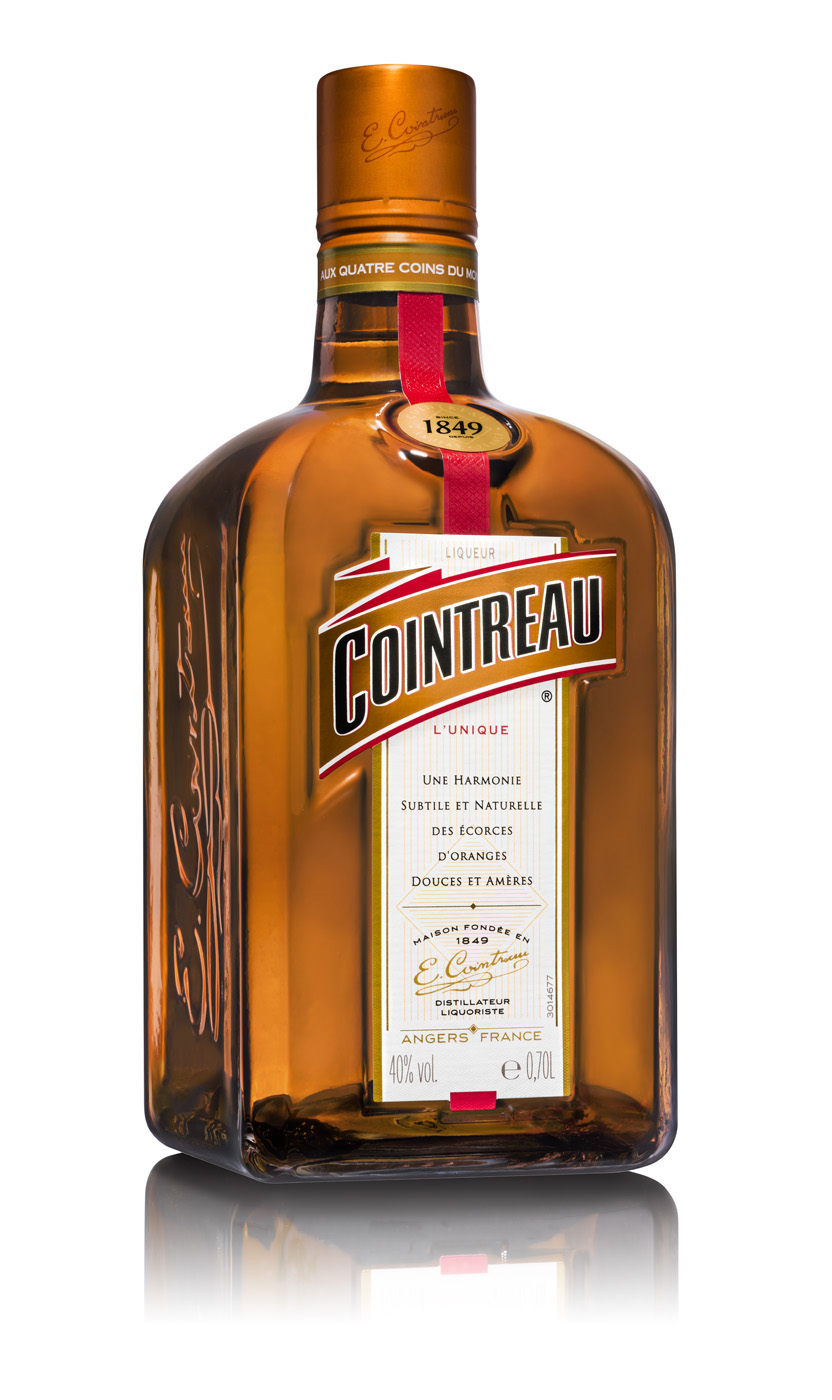
One cannot discuss what Cointreau is made of without mentioning the amber, square-shaped bottle. Introduced by Édouard-Jean Cointreau, the bottle was a revolutionary piece of marketing for its time. While most spirits were sold in round, clear bottles, the dark amber glass protected the delicate essential oils from light, and the square shape made it stand out on the back bar.
From a modern branding perspective, this is “visual equity.” The bottle is an “ownable asset”—even without a label, a seasoned bartender or a savvy consumer can identify the brand by its silhouette alone. This consistency in design over decades fosters brand recognition and reinforces the idea of stability in a volatile market.
Versatility as a Value Proposition: The Margarita Connection
A significant portion of Cointreau’s brand identity is “made of” its utility. The brand has successfully positioned itself as an essential ingredient in over 350 cocktails, most notably the Original Margarita and the Cosmopolitan.
This is a strategic masterpiece in “Ingredient Branding.” By embedding itself into the DNA of popular culture’s most famous drinks, Cointreau ensures that its market share is protected by the rituals of the consumer. It is not merely a standalone drink; it is a “necessary component.” This strategic alignment with the “Margarita” brand has allowed Cointreau to piggyback on the global growth of Tequila, ensuring that as long as people drink Margaritas, they will need Cointreau.
Strategic Positioning in the Premium Spirits Market
In a crowded marketplace, a brand is defined as much by what it is not as by what it is. Cointreau’s brand is made of a rigid refusal to compete on price, choosing instead to compete on quality and category definition.
Differentiation via Quality: The “Triple Sec” vs. “Cointreau” Distinction
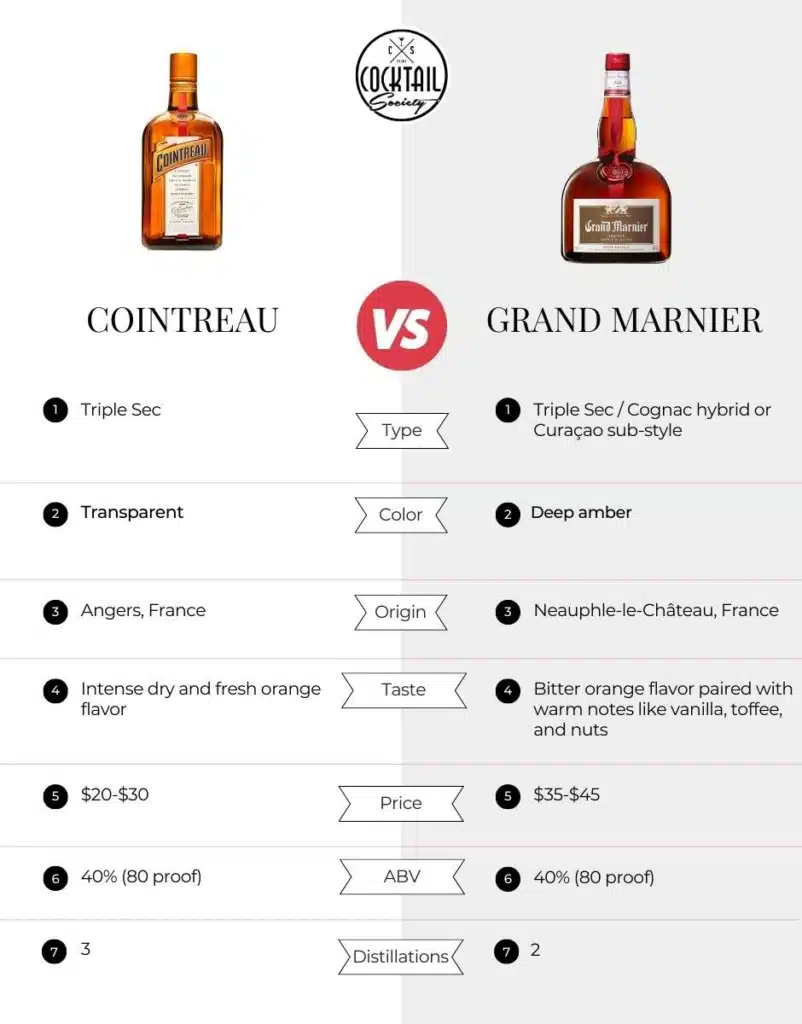
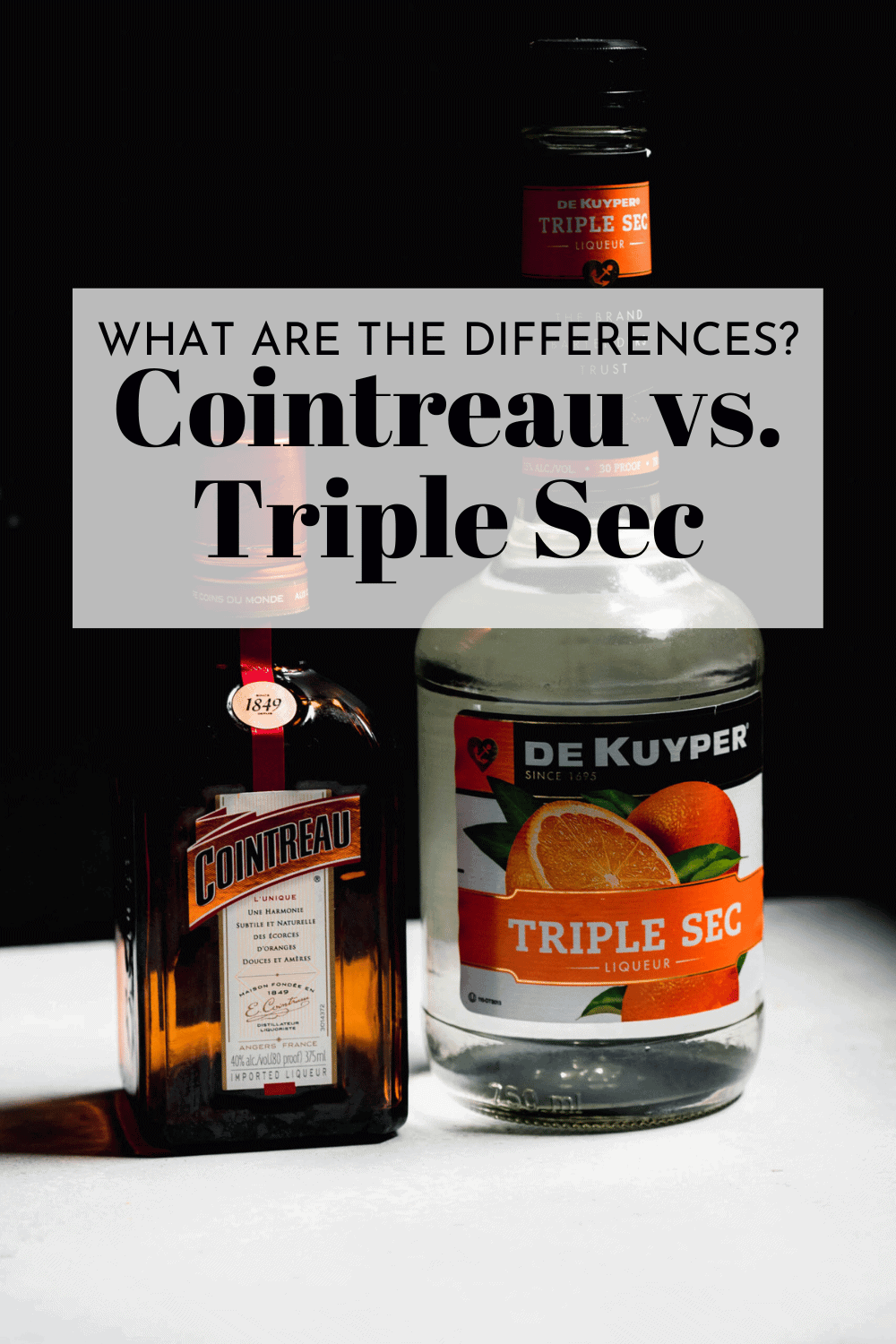
The category of orange liqueurs is broadly known as “Triple Sec.” However, Cointreau has spent decades distancing itself from the generic “Triple Sec” label, which is often associated with lower-quality, high-sugar substitutes.
Through clever marketing and educational campaigns directed at bartenders (B2B marketing), the brand has established “Cointreau” as a category of one. This is “Premiumization Strategy” in its purest form. By highlighting the high concentration of essential oils and the absence of artificial flavorings, the brand justifies its premium price point. It moves the conversation from “Which orange liqueur is cheapest?” to “Which liqueur provides the most authentic flavor profile?”
Global Distribution and Modern Relevance
Cointreau’s brand is made of a sophisticated global supply chain and a localized marketing approach. While the spirit is produced exclusively in Angers, its marketing teams operate globally to adapt the brand to local tastes. In the United States, the focus may be on the “Cointreau Margarita,” while in Europe, the focus might shift toward the “Cointreau Fizz” or aperitif culture. This adaptability—maintaining a core identity while allowing for local flexibility—is a hallmark of successful corporate branding.
The Future of the Brand: Sustainability and Digital Engagement
A modern brand is not just made of its past; it is made of its future commitments. To remain relevant in the 21st century, Cointreau has integrated modern “ingredients” into its brand strategy: social responsibility and digital community.
ESG Initiatives: Cultivating the Brand’s Ethical Roots
Today’s consumers, particularly Gen Z and Millennials, demand that their favorite brands be “made of” more than just profit. Cointreau has responded by integrating Environmental, Social, and Governance (ESG) goals into its core identity. This includes sustainable sourcing of orange peels, reducing carbon footprints in glass production, and supporting biodiversity in the regions where they source their raw materials. By making sustainability a “key ingredient” of the brand narrative, Cointreau ensures it remains attractive to the ethically conscious consumer.
Community Building: The “Cointreau Creative Crew” and Digital Presence
Finally, Cointreau is made of its community. Through initiatives like the “Cointreau Creative Crew,” the brand has positioned itself as a supporter of the arts and entrepreneurship. This is a “Lifestyle Branding” strategy. It moves the brand away from the bar counter and into the broader cultural conversation.
Furthermore, their digital strategy involves heavy investment in SEO, social media “mixology” influencers, and e-commerce platforms. By ensuring that the brand is the first result when a user searches for “how to make a margarita,” Cointreau captures the “top-of-funnel” consumer. Their digital presence is a vital ingredient in maintaining their dominance in an era where the path to purchase often starts on a smartphone.
Conclusion
What is Cointreau made of? It is made of the sun-drenched peels of bitter and sweet oranges, yes. But more importantly, it is made of a legacy of innovation, a distinctive visual language, a premium market position, and an unwavering commitment to quality.
For a brand to survive and thrive for nearly two centuries, it must be composed of more than just a liquid in a bottle. It must be made of a story that consumers want to tell, a quality they can trust, and a presence that feels both timeless and contemporary. Cointreau remains a masterclass in brand strategy because it understands that while the recipe for the liqueur is secret, the recipe for a successful brand is transparency, consistency, and a relentless focus on being the “essential ingredient” in the consumer’s life.
aViewFromTheCave is a participant in the Amazon Services LLC Associates Program, an affiliate advertising program designed to provide a means for sites to earn advertising fees by advertising and linking to Amazon.com. Amazon, the Amazon logo, AmazonSupply, and the AmazonSupply logo are trademarks of Amazon.com, Inc. or its affiliates. As an Amazon Associate we earn affiliate commissions from qualifying purchases.