
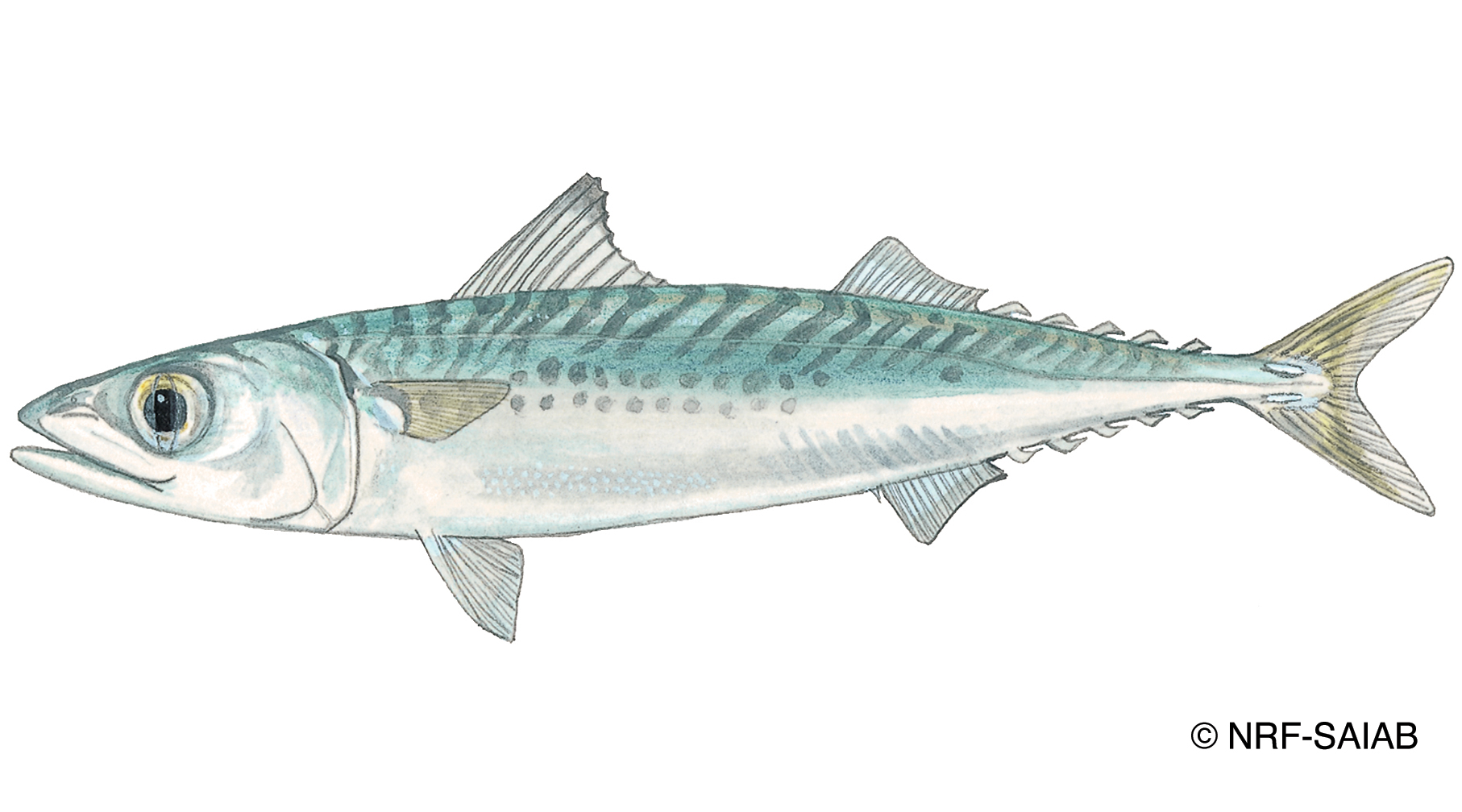
In the world of global finance, investors often overlook the commodities that swim beneath the surface of our oceans. When asking “what is Chub Mackerel?” from a financial perspective, the answer is far more complex than a simple biological definition. To the savvy investor or business strategist, Chub Mackerel (Scomber japonicus) represents a high-volume, high-liquidity asset within the “Blue Economy”—a sector of the global market dedicated to the sustainable use of ocean resources for economic growth.
As global food security becomes a primary driver of market volatility, small pelagic fish like the Chub Mackerel have transitioned from regional staples to critical components of international trade portfolios. This article explores the economic significance of Chub Mackerel, the investment potential of the seafood commodity market, and the fiscal risks associated with marine-based assets.
The Economic Profile of the Chub Mackerel Market
The Chub Mackerel is one of the most commercially significant species in the global fishing industry. Unlike luxury seafood items like bluefin tuna or lobster, which operate on high margins and low volumes, the Chub Mackerel market is built on the power of sheer scale. It is a “volume play,” where profitability is dictated by harvest efficiency, logistics, and global trade agreements.
Global Supply and Demand Dynamics
The market for Chub Mackerel is characterized by its vast geographical spread. Major production hubs are located in the Northwestern Pacific (dominated by Japan and China), the Eastern Pacific (Chile and Peru), and the Eastern Atlantic (Morocco and Mauritania). For a business analyst, these regions represent different tiers of market maturity.
Demand is bifurcated into two primary streams: human consumption and industrial use. In emerging markets across Africa and Southeast Asia, Chub Mackerel is a vital source of affordable protein, making it a “recession-proof” commodity. When beef or poultry prices spike due to inflation or supply chain disruptions, the demand for canned or frozen mackerel typically rises, providing a hedge for diversified food-sector portfolios.
The Role of Chub Mackerel in the Forage Fish Trade
Beyond the dinner plate, Chub Mackerel plays a foundational role in the global aquaculture supply chain. A significant portion of the global catch is processed into fishmeal and fish oil. This creates a fascinating secondary market linkage: the price of Chub Mackerel often correlates with the growth of the farmed salmon and shrimp industries.
As an investor, understanding the “feed-conversion ratio” is essential. Because Chub Mackerel is used to feed more expensive carnivorous fish, its price fluctuations can impact the stock prices of major aquaculture firms listed on the Oslo Børs or the Tokyo Stock Exchange.
Investing in the “Blue Economy”: Why Small Pelagics Matter
The term “Blue Economy” refers to the decoupling of socioeconomic development from environmental degradation in our oceans. Within this framework, small pelagic fish like Chub Mackerel are viewed as highly efficient biological assets. They grow quickly and reproduce in massive numbers, making them a more sustainable investment than long-lived species.
Diversification Through Soft Commodities
Traditional portfolios often rely on “hard” commodities like gold or oil, or “soft” commodities like wheat and soy. However, marine commodities offer a unique diversification benefit. The biological cycles of fish stocks do not correlate with the Federal Reserve’s interest rate hikes or Silicon Valley’s tech cycles.
Investing in firms that hold quotas for Chub Mackerel—or companies that specialize in the mid-stream processing of these fish—allows investors to gain exposure to a market driven by global population growth and shifting dietary preferences toward healthy, omega-3-rich proteins. In a world facing “protein protectionism,” owning a stake in a stable, high-yield fishery is a strategic move for long-term wealth preservation.
Risk Factors: Climate Change and Overfishing Regulations
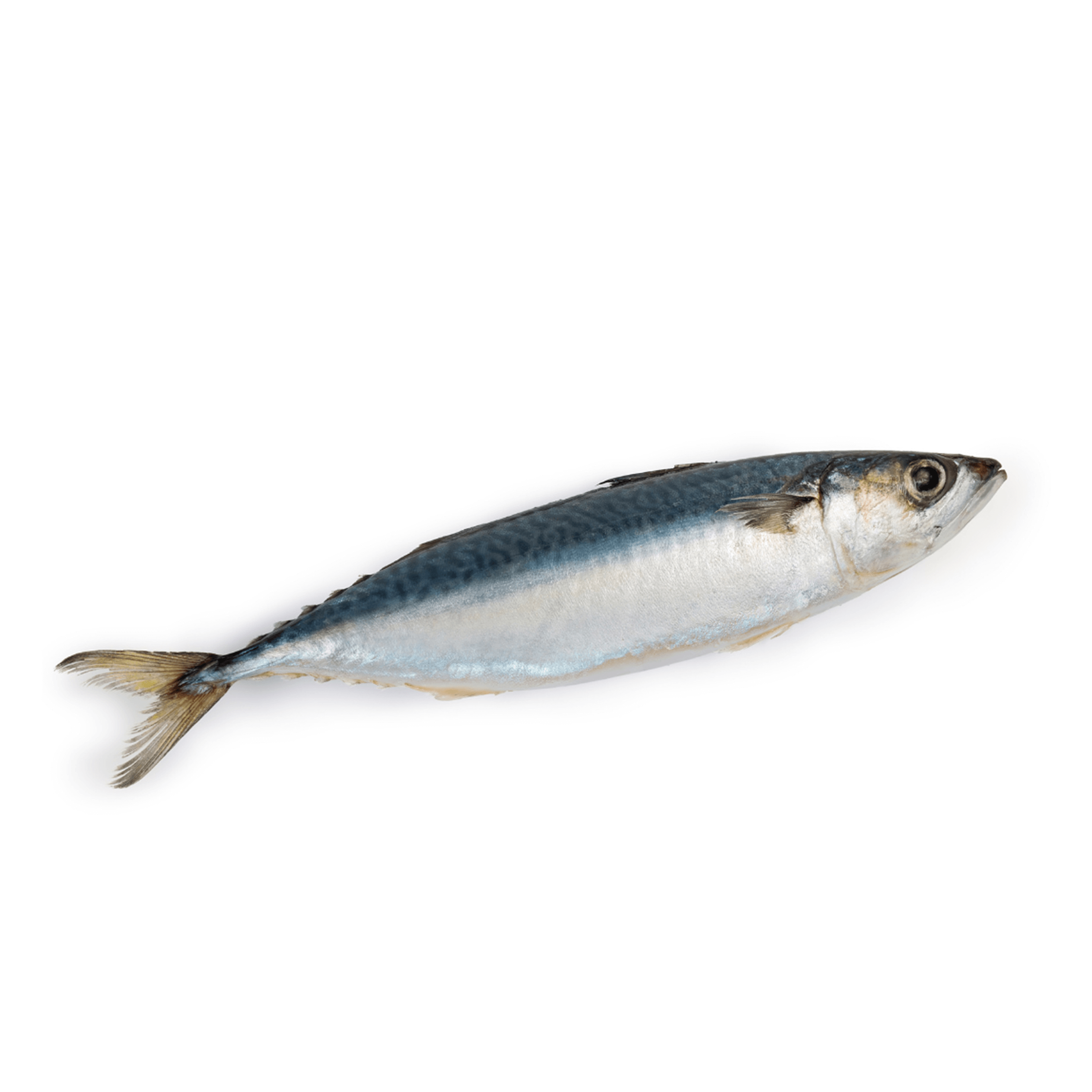
No investment is without risk, and the seafood sector is uniquely sensitive to environmental ESG (Environmental, Social, and Governance) factors. The Chub Mackerel is highly migratory and sensitive to water temperature changes. Phenomena like El Niño can devastate catches in the Eastern Pacific, leading to sudden supply shortages and price spikes.
Furthermore, regulatory risk is a major consideration. International quotas are set by Regional Fisheries Management Organizations (RFMOs). A sudden reduction in the “Total Allowable Catch” (TAC) can turn a profitable fishing season into a fiscal loss for companies with high fixed costs. Professional investors must monitor these regulatory bodies as closely as a day trader monitors the SEC.
Chub Mackerel as a Business Case for Sustainable Supply Chains
The profitability of the Chub Mackerel trade is increasingly dependent on supply chain integrity. In the modern financial landscape, “Traceability” is not just a buzzword; it is a requirement for accessing premium markets and securing lower insurance premiums for cargo.
Vertical Integration in the Seafood Industry
The most successful players in the Chub Mackerel space are vertically integrated. This means one corporation owns the vessels (the harvest), the processing plants (the value-add), and the distribution networks (the market access). By controlling the entire chain, these companies can capture margins at every stage and mitigate the risk of price gouging by intermediaries.
For a business strategist, analyzing the degree of vertical integration in a seafood firm is a key indicator of its “moat.” Companies that have invested in state-of-the-art freezing technology on their vessels can command a higher price for “frozen-at-sea” (FAS) products, which are superior in quality to land-processed fish. This technological edge translates directly into higher Earnings Per Share (EPS).
Technological Innovations in Harvest Efficiency
Efficiency is the cornerstone of profit in the mackerel trade. New AI-driven sonar technologies and satellite imaging allow fishing fleets to locate schools of Chub Mackerel with surgical precision. This reduces fuel consumption—one of the largest operational expenses in the industry—and increases the “catch per unit effort” (CPUE).
From a venture capital perspective, the “FishTech” sector is ripe for investment. Startups focusing on sustainable gear, automated sorting, and blockchain-based traceability are becoming attractive targets for acquisition by large seafood conglomerates looking to modernize their operations and meet ESG mandates.
Financial Metrics and Market Forecasts
To accurately value the Chub Mackerel market, one must look beyond the dockside price. Analysts use a variety of metrics to forecast the health of the industry, including fuel-to-fish price ratios and cold-storage inventory levels.
Pricing Volatility and Seasonal Trends
Chub Mackerel prices are subject to intense seasonality. Supply peaks during specific spawning migrations, leading to seasonal price troughs. Investors who understand these cycles can utilize “counter-cyclical” strategies, purchasing frozen inventory during periods of abundance and offloading it during the off-season when supply is tight.
Global trade tensions also play a role. For example, import tariffs or “sanitary and phytosanitary” (SPS) barriers imposed by major importers like Nigeria or Egypt can lead to sudden gluts in the exporting countries, creating short-term buying opportunities for processors with high storage capacity.
Emerging Markets and Export Opportunities
The future of the Chub Mackerel economy lies in the Global South. As middle-class populations grow in regions like Southeast Asia and West Africa, the demand for shelf-stable, high-protein food sources is projected to skyrocket. This represents a massive “Blue Ocean” opportunity for exporters.
Furthermore, the rise of “Value-Added” products—such as gourmet canned mackerel in olive oil or ready-to-eat mackerel fillets—allows companies to move away from low-margin bulk sales toward high-margin consumer goods. This shift in business model, from commodity supplier to brand owner, is where the most significant capital appreciation is likely to occur over the next decade.
Conclusion: The Bottom Line on Chub Mackerel
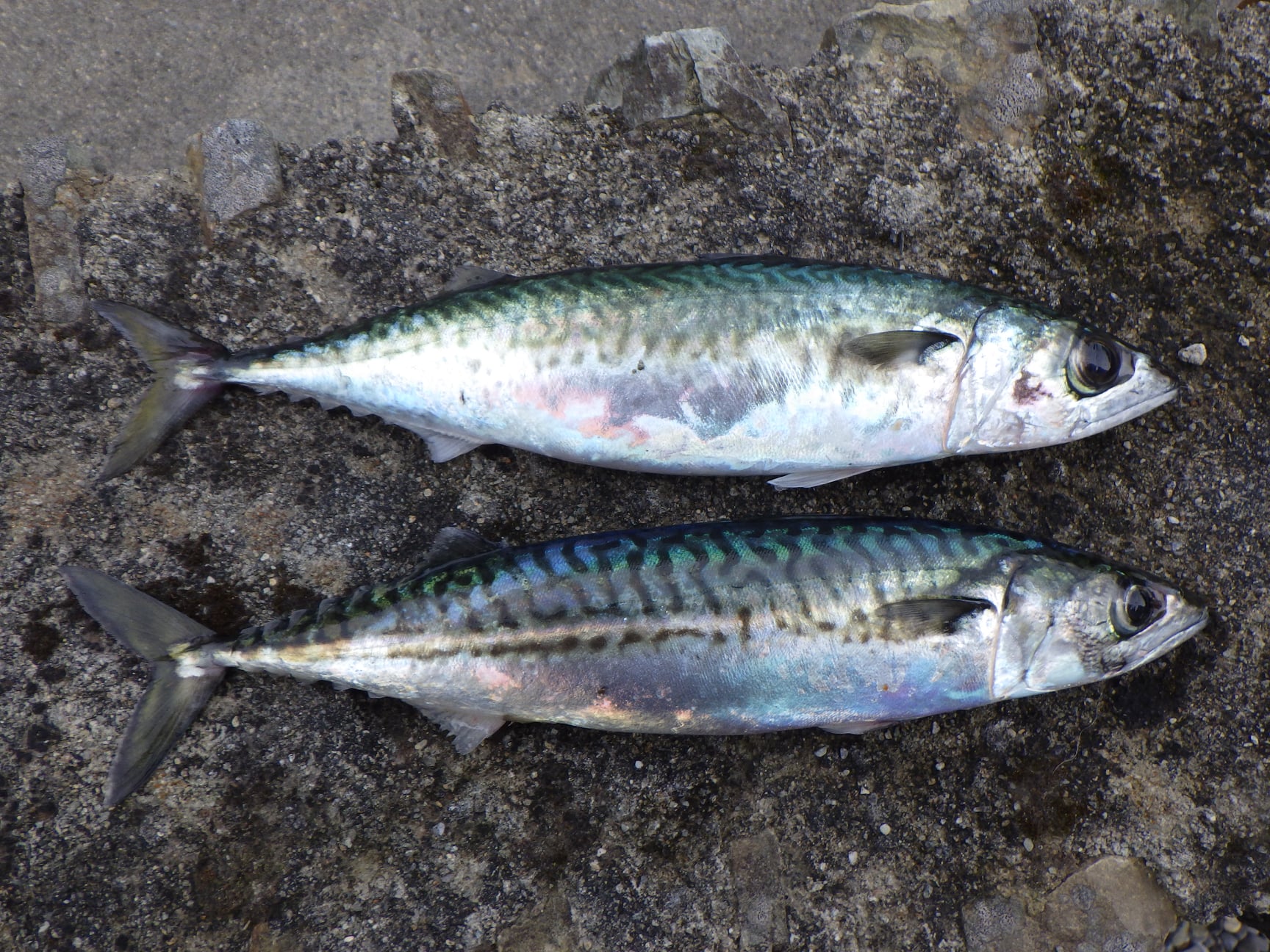
So, what is Chub Mackerel? It is a high-volume marine commodity that sits at the intersection of global food security, aquaculture logistics, and ESG-conscious investing. For the modern investor, it offers a tangible asset that is decoupled from traditional financial markets, providing both a hedge against inflation and a play on the growing global demand for sustainable protein.
While environmental and regulatory risks remain, the integration of technology and the professionalization of the seafood supply chain are turning the Chub Mackerel trade into a sophisticated asset class. Whether through direct investment in fishing conglomerates or indirect exposure via aquaculture indices, the Chub Mackerel is a “small fish” with massive financial implications in the global economy.
aViewFromTheCave is a participant in the Amazon Services LLC Associates Program, an affiliate advertising program designed to provide a means for sites to earn advertising fees by advertising and linking to Amazon.com. Amazon, the Amazon logo, AmazonSupply, and the AmazonSupply logo are trademarks of Amazon.com, Inc. or its affiliates. As an Amazon Associate we earn affiliate commissions from qualifying purchases.