
In the high-stakes world of aviation finance, every square inch of an aircraft’s cabin is treated as prime real estate. To a casual traveler, a “bulkhead” is simply the physical partition—a wall, curtain, or screen—that separates different sections of the plane, such as the galley from the seating area or Business Class from Economy. However, from a business and financial perspective, the bulkhead is a strategic asset. It is a tool for yield management, a driver of ancillary revenue, and a critical component in the complex equation of Revenue per Available Seat Mile (RASM).
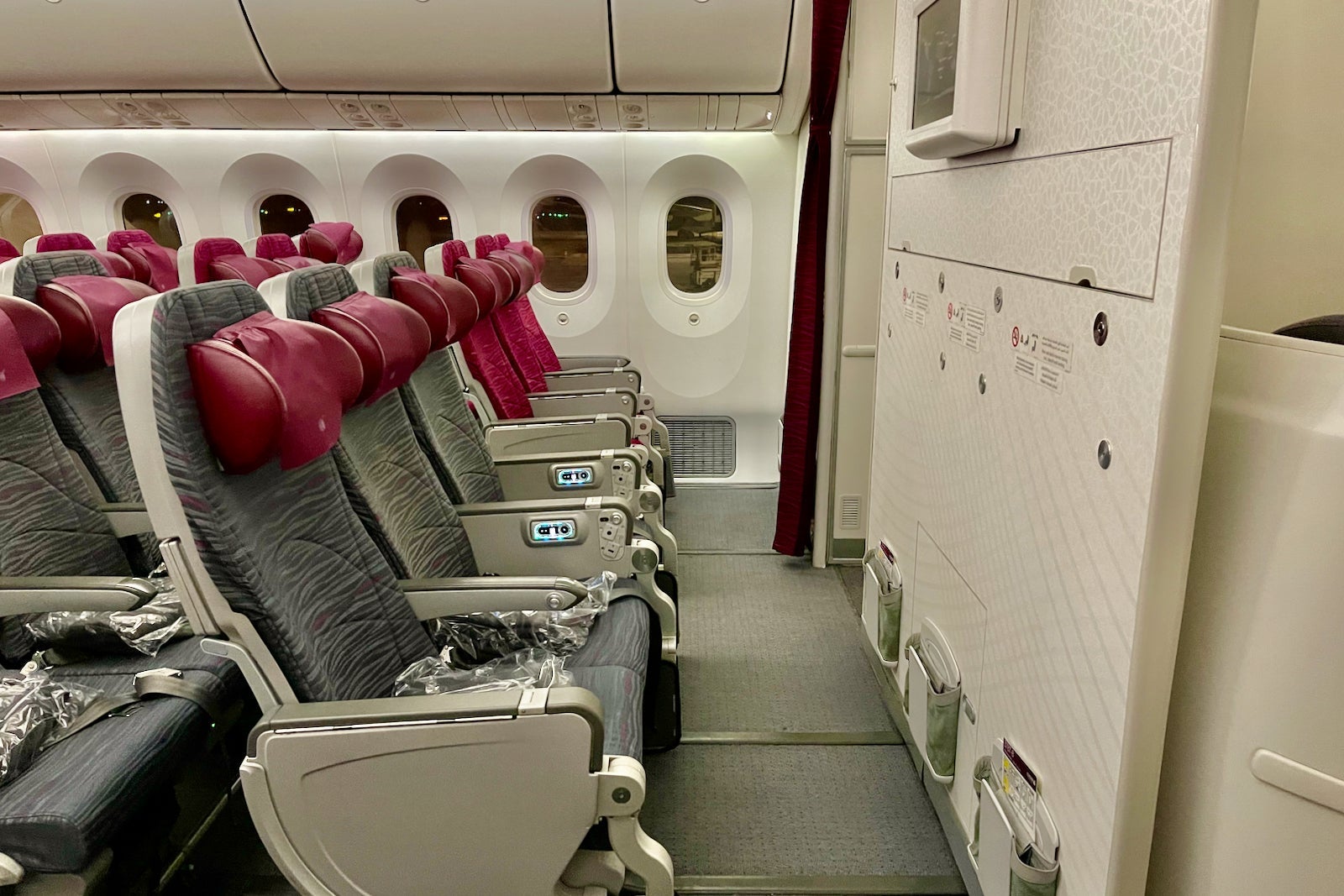
Understanding what a bulkhead is requires looking past the physical structure and into the financial strategy of the airline industry. This article explores how the bulkhead functions as a pivot point for profitability, the cost-benefit analysis of cabin configuration, and why this specific “wall” is one of the most monetized spaces in the sky.
The Revenue Management Logic of Cabin Dividers
At its core, the airline industry is a volume business with razor-thin margins. To maximize profit, airlines must segment their customers based on their willingness to pay. The bulkhead serves as the literal and figurative boundary of this segmentation.
Ancillary Revenue and the Premium Pricing Model
In the last two decades, the airline industry has shifted its financial focus from base airfares to ancillary revenue—fees collected for services beyond the seat itself. The bulkhead row is a crown jewel in this strategy. Because there is no seat in front of the bulkhead row, passengers often enjoy extra legroom or the convenience of being the first to deplane.
Airlines classify these as “Preferred” or “Extra Space” seats. By charging a premium for the bulkhead row, an airline can generate significant additional income without increasing the plane’s weight or fuel consumption. For a major carrier, the ability to charge an extra $50 to $150 per bulkhead seat across thousands of flights a year translates into tens of millions of dollars in pure profit with zero variable cost.
Psychological Pricing and the “Class” Barrier
The bulkhead acts as a psychological tool for value perception. In a multi-class configuration, the bulkhead provides the privacy and exclusivity that justifies the high price point of Business or First Class. By physically obscuring the view of the “premium” cabin from the “main” cabin, airlines create a sense of scarcity and aspiration. This stratification is essential for maintaining the brand’s ability to command four-figure or five-figure fares for international travel. From a business finance perspective, the bulkhead is the wall that protects the margins of the premium cabin.
Operational Finance: The Cost of the Wall
While the bulkhead generates revenue, it also represents a significant operational cost. In aviation, weight is the enemy of profit. Every pound of material added to an aircraft increases fuel burn, which is typically an airline’s largest or second-largest operating expense.
Fuel Efficiency and Structural Weight
Modern bulkheads are masterpieces of aerospace engineering, designed to be as light as possible while meeting stringent safety standards. They are often constructed from advanced composites or honeycomb materials to minimize mass. However, even a lightweight partition adds to the overall “Empty Weight” of the aircraft.
Financial analysts at airlines must calculate the “Fuel Burn Penalty” of the bulkhead. If a bulkhead weighs 50 pounds, the airline must determine if the revenue generated by the seat partitioning and the premium fees exceeds the cost of the fuel required to carry that 50-pound wall for the 20-year lifespan of the aircraft. In many Low-Cost Carrier (LCC) models, bulkheads are minimized or replaced by simple plastic dividers to reduce weight and maintenance costs, prioritizing fuel savings over class separation.
Maintenance and Modular Design ROI
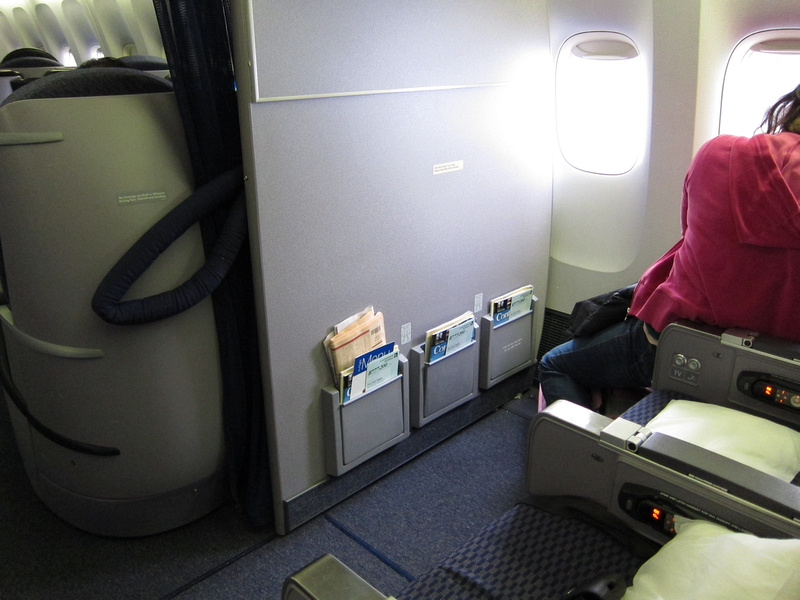
A bulkhead is not just a static wall; it often houses crucial infrastructure. This includes oxygen mask deployments, emergency equipment, stowable bassinets, and In-Flight Entertainment (IFE) monitors. From a capital expenditure (CapEx) perspective, the bulkhead is an expensive piece of equipment.
Maintenance teams must regularly inspect these partitions for structural integrity and ensure that the electronics embedded within them are functional. Airlines invest in “modular” bulkhead designs that allow for quick reconfiguration. The Return on Investment (ROI) of a modular cabin is high because it allows the airline to change its seat density and class ratios based on seasonal demand, ensuring the cabin is always optimized for the highest possible revenue.
Strategic Configuration: Maximizing Yield per Square Inch
The placement of a bulkhead is a decision made by “Network and Fleet Planning” teams who use sophisticated algorithms to determine the most profitable cabin layout. This is often referred to as “LOPA” (Layout of Passenger Accommodation) design.
The LCC vs. Legacy Carrier Model
The financial utility of a bulkhead differs wildly between business models. For a Legacy Carrier (like United or Lufthansa), the bulkhead is essential for maintaining the “Premium Economy” and “Business” segments that provide the bulk of their profits.
Conversely, for a Low-Cost Carrier (like Ryanair or Spirit), the bulkhead is often seen as a waste of space. In an “all-economy” high-density configuration, removing a bulkhead might allow for an extra row of seats. In the world of aviation finance, an extra row of six seats on a plane that flies six segments a day can represent millions in annual revenue. Therefore, the decision to keep or remove a bulkhead is a direct trade-off between “yield” (price per seat) and “load factor” (number of seats filled).
The Business Case for the Bassinet
One of the unique financial functions of the bulkhead is its ability to accommodate a “bassinet” or “cot” for infants. By providing this feature specifically in the bulkhead row, airlines can attract the lucrative family travel market. While infants often fly for a fraction of the adult fare, their parents do not. By anchoring the family-friendly infrastructure to the bulkhead, airlines can effectively funnel these customers into specific rows, allowing them to manage cabin logistics more efficiently and ensuring that “Quiet Zones” in other parts of the plane remain attractive to high-paying business travelers.
The Future of Aviation Finance in Cabin Design
As we look toward the future of the industry, the bulkhead is undergoing a digital and financial transformation. The rise of “Business Class Suites” with sliding doors is effectively turning every seat into its own mini-bulkhead.
The Rise of “Business-Plus”
Airlines are now experimenting with “Front Row Suites”—using the unique space provided by the forward bulkhead to create an “Ultra-Business” product. Because the bulkhead row often has more floor space due to the curve of the fuselage or the placement of the galley, airlines are now branding the first row of Business Class as a superior product with higher price points than the rest of the cabin. This is a classic example of turning a structural constraint into a financial windfall.

Data-Driven Cabin Optimization
In the era of Big Data, airlines are using heat maps and passenger preference data to determine the exact value of the bulkhead. They are testing “dynamic pricing” for bulkhead seats, where the cost of the seat fluctuates based on the time of booking, the passenger’s loyalty status, and the remaining inventory. This ensures that the airline captures the maximum “Consumer Surplus”—the difference between what a passenger is willing to pay and what they actually pay.
In conclusion, the bulkhead on a plane is far more than a physical barrier. It is a critical instrument of financial engineering. From the way it enables ancillary revenue streams and class segmentation to the way its weight and maintenance costs are factored into the airline’s balance sheet, the bulkhead is a microcosm of the business of flight. For the savvy traveler and the investor alike, understanding the bulkhead is about understanding how airlines turn the constraints of physics into the opportunities of finance. In the sky, as on the ground, real estate is everything—and the bulkhead is the most strategic wall in the world.
aViewFromTheCave is a participant in the Amazon Services LLC Associates Program, an affiliate advertising program designed to provide a means for sites to earn advertising fees by advertising and linking to Amazon.com. Amazon, the Amazon logo, AmazonSupply, and the AmazonSupply logo are trademarks of Amazon.com, Inc. or its affiliates. As an Amazon Associate we earn affiliate commissions from qualifying purchases.