
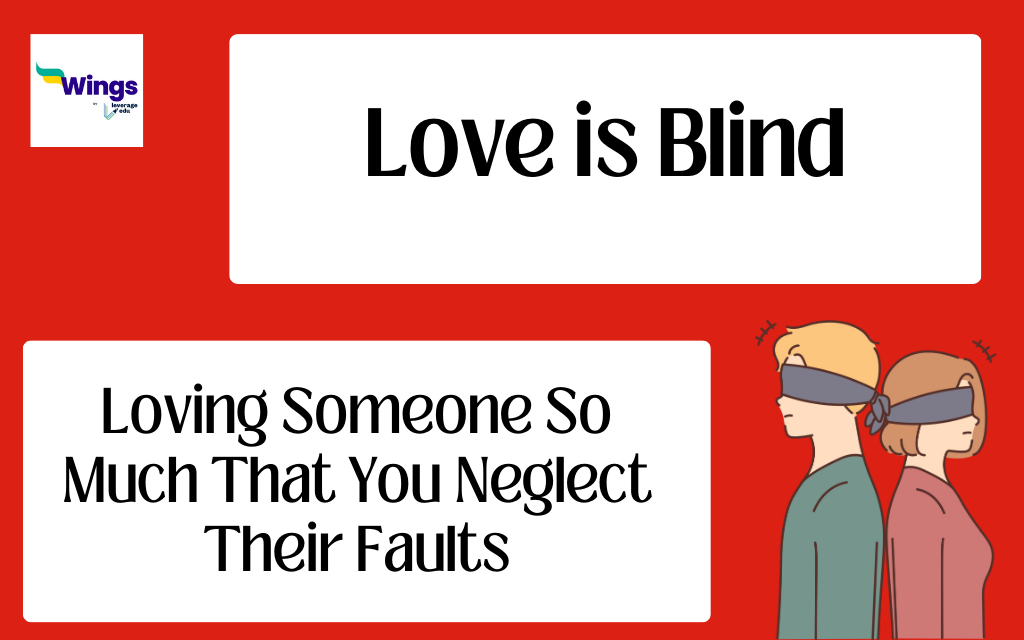
In the traditional sense, “blind love” refers to an affection so deep that it overlooks all flaws, inconsistencies, and rational warnings. In the world of business and marketing, this phenomenon is not just a poetic concept; it is the ultimate goal of brand strategy. When a consumer experiences “blind love” for a brand, the relationship transcends the transactional. The product is no longer a tool or a commodity; it becomes an extension of the consumer’s identity.
This level of devotion allows companies to command premium prices, weather PR storms, and maintain market dominance even when competitors offer technically superior products. Understanding what blind love is in a professional context requires a deep dive into brand strategy, consumer psychology, and the art of creating a corporate identity that resonates on a visceral level.
The Anatomy of Blind Love in the Marketplace
At its core, blind love in branding is the point where emotional resonance supersedes rational utility. Most consumer decisions start with a need—a “job to be done.” However, as a brand matures in the eyes of its audience, the “why” becomes more important than the “what.”
Beyond Rational Choice: The Emotional Bond
The human brain is wired for shortcuts, and brands provide the ultimate cognitive shortcut. Rational choice involves comparing specs, prices, and reviews. Blind love, however, bypasses the prefrontal cortex and taps directly into the limbic system, which handles emotions and memory. When a customer has blind love for a brand, they no longer ask, “Is this the best laptop?” Instead, they ask, “Which of my brand’s laptops should I get next?” This shift from objective analysis to subjective preference is the hallmark of a successful brand strategy. It is built on years of consistent positive reinforcement, where the brand has successfully aligned its “personality” with the self-image of the consumer.
The Transition from Customer to Advocate
There is a distinct spectrum in the brand-consumer relationship: awareness, trial, preference, loyalty, and finally, advocacy. Blind love sits at the far end of this spectrum. An advocate doesn’t just buy the product; they defend it. They participate in online forums to debunk critics, they wear the logo as a badge of honor, and they feel a personal sense of betrayal if the brand fails to live up to its perceived values. This advocacy is “blind” because the consumer takes the brand’s side by default. In a world of infinite choices, this level of insulation from competition is the most valuable asset a company can own.
The Pillars of Building an Irresistible Brand Identity
Blind love is rarely accidental. It is the result of a meticulously crafted brand strategy designed to foster a sense of belonging and purpose. To achieve this, companies must move beyond selling features and start selling meaning.
Consistent Narrative and Storytelling
Humans are storytelling creatures. A brand that tells a compelling story allows the consumer to become the protagonist of that narrative. Whether it is the “underdog” story, the “innovator” story, or the “luxury seeker” story, the narrative must be consistent across every touchpoint. Blind love is forged when the consumer sees their own life story reflected in the brand’s communications. If a brand changes its “voice” too often, it breaks the trust required for blind love. Consistency creates a sense of safety and predictability, which are the foundations of any deep emotional attachment.
Shared Values and the Cult of Community
In the modern era, consumers—particularly Millennials and Gen Z—buy brands as a way of voting for the world they want to see. Blind love often stems from a shared value system. When a brand takes a stand on environmental issues, social justice, or personal empowerment, it attracts a tribe of like-minded individuals. This creates a “cult of community” where the brand acts as a social glue. When you buy the brand, you aren’t just buying a product; you are joining a club. This communal aspect makes the love “blind” because leaving the brand would feel like leaving a community of peers.
The Role of Design in Emotional Resonance
Visual identity is the “face” of the brand. Design is often the first and most persistent way a brand communicates its essence. From the sleek minimalism of a high-end tech firm to the rugged, earth-toned aesthetics of an outdoor apparel brand, design triggers immediate emotional responses. High-level brand strategy uses design to evoke specific feelings—trust, excitement, nostalgia, or prestige. When design is executed perfectly, the aesthetic itself becomes a source of pleasure for the consumer, further blinding them to any functional shortcomings the product might have.
The Benefits and Risks of Blind Consumer Devotion
While blind love is the “Holy Grail” of marketing, it carries significant implications for both the business and its audience. It is a powerful tool that must be managed with extreme care.
Resilience Against Competitive Disruption
The primary benefit of cultivating blind love is price elasticity and market insulation. When a competitor launches a product that is 10% faster or 20% cheaper, a “blindly loyal” customer is unlikely to switch. They have an emotional sunk cost in their current brand. This provides the company with a “moat”—a protective barrier that allows them to innovate at their own pace without the constant fear of losing their customer base to the latest trend. It also allows the brand to survive mistakes. A loyalist is much more likely to forgive a faulty product launch or a PR blunder because they view the brand like a friend or a family member.
The Danger of Brand Arrogance and Stagnation
The risk of blind love lies primarily with the corporation. When a company knows its customers will buy anything they put out, there is a temptation to stop innovating or to become “brand-arrogant.” This arrogance can lead to a decline in quality or a disconnect from market realities. History is littered with “legacy brands” that relied on blind love for too long, failing to notice when the “blindness” of their consumers eventually wore off due to repeated neglect. Furthermore, if a brand moves too far away from the core values that created the love in the first place, the backlash from the community can be catastrophic, turning “blind love” into “vocal hate” overnight.
Case Studies: Brands that Have Mastered the Art of Devotion
To understand how blind love functions in the real world, we can look at global leaders who have successfully moved beyond commerce into the realm of culture.
Apple: The Ecosystem of Attachment
Apple is perhaps the most cited example of blind love. Through a combination of closed-ecosystem convenience, masterful industrial design, and a narrative of “Thinking Different,” Apple has created a user base that often refuses to consider alternatives. This loyalty is so strong that users will wait in lines for hours for a product that may only offer incremental upgrades. The “love” is blind because the users prioritize the experience and status of the brand over the raw technical specifications or the lower price points of competitors.
Harley-Davidson: More Than a Machine
Harley-Davidson doesn’t just sell motorcycles; they sell a lifestyle of freedom and rebellion. Their brand strategy is so effective that thousands of customers literally tattoo the corporate logo onto their bodies. There is perhaps no greater indicator of blind love than a permanent skin marking of a corporate identity. For these consumers, the specific horsepower of the engine is secondary to the feeling of brotherhood and the heritage the brand represents.
Nike: Selling an Aspiration, Not a Shoe
Nike’s strategy focuses on the athlete within everyone. By associating their brand with greatness, perseverance, and social causes, they have created a level of brand equity where the “Swoosh” is a global symbol of motivation. People buy Nikes not necessarily because the foam in the sole is scientifically superior to others, but because wearing Nike makes them feel like they are part of a lineage of champions. The emotional payoff of the brand identity blinds the consumer to the fact that, at the end of the day, they are purchasing mass-produced footwear.

Future-Proofing the Connection: Maintaining Love in a Digital Age
In an era of instant information and social media transparency, maintaining blind love is harder than ever. Consumers have more access to data, reviews, and “de-influencing” content that aims to strip away the magic of branding.
To sustain this deep emotional connection, brands must prioritize authenticity. In the past, a brand could hide behind a polished commercial; today, they must live their values in every interaction. Personalization is the new frontier. By using data ethically to provide bespoke experiences, brands can make the consumer feel “seen” and “understood” on an individual level.
Ultimately, blind love is not about the consumer being “fooled” by marketing. Rather, it is about a brand successfully fulfilling a deep-seated human need for identity, community, and meaning. When a brand strategy is executed with integrity and insight, it creates a bond that is not just blind, but unbreakable. For the brand, this means long-term profitability and relevance; for the consumer, it means a sense of belonging in an increasingly fragmented world.
aViewFromTheCave is a participant in the Amazon Services LLC Associates Program, an affiliate advertising program designed to provide a means for sites to earn advertising fees by advertising and linking to Amazon.com. Amazon, the Amazon logo, AmazonSupply, and the AmazonSupply logo are trademarks of Amazon.com, Inc. or its affiliates. As an Amazon Associate we earn affiliate commissions from qualifying purchases.