
In the rapidly evolving landscape of technology, precision is the bedrock of innovation. Whether a developer is debugging a complex microservices architecture, a data scientist is refining a machine learning model, or a UX researcher is optimizing a high-traffic app, the fundamental question remains the same: “What happens if I change this one thing?” This “thing” is the test variable.
Understanding what a test variable is, how it functions, and how to manage it is critical for anyone working in tech. At its core, a test variable is the specific element or factor that is manipulated, controlled, or measured during a technological experiment or software test. Without a clear definition of these variables, the scientific method—which governs all stable technological progress—collapses into guesswork.
Understanding the Core Concept of Test Variables in Technology
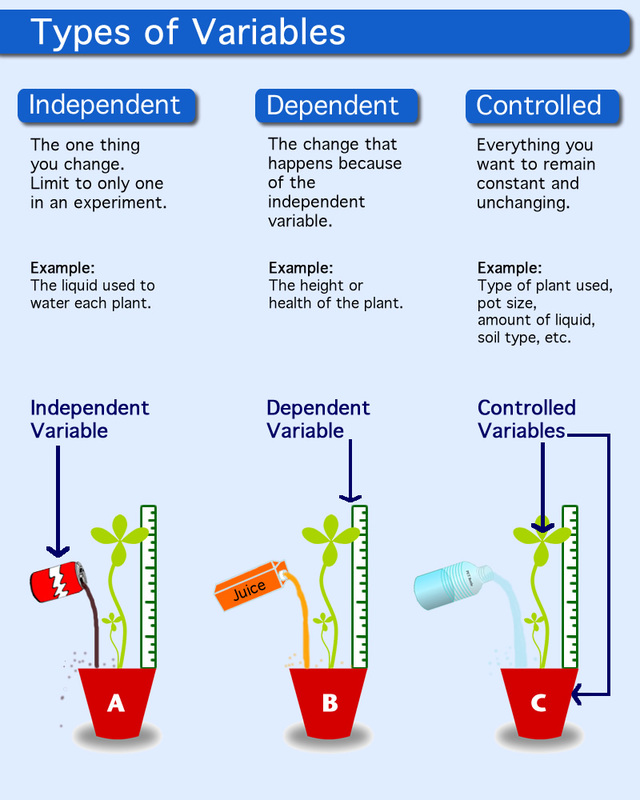
In the context of technology, a test variable is any characteristic, number, or quantity that can be measured or changed. In software engineering and data science, we generally categorize these into three primary types: independent, dependent, and controlled variables.
Defining the Variable in an Experimental Context
A test variable is not merely a piece of data; it is a functional component of a hypothesis. When engineers run a test, they are essentially asking, “Does Variable A affect Outcome B?” To answer this, they must isolate Variable A. For example, if a developer wants to see if a new compression algorithm speeds up data transfer, the “algorithm type” is the test variable. Everything else—the network speed, the file size, and the hardware—must remain consistent to ensure the results are valid.
Independent vs. Dependent Variables
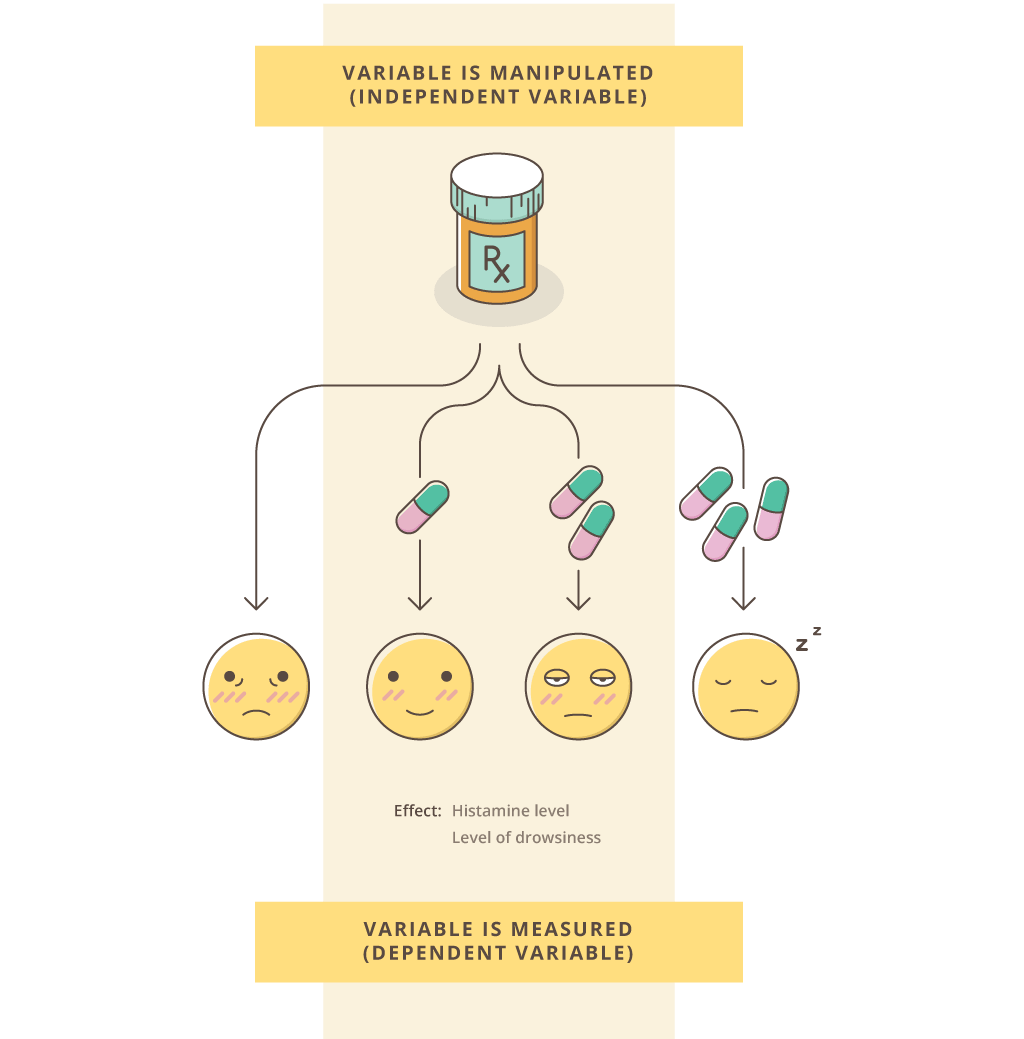
The independent variable is the one you change. In a tech tutorial scenario, this might be a line of code or a specific configuration setting in a cloud environment. You manipulate this variable to observe the effect.
The dependent variable is the outcome. It is the metric that “depends” on the change you made. If you are testing software performance, your dependent variable might be “latency” or “CPU utilization.” In the tech world, we monitor the dependent variable using logs, analytics dashboards, and monitoring tools like Prometheus or Datadog.
Controlled Variables and the “Noise” Factor
Controlled variables are the elements that remain constant. In digital security testing, for instance, if you are testing a firewall’s response to a specific type of SQL injection, you must keep the server environment and the attack volume constant. If you change multiple things at once, you introduce “noise,” making it impossible to determine which change caused the result.
The Role of Test Variables in Software Development
In the software development lifecycle (SDLC), test variables are used to ensure that code is robust, scalable, and secure. This is most evident in unit testing and integration testing.
Unit Testing and Parameterized Variables
Modern software development relies heavily on automated unit testing. Here, test variables often take the form of parameters. A developer might write a function to calculate tax. To test this function, they use a “test variable” representing different income levels.
By using parameterized testing, developers can run the same test logic multiple times with different variables. This ensures the software handles “edge cases”—such as zero values or extremely high numbers—without breaking. This systematic manipulation of variables is what separates professional software from amateur scripts.
Environmental Variables in Deployment
In the world of DevOps and cloud computing, “environmental variables” are a specific type of test variable used to manage different stages of a product’s life. A software application might behave differently in a “Development” environment versus a “Production” environment.
By treating the environment itself as a variable, tech teams can test how software interacts with different database versions, API keys, and security protocols. This allows for “blue-green deployments” where variables are swapped in real-time to ensure zero downtime.
Debugging through Variable Isolation
When a bug occurs in a complex system, the developer’s job is to isolate the variable causing the failure. This process, often called “binary search debugging,” involves systematically changing one variable at a time until the error is reproduced. By narrowing down the test variables, the tech team can identify whether the issue lies in the code, the third-party API, or the user’s specific browser configuration.
Test Variables in A/B Testing and UX Optimization
For software companies and app developers, the user experience (UX) is a critical technical frontier. A/B testing (or split testing) is the gold standard for making data-driven decisions about feature rollouts.

Isolating Changes for Data Accuracy
In an A/B test, the test variable is usually a single feature of the user interface. It could be the color of a “Sign Up” button, the placement of a navigation menu, or the wording of a push notification. To get accurate tech insights, only one variable should be changed between “Version A” (the control) and “Version B” (the variant).
If a tech team changes both the button color and the header text at the same time, they won’t know which variable caused the increase in user engagement. This isolation is vital for tutorials and case studies that aim to show the efficacy of a specific UI/UX design choice.
Measuring Impact through Control Groups
The use of a control group is essential when dealing with test variables in the tech space. A control group experiences the “status quo” (no change in variables). By comparing the data from the control group against the variant group, engineers can calculate the “lift” or improvement. This is heavily utilized by apps like Netflix or Spotify when they test new recommendation algorithms on a small subset of their user base before a global rollout.
Multivariate Testing (MVT)
For more advanced tech stacks, developers use Multivariate Testing. Unlike A/B testing which focuses on one variable, MVT tests multiple variables simultaneously to see how they interact. For example, how does a specific video resolution variable interact with a user’s bandwidth variable? This requires sophisticated statistical tools and AI-driven analytics to untangle the complex relationships between multiple test variables.
Advanced Applications: Test Variables in AI and Machine Learning
The field of Artificial Intelligence (AI) takes the concept of test variables to a much deeper level. In machine learning (ML), variables are the lifeblood of model training and validation.
Hyperparameters as Test Variables
In machine learning, “hyperparameters” are the configuration variables that developers set before the learning process begins. These might include the “learning rate,” the “number of layers” in a neural network, or “batch size.”
Testing these variables is known as Hyperparameter Tuning. Data scientists run dozens of experiments, treating these settings as test variables to find the perfect combination that yields the highest accuracy. Tools like Optuna or Ray Tune automate this process, essentially “testing” thousands of variable combinations to optimize the AI tool.
Validation Sets and Model Performance
When training an AI, the data is usually split into training, validation, and test sets. The “test set” provides the variables that the AI has never seen before. By observing how the model handles these new variables, engineers can determine if the AI has truly “learned” or if it has simply “memorized” the training data (a problem known as overfitting). Here, the test variable is the input data itself, used to verify the reliability of the algorithm.
Feature Engineering and Variable Selection
Feature engineering is the process of selecting which variables (features) from a dataset are the most important for an AI model. For instance, in a predictive maintenance app for industrial gadgets, which variable is a better predictor of failure: the temperature of the machine or the vibration frequency? Tech professionals use “variable importance” scores to prune away useless data, ensuring their AI tools are lean, fast, and accurate.
Best Practices for Managing Test Variables
To ensure that tech reviews, tutorials, and developments are accurate, certain best practices must be followed when handling test variables.
Minimizing Confounding Factors
A confounding factor is an “unseen” variable that influences both the independent and dependent variables, leading to a false conclusion. In digital security reviews, if you are testing the speed of a VPN but your local ISP is experiencing an outage, the ISP’s performance is a confounding factor. Tech professionals must use “clean room” environments—virtual machines or isolated cloud instances—to minimize these external variables.
Documentation and Reproducibility
In the tech community, a test is only as good as its documentation. Every test variable must be logged. If a developer discovers a security vulnerability, they must document the exact variables (OS version, software build, network protocols) used to find it. This allows other researchers to reproduce the test. Version control systems like Git are essential here, as they allow teams to track changes in variables over time.
Automation and Scalability
Manually changing variables is prone to human error. Modern tech stacks utilize Automated Testing Frameworks (like Selenium, Cypress, or PyTest) to manage test variables. These tools can automatically cycle through thousands of variable combinations, checking for security flaws, performance bottlenecks, and UI glitches much faster than a human could.
Conclusion: The Variable is the Key to Innovation
In the world of technology, from the simplest app to the most complex AI, the “test variable” is the primary tool for discovery. By isolating, manipulating, and measuring these variables, tech professionals can transform a vague idea into a robust, high-performing product.
Understanding the relationship between independent, dependent, and controlled variables allows developers to build software that doesn’t just work, but excels. Whether you are optimizing a cloud server, training a neural network, or conducting a security audit, your success depends on your mastery of the test variable. In an industry defined by change, the ability to scientifically measure that change is the ultimate competitive advantage.
aViewFromTheCave is a participant in the Amazon Services LLC Associates Program, an affiliate advertising program designed to provide a means for sites to earn advertising fees by advertising and linking to Amazon.com. Amazon, the Amazon logo, AmazonSupply, and the AmazonSupply logo are trademarks of Amazon.com, Inc. or its affiliates. As an Amazon Associate we earn affiliate commissions from qualifying purchases.