
In an age dominated by digital interfaces and instant readouts, the triple beam scale stands as a testament to enduring mechanical ingenuity. While modern technology offers sophisticated solutions for nearly every measurement need, this classic instrument retains its prominence, especially in environments where reliability, precision, and foundational understanding are paramount. Far from being a relic of the past, the triple beam scale serves a crucial role in education, scientific research, and various industries, offering a tangible, battery-free method for determining mass with remarkable accuracy. This article delves into the specific applications and inherent value of the triple beam scale, exploring its connection to technology, education, finance, and even brand integrity in a world increasingly reliant on precise data.
Understanding the Enduring Technology: The Mechanics Behind Precision
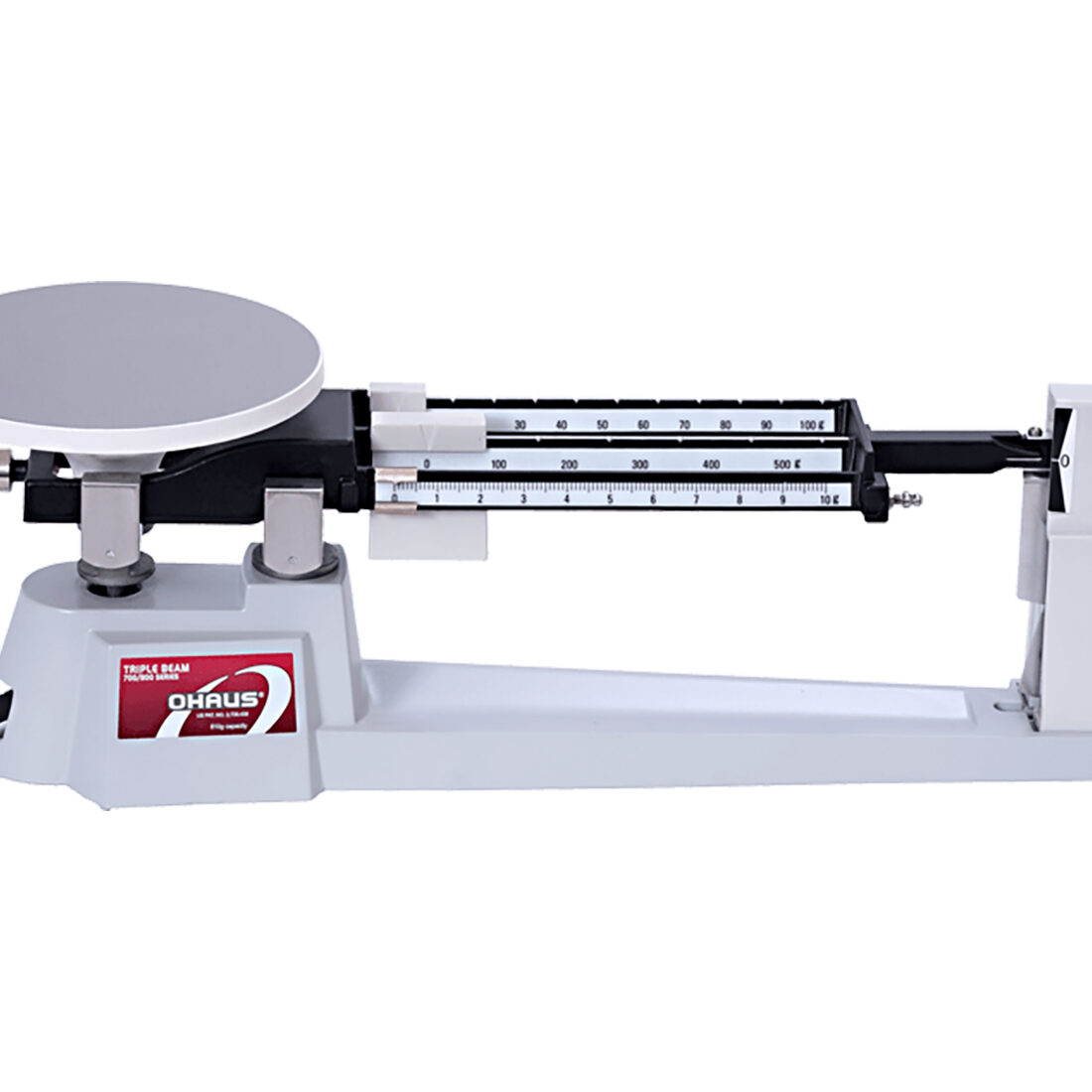
At its core, a triple beam scale is an elegant piece of mechanical technology designed to measure mass using a system of counterweights and levers. Its ability to provide consistent and accurate measurements without electricity or complex digital components is a primary reason for its continued relevance.
A Legacy of Accuracy: How It Works
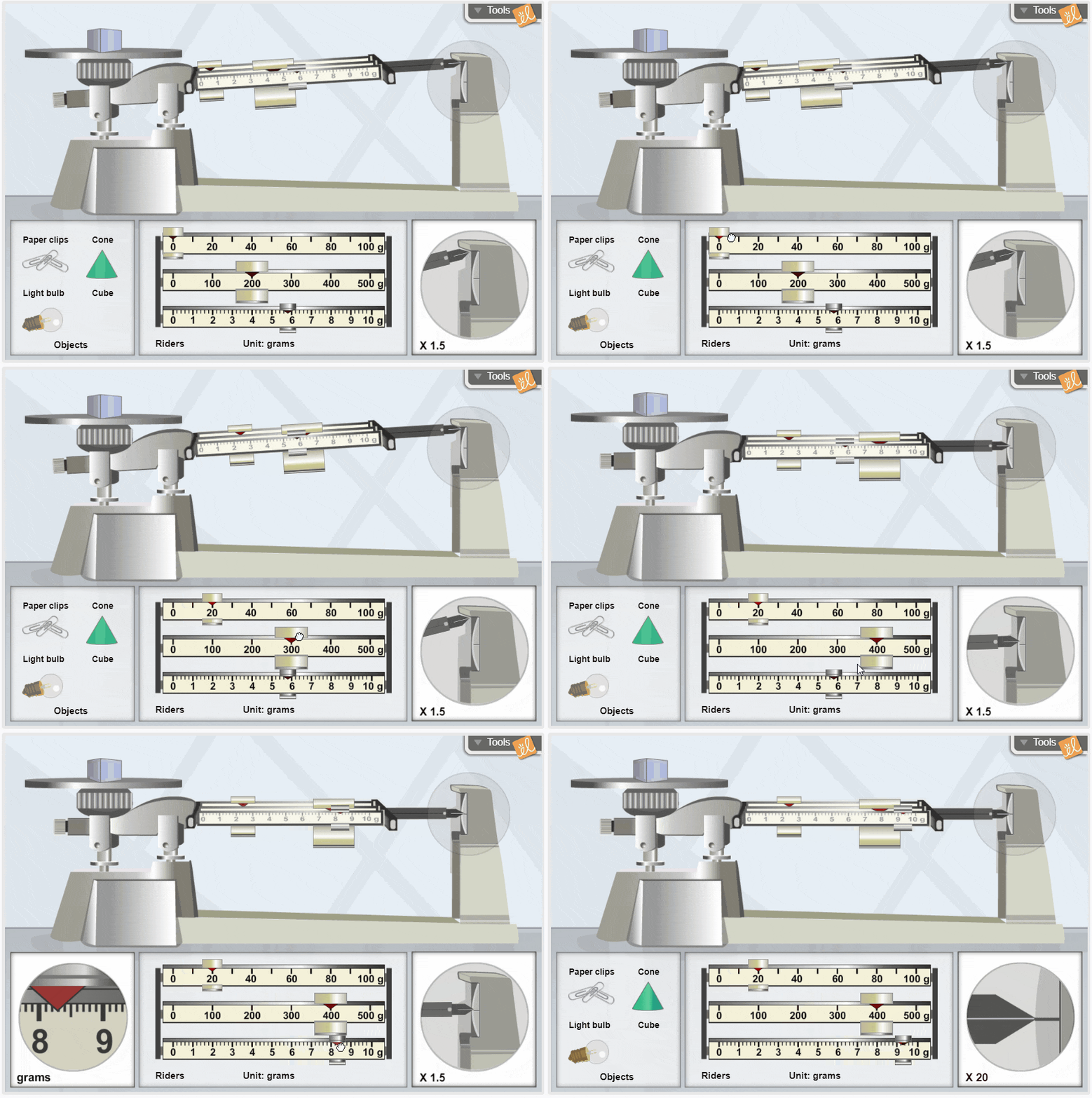
The fundamental principle behind a triple beam scale is the balancing act of a lever. A pan, where the object to be weighed is placed, sits on one side of a fulcrum. On the other side, three parallel beams, each equipped with a movable weight (or “rider”), extend. These beams are calibrated to represent different magnitudes of mass: typically, one beam measures in large increments (e.g., 100 grams), another in medium increments (e.g., 10 grams), and the third in fine increments (e.g., 0.1 grams or 0.01 grams).
To measure an object, the user places it on the pan and then slides the riders along the beams until the pointer on the right side of the scale aligns perfectly with the zero mark on the body. This state of equilibrium signifies that the mass of the object on the pan is precisely balanced by the combined mass indicated by the positions of the three riders. The total mass is then calculated by adding the values from each beam. This process offers a tactile and visual learning experience, contrasting sharply with the ‘black box’ nature of digital scales where a numerical readout simply appears. The scale’s inherent mechanical stability means that, once properly zeroed, it is highly resistant to calibration drift, providing dependable results even after years of use.
Key Features and Benefits (The “Tech” Angle)
From a technological perspective, the triple beam scale showcases the power of robust, low-tech solutions. Its design prioritizes durability and longevity. Unlike digital scales, which can be susceptible to electromagnetic interference, power fluctuations, or battery failures, a triple beam scale operates purely on physical principles. This makes it incredibly reliable in challenging environments where power sources might be unstable or unavailable.
Its construction is typically robust, often featuring heavy-duty metal components that can withstand significant wear and tear in busy lab or classroom settings. This translates into a highly cost-effective piece of equipment over its lifespan, requiring minimal maintenance and no consumables like batteries. The visual and hands-on nature of setting the weights also reinforces concepts of measurement and estimation, providing a valuable educational tool. While digital scales offer speed and digital integration, the triple beam scale offers an unparalleled combination of robustness, long-term reliability, and a foundational understanding of measurement that modern technology sometimes obscures. Its simplicity is its strength, offering a reliable, consistent measurement device that stands the test of time and technological advancement.
Primary Applications: Where Accuracy Matters Most
The unique characteristics of the triple beam scale make it indispensable in several sectors, particularly where the tactile process of measurement is as important as the result itself, or where environmental robustness is key.
Educational Institutions (Bridging Tech & Learning)
Perhaps the most common environment for a triple beam scale is the science classroom. In physics, chemistry, and biology labs from middle school to college, these scales are fundamental teaching tools. They provide students with a hands-on method to understand the concepts of mass, weight, and density. By manually adjusting the riders and achieving balance, students gain an intuitive grasp of how measurement works, developing critical thinking skills that purely digital readouts might not foster.
This direct interaction helps demystify the process of weighing, making scientific principles more tangible. Students learn about precision, significant figures, and the importance of proper measurement techniques—skills that are foundational for any STEM field. The durability of these scales also makes them ideal for busy classrooms, capable of withstanding hundreds of student uses over many years without losing accuracy or requiring frequent recalibration, making them a wise long-term investment for school budgets.
Scientific Research and Laboratories (Precision in Practice)
Beyond education, triple beam scales find widespread use in professional scientific and industrial laboratories. While high-precision analytical balances are used for extremely small masses, triple beam scales are excellent for tasks requiring moderate to high accuracy, especially for masses ranging from a few grams up to several kilograms.
Chemists use them to weigh out reagents for experiments, ensuring precise quantities are used to achieve desired reactions. Biologists might weigh culture media components, tissue samples, or other biological materials. In physics labs, they are essential for experiments involving mass and force. Furthermore, in industrial quality control settings, these scales ensure that product components meet specific weight requirements, contributing to consistency and reliability in manufacturing processes. Their ability to function without electricity is also a major advantage in field research or in labs where power outages are a concern, providing an uninterrupted means of measurement.
Specialized Industries and Everyday Uses (Beyond the Lab)
The utility of a triple beam scale extends into various niche industries and even some surprising everyday applications where precise, reliable measurement is critical.
For jewelers and craftspeople, a triple beam scale can be invaluable for weighing precious metals, gemstones, or components for intricate designs. In small-batch manufacturing, such as soap making, candle making, or creating herbal remedies, precise ratios of ingredients are crucial for product quality and consistency. Here, the triple beam scale provides the necessary accuracy without the need for sophisticated (and often more expensive) digital equipment.
Small businesses involved in packaging or portion control might also utilize these scales to ensure consistent product quantities, which directly impacts profitability and customer satisfaction. Even in some culinary applications, particularly in professional kitchens or specialized baking, precise mass measurements are preferred over volumetric measurements, and a triple beam scale can fill this role for certain ingredients. Its versatility and reliability make it a practical tool for anyone needing dependable mass measurement outside of the most stringent laboratory conditions.
Triple Beam Scales in a Modern World: Tech, Education, and Business Synergies
In a landscape increasingly dominated by digital solutions, it’s worth examining how the triple beam scale fits into contemporary trends, offering unique advantages that complement, rather than simply compete with, newer technologies.
The Digital vs. Analog Debate (Technology Trends)
The comparison between triple beam and digital scales often sparks a debate about analog versus digital technology. Digital scales offer rapid readouts, often higher precision for very small masses, and the ability to connect to computers for data logging. They are excellent for speed and for tasks requiring very fine measurements or integration into automated systems.
However, the triple beam scale excels where digital falls short. It requires no power, making it impervious to electrical failures and suitable for field use. It is significantly more durable and less prone to damage from harsh environments or rough handling. Its robustness makes it a “set it and forget it” tool for many years. For educational purposes, the tactile process of balancing the beams offers a superior learning experience, solidifying the principles of measurement in a way a digital display cannot. Therefore, rather than being obsolete, the triple beam scale represents a specialized, robust technology that complements digital solutions, offering a reliable alternative for specific use cases and a foundational learning tool. Understanding when to choose each type of scale is a key aspect of technological literacy.
An Investment in Learning and Longevity (Money & Productivity)
From a financial perspective, a triple beam scale represents an excellent investment, particularly for educational institutions or small businesses. While the initial cost might be comparable to, or even slightly higher than, some basic digital scales, its long-term cost of ownership is significantly lower. There are no batteries to replace, no intricate electronic components to repair, and minimal calibration required beyond initial zeroing. This longevity translates into substantial savings over years, making it a highly productive asset that doesn’t incur ongoing operational costs.
For educational budgets, this durability is a major advantage, as a single triple beam scale can serve countless students over decades. In business, its unwavering reliability ensures consistent measurements, which directly impacts product quality and inventory management, thereby enhancing productivity and reducing waste. This aspect ties directly into smart money management, demonstrating that sometimes, the simpler, more robust technology offers the best return on investment in the long run.
Branding Through Precision: Quality Control & Reputation (Brand)
In any business, brand reputation is inextricably linked to product quality and consistency. This is where the seemingly humble triple beam scale plays an understated yet critical role. In manufacturing, pharmaceuticals, food production, or even artisanal crafts, precise measurement of ingredients and components is fundamental to achieving a consistent, high-quality end product.
A business that relies on accurate weighing, even for basic ingredients or components, can ensure that every batch of its product meets defined specifications. This consistency builds consumer trust and strengthens brand loyalty. Imagine a bakery where the same recipe yields wildly different results due to inconsistent ingredient weights, or a chemical company whose purity standards fluctuate. Such inconsistencies erode brand confidence. The triple beam scale, by providing dependable and accurate measurements, contributes to stringent quality control processes, directly supporting a brand’s commitment to excellence and reliability. It’s a tool that helps maintain the integrity of what a brand promises to deliver.
Choosing and Maintaining Your Scale: An Investment in Precision
To maximize the value and lifespan of a triple beam scale, proper selection and care are essential. It’s an investment that, with the right approach, can serve reliably for many years.
Factors to Consider When Acquiring (Tech & Money)
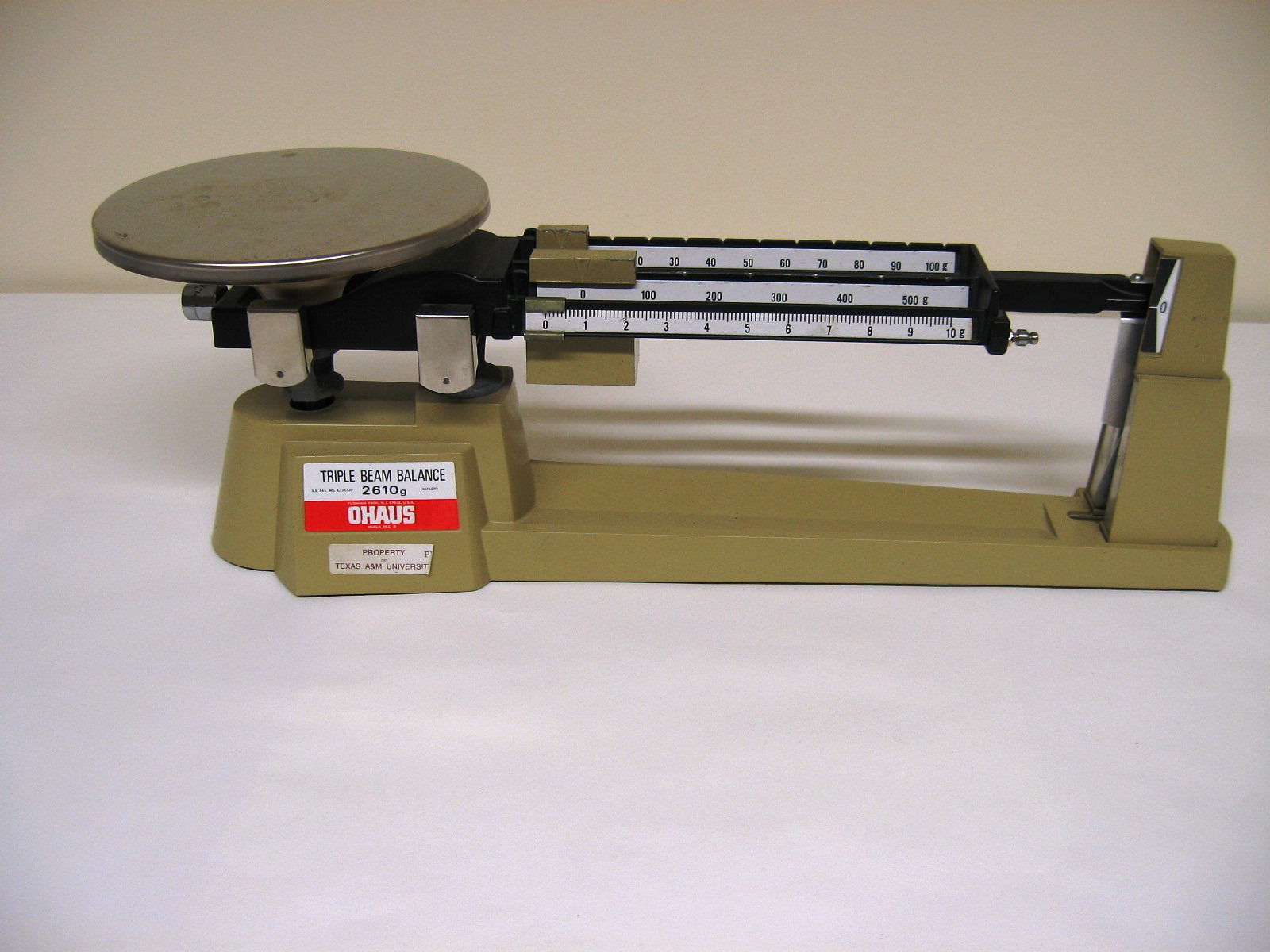
When selecting a triple beam scale, several technical and financial considerations come into play. Firstly, assess the capacity and readability you require. Scales come in various capacities (e.g., 610g, 2610g) and different levels of precision (typically down to 0.1g or 0.01g). Choose one that comfortably accommodates the maximum mass you intend to measure and offers the necessary granularity for your applications.
Secondly, consider the manufacturer’s reputation. Brands like Ohaus have long been recognized for their quality and durability in the realm of laboratory equipment. Investing in a reputable brand often means superior construction, better long-term accuracy, and readily available parts or support, contributing to its “brand” appeal in the scientific community. Thirdly, evaluate the material quality and construction. Look for scales with robust metal bodies and precision-machined components to ensure longevity. Finally, while cost-effectiveness is a benefit, be prepared to invest in a quality instrument; cheap alternatives may compromise accuracy and durability. Balancing these factors ensures you acquire a tool that precisely meets your needs without unnecessary expenditure.
Best Practices for Longevity and Accuracy (Productivity & Tech)
Maintaining a triple beam scale is straightforward, but adherence to best practices will ensure its accuracy and extend its lifespan, enhancing productivity over time.
- Proper Handling and Storage: Always handle the scale with care. Avoid dropping it or subjecting it to harsh impacts. Store it in a clean, dry place, away from corrosive chemicals or extreme temperature fluctuations. Many scales come with a lock mechanism to secure the pan and beams during transport or storage, preventing damage to the delicate pivot points.
- Regular Cleaning: Dust, spilled chemicals, or debris can interfere with the scale’s delicate balance and movement of the riders. Wipe down the scale regularly with a soft, dry cloth. For more stubborn grime, a mild cleaner can be used, ensuring no liquid enters the internal mechanisms.
- Zeroing Before Each Use: This is crucial for accurate measurements. Before placing any object on the pan, ensure all riders are at their zero positions and the pointer aligns perfectly with the zero mark. If not, use the zero adjustment knob (usually located at the left end of the beams) to bring it into alignment. This simple step is fundamental to obtaining reliable results and is a key “productivity hack” for consistent measurement.
- Avoiding Overloading: Never place an object that exceeds the scale’s maximum capacity. Overloading can bend the beams, damage the pivot points, and permanently impair the scale’s accuracy.
- Minimizing Vibrations: Place the scale on a stable, level surface, away from sources of vibration, which can affect the pointer’s stability and the accuracy of the reading.
By following these simple guidelines, a triple beam scale can provide decades of accurate and reliable service, proving its worth as a fundamental tool that bridges traditional mechanical precision with modern demands for data and quality. Its enduring utility underscores its place as an invaluable asset in a wide array of fields.
aViewFromTheCave is a participant in the Amazon Services LLC Associates Program, an affiliate advertising program designed to provide a means for sites to earn advertising fees by advertising and linking to Amazon.com. Amazon, the Amazon logo, AmazonSupply, and the AmazonSupply logo are trademarks of Amazon.com, Inc. or its affiliates. As an Amazon Associate we earn affiliate commissions from qualifying purchases.