
In the traditional practice of law, the legal memo was often viewed as a static, paper-bound document—a dense collection of citations and analysis tucked away in a physical file. However, as the legal industry undergoes a profound digital transformation, the definition and execution of the legal memo have shifted. Today, a legal memo is not just a summary of laws; it is a piece of high-tech intellectual property, a collaborative digital asset, and an output increasingly augmented by artificial intelligence.
Understanding what a legal memo is requires looking through the lens of modern LegalTech. It is the fundamental building block of legal strategy, now powered by advanced software, cloud computing, and predictive analytics. For the modern legal professional or technologist, the legal memo represents the intersection of human reasoning and machine efficiency.

The Foundation: Defining the Legal Memo in the Modern Era
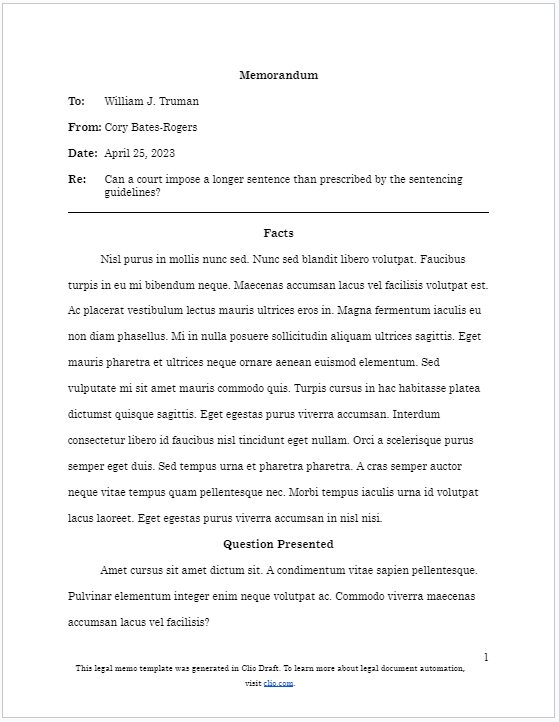
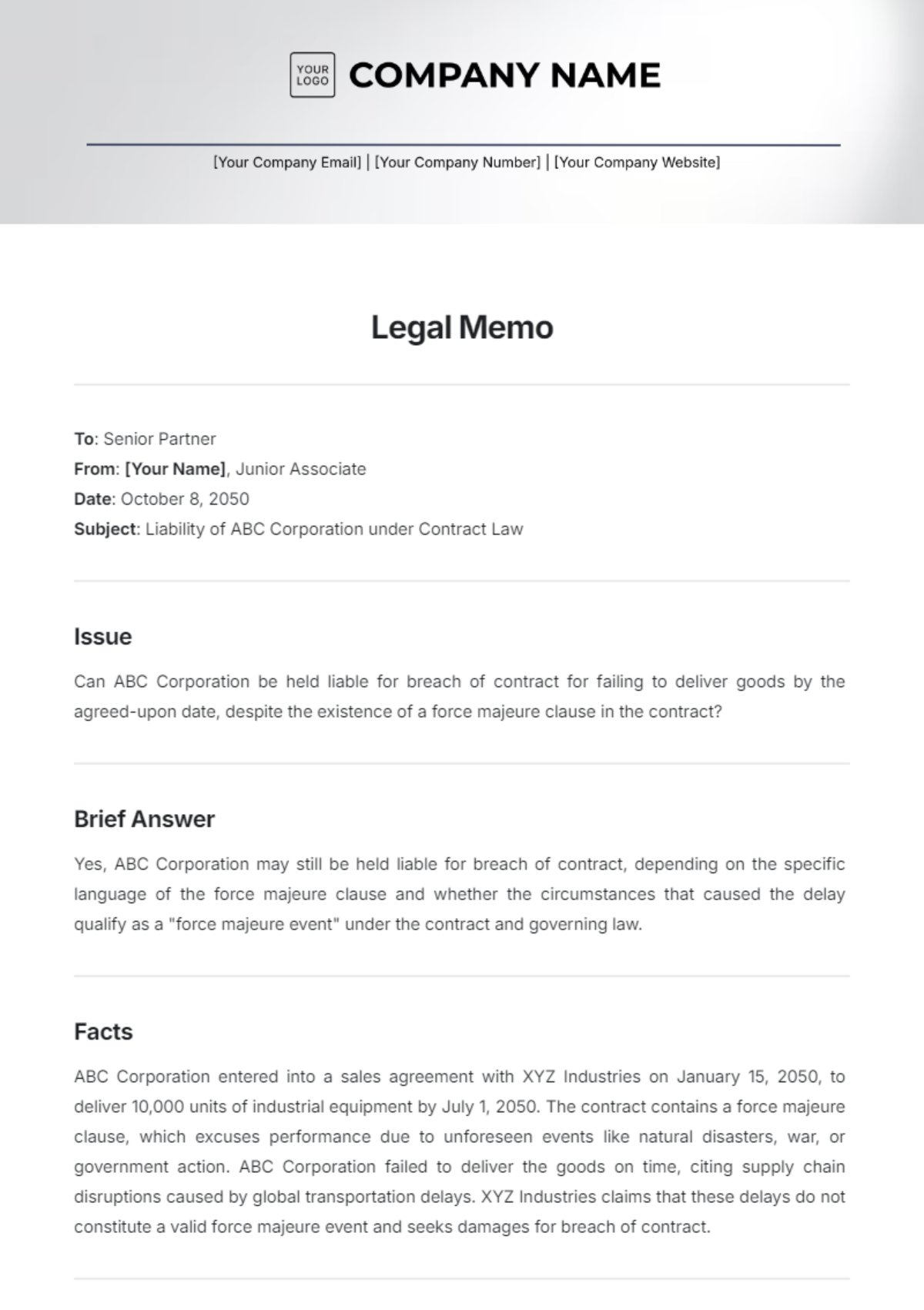
At its core, a legal memo—or legal memorandum—is a document used by legal professionals to analyze a specific legal issue. It serves as an objective assessment of how the law applies to a particular set of facts. While its primary purpose remains rooted in providing a roadmap for decision-making, its digital architecture has changed how it is built and delivered.
Purpose and Core Function
The primary function of a legal memo is to inform. Unlike a brief, which is an advocacy document intended to persuade a judge, a memo is typically internal. It aims to identify the strengths and weaknesses of a client’s position. In the tech-integrated law firm, the memo acts as a “single source of truth.” It allows senior partners to make informed decisions without having to re-read hundreds of pages of primary source material. By utilizing document management systems (DMS), these memos are indexed and made searchable, turning individual pieces of research into a firm-wide knowledge base.
Internal vs. External Communication
While most memos are internal, designed for colleagues or senior partners, “opinion letters” function as external memos for clients. Technology has blurred these lines through the use of client portals. Instead of sending a static PDF via email, modern firms provide clients with access to interactive legal analysis platforms. This transparency allows the legal memo to function as a dynamic advisory tool rather than a one-off report.
The Digital Transformation: LegalTech and the Drafting Process
The days of manually flipping through “Yellow Books” or physical reporters are over. The modern legal memo is born in a digital-first environment where software dictates the speed and accuracy of the drafting process.
Cloud-Based Collaborative Drafting
The evolution of the legal memo has been significantly influenced by cloud-based productivity suites like Microsoft 365 and specialized LegalTech platforms such as Clio or NetDocuments. Collaboration is no longer linear; it is simultaneous. Multiple associates can contribute to different sections of a memo—one focusing on the “Statement of Facts,” another on the “Discussion”—while senior counsel provides real-time feedback through tracked changes and digital annotations. This collaborative tech stack ensures that the memo is a living document, constantly updated as new evidence or case law emerges.
Template Libraries and Standardization Software
Efficiency is the cornerstone of the modern legal tech industry. Drafting a memo from scratch is no longer economically viable for many firms. Advanced document automation tools (such as HotDocs or Woodpecker) allow lawyers to use standardized templates that pull data directly from case management software. By automating the formatting, citation styles (Bluebook), and structural elements of the memo, legal professionals can focus their cognitive energy on the high-level analysis of the legal “Issue” and “Conclusion,” rather than the administrative burden of layout.
The AI Revolution: Automating Legal Research and Analysis
Perhaps the most significant shift in the world of legal memos is the integration of Generative AI and Large Language Models (LLMs). Artificial Intelligence is not just a tool for spelling and grammar; it is becoming a co-pilot in the analytical process itself.
Generative AI and Draft Summarization
The “Discussion” section of a legal memo requires synthesizing vast amounts of case law. Tools like Casetext’s CoCounsel or Harvey AI can now process thousands of pages of discovery documents or court opinions in seconds. When asked to draft a preliminary legal memo, these AI tools can identify relevant precedents, summarize the holding of a case, and suggest how it might apply to the current matter. While a human lawyer must still verify the “hallucination-free” accuracy of the output, the time to produce a first draft has been reduced from days to minutes.
Predictive Analytics in Case Law
Technology has introduced a “predictive” element to the legal memo. Platforms like Lexis+ or Westlaw Precision use data analytics to track the behavior of specific judges or the success rates of certain legal arguments in specific jurisdictions. A modern legal memo now frequently includes a “Data Analysis” subsection, where the writer uses tech-driven insights to predict the percentage of success for a motion. This data-driven approach transforms the memo from a subjective opinion into a sophisticated, evidence-based strategic forecast.
Security and Data Integrity in Digital Legal Documentation
As the legal memo has moved from the filing cabinet to the cloud, the focus on digital security has become paramount. A legal memo contains highly sensitive, privileged information. Its digital existence necessitates a robust cybersecurity framework.
Encryption and Access Controls
To protect the attorney-client privilege inherent in a legal memo, firms employ end-to-end encryption. Modern LegalTech platforms utilize SOC2-compliant servers and multi-factor authentication (MFA) to ensure that only authorized personnel can access the research. Furthermore, granular access controls allow firms to restrict access to a memo to specific team members, preventing internal data leaks and ensuring that “ethical walls” are maintained in high-profile cases.
Compliance and Audit Trails
In a digital environment, the history of a legal memo is as important as its content. Digital legal memos create an “audit trail”—a chronological record of who accessed the document, what changes were made, and when. This is crucial for regulatory compliance and for internal accountability. If a legal strategy fails, the firm can review the digital footprint of the memo to determine if the research was based on the most current data available at the time of drafting. This level of transparency was impossible in the era of paper memos.
The Future of the Legal Memo: From Static Document to Dynamic Insight
The trajectory of legal technology suggests that the legal memo will continue to evolve away from a traditional narrative format into a more interactive and modular experience.
Visual Legal Design and Infographics
There is a growing movement toward “Legal Design,” which uses technology to make legal information more accessible. The future legal memo may not be a 20-page text document. Instead, it could be a digital dashboard featuring interactive timelines, flowcharts of legal procedures, and embedded video summaries. By leveraging visualization software, lawyers can present their analysis in a way that is more intuitive for tech-savvy clients and stakeholders.
Real-Time Legal Intelligence
We are moving toward the era of the “Self-Updating Memo.” Imagine a legal memo connected to a live database via API. If a new Supreme Court ruling is issued that contradicts a precedent cited in the memo, the document could automatically flag the section as “outdated” and suggest an alternative case. This shift from a “point-in-time” analysis to “real-time intelligence” represents the ultimate goal of LegalTech integration.
In conclusion, a legal memo is much more than a summary of law; it is the fundamental unit of legal work, now revitalized by the power of technology. From the initial research phase powered by AI to the secure, cloud-based delivery of the final analysis, the legal memo is a testament to how the legal profession is embracing the digital age. As software continues to advance, the legal memo will remain the gold standard for strategic analysis, ensuring that legal professionals can deliver faster, more accurate, and more secure insights than ever before.
aViewFromTheCave is a participant in the Amazon Services LLC Associates Program, an affiliate advertising program designed to provide a means for sites to earn advertising fees by advertising and linking to Amazon.com. Amazon, the Amazon logo, AmazonSupply, and the AmazonSupply logo are trademarks of Amazon.com, Inc. or its affiliates. As an Amazon Associate we earn affiliate commissions from qualifying purchases.