
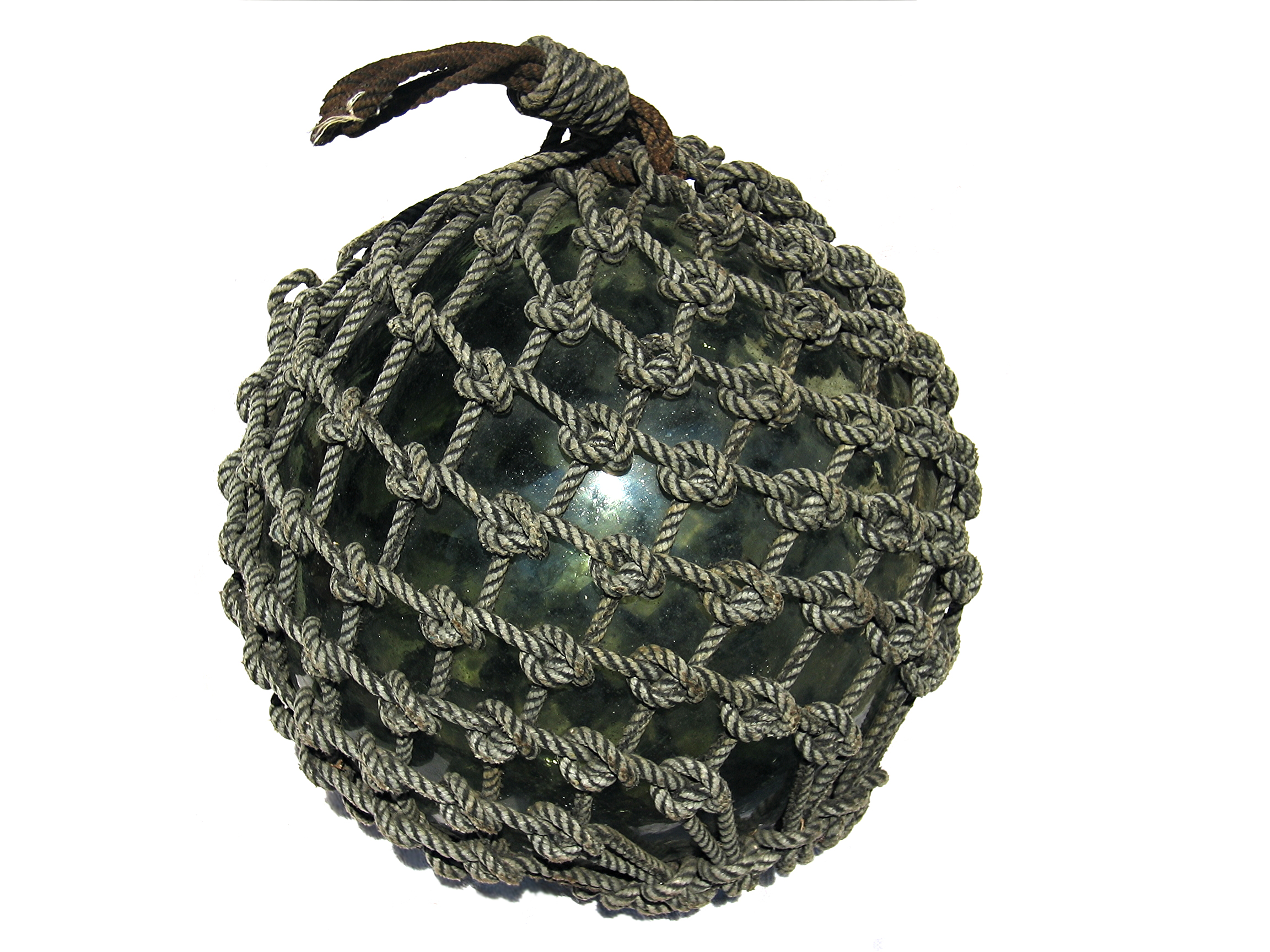
In the modern financial landscape, investors are increasingly looking beyond traditional equities and bonds to find stability and growth. While gold, real estate, and cryptocurrencies often dominate the conversation regarding alternative assets, a niche yet highly lucrative market exists within the world of maritime antiquities. Specifically, the “glass float”—once a utilitarian tool for the global fishing industry—has emerged as a significant asset for collectors and resellers alike. To the uninitiated, a glass float is simply a hollow glass sphere used to keep fishing nets buoyant. To the savvy investor, it represents a finite resource with a clear trajectory of appreciation driven by scarcity, historical significance, and aesthetic demand.
Understanding the Market for Maritime Antiquities
The transition of an object from an industrial necessity to a high-value collectible is a classic study in market dynamics. For much of the 20th century, glass floats were mass-produced, primarily in Japan and Norway, to support deep-sea netting operations. However, the introduction of plastic and aluminum floats in the 1970s rendered glass obsolete. This pivot created a hard cap on supply, which is the primary driver of value in any collectible market.
The Transition from Industrial Utility to High-Value Collectible
The financial allure of glass floats lies in their transition from “trash” to “treasure.” During the mid-20th century, thousands of these spheres would break loose from nets and drift across the Pacific, often washing up on the shores of Alaska, Hawaii, and the Pacific Northwest. Initially, they were gathered by beachcombers as curiosities. However, as the glass industry moved away from hand-blown production, these items became historical artifacts. Today, the market treats glass floats not as maritime debris, but as “art-adjacent” investments. Their value is no longer tied to their ability to float a net, but to their provenance, age, and the craftsmanship of the glassblowers who created them.
Market Buoyancy: Why Demand Outstrips Supply
The demand for glass floats is fueled by a combination of interior design trends, historical preservation, and a growing community of specialized investors. Unlike modern mass-produced decor, authentic glass floats possess an intrinsic “story” that adds a premium to their price tag. Furthermore, because these items are fragile and no longer in production, the total number of extant floats decreases every year due to breakage. In economic terms, we are looking at a shrinking supply curve meeting a steady or rising demand curve, which is a fundamental recipe for capital appreciation.
Identifying Value: A Guide for the Investor and Reseller
Investing in glass floats requires the same level of due diligence as investing in numismatics or fine wine. Not all glass floats are created equal, and the ability to distinguish a common $20 sphere from a $2,000 investment-grade asset is what separates the amateur from the professional.
Origin and Authenticity: Japanese vs. European Floats
Japanese glass floats, often referred to as bin-dama, are the gold standard in the investment community. They are typically identifiable by their distinct shades of “Coke-bottle” green or aqua, resulting from recycled sake bottles. European floats, while also valuable, often lack the diverse range of markings found on Japanese versions. For an investor, the presence of a “maker’s mark”—a stamped kanji character or logo on the sealing button—can increase the value of a float by several hundred percent. These marks allow for the verification of the specific glassworks where the item was produced, providing the “audit trail” necessary for high-value transactions.
Color, Markings, and Condition: The ROI of Aesthetics
In the world of alternative assets, rarity is the ultimate currency. While the majority of floats are green or clear, those found in shades of cobalt blue, amethyst, or canary yellow are exceedingly rare. Red and orange floats, which required the use of real gold in the glass-blowing process to achieve their hue, are the “blue-chip” assets of this niche. A single authentic red float can command thousands of dollars at auction.
Condition is another critical factor. A float with its original fiber netting intact (known as “authentic rigging”) carries a significant premium. The netting provides a tactile history of the object’s functional life, and for many high-net-worth collectors, the combination of weathered hemp and hand-blown glass represents a perfect intersection of history and art.

The Side Hustle Strategy: Sourcing and Flipping Glass Floats
For those looking to generate online income or start a specialized resale business, the glass float market offers high margins for those willing to put in the “sweat equity.” This is not a passive investment; it is a tactical side hustle that rewards expertise and sourcing persistence.
Beachcombing as a Low-Cost Acquisition Model
While rare, “wild” finds are still possible, particularly after major storms in the North Pacific. For residents of coastal regions, beachcombing represents a zero-cost acquisition strategy. A float found on a beach has a 100% profit margin when sold through specialized maritime auctions or digital marketplaces like eBay and Etsy. However, this model requires significant time and geographic proximity.
Online Arbitrage and Auction Management
A more scalable business model involves online arbitrage. This entails identifying undervalued floats on general marketplaces where the seller may not recognize the significance of a maker’s mark or a rare color. By purchasing these items and relisting them in specialized collector forums or high-end antique auctions, a reseller can realize significant gains. Professionalism in this niche involves high-quality macro photography—capturing the bubbles (seeds) within the glass and the detail of the pontil mark—which provides the buyer with the confidence needed to authorize a high-dollar purchase.
Portfolio Diversification through Tangible Assets
From a financial planning perspective, glass floats serve as a hedge against the volatility of the digital and paper-based markets. In an era of high inflation and currency fluctuation, holding wealth in physical assets with historical value provides a layer of security.
Hedging Against Inflation with “Art-Adjacent” Assets
Tangible assets like glass floats have a low correlation with the stock market. When the S&P 500 dips, the value of a rare 19th-century Norwegian float does not necessarily follow. These items represent “stored value.” Because they are no longer being manufactured, they do not suffer from the inflationary pressures that devalue fiat currency. They are, in essence, a “hard currency” of the maritime world.
Risks and Liquidity in the Maritime Collectible Niche
Every investment carries risk, and the glass float market is no exception. The primary risk is physical—glass is inherently fragile. A portfolio of glass floats requires climate-controlled storage and specialized insurance. Furthermore, liquidity is lower than that of stocks or crypto. You cannot liquidate a rare glass float at the click of a button; finding the right buyer at the right price can take weeks or months. Therefore, glass floats should be viewed as a medium-to-long-term hold within a diversified portfolio, rather than a source of emergency cash.

Long-Term Financial Outlook for the Glass Float Market
As we move further away from the industrial era of maritime history, the “mythology” and rarity of the glass float will only grow. We are currently seeing a demographic shift where younger collectors, interested in sustainability and “found objects,” are entering the market. This new wave of demand, coupled with a supply that can only decrease, suggests a bullish future for the glass float.
For the investor, the glass float is a reminder that value is often found in the most unexpected places. It is a testament to the fact that when utility ends, investment potential often begins. Whether you are a high-level investor looking to diversify into maritime antiquities or an entrepreneur seeking a high-margin side hustle, the glass float offers a unique opportunity to capitalize on the enduring value of history, craftsmanship, and scarcity. By applying rigorous financial analysis to this aesthetic niche, one can turn a simple glass sphere into a cornerstone of a creative and resilient investment portfolio.
aViewFromTheCave is a participant in the Amazon Services LLC Associates Program, an affiliate advertising program designed to provide a means for sites to earn advertising fees by advertising and linking to Amazon.com. Amazon, the Amazon logo, AmazonSupply, and the AmazonSupply logo are trademarks of Amazon.com, Inc. or its affiliates. As an Amazon Associate we earn affiliate commissions from qualifying purchases.