
For decades, the automotive industry was defined by incremental mechanical improvements. However, the dawn of the digital age and the urgent need for heightened efficiency have transformed the internal combustion engine (ICE) into a masterpiece of high-tech engineering. At the forefront of this transformation is Gasoline Direct Injection (GDI) technology. While the term might sound like automotive jargon, GDI represents a fundamental shift in how software, precision sensors, and high-pressure hardware converge to power modern vehicles.
A GDI motor is more than just a mechanical component; it is a sophisticated system that integrates advanced thermodynamics with real-time computing. By moving the fuel delivery system directly into the combustion chamber, engineers have unlocked new levels of power density and fuel economy that were previously thought impossible for gasoline engines. To understand the significance of GDI, we must look at it through the lens of modern technological trends, exploring how it works, the digital infrastructure that manages it, and its place in an increasingly electrified world.
The Mechanics of Innovation: How GDI Technology Works
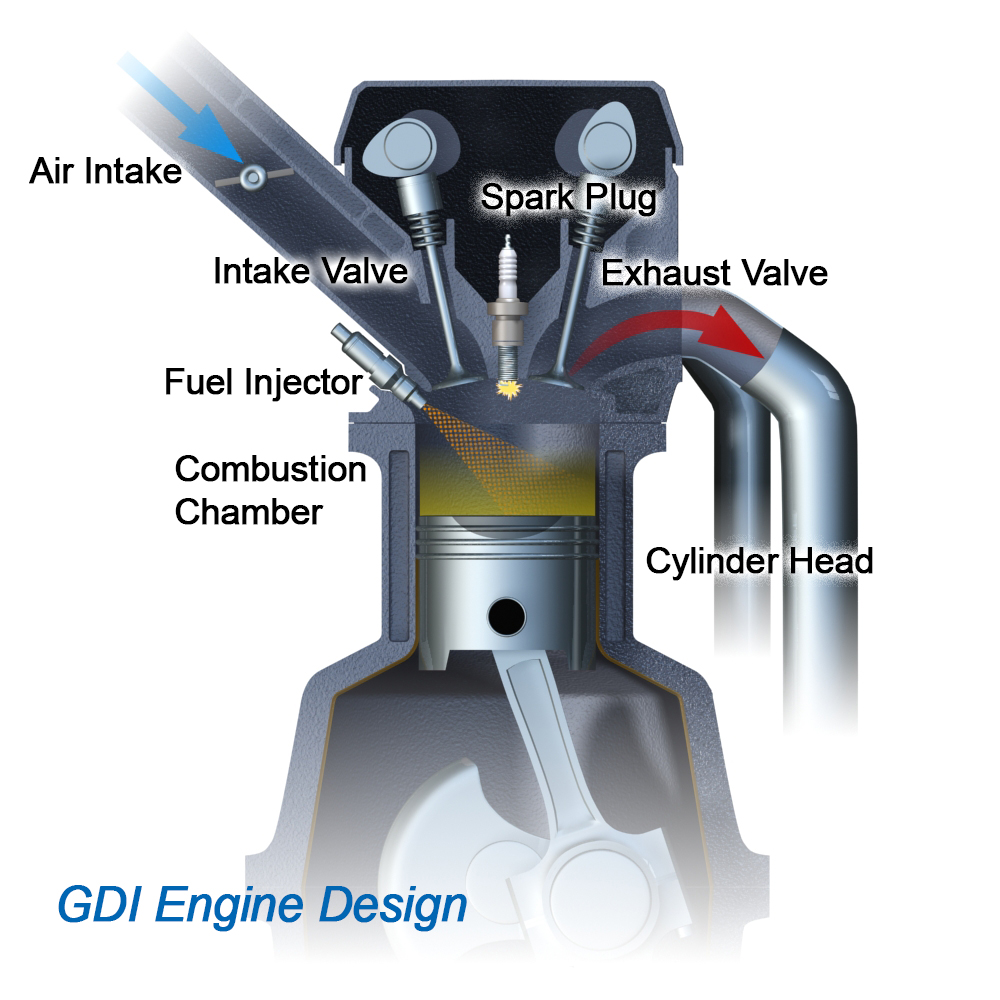
To appreciate GDI, one must first understand the “legacy” system it replaced: Multi-Port Injection (MPI). In older systems, fuel was injected into the intake manifold or the intake port, where it mixed with air before entering the cylinder. While reliable, this method was imprecise. GDI changes the architecture entirely by injecting highly pressurized gasoline directly into the combustion chamber at the exact moment it is needed.
From Port Injection to Direct Precision
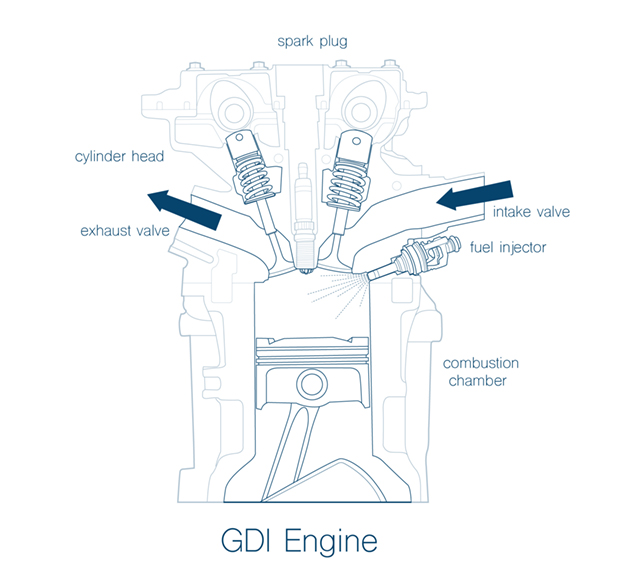
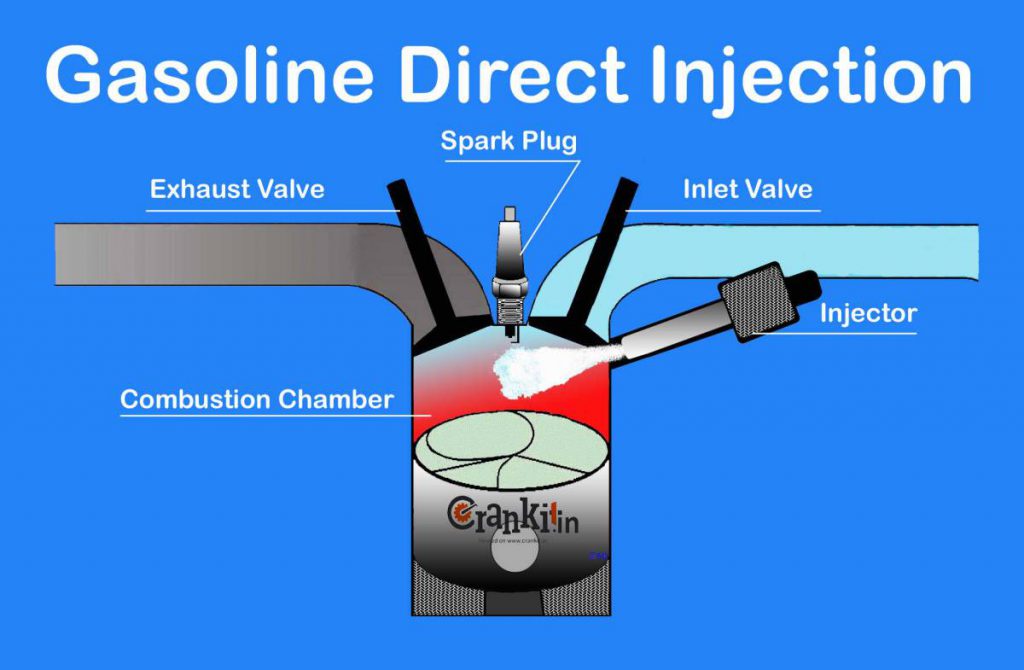
The primary technological leap in GDI is the location of the fuel injector. In a GDI motor, the injector sits inside the cylinder head, much like a spark plug. This allows for a “stratified charge” combustion process. At low loads, the engine can inject a small, concentrated burst of fuel right near the spark plug, surrounded by a larger volume of air. This enables the engine to run on a very “lean” mixture, significantly reducing fuel consumption during idling or cruising.
The Role of High-Pressure Fuel Rails
Precision requires pressure. While a standard port-injection system operates at around 40 to 60 PSI, a GDI system utilizes a high-pressure fuel pump (HPFP) driven by the camshaft to reach pressures between 2,000 and 5,000 PSI. This high pressure atomizes the fuel into a fine mist, increasing the surface area of the gasoline droplets. This technological refinement allows for a more complete and rapid burn, which translates directly into better throttle response and higher torque at lower RPMs.
The Digital Brain: ECU Calibration and Real-Time Sensor Integration
Hardware is only half the story. The true power of a GDI motor lies in its digital integration. In a modern vehicle, the GDI system is managed by a sophisticated Electronic Control Unit (ECU) that processes millions of data points every second. This transition from mechanical timing to algorithmic control is what places GDI firmly within the realm of high-tech hardware.
Algorithmic Fuel Mapping
The ECU in a GDI-equipped vehicle uses complex software maps to determine the timing and duration of each injection event. Unlike older systems that had a single injection per cycle, GDI allows for “split injection.” The software can command the injector to fire multiple times during a single intake and compression stroke. This level of granularity helps in cooling the cylinder (as the evaporating fuel absorbs heat) and ensures that the flame front propagates efficiently, preventing “knock” or pre-detonation.
Adaptive Learning and Performance Optimization
Modern GDI systems employ “closed-loop” logic. Oxygen sensors in the exhaust, knock sensors on the engine block, and mass airflow sensors at the intake provide constant feedback to the ECU. If the software detects a slight variation in fuel quality or air density, it instantly recalibrates the injection timing. This adaptive learning capability ensures that the motor maintains peak efficiency throughout its lifecycle, demonstrating how software-defined parameters have replaced static mechanical settings.
Why GDI Dominates the Current Tech Landscape
The push toward GDI technology was driven by two major tech trends: “downsizing” and “power density.” As global emissions standards became more stringent, manufacturers needed a way to produce the power of a V6 engine using a smaller, more efficient four-cylinder platform. GDI provided the technological foundation to make this possible.
Thermal Efficiency and Power Density
One of the greatest challenges in engine tech is heat management. Because GDI injects fuel directly into the cylinder, the fuel’s evaporation actually cools the combustion chamber. This “charge cooling” effect allows engineers to increase the compression ratio of the engine without risking damage. A higher compression ratio means more work is extracted from every drop of fuel, leading to superior thermal efficiency. In the tech world, we often talk about “doing more with less,” and GDI is the physical embodiment of that philosophy in the automotive sector.
Carbon Footprint and Emissions Control Technology
GDI is a critical tool in the quest for “Green Tech.” By optimizing the air-fuel mixture to such a precise degree, GDI motors produce fewer unburned hydrocarbons during steady-state driving. Furthermore, when paired with advanced catalytic converters and gasoline particulate filters (GPF), GDI engines can meet the incredibly tight Euro 6 and EPA Tier 3 emissions standards. This makes the GDI motor a vital bridge technology as the world transitions toward carbon neutrality.
Technical Challenges and Maintenance in the GDI Era
Every technological advancement brings a new set of trade-offs. While GDI offers significant performance and efficiency gains, it also introduces specific technical challenges that require a high-tech approach to maintenance.
Carbon Buildup and the PCV System
The most significant “bug” in GDI technology is carbon accumulation on the intake valves. In a port-injected engine, gasoline (which acts as a solvent) constantly washes over the intake valves, keeping them clean. In a GDI motor, the fuel never touches the back of the valve. Over time, oil vapors from the Positive Crankcase Ventilation (PCV) system can bake onto the hot intake valves, forming carbon deposits that restrict airflow. This is a classic example of an engineering side effect where solving one problem (efficiency) creates another (maintenance complexity).
High-Pressure Component Longevity
The mechanical stress on GDI components is immense. The high-pressure fuel pump and the injectors themselves are manufactured to tolerances measured in microns. Because these parts operate under such extreme pressure, they are sensitive to fuel quality and contaminants. Addressing these issues has led to the development of specialized “tech-grade” fuel additives and detergents designed specifically to handle the high temperatures and pressures of a direct-injection environment.
The Future of GDI in a Hybrid and Digital World
As we look toward the future of transportation, GDI is not being phased out; rather, it is being integrated into more complex technological ecosystems. The “Engine of the Future” is rarely a standalone unit; it is part of a hybrid powertrain.
Synergies with Turbocharging and Downsizing
The most common application of GDI today is in “T-GDI” (Turbocharged Gasoline Direct Injection) engines. Turbochargers use exhaust gases to force more air into the engine, and GDI provides the precision fuel delivery needed to manage that extra air. This combination is the industry standard for modern tech-forward vehicles, allowing a 1.5-liter engine to produce the same horsepower as a 3.0-liter engine from twenty years ago.
GDI as a Bridge to Electrification
In the tech landscape, we often see hybrid solutions that bridge the gap between old and new paradigms. GDI is the perfect partner for electric motors in Plug-in Hybrid Electric Vehicles (PHEVs). Because GDI engines can be started and stopped frequently while maintaining high efficiency, they serve as the ideal “range extender” for battery-electric systems.
The software integration between the GDI motor’s ECU and the hybrid’s Battery Management System (BMS) represents the pinnacle of current automotive technology. These systems work in tandem, using predictive algorithms to decide when to use the GDI motor for power and when to rely on stored electricity, often based on GPS data and driving patterns.
Conclusion
The GDI motor is a testament to the power of technological evolution. It has taken the century-old concept of the internal combustion engine and reimagined it for a digital, efficiency-obsessed era. Through the integration of high-pressure hardware, sophisticated software mapping, and real-time sensor feedback, GDI has extended the viability of gasoline power while significantly reducing its environmental impact.
While the automotive world moves toward a fully electric future, the technology housed within a GDI motor remains a critical benchmark of engineering excellence. It reminds us that progress is not always about replacing the old with the new, but rather about using modern tools—AI, precision manufacturing, and advanced software—to push the boundaries of what existing technology can achieve. Whether you are a tech enthusiast or a casual driver, the GDI motor represents the high-performance heart of the modern digital machine.
aViewFromTheCave is a participant in the Amazon Services LLC Associates Program, an affiliate advertising program designed to provide a means for sites to earn advertising fees by advertising and linking to Amazon.com. Amazon, the Amazon logo, AmazonSupply, and the AmazonSupply logo are trademarks of Amazon.com, Inc. or its affiliates. As an Amazon Associate we earn affiliate commissions from qualifying purchases.