
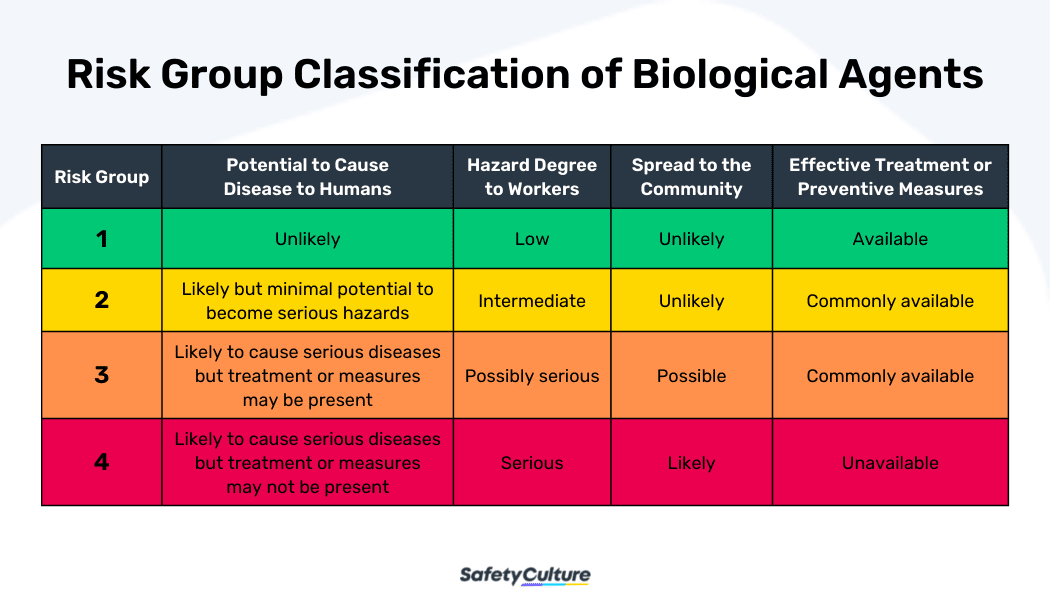
In the traditional sense, a biological agent refers to a bacterium, virus, protozoan, parasite, or fungus that can be used purposefully as a weapon in entomological warfare or biological terrorism. However, as we move further into the 21st century, the definition of a “biological agent” has evolved significantly within the tech sector. Today, a biological agent is increasingly viewed through the lens of information technology and engineering—a programmable entity governed by a genetic code that can be sequenced, analyzed, and synthesized.
This shift from viewing biology as a purely natural phenomenon to a technological frontier has birthed the field of synthetic biology. In this context, biological agents are the “hardware” upon which bio-engineers run “software” written in the language of DNA. Understanding what a biological agent is in the modern tech landscape requires an exploration of how we manipulate these entities using advanced computing, artificial intelligence, and high-throughput engineering.
The Evolution of Biological Agents: From Natural Entities to Programmable Assets
For decades, biological agents were primarily the concern of healthcare and defense. They were entities to be categorized, defended against, or cured. However, the digital revolution has fundamentally changed our relationship with these organisms. We no longer just observe biological agents; we design them.
DNA as the Ultimate Programming Language
At the core of every biological agent is DNA—a complex sequence of nucleotides that functions remarkably like binary code. While computers use 0s and 1s, biological systems use A, T, C, and G. The technological breakthrough of the last two decades has been the ability to “read” this code through high-speed sequencing and “write” it through synthetic DNA synthesis. When we look at a biological agent today, we are looking at a living packet of data that can be re-engineered to perform specific tasks, such as producing insulin, cleaning up oil spills, or even storing digital data.
The Rise of Synthetic Biology (SynBio)
Synthetic biology is the tech-driven evolution of genetic engineering. It applies engineering principles—standardization, modularity, and abstraction—to the creation of biological agents. In this ecosystem, biological agents are treated as “chassis” or platforms. Just as a software developer might use a specific operating system to build an app, a bio-engineer uses a specific microbial agent, like E. coli or yeast, as a chassis to host new genetic circuits. This transformation of biological agents into programmable tools is the cornerstone of the modern bio-economy.
The Role of Artificial Intelligence and Machine Learning in Biological Design
The complexity of biological agents is vast. A single cell contains millions of interacting molecules, making it difficult for human engineers to predict how changes to the genetic code will affect the overall system. This is where Artificial Intelligence (AI) and Machine Learning (ML) have become indispensable tools in the definition and manipulation of biological agents.
Predictive Modeling and Protein Folding
One of the greatest challenges in biotechnology was the “protein folding problem”—predicting the 3D structure of a protein based solely on its amino acid sequence. The structure of a protein determines its function within a biological agent. With the advent of AI tools like Google DeepMind’s AlphaFold, scientists can now predict these structures with incredible accuracy. This allows tech-driven labs to design custom biological agents with specific functional properties that do not exist in nature, effectively treating biology as a design space.
Generative Biology and Automated Discovery
Beyond just modeling existing structures, AI is now being used for “generative biology.” Much like Large Language Models (LLMs) can generate human-like text, generative AI models can now suggest novel DNA sequences to create biological agents with optimized traits. These AI systems analyze massive datasets of genomic information to identify patterns and “write” new genetic instructions. This integration of AI has accelerated the development cycle of biological agents from years to weeks, turning laboratories into high-speed iterations of tech “sprints.”

Biosecurity and Digital Defense: Protecting the Biological Perimeter
As biological agents become more integrated with digital technology, the risks associated with them have also evolved. The term “biological agent” now carries a dual meaning: it is both a tool for innovation and a potential cybersecurity vulnerability. The intersection of digital security and biological safety is a critical area of focus for the modern tech industry.
The Digital-to-Biological Convergence
One of the most significant security concerns in the tech world is the “digital-to-biological” bridge. This refers to the process where a biological agent is designed on a computer and then synthesized into a physical organism. Because genetic sequences can be shared digitally, there is a risk that malicious actors could bypass traditional border controls by emailing a digital “blueprint” of a harmful biological agent to a lab with a DNA synthesizer. To combat this, the tech industry has developed sophisticated screening software that scans every DNA synthesis order against databases of known pathogens.
Biosensors and Real-Time Monitoring
On the defensive side, technology is enabling the creation of advanced biosensors designed to detect biological agents in the environment. These sensors are essentially “Internet of Things” (IoT) devices for the biological world. Using microfluidics and CRISPR-based detection tech, these sensors can identify specific genetic signatures of biological agents in the air or water and transmit that data to a centralized cloud platform in real-time. This creates a digital “immune system” for cities and critical infrastructure, demonstrating how tech is being used to mitigate the inherent risks of biological agents.
The Future of Biocomputing and Biological Systems
The most radical interpretation of a biological agent in the tech niche involves moving beyond using biology for medicine or industry and instead using it as a form of hardware itself. This leads us to the burgeoning field of biocomputing, where biological agents are the components of the computer.
DNA Data Storage
The world is facing a data storage crisis, as we generate more information than our current silicon-based hardware can handle. Biological agents offer a potential solution. DNA is incredibly dense and stable, capable of storing vast amounts of data for thousands of years. Tech giants are currently researching ways to encode digital data (photos, videos, documents) into DNA sequences and store them within synthetic biological agents. In this scenario, the biological agent acts as a living hard drive—a biological storage solution that is far more efficient than any server farm.
Living Sensors and Bio-MEMS
Biological agents are also being integrated into Micro-Electro-Mechanical Systems (Bio-MEMS). By engineering cells to respond to specific chemicals or physical stimuli and then interfacing those cells with electronic circuits, engineers are creating “living sensors.” These hybrid systems combine the incredible sensitivity of biological agents with the processing power of traditional electronics. Whether it’s a chip that uses living neurons to process information or a sensor that uses engineered bacteria to detect explosives, the line between “biological agent” and “electronic component” is becoming increasingly blurred.
Conclusion: The Programmable Future of Life
In conclusion, a biological agent is no longer just a subject for microbiology textbooks; it is a fundamental unit of technology. From the code-like structure of DNA to the AI-driven design of synthetic organisms, biological agents are being integrated into the global tech ecosystem at an unprecedented rate.
As we continue to develop the tools to read, write, and edit the biological world, the distinction between “natural” and “artificial” will continue to fade. The future of technology is not just silicon and software; it is carbon and cytoplasm. By treating the biological agent as a programmable platform, we are opening the door to a new era of innovation—one where the solutions to our most pressing technological challenges may be found within the very fabric of life itself. The challenge for the tech industry moving forward will be to harness the immense power of these biological agents while building the robust digital and ethical frameworks necessary to manage them responsibly.
aViewFromTheCave is a participant in the Amazon Services LLC Associates Program, an affiliate advertising program designed to provide a means for sites to earn advertising fees by advertising and linking to Amazon.com. Amazon, the Amazon logo, AmazonSupply, and the AmazonSupply logo are trademarks of Amazon.com, Inc. or its affiliates. As an Amazon Associate we earn affiliate commissions from qualifying purchases.