
The landscape of modern animation has undergone a massive digital transformation over the last decade. As viewers move away from traditional cable models toward on-demand digital ecosystems, the question of where to find specific, high-quality content becomes more complex. For fans of the critically acclaimed series Steven Universe, navigating the fragmented world of streaming services requires an understanding of digital rights management (DRM), platform exclusivity, and the technological infrastructure of Video on Demand (VOD).
Whether you are a newcomer or a long-time fan looking to revisit the Crystal Gems, this guide provides a deep dive into the technical avenues available for streaming the series, the platforms hosting the content, and the hardware requirements for the best possible viewing experience.

Navigating the Streaming Landscape: Major Platforms and App Ecosystems
The availability of Steven Universe is largely dictated by licensing agreements between Warner Bros. Discovery (the parent company of Cartoon Network) and various streaming service providers. Because the show is a cornerstone of modern animation, it is distributed across several high-profile tech platforms, each offering different user interfaces and streaming capabilities.
Max (Formerly HBO Max)
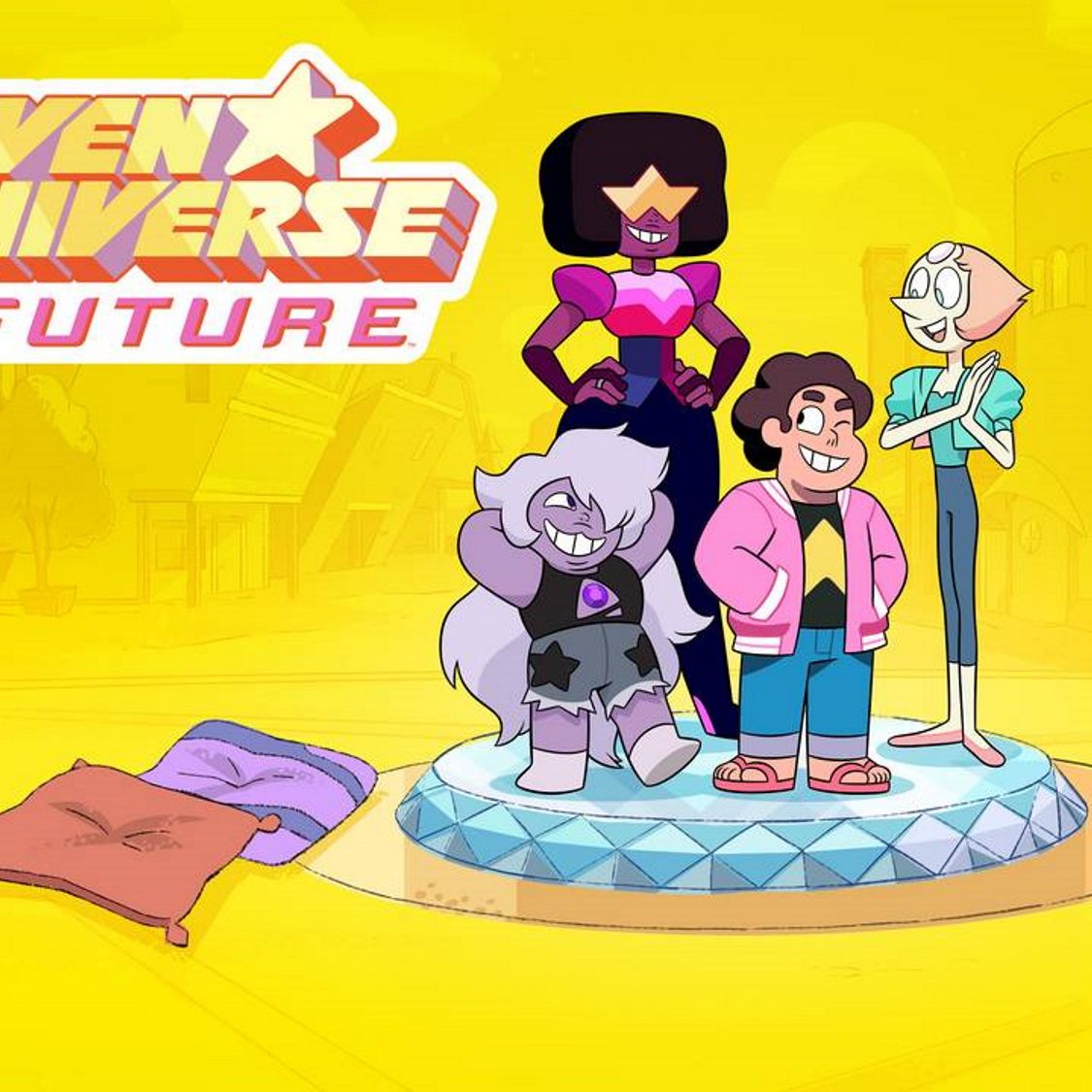
As the primary streaming hub for Warner Bros. Discovery content, Max is the most comprehensive technical platform for Steven Universe. From a software perspective, Max offers the entire original series (five seasons), the Steven Universe Movie, and the epilogue limited series, Steven Universe Future.
The Max app is built on a robust architecture that supports multi-user profiles and 1080p high-definition streaming for the show. For users integrated into the Apple, Android, or Amazon Fire TV ecosystems, Max provides a seamless “Continue Watching” feature that synchronizes metadata across devices. This means you can start an episode on your smartphone during a commute and resume exactly where you left off on your smart TV via the cloud-synced user data.
Hulu
Hulu remains a significant secondary player in the distribution of Steven Universe. However, from a content library standpoint, it is often more limited than Max. Historically, Hulu has hosted a selection of seasons (frequently seasons 1 through 4) due to legacy licensing deals.
Technically, Hulu’s interface is praised for its “Hulu Watch Party” feature, a synchronized playback tool that allows users in different locations to watch episodes simultaneously. For tech-savvy viewers looking to host digital viewing sessions, Hulu’s web-based and app-based synchronization protocols make it a preferred choice for community engagement, despite the potentially incomplete library.
Digital VOD Stores (Amazon, Apple TV, Google TV)
For those who prefer digital ownership over the subscription model (SVoD), Steven Universe is available for purchase through various Video on Demand (VOD) storefronts. These include the Amazon Prime Video Store, Apple TV (formerly iTunes), and Google TV.
The technical advantage of purchasing through these platforms is the bit-rate stability. While subscription services may throttle quality based on server load, purchased content on Apple TV often enjoys a higher peak bitrate, resulting in fewer compression artifacts during high-motion action sequences. Furthermore, these platforms allow for offline viewing via local encrypted downloads, which is essential for users with limited or unstable internet bandwidth.
Technical Requirements for High-Fidelity Viewing
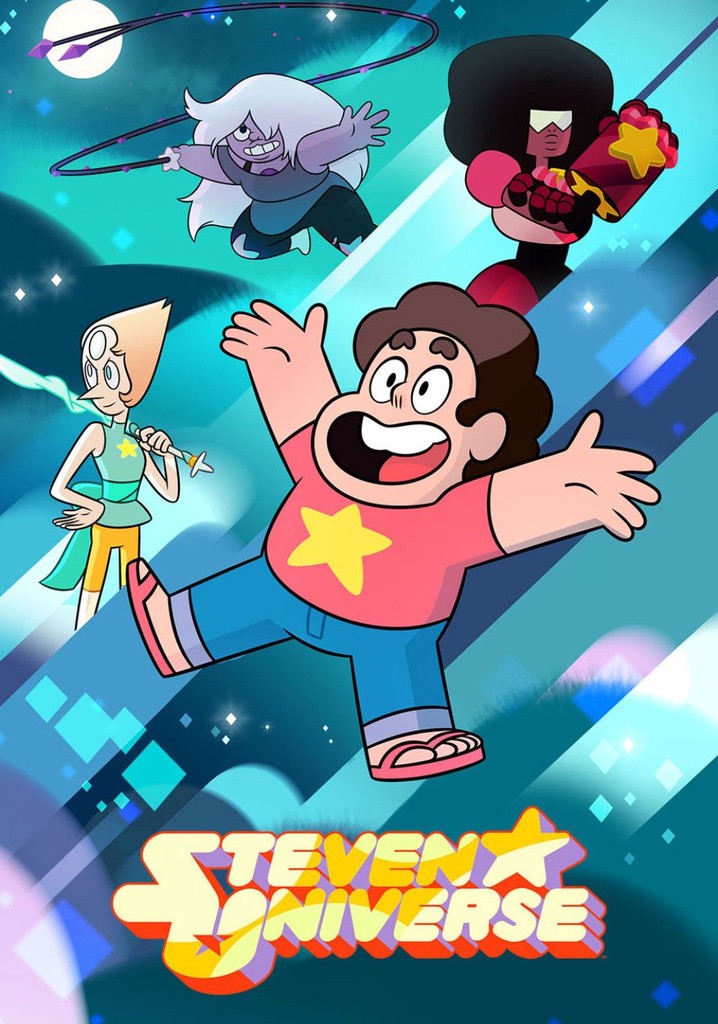
Streaming a visually vibrant show like Steven Universe—known for its pastel color palettes and intricate background art—requires more than just a subscription. To appreciate the technical artistry of the show, viewers must consider the hardware and software optimization of their setup.
Resolution and Codecs
While Steven Universe was originally broadcast in 1080p HD, the quality of the stream depends heavily on the video codec used by the platform. Most modern streaming apps utilize H.264 or the more efficient H.265 (HEVC) codec. When streaming via a dedicated device like a Roku Ultra or a Shield TV, the hardware acceleration ensures that the vibrant gradients of the show’s “Gem” aesthetics are rendered without “banding”—a common digital artifact where colors appear as distinct stripes rather than smooth transitions.
Device Compatibility and App Optimization
The experience of watching Steven Universe varies significantly between a web browser and a dedicated streaming app. Web browsers (like Chrome or Firefox) often limit streaming resolution to 720p for certain services due to Widevine DRM (Digital Rights Management) restrictions.
To achieve full 1080p clarity, it is recommended to use:
- Dedicated Smart TV Apps: LG WebOS, Samsung Tizen, or Android TV.
- Gaming Consoles: PlayStation 5 and Xbox Series X/S have dedicated apps that utilize the console’s GPU for upscaling and smoother playback.
- Mobile Devices: Modern OLED screens on smartphones provide the best contrast ratios for the show’s darker space-themed episodes.
Audio Tech: Beyond the Visuals
Steven Universe is as much a musical experience as a visual one. The series features a complex soundscape and an iconic soundtrack. To capture the full range of the audio, viewers should look for platforms that support Dolby Digital Plus 5.1. Using a high-quality DAC (Digital-to-Analog Converter) or a soundbar with clear mid-range frequencies will ensure that the show’s many songs and atmospheric scores are delivered with high fidelity.
Overcoming Regional Restrictions: The Tech of Global Content Access
One of the most frustrating hurdles for digital consumers is geo-blocking. Due to complex international distribution rights, Steven Universe might be available on Netflix in one country, Max in another, and completely unavailable in a third. This is where geospatial technology and network configurations come into play.
Understanding Geo-blocking and Licensing
Geo-blocking is a technical “fence” that uses your IP address to determine your physical location. If a platform like Max has not launched in your region, its servers will handshake with your device and deny access based on your regional metadata. This is not a limitation of the software itself, but a legal instruction embedded in the platform’s Content Delivery Network (CDN).
The Role of VPNs in Modern Streaming
Virtual Private Networks (VPNs) have become a standard tool for the tech-savvy viewer. By rerouting your internet traffic through a server located in a different country (such as the United States or the UK), a VPN masks your local IP address.
When choosing a VPN for streaming Steven Universe, technical specifications matter:
- Protocols: Look for WireGuard or OpenVPN for the fastest speeds to avoid buffering.
- Server Obfuscation: Some streaming services actively block known VPN IP ranges. High-end VPNs use obfuscated servers to hide the fact that you are using a proxy.
- Split Tunneling: This allows you to route your streaming app through the VPN while keeping your other internet activities (like banking) on your local connection.
Localized Platforms
In international markets, the “where to watch” answer shifts toward regional tech giants. In the UK, for example, the show is often found on the Sky Go app or Now TV. In Australia, BINGE is the primary distributor. Each of these apps has its own proprietary DRM and UI, often requiring regional hardware or a localized payment method (though third-party digital gift cards can sometimes bypass the latter).
The Future of Cloud-Based Animation Libraries
As we look toward the future of digital media, the way we “watch” shows like Steven Universe is shifting from static viewing to interactive, cloud-based experiences. The technology supporting these libraries is evolving to ensure that content remains accessible even as platforms merge or disappear.
Digital Longevity and the “Cloud Library”
One of the major concerns in the tech world is “digital rot” or the loss of access to content due to platform delisting. To mitigate this, many fans utilize the technology of “Movies Anywhere” or similar digital lockers. While Steven Universe (as a TV show) isn’t always eligible for these specific cross-platform lockers, the Steven Universe Movie often is. This technology allows a purchase on one platform (like Vudu) to automatically appear in your library on another (like Google Play), ensuring redundancy across the tech stack.
Social Integration and Meta-Data
Modern streaming is becoming increasingly social. New API integrations allow third-party apps to track your progress through Steven Universe and recommend similar content based on machine learning algorithms. Platforms like Trakt or TV Time sync with your streaming accounts via API, providing a data-driven look at your viewing habits.
Conclusion: Choosing Your Best Tech Path
To answer “what can I watch Steven Universe on,” one must evaluate their own tech ecosystem. If you value a complete library and cloud synchronization, Max is the definitive technical choice. If you prioritize ownership and high-bitrate playback, Apple TV or Amazon VOD are the superior paths. For those dealing with regional hurdles, a robust VPN paired with a global streaming service provides the necessary workaround.
In an era of digital fragmentation, the ability to stream your favorite content is a blend of understanding platform software, optimizing your hardware, and navigating the complexities of global network architecture. By leveraging the right apps and devices, you can ensure that your journey through the world of the Crystal Gems is as high-definition and seamless as the technology allows.
aViewFromTheCave is a participant in the Amazon Services LLC Associates Program, an affiliate advertising program designed to provide a means for sites to earn advertising fees by advertising and linking to Amazon.com. Amazon, the Amazon logo, AmazonSupply, and the AmazonSupply logo are trademarks of Amazon.com, Inc. or its affiliates. As an Amazon Associate we earn affiliate commissions from qualifying purchases.