
In the rapidly evolving landscape of the 21st century, the path to a high-impact career in technology is no longer restricted to the traditional four-year university route. As the digital economy demands specialized skills and agile learners, the Associate in Science (AS) degree has emerged as a powerhouse credential. Designed with a heavy emphasis on mathematics, analytical reasoning, and practical scientific application, an AS degree provides the technical scaffolding necessary to build a robust career in software, networking, and data systems.
For those looking to break into the tech sector, an Associate in Science serves as more than just a foundational education; it is a tactical entry point into some of the most resilient and high-paying roles in the modern workforce. This article explores the multifaceted capabilities of an AS degree, focusing on its role in software development, data science, cybersecurity, and the long-term trajectory of a technology professional.

Launching a Technical Career: Entry-Level Roles in Software and IT
The primary advantage of an Associate in Science degree is its focus on “hard skills.” Unlike an Associate of Arts, which may prioritize a broad liberal arts curriculum, the AS is structured to get students hands-on with the tools of the trade. In the tech sector, this translates to immediate employability in roles that keep the digital world turning.
Web Development and Front-End Engineering
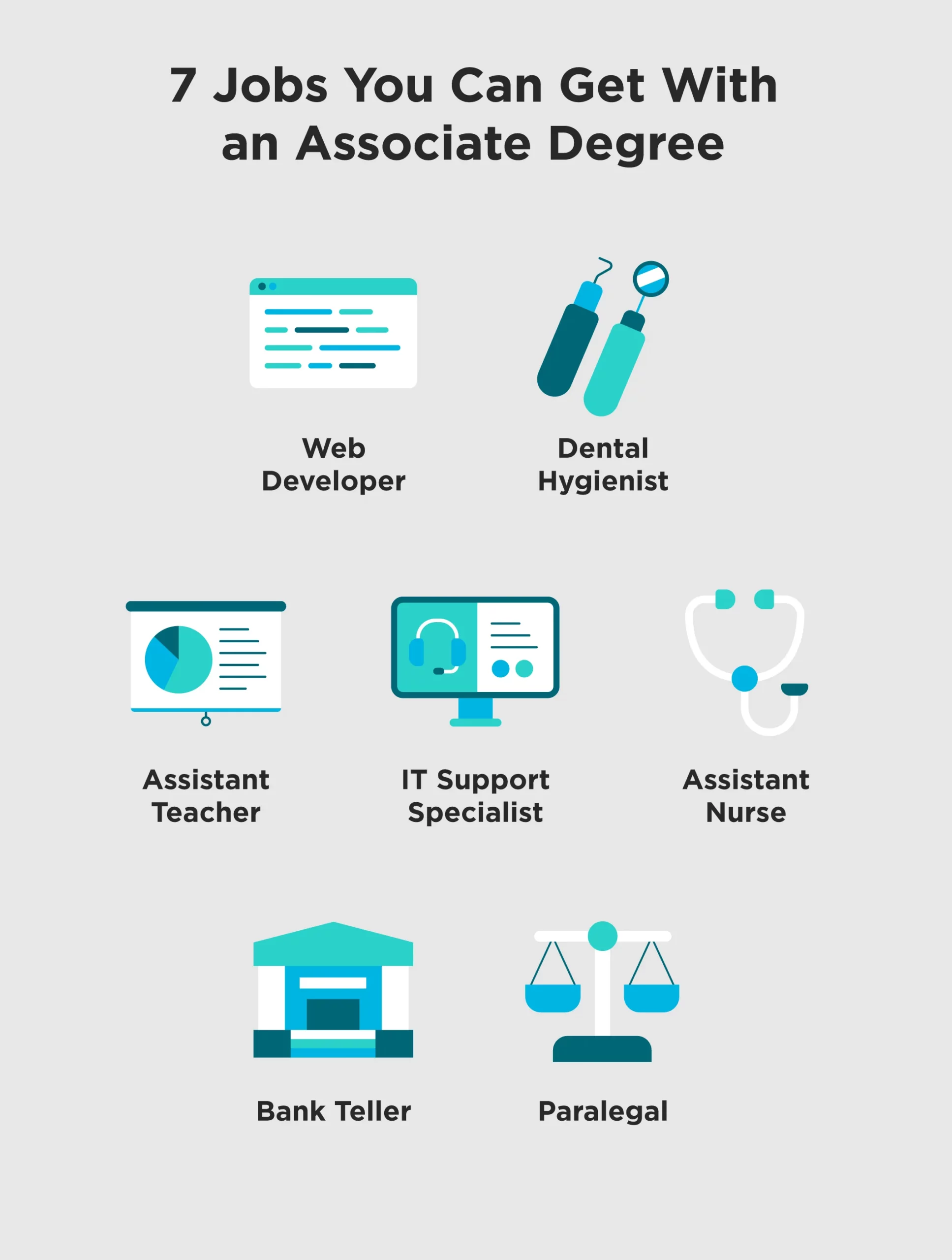
One of the most common pathways for AS graduates is web development. An AS program in Computer Science or Information Technology typically covers the core languages of the web: HTML5, CSS3, and JavaScript. Because the degree emphasizes logic and structured programming, graduates are well-equipped to handle the complexities of responsive design and browser compatibility.
In this role, an AS degree proves that the individual understands the Document Object Model (DOM) and asynchronous programming—concepts that are vital for modern frameworks like React or Vue.js. Companies often prioritize a candidate’s portfolio and their ability to solve logical problems over the length of their degree, making the AS a perfect “accelerator” into the engineering space.
Systems Administration and Network Support
For those interested in the “plumbing” of the internet, an AS degree provides a deep dive into networking protocols, server management, and hardware configuration. Understanding the OSI model, TCP/IP suites, and cloud infrastructure basics allows graduates to step into roles as Junior Systems Administrators or Network Technicians.
In these capacities, the degree holder is responsible for maintaining the integrity of a company’s local area networks (LANs) and wide area networks (WANs). As businesses move toward hybrid cloud models, the foundational knowledge of virtualization and shell scripting (such as Bash or PowerShell) gained during an AS program becomes an invaluable asset.
Specializing in the Future: Data Science and AI Foundations
We are currently living through a data revolution. From predictive analytics to the explosion of Generative AI, the ability to interpret and manipulate data is the most sought-after skill set in tech. An Associate in Science degree, with its rigorous mathematics requirement, provides the essential “grammar” needed to participate in this field.
Data Analysis and Statistical Computing
An AS degree often requires coursework in Calculus, Statistics, and Discrete Mathematics. These are not merely academic hurdles; they are the bedrock of data analysis. Graduates who focus their AS studies on Data Science learn how to use Python and R to clean, process, and visualize large datasets.
In a corporate environment, an AS graduate can serve as a Data Analyst, helping stakeholders make sense of user behavior, market trends, or operational inefficiencies. By mastering SQL (Structured Query Language) during their two-year program, these professionals can bridge the gap between raw database storage and actionable business intelligence.
Preparing for the AI Revolution
The rise of Artificial Intelligence has created a demand for “AI Technicians” and “Prompt Engineers” who understand the underlying logic of machine learning models. While deep research roles often require a Master’s or PhD, the implementation and maintenance of AI-driven applications are increasingly being handled by those with technical associate degrees.
An AS degree provides the prerequisite knowledge in linear algebra and algorithmic logic necessary to understand how neural networks function. This allows graduates to work alongside data scientists, helping to tune models, manage data pipelines, and integrate AI APIs into existing software products.
Securing the Digital Frontier: The Cybersecurity Pathway
As cyber threats become more sophisticated, the need for a skilled security workforce has reached a critical point. The Associate in Science in Cybersecurity or Information Assurance is designed to produce frontline defenders who can protect sensitive data and infrastructure.
Information Security Auditing
One of the most significant things an AS degree can do is prepare a student for the world of compliance and auditing. Modern tech firms must adhere to strict frameworks like SOC2, GDPR, or HIPAA. An AS program teaches the fundamentals of risk management, digital forensics, and policy enforcement.
Graduates in this niche often start as Security Operations Center (SOC) Analysts. Their job is to monitor network traffic for anomalies, respond to security alerts, and ensure that all software patches are up to date. The degree proves to employers that the candidate has the technical discipline to handle high-stakes environments where a single mistake can lead to a massive data breach.
Ethical Hacking and Threat Detection
Beyond passive defense, an AS degree often introduces students to the world of “Red Teaming” or ethical hacking. By understanding how vulnerabilities are exploited, students learn how to build more resilient systems. This involves learning about penetration testing tools, encryption standards, and the psychology of social engineering.
The practical nature of the AS degree means students often spend hundreds of hours in virtual labs, simulating attacks and defenses. This hands-on experience is exactly what tech recruiters look for when hiring for roles like Vulnerability Researcher or Junior Penetration Tester.
Maximizing Tech ROI: Transferability and Continuous Learning
In the technology world, a degree is often seen as the beginning of a lifelong learning journey rather than the final destination. The Associate in Science degree is uniquely positioned to offer high flexibility, allowing professionals to pivot as the market shifts.
Bridging to a Bachelor’s in Computer Science
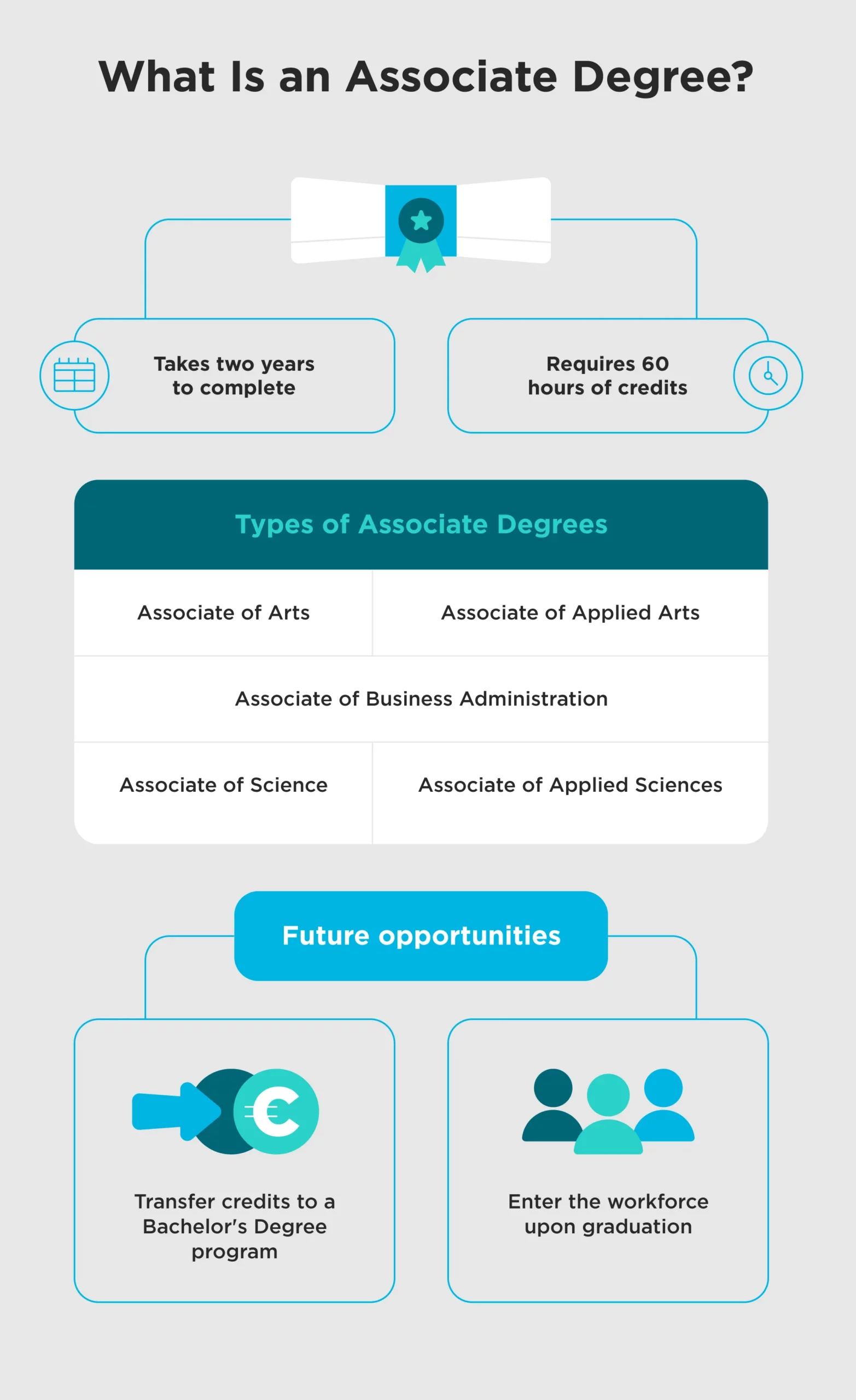
One of the most strategic uses of an AS degree is as a stepping stone. Many AS programs are “transfer-track,” meaning the credits are designed to move seamlessly into a four-year University program. This allows students to gain technical skills and enter the workforce after two years, often using employer-sponsored tuition assistance to complete their Bachelor of Science (BS) later.
This “2+2” model is highly effective in tech because it allows the student to gain professional experience while finishing their higher-level theory classes. In many cases, a candidate with an AS and two years of work experience is more valuable to a tech firm than a fresh BS graduate with no experience.
The Role of Certifications alongside the AS Degree
In the tech industry, certifications (like CompTIA A+, Cisco CCNA, or AWS Certified Solutions Architect) are the currency of the realm. An Associate in Science degree provides the theoretical framework that makes passing these certification exams significantly easier.
The degree provides the “Why,” while certifications provide the “What.” When combined, they create a powerful professional profile. For example, an AS degree holder who also possesses a Google Data Analytics Certificate or a Microsoft Azure certification is a formidable candidate for cloud engineering roles. The degree provides the academic weight, while the certification proves mastery of a specific, vendor-controlled ecosystem.
Conclusion: The Versatility of the Associate in Science
The question of “what can an associate in science degree do” finds its most compelling answer within the technology sector. It acts as a high-speed lane into the digital economy, providing a specialized blend of mathematical theory and practical application. Whether it is coding the next great application, securing a corporate network against global threats, or analyzing the data that drives modern commerce, the AS degree is a foundational asset.
In an industry that values “what you can do” as much as “what you know,” the AS degree stands out as a pragmatic, rigorous, and highly adaptable credential. It offers the rare opportunity to enter a high-growth field with minimal debt and maximum upward mobility, proving that in the world of technology, a two-year investment can yield a lifetime of innovation.
aViewFromTheCave is a participant in the Amazon Services LLC Associates Program, an affiliate advertising program designed to provide a means for sites to earn advertising fees by advertising and linking to Amazon.com. Amazon, the Amazon logo, AmazonSupply, and the AmazonSupply logo are trademarks of Amazon.com, Inc. or its affiliates. As an Amazon Associate we earn affiliate commissions from qualifying purchases.