
In the saturated landscape of modern marketing, where consumers are bombarded with thousands of images daily, the traditional “hard sell” commercial photograph often loses its efficacy. To cut through the noise, sophisticated brands are turning toward a more nuanced, narrative-driven approach: editorial photography. But what exactly are editorial photos, and why have they become the cornerstone of high-level brand strategy?
At its core, editorial photography is an image-making style that prioritizes storytelling, mood, and context over direct product promotion. While a commercial photo says, “Buy this product,” an editorial photo says, “Imagine this life.” For brands, this distinction is the difference between being a commodity and being a cultural icon.
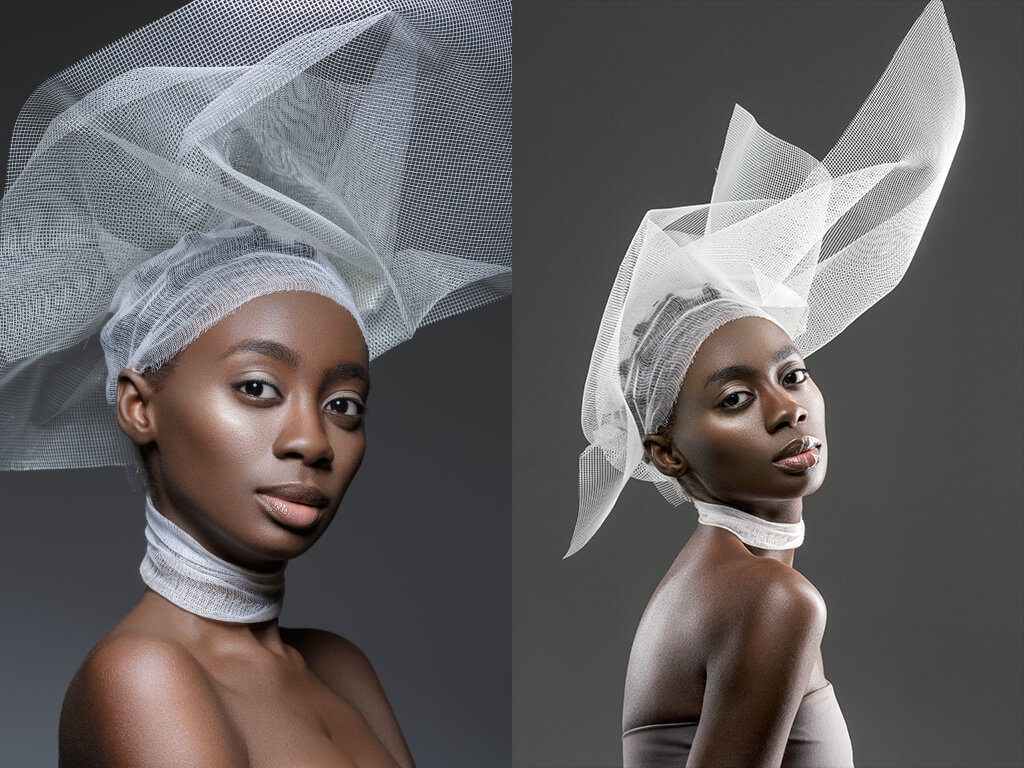
Defining the Editorial Aesthetic: Narrative Over Sales
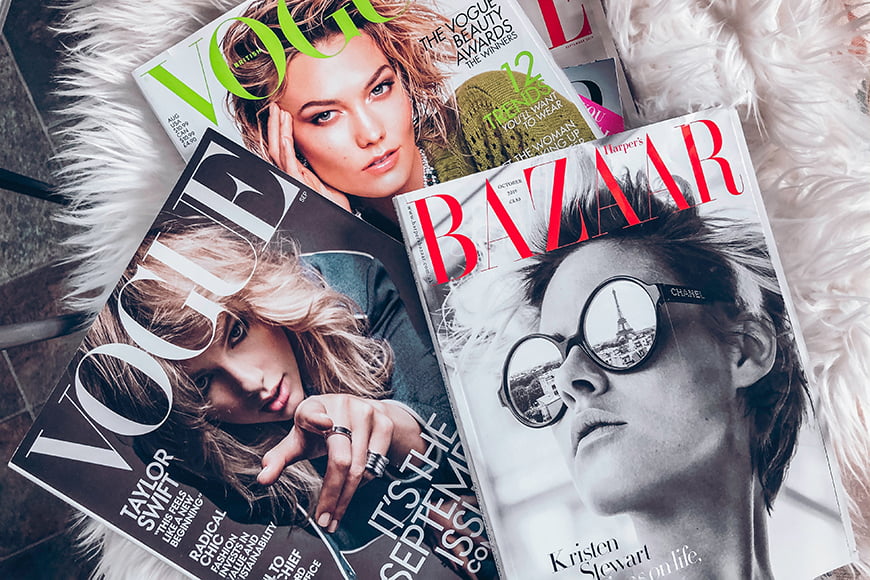
To understand editorial photos, one must first distinguish them from their commercial counterparts. In the world of branding, the “editorial” label refers to the style popularized by magazines—think Vogue, GQ, or Kinfolk. These images are designed to accompany a story or illustrate a concept.
The Difference Between Editorial and Commercial Photography
The primary difference lies in the objective. Commercial photography is transactional; its goal is to showcase a product’s features, often using clean lighting and a clear focus to encourage an immediate purchase. These are your “catalog” shots or Amazon listings.
Editorial photography, conversely, is aspirational. It focuses on the “why” and the “who” rather than just the “what.” In an editorial shoot, a designer handbag isn’t just centered on a white background; it is draped over a chair in a dimly lit Parisian cafe, next to a half-finished espresso and a handwritten letter. The goal isn’t just to show the leather texture, but to sell the lifestyle of the person who carries that bag.
The Narrative Element: Telling a Story Through the Lens
The hallmark of a great editorial photo is its ability to suggest a “before” and an “after.” It captures a moment in a larger sequence of events. For a brand, this narrative element is a powerful tool for building corporate identity. By placing products in a rich, lived-in context, brands can communicate their values and their target audience’s aspirations without saying a word. This storytelling capability is what transforms a simple image into a piece of brand equity.
Why Brands Leverage Editorial Photography
In the contemporary market, branding is no longer about what you sell; it is about how you make people feel. Editorial photography is the primary vehicle for this emotional resonance.
Building Authentic Connections with Consumers
Modern consumers, particularly Millennials and Gen Z, have a high “cringe” threshold for traditional advertising. They value authenticity and relatability. Editorial photos provide a sense of “realness”—even if they are highly produced—because they depict scenes that feel like snippets of a life well-lived.
When a brand uses editorial-style imagery on its website or social media, it humanizes the corporate entity. It shows that the brand understands the world its customers inhabit. By focusing on the atmosphere and the human experience, brands build a bridge of trust that a sterile studio shot simply cannot replicate.
Elevating Brand Authority and Prestige
There is an inherent prestige associated with the editorial aesthetic. Because this style originated in high-end publishing, consumers subconsciously associate editorial-style photos with luxury, taste, and cultural relevance.
For a startup or a personal brand, investing in editorial photography is a strategic move to “level up” their perceived value. It signals to the market that the brand is not just a vendor, but a tastemaker. This perceived authority allows brands to command higher price points and foster deeper loyalty, as customers want to be associated with the “world” the brand has created.
Key Elements of an Effective Editorial Brand Shoot

Creating editorial content is significantly more complex than a standard product shoot. It requires a holistic approach to creative direction and a deep understanding of the brand’s DNA.
Concept Development and Creative Direction
The first step in any editorial project is the “concept.” This is the overarching story the images will tell. A brand must ask: What is the mood? Is it “brooding and intellectual” or “vibrant and chaotic”?
Effective creative direction involves building a mood board that captures the color palette, the emotional tone, and the “character” of the shoot. Unlike commercial photography, where the product is the protagonist, in editorial photography, the concept is the protagonist, and the brand’s products are the supporting cast.
Styling, Location, and Lighting
In the editorial world, the environment is just as important as the subject.
- Location: The setting provides the necessary context to complete the story. A rugged mountain range tells a different brand story than a sleek, mid-century modern living room.
- Styling: This includes everything from wardrobe and props to the way a model interacts with the space. Styling in editorial photos is often more experimental and avant-garde, designed to evoke a specific “vibe.”
- Lighting: While commercial lighting is often bright and even to show detail, editorial lighting is used to create drama. Shadows, natural light leaks, and “moody” lighting help build the atmosphere that draws the viewer in.
Integrating Editorial Imagery into a Marketing Strategy
Once the editorial photos are captured, their utility extends far beyond a single magazine spread. For a modern brand, these images are versatile assets that fuel the entire marketing ecosystem.
Social Media and High-Performance Content
Platforms like Instagram and Pinterest are visual-first environments where “lifestyle” content reigns supreme. Editorial photos are perfectly suited for these platforms because they don’t look like traditional ads. They blend seamlessly into a user’s feed, appearing as high-quality content rather than an interruption.
High-performance brands use editorial imagery to create a cohesive “grid” that reflects their brand identity. This consistency in aesthetic helps in brand recall; a user should be able to recognize a brand’s post based on the photographic style alone, even before seeing the logo.
Corporate Identities and Annual Reports
The use of editorial photography is not limited to consumer-facing fashion or lifestyle brands. B2B companies and large corporations are increasingly using editorial styles in their annual reports, “About Us” pages, and corporate identity packages.
Instead of the cliché “people shaking hands in a boardroom” stock photo, a forward-thinking corporation might use editorial-style portraits of their employees in their natural work environments. This approach conveys transparency, innovation, and a modern corporate culture. It tells stakeholders that the company is forward-thinking and invested in its human capital.
The Future of Editorial Photography in a Digital-First World
As we look toward the future of brand strategy, the role of editorial photography continues to evolve, especially in the face of emerging technologies.
Balancing Reality with High Production Value
We are currently seeing a shift toward “lo-fi” editorial—images that maintain a narrative and a high-concept feel but use grainier textures or “candid” compositions to feel more immediate. This is a response to the “perfection” of AI-generated imagery. Brands are finding that the “flaws” in human-led editorial photography—the slight blur of motion, the natural texture of skin—are what make their brand feel real and trustworthy.
The Role of Photography in the Age of AI
While AI tools can generate images of products, they often struggle to replicate the soul and the specific cultural nuances of a well-executed editorial shoot. The future of brand identity lies in the intersection of digital precision and human storytelling. Editorial photography remains the most effective way for a brand to express its “human” side, ensuring that even in a digital-first world, the brand remains grounded in a narrative that resonates with the human experience.
In conclusion, editorial photos are much more than just beautiful images; they are a strategic asset in the toolkit of any serious brand. By prioritizing story over sales and atmosphere over features, editorial photography allows brands to build a world that consumers don’t just want to buy from, but want to belong to. In the realm of brand strategy, that sense of belonging is the ultimate competitive advantage.
aViewFromTheCave is a participant in the Amazon Services LLC Associates Program, an affiliate advertising program designed to provide a means for sites to earn advertising fees by advertising and linking to Amazon.com. Amazon, the Amazon logo, AmazonSupply, and the AmazonSupply logo are trademarks of Amazon.com, Inc. or its affiliates. As an Amazon Associate we earn affiliate commissions from qualifying purchases.