
In the realm of mechanical engineering and specialized hardware, few hand tools achieve the balance of simplicity and precision found in bypass pruning shears. While often categorized simply as “gardening equipment,” these tools represent a sophisticated application of physics, material science, and ergonomic design. For the modern enthusiast or the industrial landscaper, understanding bypass pruning shears requires looking past their exterior and examining the technological innovations that allow them to interface seamlessly with living biological systems.
At its core, a bypass pruning shear is a cutting gadget engineered for a specific task: creating a clean, surgical-grade incision through live plant tissue. Unlike household scissors or heavy-duty industrial snips, the bypass shear is a high-performance mechanical device optimized for minimized friction and maximized plant health.

1. The Physics of the Bypass Mechanism: Engineering a Clean Cut
The defining characteristic of bypass pruning shears lies in their mechanical operation. The term “bypass” refers to the specific way the blades interact during the cutting cycle. Unlike anvil-style shears, where a single blade meets a flat metal or plastic surface, bypass shears utilize two blades that slide past each other, much like the action of a standard pair of scissors.
The Mechanical Advantage of the Pivot Point
The efficiency of a bypass shear is a direct result of its lever-and-fulcrum design. Modern shears are engineered with a specific pivot point placement that maximizes torque while minimizing the force required by the user. This mechanical advantage is critical when dealing with dense, fibrous materials like hardwood or sap-filled stems. High-end models often incorporate a “geared” or “compound action” mechanism. This technological layer uses internal planetary gears or specialized linkages to multiply the user’s hand strength, allowing a compact hand tool to exert hundreds of pounds of pressure at the cutting edge.
Fluid Dynamics and Clean Tissue Separation
From a biological technology perspective, the bypass action is superior because of how it handles cellular structures. Because the blades pass each other—typically with one razor-sharp “cutting” blade and one thicker “hook” or “counter-blade”—they create a shearing force rather than a crushing force. In engineering terms, this reduces the compression of the xylem and phloem (the plant’s vascular system). A clean cut facilitates faster healing and reduces the risk of pathogens entering the plant, making the bypass shear an essential piece of “bio-interface” hardware.
Tolerance and Calibration
Precision is the hallmark of high-tech bypass shears. The “clearance” between the two blades is measured in microns. If the gap is too wide, the tool will tear or fold the material; if it is too tight, the friction will lead to premature wear and user fatigue. Leading manufacturers use CNC (Computer Numerical Control) machining to ensure that the blades maintain a perfect arc of contact throughout the entire cutting motion, a feat of industrial design that separates professional-grade gadgets from consumer-grade disposables.
2. Material Science: Metallurgy and Surface Coating Technology
The performance of any cutting tool is fundamentally limited by the materials used in its construction. In the niche of bypass shears, the technology of metallurgy has seen significant advancements over the last decade.
High-Carbon Steel and Edge Retention
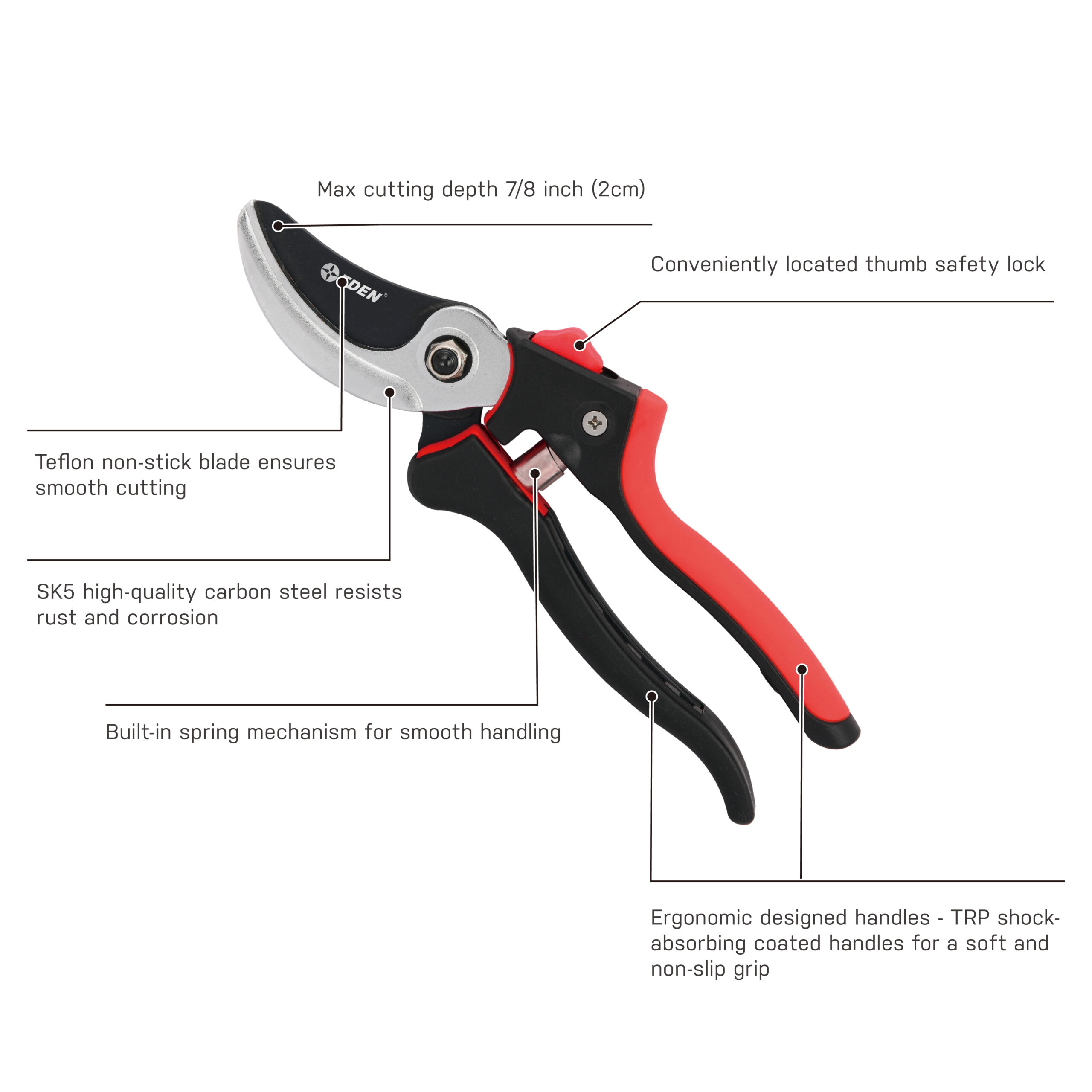
Most professional-grade bypass shears utilize high-carbon SK5 steel or specialized chromium-vanadium alloys. These materials are chosen for their “Rockwell Hardness” (HRC) ratings. A blade with a high HRC rating can be sharpened to a finer edge and will retain that edge through thousands of cycles. However, the trade-off in material science is often brittleness. To solve this, engineers use sophisticated heat-treatment processes, such as induction hardening, where only the cutting edge is hardened while the core of the blade remains flexible to absorb shock.
Friction-Reduction and Anti-Corrosion Coatings
Modern shears are often treated with advanced chemical coatings to enhance their performance. Polytetrafluoroethylene (PTFE) coatings—commonly known as non-stick surfaces—are applied to the blades to reduce the “drag” caused by sap and resin. In more advanced technological applications, blades may feature titanium nitriding (TiN) or hard-chrome plating. These coatings serve two purposes: they provide a microscopic layer of protection against the corrosive acids found in plant juices and they decrease the coefficient of friction, making the tool feel “faster” and more responsive during high-volume use.
Lightweight Composites in Chassis Construction
The “tech” of the shear isn’t limited to the blades. The handles and chassis have evolved from simple forged iron to lightweight, high-strength aerospace materials. Many modern bypass shears utilize forged aluminum or glass-fiber reinforced polymers. These materials offer a high strength-to-weight ratio, ensuring that the tool is durable enough for industrial use while being light enough to prevent repetitive strain injuries during long shifts.
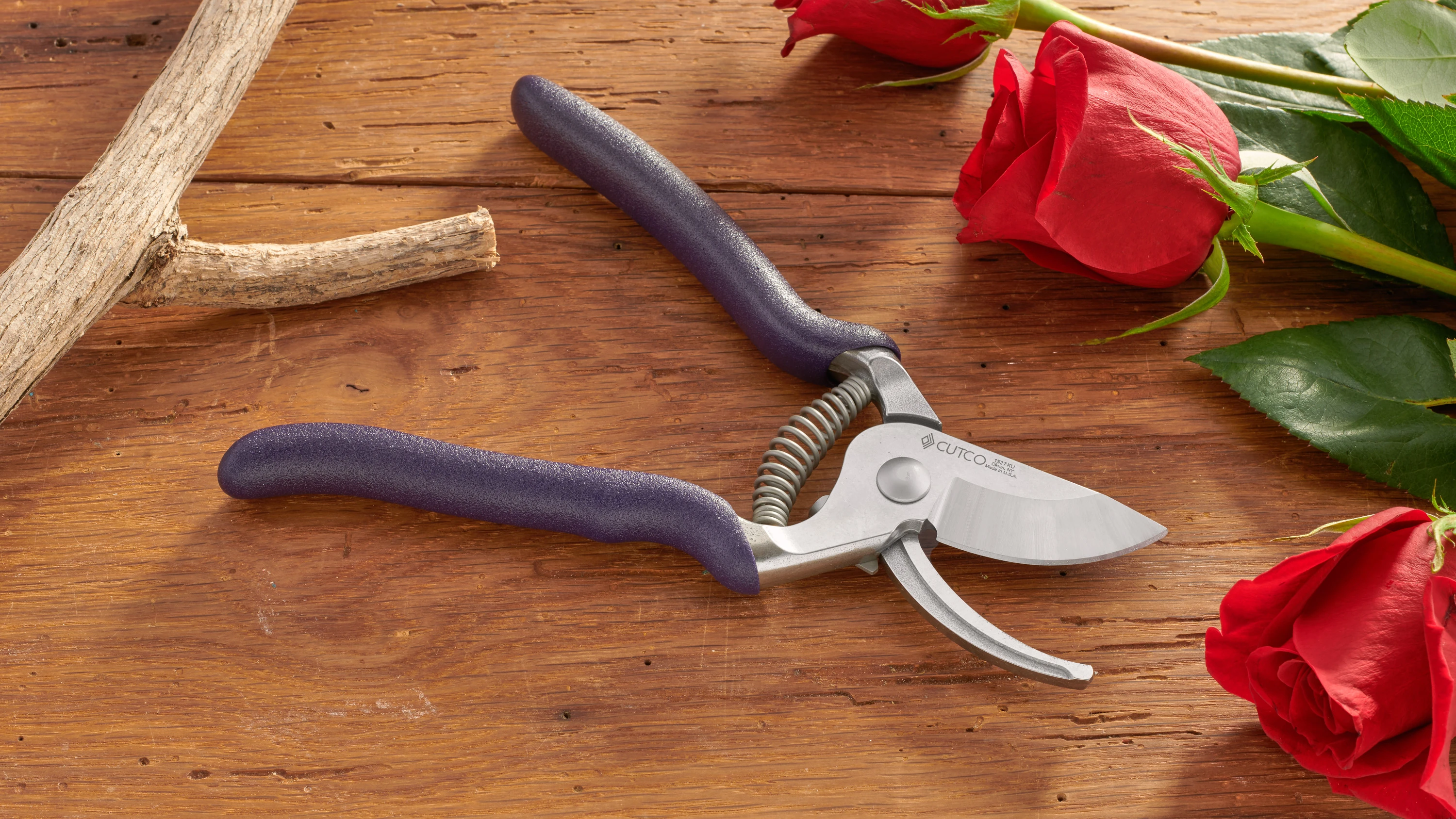
3. Ergonomic Engineering: The User Interface of Manual Tools
In the world of hardware and gadgets, “ergonomics” is the equivalent of a software’s “User Experience” (UX). For a tool like the bypass pruning shear, the ergonomic design determines how effectively the human body can power the mechanical device.
Impact Absorption and Shock-Absorber Tech
A major technological challenge in hand-tool design is the “impact shock” that occurs at the end of a cut. When the branch gives way, the handles snap together, sending a vibration through the user’s wrist and elbow. Modern bypass shears solve this through integrated rubber bumpers or spring-loaded shock absorbers. These components are tuned to specific kinetic energy profiles, neutralizing the vibration before it reaches the user’s joints—a critical feature for professionals who make thousands of cuts per day.
Rotating Handle Innovation
One of the most significant ergonomic breakthroughs in recent years is the development of the rotating handle. As the user squeezes the shears, the lower handle rotates on its axis, following the natural movement of the fingers. This reduces the friction between the glove and the handle and distributes the pressure evenly across all four fingers. From a mechanical engineering standpoint, this requires a precision bearing system within the handle, transforming a static tool into a dynamic, multi-axis machine.
Adjustable Opening Ratios
Digital design has allowed manufacturers to create “smart” manual tools that can be customized to the user’s hand size. Many bypass shears now feature an adjustable “opening width” switch. This allows users with smaller hands to decrease the span of the handles without sacrificing the cutting capacity of the blades. This focus on inclusivity through design demonstrates how industrial engineering is prioritizing the “human-in-the-loop” factor.
4. The Digital and Power Evolution: Electric Bypass Technology
The most recent trend in pruning technology is the move away from purely manual tools toward battery-powered, electronic bypass shears. This represents the intersection of traditional horticulture and modern robotics.
Lithium-Ion Integration and Brushless Motors
Electric bypass shears utilize high-torque brushless motors powered by lithium-ion battery packs. This shift transforms the pruning shear from a simple lever into a sophisticated power tool. Microprocessors within the tool control the blade movement, ensuring that the motor provides exactly the amount of torque needed for the specific density of the wood being cut. This “smart torque” technology prevents the motor from overheating and optimizes battery life.
Sensor Tech and Safety Features
As these tools become more powerful, safety technology has become a primary focus. Some high-end electric shears now incorporate “skin-sensing” technology. By utilizing low-voltage conductive sensors on the blades, the tool can detect if it has come into contact with human skin. If a contact is detected, the microprocessor triggers an electronic brake, stopping the blade in milliseconds. This level of digital security is a far cry from the simple locking latches of the past.
Data Tracking and Maintenance Apps
We are now seeing the emergence of “Connected Tools” in the landscaping sector. Some professional electric bypass shears come equipped with Bluetooth connectivity, allowing them to sync with smartphone apps. These apps track the number of cuts made (helping to schedule maintenance or blade sharpening), monitor battery health, and even provide diagnostics on motor performance. This integration of software into manual hardware marks the final frontier in the evolution of the bypass shear.
Conclusion: The Precision of Mechanical Excellence
What are bypass pruning shears? They are far more than mere scissors for the garden. They are a culmination of centuries of metallurgical refinement, decades of ergonomic research, and the latest in digital and mechanical engineering. Whether it is the microscopic calibration of the bypass blades, the advanced coatings that repel friction, or the microprocessors that govern electric models, the bypass shear stands as a testament to how technology can enhance our interaction with the natural world.
For the professional and the tech-savvy hobbyist alike, selecting a bypass shear is an investment in high-performance hardware. It is a tool designed to perform with surgical precision, ensuring that while we shape our environment, we do so with the utmost efficiency and respect for the biological systems we are managing. As technology continues to advance, the humble bypass shear will undoubtedly continue to evolve, remaining an essential gadget in the toolkit of modern civilization.
aViewFromTheCave is a participant in the Amazon Services LLC Associates Program, an affiliate advertising program designed to provide a means for sites to earn advertising fees by advertising and linking to Amazon.com. Amazon, the Amazon logo, AmazonSupply, and the AmazonSupply logo are trademarks of Amazon.com, Inc. or its affiliates. As an Amazon Associate we earn affiliate commissions from qualifying purchases.