
When a consumer types the query “what toothpaste has fluoride” into a search engine, they are rarely looking for a chemistry lesson. Instead, they are looking for a shortcut to trust. In the hyper-competitive landscape of oral care—a market projected to reach over $50 billion globally by 2030—the presence or absence of fluoride is not just a formulation choice; it is a fundamental pillar of brand strategy.
For decades, the oral care industry has been divided into two camps: the traditionalists who lean into the clinical authority of fluoride, and the disruptors who market themselves as “natural” alternatives. Understanding which brands use fluoride and how they communicate that choice offers a masterclass in brand positioning, consumer psychology, and market segmentation.
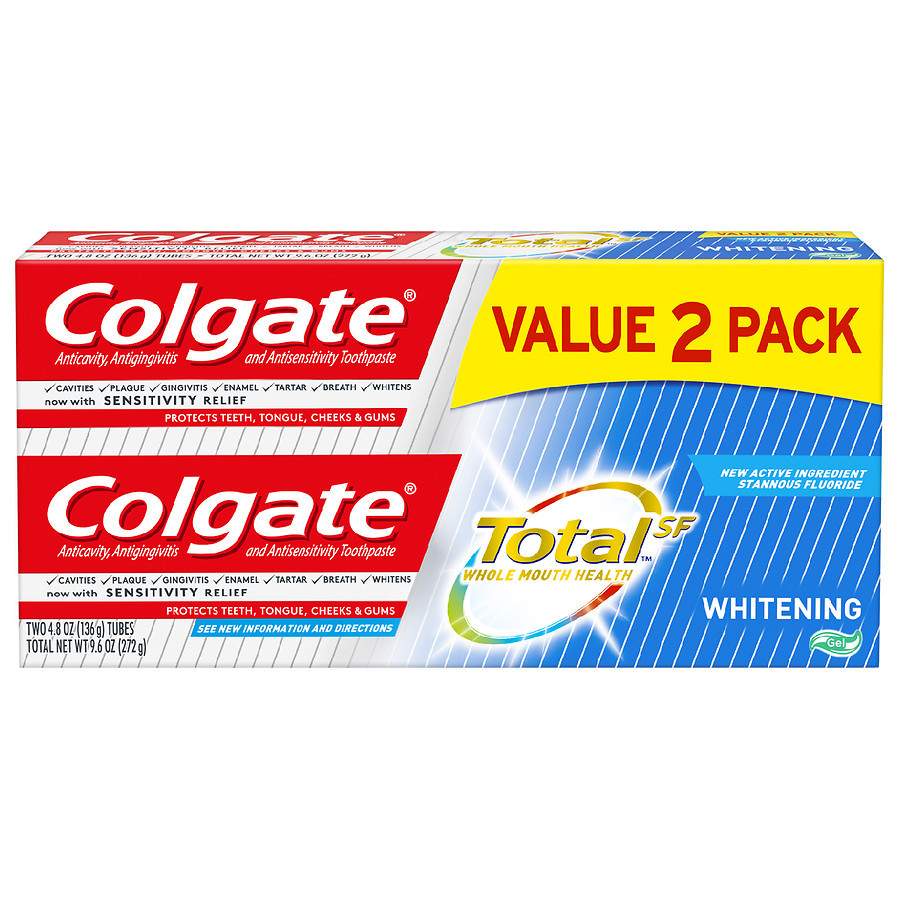
1. The Authority Play: Why Fluoride is the Anchor of Dental Branding
For legacy giants like Crest, Colgate, and Sensodyne, fluoride is the “North Star” of their brand identity. It represents the intersection of scientific clinical efficacy and institutional endorsement. These brands do not simply include fluoride in their ingredients; they weave it into their brand promise of “protection” and “strength.”
The ADA Seal as a Brand Endorsement
In the United States, the American Dental Association (ADA) Seal of Acceptance is perhaps the most powerful third-party validation a brand can receive. To earn this seal, a toothpaste must contain fluoride. For brands like Crest, the ADA seal is not just a regulatory milestone; it is a core component of their visual identity. By aligning their brand with the ADA, they outsource their credibility to a higher authority, reducing the “perceived risk” for the consumer. When a brand features fluoride prominently, they are signaling to the buyer: “We are the safe, establishment choice.”
Scientific Credibility and the “Gold Standard” Perception
Brands that lead with fluoride often utilize a “Medical-Professional” brand archetype. This strategy involves using clinical color palettes—whites, blues, and silvers—and terminology that evokes a laboratory setting. By highlighting fluoride, these brands position themselves as the “Gold Standard.” The brand narrative is built on decades of peer-reviewed research, making the product feel like a tool rather than a cosmetic. This is why “what toothpaste has fluoride” remains a high-intent search; it is the consumer’s way of filtering for products that meet the baseline of professional legitimacy.
2. Market Segmentation: The Fluoride-Free Counter-Movement
As the “Wellness” movement has expanded over the last decade, a new category of branding has emerged. Brands such as Tom’s of Maine (originally), Hello, and Boka have found immense success by creating a “fluoride-free” niche. This is a classic example of “Anti-Brand” positioning—defining oneself by what the product doesn’t have.
Appealing to the Conscious Consumer
The rise of the “Conscious Consumer” has shifted the branding focus from efficacy to transparency. For many boutique brands, fluoride is framed as a “chemical” or a “toxic additive,” regardless of scientific consensus. This branding strategy targets a specific demographic: the parent who shops at organic grocery stores, the individual concerned with “biohacking,” or the consumer who views modern industrialization with skepticism. By removing fluoride, these brands create a “clean” brand identity that prioritizes “natural” ingredients like xylitol or coconut oil.
The “Non-Toxic” Brand Narrative and the Rise of n-HA
In a brilliant move of brand evolution, many fluoride-free brands have adopted a new hero ingredient: Nano-hydroxyapatite (n-HA). Brands like Boka and Risewell use this as a differentiator. They don’t just say “we lack fluoride”; they say “we have something better and safer.” This allows them to maintain a premium price point (often 2-3x the cost of a tube of Colgate) by branding n-HA as a sophisticated, modern alternative to the “old-fashioned” fluoride used by the masses. This is a sophisticated segmentation strategy that targets affluent, health-conscious early adopters.
3. Product Differentiation: Navigating the Fluoride Spectrum

Not all fluoride is branded equally. Within the category of “toothpaste with fluoride,” savvy brands have learned to differentiate themselves by the type of fluoride they use. This is where brand strategy meets technical specification to justify premiumization.
Premiumization through Specialization (Stannous vs. Sodium)
For years, Sodium Fluoride was the industry standard. However, brands like Crest (Pro-Health) and Oral-B began heavily marketing Stannous Fluoride. From a branding perspective, this was a stroke of genius. While both protect against cavities, Stannous Fluoride offers “anti-gingivitis” and “sensitivity” benefits.
By educating the consumer on the difference, these brands moved the product from a “commodity” (basic fluoride) to a “specialty” (multi-benefit fluoride). This allows the brand to occupy more shelf space and command a higher price point. The branding focus shifts from “prevention” to “total oral health,” allowing the company to upsell the consumer into a more expensive ecosystem of products.
Packaging and Visual Cues in Fluoride Branding
If you look at the packaging of Sensodyne, a brand owned by Haleon, the fluoride content is framed within a narrative of “Repair and Protect.” The visual branding uses microscopic imagery of tooth enamel being “sealed” by the product. This visual storytelling bridges the gap between a chemical ingredient and a tangible consumer benefit. The fluoride isn’t just an ingredient; it is a “shield.” This use of metaphors in branding helps consumers rationalize their purchase of a specialized fluoride toothpaste over a generic house brand.
4. Brand Adaptability and Global Regulatory Influence
The question of “what toothpaste has fluoride” also reveals how brands must adapt their identity across different global markets. Branding is never “one size fits all,” especially when it comes to ingredients that are subject to varying degrees of public and regulatory scrutiny.
Localizing Trust: Brand Messaging Across Borders
In European markets, where consumers are often more skeptical of certain additives, brands may downplay fluoride or offer a wider variety of concentrations. In contrast, in markets with lower rates of water fluoridation, a brand like Colgate might lean even harder into the “anti-cavity” fluoride message. This adaptability is key to maintaining a global corporate identity while respecting local consumer sentiment. A brand’s ability to pivot its “fluoride story” based on local regulations is a testament to its strategic flexibility.
The Future of the Brand: Post-Fluoride Innovation?
We are entering an era of “hybrid branding.” Some brands, such as Hello Oral Care (now owned by Colgate-Palmolive), have mastered the art of playing both sides. Hello offers both fluoride and fluoride-free options under the same brand umbrella. This “dual-track” strategy ensures that the brand doesn’t alienate any segment of the market.
By offering both, the brand shifts its identity from being “pro-fluoride” or “anti-fluoride” to being “pro-choice.” This is an incredibly effective marketing strategy in a polarized consumer environment. It allows the brand to appear inclusive, modern, and consumer-centric, rather than dogmatic.

Conclusion: The Ingredient as the Brand
Ultimately, when people ask “what toothpaste has fluoride,” they are navigating a complex web of brand promises. For the legacy brands, fluoride is the foundation of a “Trust and Efficacy” strategy. For the boutique disruptors, the absence of fluoride—or the inclusion of alternatives—is the foundation of a “Purity and Innovation” strategy.
The most successful brands in the oral care space are those that recognize that fluoride is more than an active ingredient; it is a symbol. Whether a brand chooses to embrace that symbol to project authority, or reject it to project “cleanliness,” the decision defines the brand’s place in the market. In the world of consumer goods, the chemistry in the tube is only half the battle; the other half is the story the brand tells about that chemistry. As consumer preferences continue to evolve, the brands that can most effectively communicate the value of their fluoride (or lack thereof) will be the ones that win the battle for the bathroom sink.
aViewFromTheCave is a participant in the Amazon Services LLC Associates Program, an affiliate advertising program designed to provide a means for sites to earn advertising fees by advertising and linking to Amazon.com. Amazon, the Amazon logo, AmazonSupply, and the AmazonSupply logo are trademarks of Amazon.com, Inc. or its affiliates. As an Amazon Associate we earn affiliate commissions from qualifying purchases.