
In the competitive landscape of the global dairy industry, the word “sharp” serves as more than just a descriptor of flavor; it is a powerful branding tool, a marker of quality, and a masterclass in sensory marketing. When a consumer reaches for a block of “Extra Sharp” cheddar, they aren’t just looking for a specific chemical profile of lactic acid and peptides—they are buying into a brand promise of maturity, intensity, and premium craftsmanship.
What makes sharp cheese “sharp” from a brand perspective is the strategic alignment of product aging, nomenclature, and consumer psychology. In an era where “commodity” products struggle to maintain margins, the “sharpness” category allows producers to move away from volume-based competition toward value-based brand positioning. This article explores how brand strategy transforms a biochemical process into a market-leading identity.

The Semantics of Sharpness: Building a Brand Vocabulary
The first element that defines a sharp cheese is not the enzyme breakdown, but the brand’s ability to communicate that breakdown as a desirable trait. Unlike “sweet” or “salty,” “sharp” is a subjective term that brands have successfully claimed and standardized.
Transcending the Product: From Curds to Character
In brand strategy, successful products move from being a “commodity” (cheese) to an “experience” (sharpness). A brand that markets its cheese as “sharp” is creating a personality for the product. This “character” is built through language that evokes edge, intensity, and sophistication. Brands like Cabot or Tillamook do not simply sell dairy; they sell the result of time. By focusing on the “sharpness” as a primary brand pillar, these companies differentiate themselves from the mild, rubbery textures of generic processed cheeses. This transition allows the brand to command a higher price point by shifting the consumer’s focus from the cost of ingredients to the value of the experience.
The Psychology of Taste in Market Positioning
“Sharpness” functions as a cognitive shortcut for consumers. In the psychology of branding, certain words trigger expectations of quality. “Sharp” is often associated with “boldness” and “authenticity.” For a brand, owning the “sharpest” profile in a category is a way to claim the high ground of expertise. If a consumer perceives a brand as capable of producing a complex, sharp cheddar, they naturally extend that trust to the rest of the brand’s portfolio. This is a form of brand halo effect where the “sharp” flagship product validates the brand’s overall authority in the dairy space.
Consistency as a Brand Pillar: The Science of Standardized “Sharpness”
From a corporate identity perspective, the greatest challenge is not making a cheese sharp once, but making it sharp in exactly the same way across millions of units. This is where brand strategy meets industrial precision.
Scaling the Artisanal Experience
The brand promise of a “Sharp Cheddar” relies on the consumer getting the same sensory hit every time they open a package. This requires a sophisticated “Brand-to-Batch” alignment. Large-scale producers use specific cultures and controlled environments to ensure that the “sharpness” fits a very specific brand profile. If a brand’s identity is built on a “creamy yet sharp” profile, any deviation toward “bitter” or “acidic” can damage brand equity. Consistency is the bedrock of trust; therefore, the “sharpness” becomes a proprietary formula that acts as a brand’s intellectual property.
Quality Control as Reputation Management
In the world of premium branding, a single “off” batch can go viral and tarnish a reputation built over decades. Brands that specialize in sharp cheeses invest heavily in sensory panels—human graders who ensure the “sharpness” aligns with the brand’s stylistic guidelines. This investment in quality control is actually an investment in brand insurance. By maintaining a narrow definition of what “sharp” means for their specific label, companies prevent brand dilution. They ensure that their version of “sharp” becomes the benchmark against which all competitors are measured.
The Economics of the Age Statement: Pricing the Passage of Time
In branding, time is money. One of the most effective ways to signal premium status is through the “age statement,” a tactic borrowed from the world of fine spirits like Scotch and Bourbon.
Premiumization through Duration
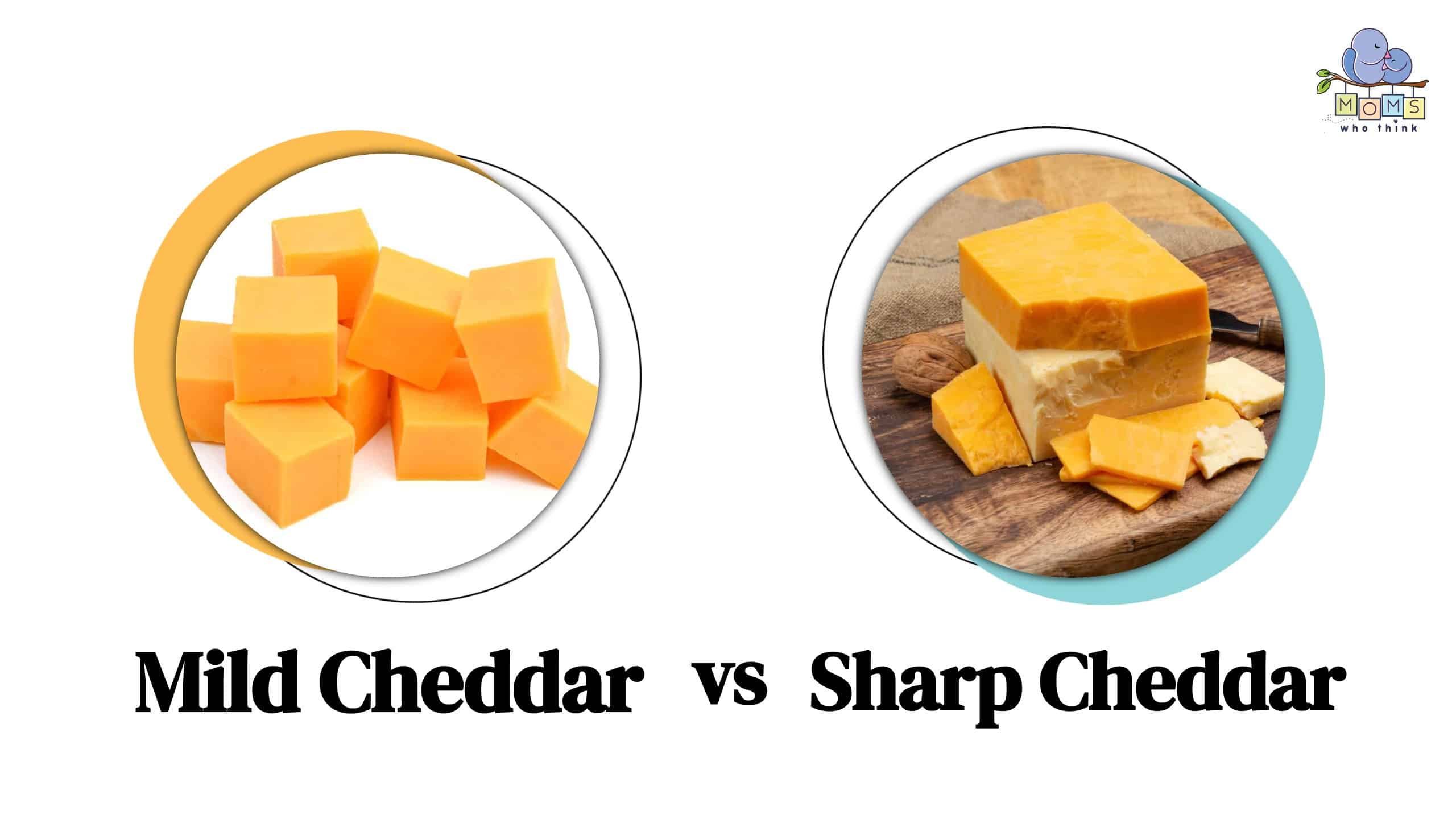
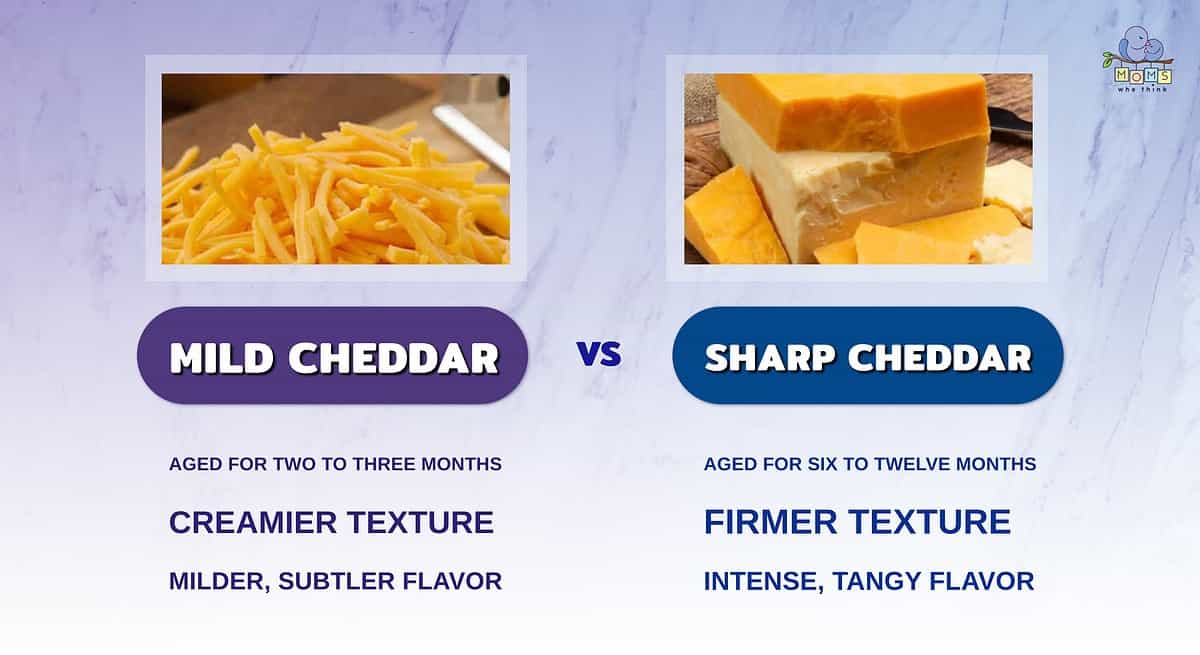
The longer a cheese ages, the sharper it becomes—and the more expensive it is for a company to produce. From a financial and brand strategy standpoint, this creates a natural “Value Ladder.” A brand can offer a 3-month “Mild,” a 6-month “Sharp,” and a 2-year “Extra Sharp.” Each step up the ladder justifies a higher margin. The “Extra Sharp” label isn’t just a flavor description; it’s a justification for a premium price tag. The brand is essentially charging the consumer for the “opportunity cost” of holding that cheese in a warehouse for two years. This creates a perception of scarcity and artisanal dedication, even in mass-produced items.
Communicating Value in Mature Markets
In a saturated market, brands must find new ways to communicate value. The “Vintage” or “Reserve” labels often seen on sharp cheeses are classic examples of brand laddering. By associating sharpness with age, brands tap into the consumer’s respect for tradition and patience. This strategy effectively de-commoditizes the product. While milk prices may fluctuate, the price of a “3-Year Aged Extra Sharp” remains relatively stable because its value is tied to the brand’s narrative of time-tested quality rather than raw material costs.
Case Studies in Dairy Distinction: How Iconic Brands Own the “Sharp” Label
To understand what makes sharp cheese sharp, one must look at the brands that have successfully colonized the term in the minds of consumers.
Tillamook vs. Cabot: A Battle of Regional Identities
These two giants of the cheese world utilize “sharpness” differently in their brand storytelling. Tillamook, based in Oregon, often focuses on the “creamy” aspect of their sharpness, positioning their brand as a luxurious, West Coast indulgence. Their branding uses warm colors and imagery of lush pastures. On the other hand, Cabot (a Vermont co-op) leans into the “rugged” and “intense” nature of Northeastern sharpness. Their branding is often more utilitarian, focusing on the award-winning “bite” of their cheddar. Both brands sell “sharp cheese,” but their brand strategies create two entirely different consumer personas. One is for the “refined foodie,” the other for the “authentic traditionalist.”
The Rise of Private Labels and the “Extra Sharp” Escalation
In recent years, private labels (like Costco’s Kirkland Signature or Whole Foods’ 365) have attempted to disrupt the sharp cheese market. To combat this, name brands have had to move the goalposts. This has led to an “escalation of sharpness.” Where “Sharp” used to be the ceiling, we now see “Extra Sharp,” “Seriously Sharp,” and “Hunter’s Sharp.” This is a defensive brand strategy designed to maintain a “Premium Gap” between name brands and store brands. By constantly redefining the upper limits of sharpness, legacy brands maintain their status as the innovators and gatekeepers of the category.
Design and Visual Identity: Packaging the “Sharp” Sensation
A brand’s strategy is only as good as its execution on the shelf. The visual identity of sharp cheese is a critical component of how sharpness is “made” in the consumer’s mind.
The Color Palette of Intensity
Notice the packaging of “Mild” vs. “Extra Sharp” cheeses. Mild cheeses often feature lighter colors—whites, light blues, or soft yellows. As the sharpness increases, the packaging darkens. “Extra Sharp” brands almost universally adopt black, deep burgundy, or hunter green. These colors signal “premium,” “matured,” and “intense.” From a brand design perspective, the packaging does the heavy lifting of setting the consumer’s expectations before they even taste the product. The “sharpness” starts with the eyes.
Typography and Structural Cues
The fonts used for sharp cheese brands often feature serifs and “etched” styles to evoke a sense of history and craftsmanship. Some brands even use “fractured” or “cracked” imagery on their labels to mimic the crystalline structure of aged cheddar. This visual storytelling reinforces the physical reality of the product: that it has aged long enough for the proteins to break down, resulting in that signature “sharp” crunch (calcium lactate crystals). By aligning the visual design with the physical product attributes, brands create a cohesive and immersive consumer experience.
Conclusion: The Future of Sensory Branding
Ultimately, what makes sharp cheese “sharp” is a sophisticated blend of time, chemistry, and—most importantly—strategic brand management. It is a testament to the power of a single word to define a category, dictate pricing, and build a multi-billion dollar industry.
As consumer tastes evolve, brands will continue to push the boundaries of what “sharp” means, perhaps moving into “Ultra-Aged” or “Artisanal-Sharp” niches. However, the core strategy remains the same: taking a natural process (aging) and wrapping it in a narrative of quality, consistency, and prestige. For the modern brand strategist, the story of sharp cheese is a reminder that the most powerful ingredients in any product aren’t found on the nutrition label—they are found in the brand’s ability to turn a flavor into a legacy.
aViewFromTheCave is a participant in the Amazon Services LLC Associates Program, an affiliate advertising program designed to provide a means for sites to earn advertising fees by advertising and linking to Amazon.com. Amazon, the Amazon logo, AmazonSupply, and the AmazonSupply logo are trademarks of Amazon.com, Inc. or its affiliates. As an Amazon Associate we earn affiliate commissions from qualifying purchases.