
In an era defined by hyper-connectivity, the boundary between public space and private sanctuary has become increasingly blurred. Historically, a “private location” was defined by physical walls and property lines. However, as our smartphones, wearables, and smart home devices constantly broadcast our coordinates to satellites and cell towers, the definition has evolved. In the realm of technology and digital security, a private location is no longer just a physical spot; it is a data point protected by encryption, legal frameworks, and user-controlled permissions.
Understanding what constitutes a private location is essential for anyone navigating the modern tech landscape. Whether it is a software developer building a location-aware app or a consumer trying to shield their home address from data brokers, the technical implications of “private space” are profound. This article explores the multifaceted definition of private locations through the lens of digital security, software architecture, and the evolving technological landscape.
Defining Private Locations in a Digital Context
In the technical world, the concept of a private location is often tethered to the sensitivity of the data generated at that spot. While the physical world views a living room as private, a mobile operating system views it as a set of precise GPS coordinates that require “Fine Location” permissions.
The Legal Framework: Digital Privacy and Expectation
From a technological standpoint, the definition of a private location often begins with the “reasonable expectation of privacy.” In the United States and many European jurisdictions, the home is the ultimate private location. Tech companies must navigate these legal waters carefully. For instance, the Fourth Amendment protects individuals from unreasonable searches, a concept that has been extended to digital data.
When a technology platform tracks a user, the “private” nature of a location is determined by whether the user has consented to being tracked in that specific environment. If an app tracks a user inside their home without explicit permission, it violates the technological and legal sanctity of that private location.
Geofencing and Sensitive Interest Areas
Tech companies use a concept called “geofencing” to create virtual boundaries around specific locations. Within these systems, certain areas are categorized as “Sensitive Interest Areas.” These are locations where privacy is paramount—such as medical facilities, places of worship, or private residences.
In the world of big data and advertising tech, reputable companies often “redline” these locations. This means that even if they have the technical capability to track a user in these spots, they programmatically exclude that data to maintain ethical standards and comply with privacy regulations like the GDPR (General Data Protection Regulation).
Tech Platforms and Your “Home” Base: How AI Categorizes Privacy
Modern operating systems and AI-driven platforms have become incredibly adept at identifying our private locations through pattern recognition. Your smartphone doesn’t need you to tell it where you live; it observes where your device stays stationary for eight hours every night.
Mobile Operating Systems and “Significant Locations”
Both Apple’s iOS and Google’s Android have features built into their core architecture that identify “Significant Locations.” These are places you visit frequently, and they are treated with a higher level of security than a random coffee shop.
For example, iOS uses end-to-end encryption for Significant Locations data, meaning even Apple cannot read where your private locations are. These locations are used to provide personalized services, such as “Time to Leave” alerts for your commute or curated memories in your photo gallery. By designating these spots as private at the system level, tech giants attempt to balance utility with the user’s need for a digital “safe harbor.”
Smart Home Ecosystems and Data Boundaries
The rise of the Internet of Things (IoT) has brought technology deep into the most private of locations: our bedrooms and bathrooms. Devices like smart speakers, security cameras, and thermostats are constantly mapping the interior of our homes.
A private location in the context of IoT is defined by the “edge” of the network. Privacy-conscious tech focuses on “Edge Computing,” where data is processed locally on the device rather than being sent to a cloud server. When your smart vacuum maps your floor plan, that map is a highly private location data set. If that data stays on the device, the location remains private; if it is uploaded to an unencrypted server, that privacy is compromised.
Cybersecurity Implications of Location Sharing
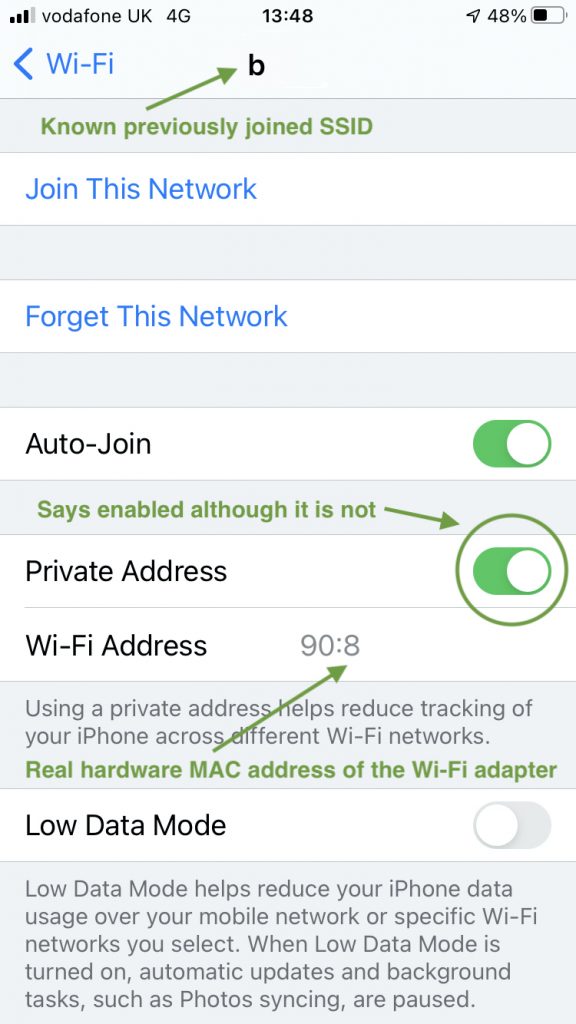
When we talk about what locations are considered private, we must address the risks involved in exposing those locations to the digital ether. Every time a location is shared, it creates a footprint that can be exploited if not properly secured.
The Risks of Metadata and Geo-tagging
One of the most common ways private locations are accidentally exposed is through metadata in digital files. When you take a photo with a smartphone, the device often attaches “EXIF data,” which includes the exact longitude and latitude of the shot.
If a user posts a photo of their pet taken inside their home to a public social media platform, they are inadvertently broadcasting their most private location. Advanced cybersecurity tools and privacy-focused apps now automatically strip this metadata to prevent “doxing” or unauthorized location tracking. In the tech industry, the removal of this data is a standard practice for maintaining the integrity of private locations.
Protecting Private Locations from Third-Party Data Brokers
The data brokerage industry is a multi-billion-dollar market built on the collection of location data. These companies aggregate “pings” from various apps to create a detailed map of a user’s movements. To these brokers, no location is inherently private unless the user takes active steps to obfuscate their data.
Technological defenses against this include “Differential Privacy,” a technique used by companies like Apple and Google to share patterns of data without revealing the specific identity or precise location of an individual. By adding “noise” to the data, tech platforms can protect a user’s private location while still gathering useful aggregate information.
Enhancing Your Digital Privacy: Tools and Best Practices
Defining a private location is only the first step; the second is utilizing technology to defend that space. As software becomes more invasive, the tools to protect our locations have become more sophisticated.
Using VPNs and Obfuscation Tech
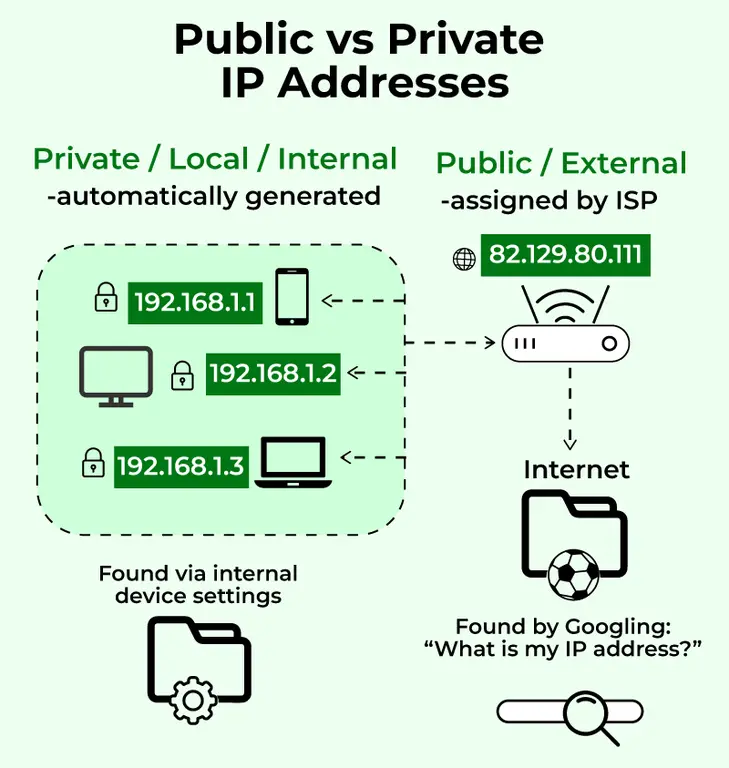
A Virtual Private Network (VPN) is a fundamental tool for maintaining location privacy. By masking your IP address, a VPN prevents websites and apps from determining your general physical location based on your internet connection.
However, tech-savvy users know that an IP address is only one piece of the puzzle. “GPS Spoofing” and “Location Obfuscation” apps allow users to provide false coordinates to apps that demand location access. This creates a digital “decoy,” ensuring that the user’s true private location remains hidden from the software’s view.
Managing App Permissions and System-Level Privacy
Modern mobile software gives users granular control over their location data. Users can choose between “Precise Location” (using GPS to find your exact spot) and “Approximate Location” (using Wi-Fi and cell towers to place you within a few miles).
In the tech world, treating your home as a private location involves setting your permissions to “Ask Next Time” or “While Using the App,” rather than “Always Allow.” By limiting the window of time an app can “see” your location, you significantly reduce the risk of your private residence being logged in a third-party database.
The Future of Spatial Privacy and Augmented Reality
As we move toward a future dominated by Augmented Reality (AR) and the Metaverse, the definition of a private location is set to expand even further. We are moving from 2D GPS coordinates to 3D spatial mapping.
Privacy Concerns in AR Navigation
AR glasses require a constant feed of visual and spatial data to function. This means the device is constantly “seeing” and mapping the environment. If you wear AR glasses inside your home, the tech is essentially creating a 3D digital twin of your private location.
The tech industry is currently debating how to handle this “Spatial Privacy.” Future software will likely need to include “Private Mode” zones, where the cameras and sensors automatically shut off or stop recording data when they recognize they are within a user’s designated private location.

The Metaverse and Virtual Private Spaces
In virtual worlds, a “private location” might not even exist in the physical realm. A digital room in the Metaverse can be a private location where conversations are encrypted and access is restricted by blockchain-based keys. In this niche, privacy is defined by code and permissions rather than physical distance. As our lives become more digital, the tech that secures these virtual private locations will become just as important as the locks on our physical doors.
In conclusion, a “private location” in the modern tech landscape is a dynamic concept. It is a blend of physical space, digital permissions, and encrypted data. As technology continues to evolve, staying informed about how our devices define and protect our locations is the only way to ensure that our private lives remain truly private. By leveraging privacy settings, understanding data flows, and adopting secure tools, we can reclaim our boundaries in an increasingly transparent world.
aViewFromTheCave is a participant in the Amazon Services LLC Associates Program, an affiliate advertising program designed to provide a means for sites to earn advertising fees by advertising and linking to Amazon.com. Amazon, the Amazon logo, AmazonSupply, and the AmazonSupply logo are trademarks of Amazon.com, Inc. or its affiliates. As an Amazon Associate we earn affiliate commissions from qualifying purchases.